
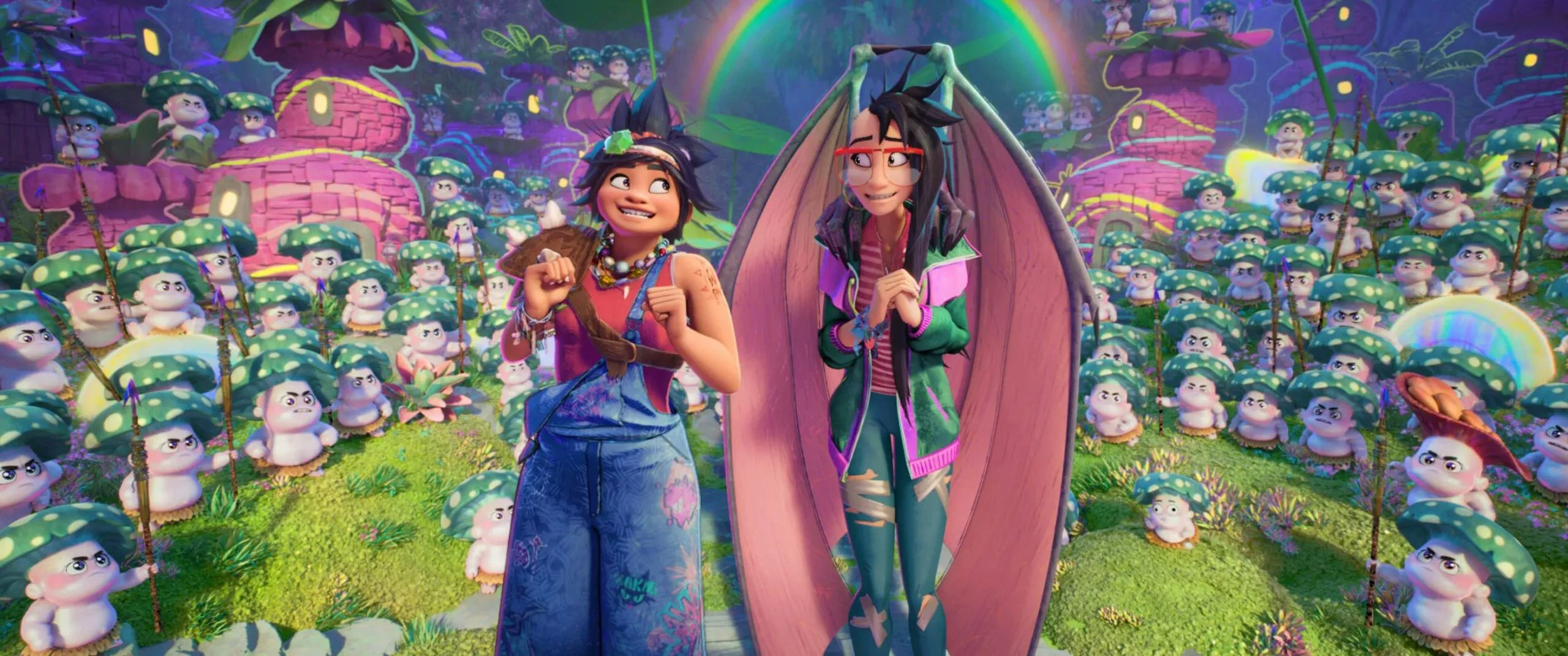
At its core, the movie tells a poignant coming-of-age story that captures the unique heartbreak of hard goodbyes just before the dawn of the internet era and post-Y2K digital connectivity. The narrative centers on the dynamic bond between Jo, an adventurous and chaotic spirit voiced by H.E.R., and Raissa, a brainy yet headstrong companion voiced by Liza Soberano. Their relationship strikes a deeply personal chord for anyone who navigated adolescence alongside a childhood best friend before life events—such as one friend moving to the other side of the world—altered their daily dynamic. For many viewers, the film accurately mirrors the bittersweet reality of growing up, capturing the essence of a time when friendships were anchored in shared physical spaces, tactile mementos, and face-to-face adventures.
The film meticulously recreates the texture of late-90s girlhood through several distinct cultural touchstones that defined the era. From the tangible artifacts of friendship to the rich integration of multicultural family traditions, Forgotten Island grounds its fantastical elements in authentic adolescent experiences.
Friendship Charm Bracelets
While modern pop culture trends have seen a recent resurgence in beaded friendship bracelets, enthusiasts of early-millennial nostalgia have long awaited the return of the charm bracelet. In Forgotten Island, Jo and Raissa’s relationship is visually tracked through a collection of charms gathered over years of shared experiences. As young girls, they bond over homemade trinkets, such as a miniature yarn toy version of the Manananggal, a vampiric folklore entity from their shared cultural background. Later, they add items like a tiny mixtape charm representing the music Jo curates for Raissa.
Watching these bracelets accumulate heavy, jangly charms as the characters grow older resonates strongly with those who spent their youth seeking out unique trinkets to honor their closest bonds. The film captures the sentimental value of these wearable memory books, offering a vivid reminder of a time when personal expression was often clipped directly onto one’s wrist.
Sharing Multicultural Celebrations
The movie also explores the warmth and chaos of multicultural family dynamics. In one pivotal sequence, Raissa hosts a going-away-to-college party steeped in her family’s Filipino traditions. The gathering features familiar staples of community celebrations, including karaoke, a lechon centerpiece at the backyard cookout near a framed portrait of Jesus, and an array of well-meaning but meddling aunts and uncles.
For many viewers, these scenes mirror their own upbringing. Whether it is a Filipino family barbecue or a traditional gathering featuring Carne Asada, the film highlights how multicultural family spaces naturally expand to embrace chosen family. It underscores the universal experience of introducing a best friend into the vibrant, sometimes overwhelming fold of extended relatives, creating a sense of belonging that transcends traditional boundaries.
Mixtapes
Long before streaming algorithms dictated daily listening habits, curating the perfect playlist required patience, timing, and a blank cassette tape. Forgotten Island taps directly into this ritual by making a painstakingly crafted mixtape one of its central narrative threads. The film transports viewers back to the days of cracking open a blank cassette, peeling away the plastic wrapping with a fingernail, and hovering over a boombox in a race to hit record just as a favorite song began playing on the radio.
The inclusion of these tactile musical moments prompts fond memories of recording songs inspired by adolescent crushes or late-night sleepovers. Furthermore, the film’s needle drops feature tracks that authentically echo the era, enhancing the emotional weight of Jo and Raissa’s journey and making the soundtrack an integral part of the storytelling.
No Screen Adventures
A defining characteristic of growing up in the pre-smartphone era was the unstructured freedom to explore the physical world. The film captures the genuine joy of leaving the house, embarking on spontaneous excursions, and occasionally getting into formative trouble without digital surveillance. This representation highlights a specific brand of youthful independence where friends relied entirely on each other to navigate obstacles, solve problems, and share the mutual embarrassment of getting caught by adults. It serves as a reminder of a simpler time when adventures were measured by miles walked and secrets kept rather than screen time or digital documentation.
Supernatural Action Vibes
For audiences who came of age watching fantasy-driven television series like Charmed and Buffy the Vampire Slayer, Forgotten Island delivers a comforting creature-of-the-week aesthetic rooted in rich cultural folklore. In the film, Jo and Raissa embark on one final journey together before parting ways for college, venturing to the mysterious Forgotten Island featured in stories told by Jo’s late grandmother.
The narrative populates this mystical setting with various cultural entities and cryptids. Among them is Bungi, a centuries-old baby demon voiced by Manny Jacinto, and The Dreaded Manang, a formidable vampiric entity brought to life by legendary performer Lea Salonga. These supernatural encounters run parallel to the characters’ internal struggles, serving as physical manifestations of the fears and uncertainties they must face before transitioning into adulthood.
This deep dive into cultural mythology speaks directly to viewers who spent their formative years obsessing over folklore and imaginative literature. Forgotten Island is currently playing in theaters nationwide, offering audiences an opportunity to revisit the emotional landscape of their youth alongside a new generation of viewers.