
Decoding the modern wedding invitation requires more than a casual glance at the date and time. While traditional eveningwear requirements leave little room for error, many contemporary ceremonies intentionally leave space for personal creativity and styling choices. A black-tie celebration, for example, demands floor-length silhouettes, yet modern interpretations welcome vibrant palettes such as fuchsia or structured tailoring that moves away from traditional monotony. Similarly, spring and summer nuptials naturally encourage sleeveless cuts and lighter, airier fabrics for practical comfort, opening the door for unexpected color stories like chartreuse or cerulean to reinvent seasonal traditions. Meanwhile, cocktail dress codes and daytime fêtes offer ample opportunity to make a statement through intricate details, such as delicate lace trims or striking patterns.
The realities of winter formal dressing introduce an entirely distinct set of challenges, primarily the struggle to remain warm without compromising elegance. Finding pieces that eliminate the awkward transition from a heavy outerwear coat to a delicate evening look remains a priority for cold-weather attendees. Designers have responded with sophisticated options, ranging from Staud’s long-sleeve maxis and Veronica Beard’s luxurious velvet silhouettes to Simkhai’s dramatic low-back halterneck gowns that fully embrace winter glamour without sacrificing architectural impact.
Formal weddings classified under a black-tie dress code provide guests with an ideal opportunity to embrace dramatic lengths, architectural draping, and high-fashion silhouettes. Renowned labels such as Victoria Beckham, Fforme, and L’Agence demonstrate how structured gowns can command attention, particularly when paired with intentional jewelry selections that elevate the overall look. Whether opting for the clean lines of the Victoria Beckham Isabella gown or exploring the sculptural appeal of alternative eveningwear, formal dressing centers on refined execution and premium fabrication.
Spring celebrations invite a softer approach to color palettes, though contemporary styling favors vibrant interpretations of traditional pastels. Light turquoise floral jacquard maxis from brands like H&M capture the effortless essence of garden ceremonies, while Toteme’s soft pink midi dresses offer versatile elegance that easily transitions across diverse venue settings. The shift toward lighter textures and welcoming tones allows guests to reflect the awakening season without overpowering the aesthetic of the day.
For cocktail attire, guests are encouraged to toast the newlyweds in spirited designs that strike a balance between relaxed and refined. COS delivers modern Art Deco glamour through beaded steel grey midis, while options like Ralph Lauren’s mock-neck charmeuse styles offer effortless sophistication. Diotima’s halterneck little black dress similarly provides a foundational staple designed to transition seamlessly into future formal calendars.
Intimate daytime gatherings, including courthouse ceremonies and backyard celebrations, shift the focus toward elevated comfort with a modern finish. Blaze Milano’s golden satin dresses provide an easygoing yet polished aesthetic, while statement-making pieces from Tory Burch introduce playful yet structured alternatives for relaxed daytime environments.
When facing restricted color palettes, particularly the timeless appeal of black, guests can successfully inject personality by experimenting with texture and silhouette. Aje incorporates party-ready fringe detailing into dark tones, Kallmeyer utilizes floor-length hemlines for pure evening elegance, and Banana Republic offers high-neck, long-sleeved burnout velvet designs specifically tailored for cooler evening receptions.
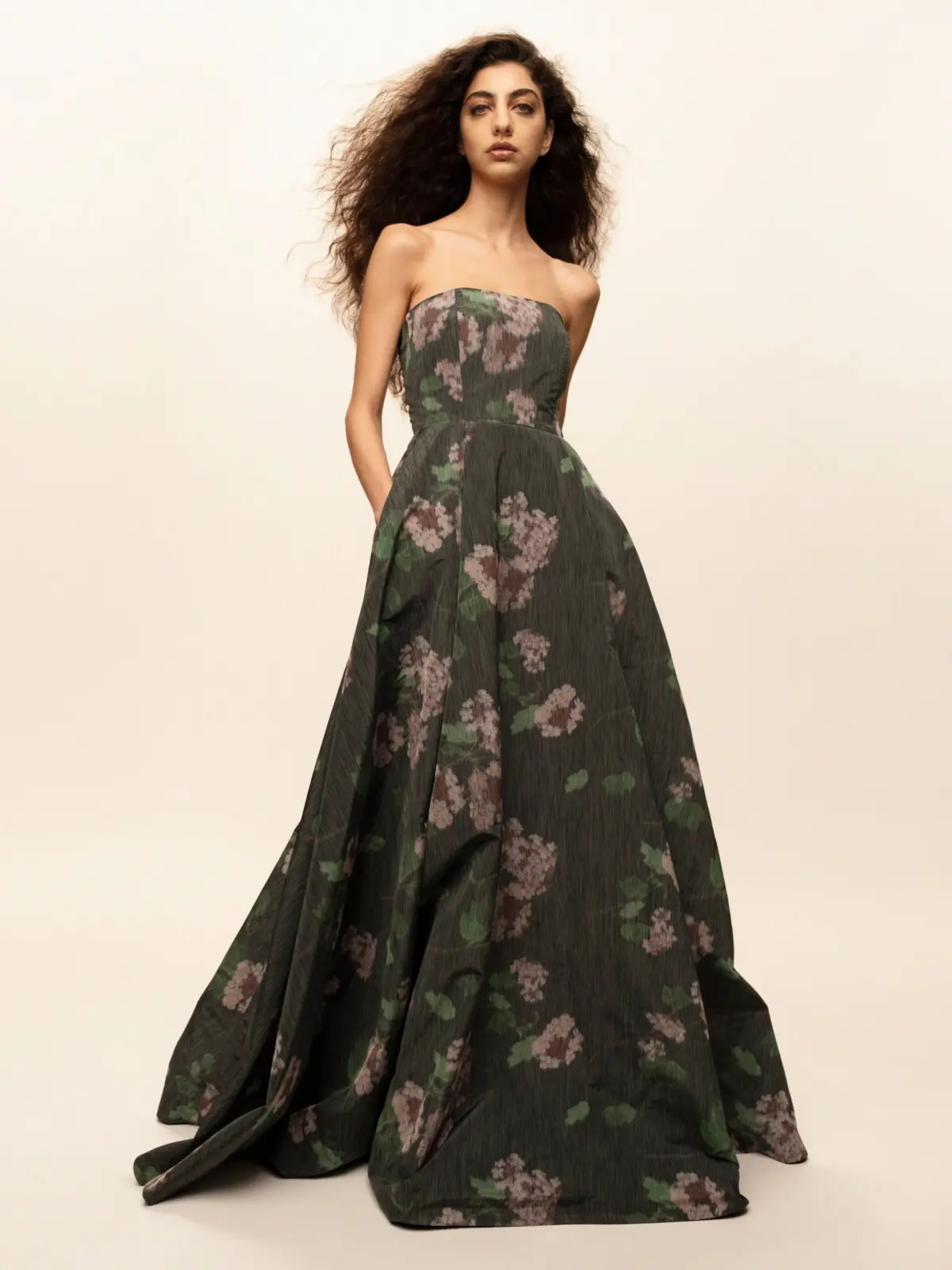
Floral prints remain a perennial favorite that effectively eliminates the guesswork of wedding guest dressing. Romantic botanical motifs operate effortlessly across various silhouettes, allowing guests to keep accessories minimalist—such as sleek kitten heels and understated jewelry—so the statement pattern commands the visual narrative.
Destination weddings, spanning from historic Italian villas to breezy coastal islands, require attendees to draw stylistic cues directly from their physical surroundings. Simon Miller’s silky, lace-trimmed midi dresses capture the romantic ambiance of cobblestone European towns, while Christopher John Rogers’s striped crinkle-chiffon gowns channel the relaxed movement suited for tropical seaside venues.
Summer celebrations lean into bold citrus hues and fluid silks, championed by contemporary offerings from Aflalo and Tove. For those seeking formal distinction in warmer months, statement pieces like Taller Marmo’s one-shoulder gown featuring a fringe-trimmed cape ensure an unforgettable presence. Conversely, shoreside and beach ceremonies welcome lightweight fabrics and relaxed silhouettes, allowing sun-washed coastal shades to shine alongside open-toed sandals and minimalist accessories.
Autumn wedding schedules pivot toward deep, rich colorways that mirror the changing foliage. La Ligne’s long-sleeve navy maxi and Anine Bing’s burgundy slip dress offer universally flattering foundations, while Maria McManus’s lace-trimmed satin midi and Dries Van Noten’s floral jacquard designs cater to guests who prioritize intricate details. Layering a silk wrap over the shoulders offers both a practical shield against dropping evening temperatures and a cohesive stylistic finish.
Addressing foundational questions regarding guest attire helps streamline the planning process. Selecting colors that align with the season—such as jewel tones and deep neutrals for autumn and winter, or pastels and vibrant shades for spring and summer—ensures harmony with the event’s atmosphere. Honoring specific color palette requests outlined on a wedding website remains essential for maintaining respect toward the couple’s vision.
Avoiding white, ivory, and any shade that might be construed as bridal stands as a universally acknowledged rule unless explicitly overridden by the hosts. Cultural customs regarding restricted colors, such as red or black in certain traditions, demand careful attention. When questions arise, consulting the invitation details, wedding website, or members of the wedding party provides definitive guidance.
Matching style and silhouette to the appropriate dress code ensures proper alignment with the venue and time of day. Floor-length gowns remain standard for black-tie affairs, while knee-to-midi lengths suit semi-formal and cocktail codes. Shorter silhouettes fit casual celebrations, and airy fabrics accommodate outdoor environments. Versatility can be achieved by investing in solid hues and classic shapes, such as sheath styles or handkerchief hemlines, which easily adapt to different footwear, jewelry, and outerwear across multiple events.