
When society speaks of heroes, the collective imagination almost invariably conjures images of soldiers in combat gear, firefighters battling raging infernos, or law enforcement officers running toward danger. Standard dictionary definitions of heroism tend to be circular, describing the concept through the qualities of a hero or the execution of heroic conduct. The most common synonym for heroism is courage, and a hero is traditionally depicted as a person possessing special abilities, moral fortitude, or extraordinary personal qualities.
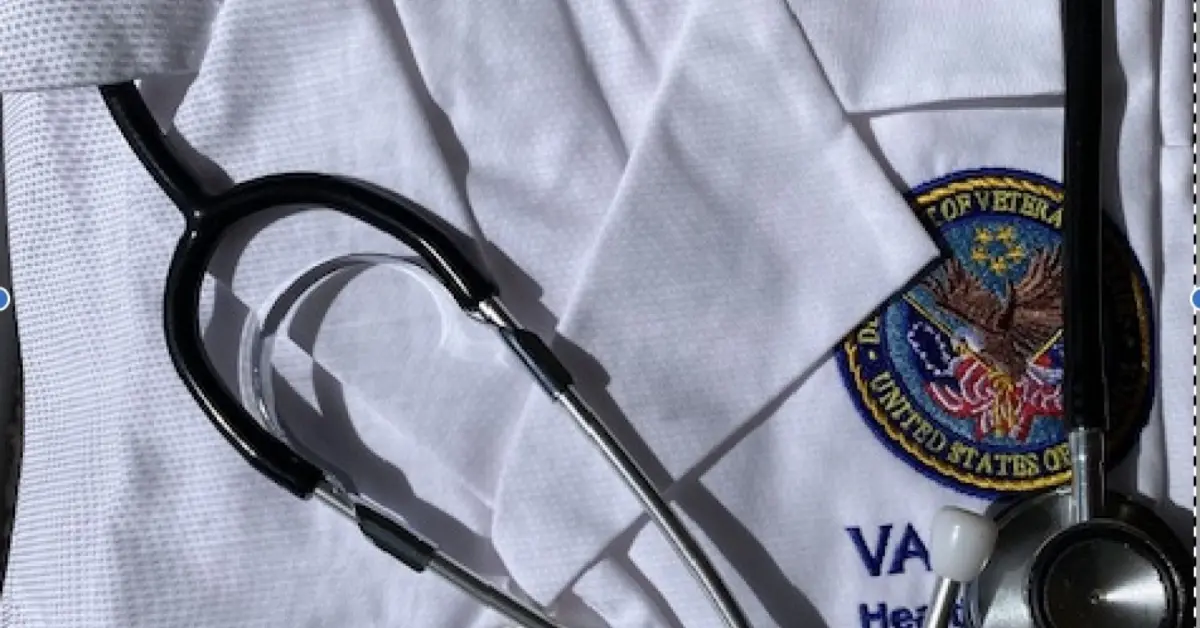
Yet, in crises ranging from localized emergencies to catastrophic national disasters, medical professionals occupy a vital space on the front lines, routinely risking their health and lives to rescue and save others. While they share the fundamental attribute of courage with those trained to fight physical obstacles and direct threats, medical first responders are uniquely distinguished by their primary, overarching mission: to preserve life, stabilize the ill and injured, and prepare them for healing, recovery, and the restoration of health.
Despite this critical frontline presence, nonmedical responders are far more frequently recognized as heroes, while medical professionals often remain seemingly overlooked in the public consciousness. To understand this disparity, one must examine how society conceptualizes the timeline of a crisis. Medical professionals are frequently perceived as second-line responders. The underlying, albeit flawed, logic dictates that physical threats and environmental obstacles must be neutralized, contained, or overcome before medical care can be safely and effectively administered. In an ideal scenario, lifesaving medical interventions are carried out in secure, stable areas far removed from immediate danger.
Furthermore, media coverage heavily influences public perception by capturing the most dramatic, high-contrast images of extreme incidents. Natural disasters, horrific bridge and building collapses, massive wildfires, active mass shootings, and the brutal realities of war command the attention of news outlets globally. Prominent in such gripping scenes are emergency personnel in uniform, while physicians, paramedics, nurses, and other healthcare specialists often operate unseen or deep in the background, working feverishly away from the camera lenses.
However, the reality of emergency response has evolved significantly over the last two decades. Modern responses to disasters and mass casualty events have increasingly benefited from hard-won lessons derived from battleground trauma, mass shootings, explosive device attacks, catastrophic plane crashes, and other complex crises. Collaborative, multidisciplinary efforts that apply advanced, combat-proven lifesaving measures directly at the scene have demonstrably improved survival rates. These integrated approaches continue to show immense promise for increasing positive medical outcomes in the field. Despite the growing presence, integration, and indispensable involvement of emergency medical professionals in disaster zones and high-stakes crisis events, society remains markedly less likely to recognize physicians and healthcare providers as heroes compared to firefighters and law enforcement officers.
A primary reason for this oversight is that the profound dangers medical providers face with unwavering courage and altruistic service are frequently invisible to the untrained eye. During the global COVID-19 pandemic, medical first responders stood at the epicenter of a biological threat, repeatedly risking death from the coronavirus. In mass casualty events, they step willingly into environments characterized by unknown contagions, hazardous toxins, and volatile violence.
Traditionally, courage is defined as taking decisive heroic action despite experiencing intense feelings of fear. The heavy psychological burden that courageous medical first responders shoulder is vividly evident in their heightened exposure to prolonged, cumulative stress. Empirical research underscores this reality: the prevalence of post-traumatic stress disorder is significantly higher among emergency medicine providers compared to other healthcare professionals and the general population at large.
Beyond PTSD, medical responders face elevated risks for a spectrum of severe mental health challenges, including chronic depression, anxiety, and the profound grief associated with mourning the loss of coworkers and patients. Because they are drawn to and deeply dedicated to their profession’s core mission of alleviating human suffering and promoting wellness, medical providers are acutely vulnerable to suffering vicariously with the patients and victims they treat. The deeper their compassion and the more astute their empathy, the more intensely they bear this psychological suffering.
True heroic acts are culturally understood to be those performed to save or protect the lives of others, and true heroes are defined as individuals who willingly accept risks to their own physical safety, psychological well-being, or health for the benefit of others. Measured against these rigorous standards, medical first responders undoubtedly qualify as heroes.
Yet, more often than not, they remain unsung heroes, persistently overshadowed by counterparts who carry more visibly imposing tools and weapons to combat the highly graphic, life-threatening perils of fire, explosions, gunfire, and structural collapse. While medical professionals rarely ask for public recognition, operating instead out of professional duty and human compassion, acknowledging their extraordinary service holds meaningful societal value. In an era dominated by enhanced imagery and rapid media consumption, formally recognizing their heroic contributions could bolster societal support for a demanding yet noble profession, ultimately aiding in the recruitment and retention of the next generation of healthcare providers.