
Balancing the demands of a career with the desire to explore the world has long been one of the defining challenges for modern professionals on the move. For digital nomads, the daily routine often involves a frustrating search for a reliable workspace, navigating the unpredictability of local coffee shop Wi-Fi, or struggling to remain productive while hunched over a cramped table in a hostel common room. The reality of remote work from the road frequently falls short of the idealized imagery often projected online, presenting genuine hurdles for those trying to maintain professional momentum while experiencing new cultures.
These logistical pain points historically forced remote workers to choose between the isolating experience of working entirely alone in private accommodations or sacrificing comfort and productivity in communal backpacker environments. However, the rapid expansion of the remote workforce in the post-pandemic era has catalyzed a significant shift in the travel and hospitality landscape. A new generation of coliving spaces has emerged, successfully bridging the gap between the structured utility of a professional coworking environment and the vibrant social atmosphere of traditional travel lodging, but with modern, upscale amenities tailored to working professionals.
Among the platforms leading this evolution is Outsite, a global network catering specifically to location-independent entrepreneurs, remote employees, and digital nomads seeking a seamless blend of productivity and community. Recent stays at locations such as the network’s property in Bordeaux, France, highlight how these spaces are transforming the day-to-day reality of working from abroad, offering a glimpse into the future of flexible global living.
What is Outsite?
Founded in 2015, Outsite originated from a single house in Santa Cruz, California, created by individuals seeking a balance between surfing and professional commitments. Over the past decade, the network has expanded significantly, growing to encompass more than 5,000 members and roughly 50 distinct locations worldwide. The platform allows travelers to browse properties through an online interface, filtering options by geographical destination or desired environment, whether that entails a coastal retreat, an urban center, or a mountain getaway, and booking private accommodations designed for long-term productivity.
While the properties are accessible to general travelers, the platform operates primarily on a membership model designed to reward frequent users. Individuals can opt for an annual membership fee or a one-time lifetime fee, which unlocks a tier of additional perks. These benefits include access to members-only properties, preferential rates, promotional flash sales, and specific logistical resources such as digital job and sublet boards. This structure reflects a broader trend within the travel industry toward building dedicated loyalty ecosystems for the growing demographic of location-independent workers who require consistent, reliable infrastructure rather than occasional vacation lodging.
How Does Outsite Work?
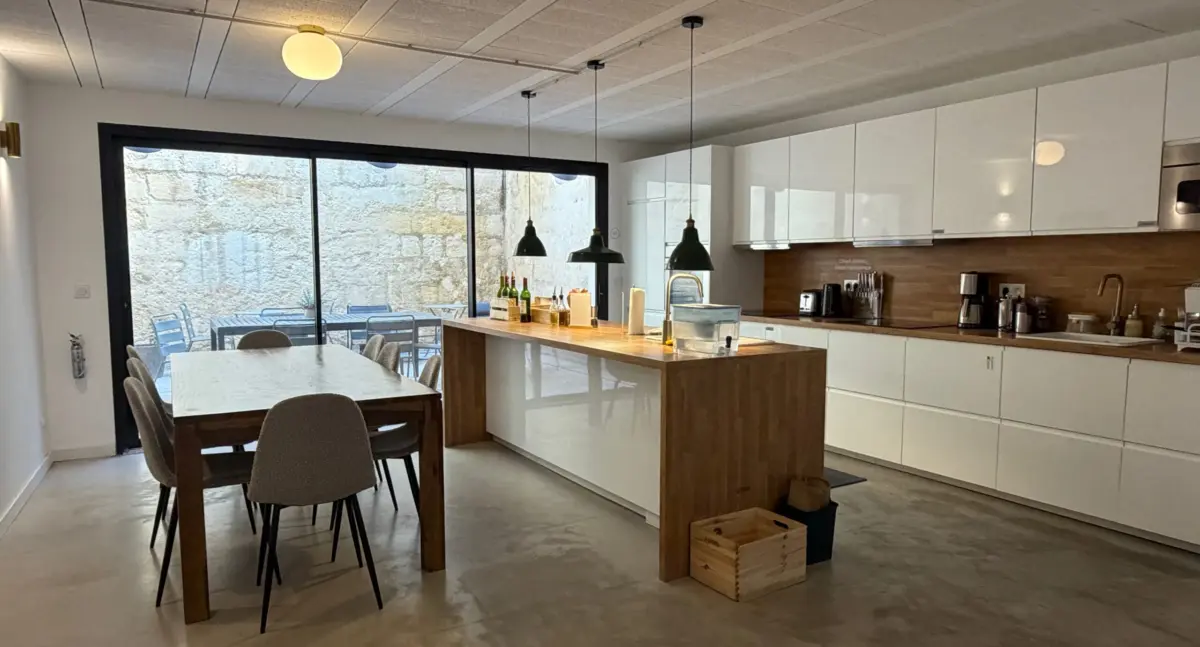
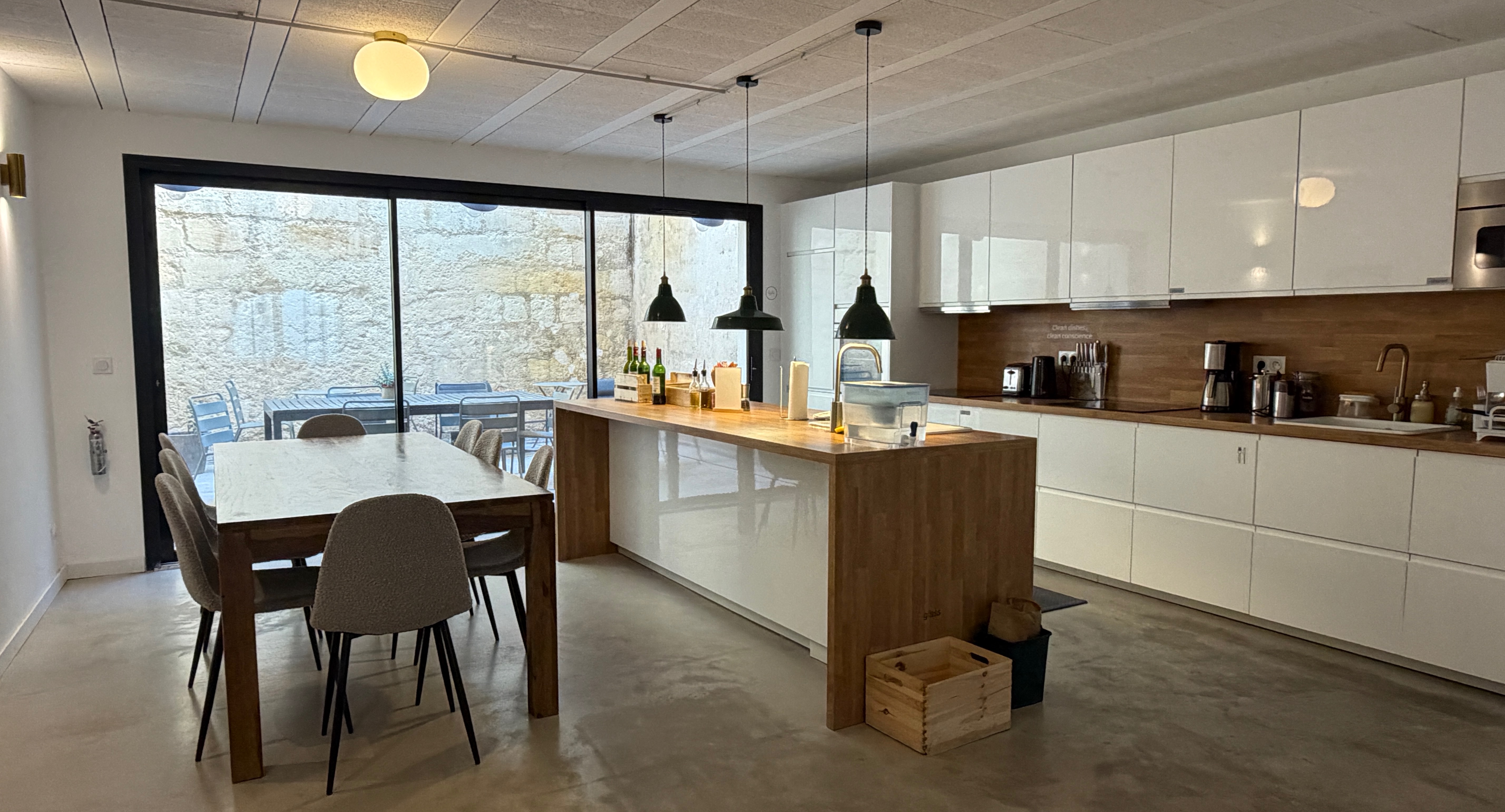
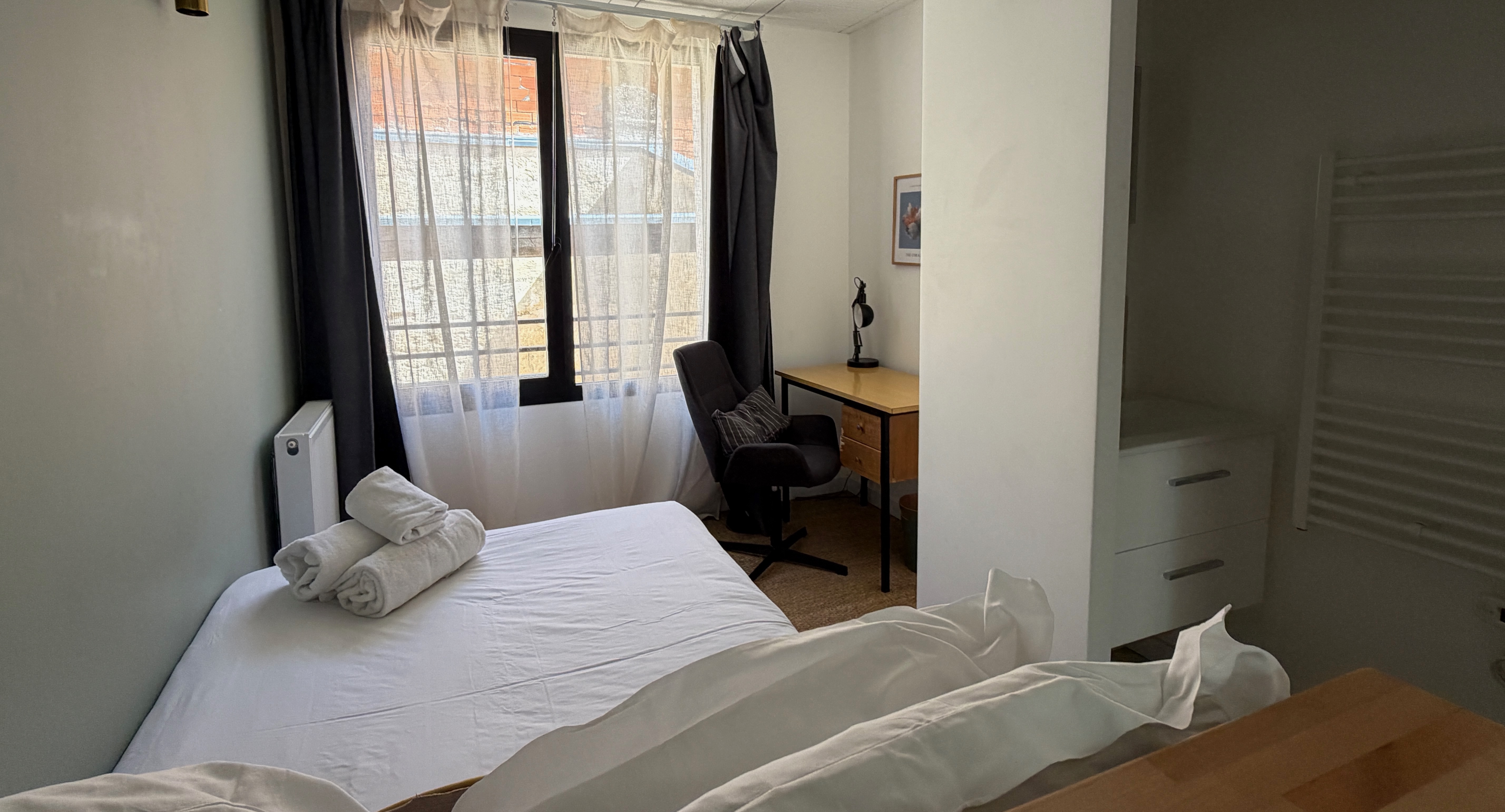
Operationally, Outsite functions as a hybrid between a boutique hotel and a shared professional office. Upon booking, guests secure a private bedroom, with most configurations featuring en-suite bathrooms, while more economical options provide private rooms with shared facilities kept to a minimal ratio. The physical layout of each property prioritizes expansive communal areas designed to foster social interaction, including fully equipped chef-grade kitchens, spacious living rooms, outdoor patios, and, depending on the geographic context, rooftop terraces or swimming pools.
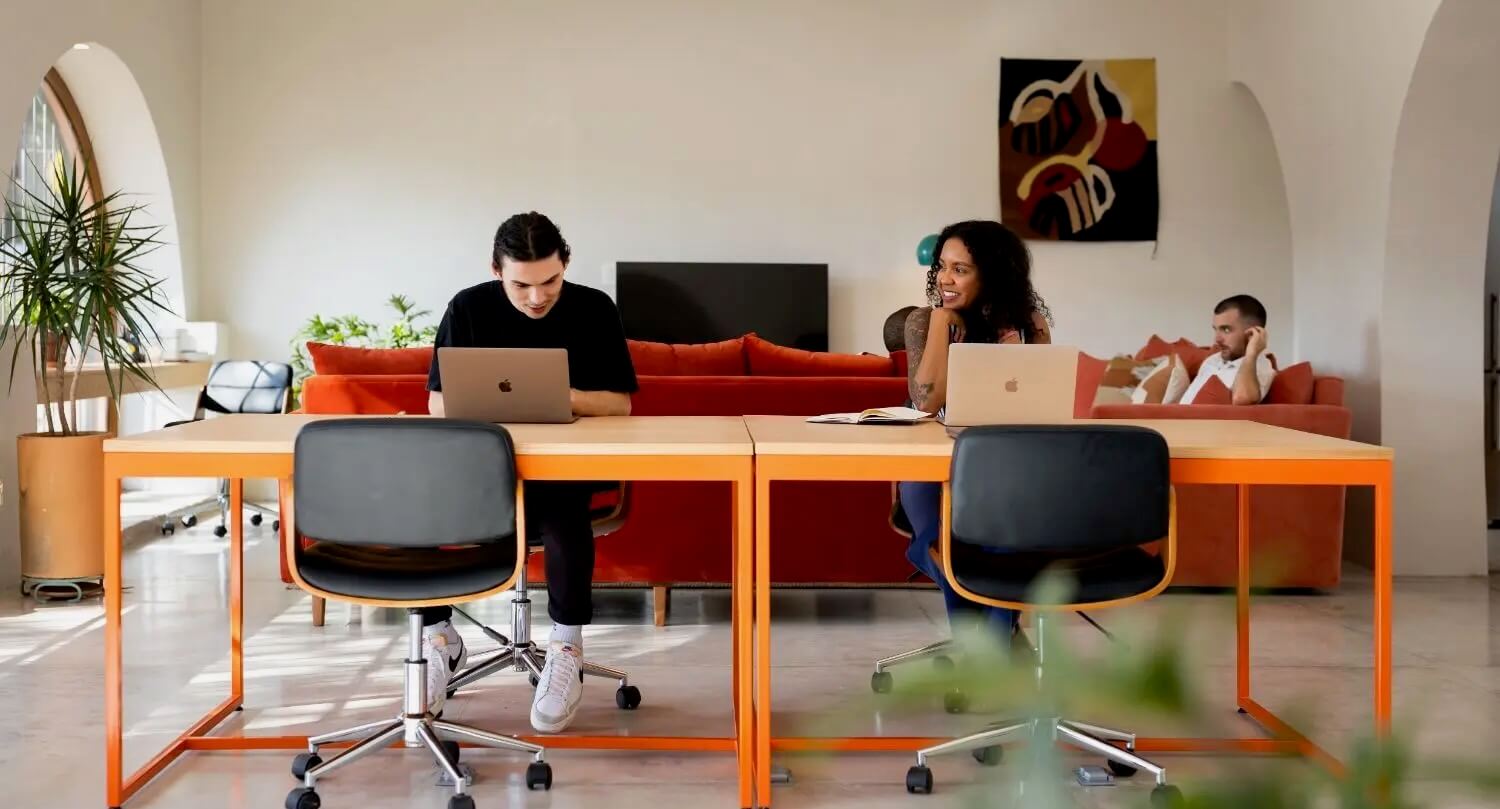
Crucially, every property integrates a dedicated coworking facility directly into the residence. Rather than forcing remote workers to venture out in search of adequate workspaces, these integrated offices provide ergonomic seating, abundant electrical access, external monitor compatibility, and enterprise-grade, high-speed internet connections. This layout allows guests to transition seamlessly from residential spaces to professional workstations within minutes of waking up.
Beyond physical infrastructure, the platform places a strong emphasis on community curation, addressing the isolation frequently reported by remote professionals. Each location operates under the guidance of a dedicated Community Manager. Before arrival, guests are integrated into local messaging groups, and managers coordinate regular social programming ranging from family-style communal dinners and weekend excursions to local culinary tours and wellness sessions. This administrative support extends to local expertise, with managers serving as resources for neighborhood recommendations and practical assistance during a guest’s stay.
Evaluating the Experience and Community Dynamics
A firsthand look at the network’s Bordeaux property reveals meticulous attention to detail in interior design and spatial planning. Modern furnishings, comprehensive laundry facilities, and integrated wellness spaces like small gyms complement the private rooms, which feature dedicated work desks and high-pressure bathroom fixtures. The shared kitchen facilities, maintained by daily cleaning services, provide an expansive environment for food preparation, complemented by complimentary coffee and tea services. The architectural choices lean heavily toward natural lighting, indoor vegetation, and local artistic touches, creating an atmosphere distinct from the sterile environment of traditional corporate hotels.
The primary value proposition for most participants, however, remains the social fabric of the community. Because remote work can frequently lead to professional and social isolation—particularly when operating within traditional tourist environments where peers maintain entirely different daily schedules—coliving spaces offer a crucial sense of shared purpose. Surrounded by peers navigating similar professional trajectories, guests find an environment where working long hours during the day is normalized and understood rather than viewed as a barrier to travel.
The demographic composition tends to skew toward working professionals in their late twenties, thirties, and forties who remain for extended durations, often spanning multiple weeks or months. This extended presence allows for deeper interpersonal connections, supported by the structured social events organized by local managers.
Practical Considerations and Limitations
Despite the advantages, the model presents certain trade-offs for travelers. Outsite properties are positioned as premium offerings and do not function as budget backpacker accommodations. Guests pay a clear financial premium for guaranteed workspaces, private rooms, and curated social networks. However, when evaluating the total cost of renting a standard private apartment while simultaneously maintaining a separate monthly subscription to a local external coworking space, the comparative economics often balance out favorably.
Furthermore, demand for the most sought-after destinations frequently exceeds supply. Highly desirable locations during peak seasons—such as urban hubs in Europe during the summer months or tropical retreats during the winter—require substantial advance planning, limiting the spontaneity often associated with traditional backpacking travel.
Logistically, the platform maintains specific operational boundaries. The minimum length of stay is typically established at two nights for most properties to accommodate weekend travel, though specific regional regulations, such as those governing short-term rentals in major metropolitan areas like New York, can necessitate thirty-day minimum bookings. Additionally, the shared nature of the communal kitchens and living spaces generally precludes the accommodation of pets, ensuring consistency in guest comfort and allergy management.
Ultimately, the proliferation of specialized coliving networks reflects a maturing remote work ecosystem that increasingly rejects the false dichotomy between professional advancement and global exploration. By integrating residential comfort, office-grade infrastructure, and curated social structures, platforms like Outsite demonstrate how the digital nomad lifestyle is evolving into a sustainable, long-term model for the modern professional workforce.