
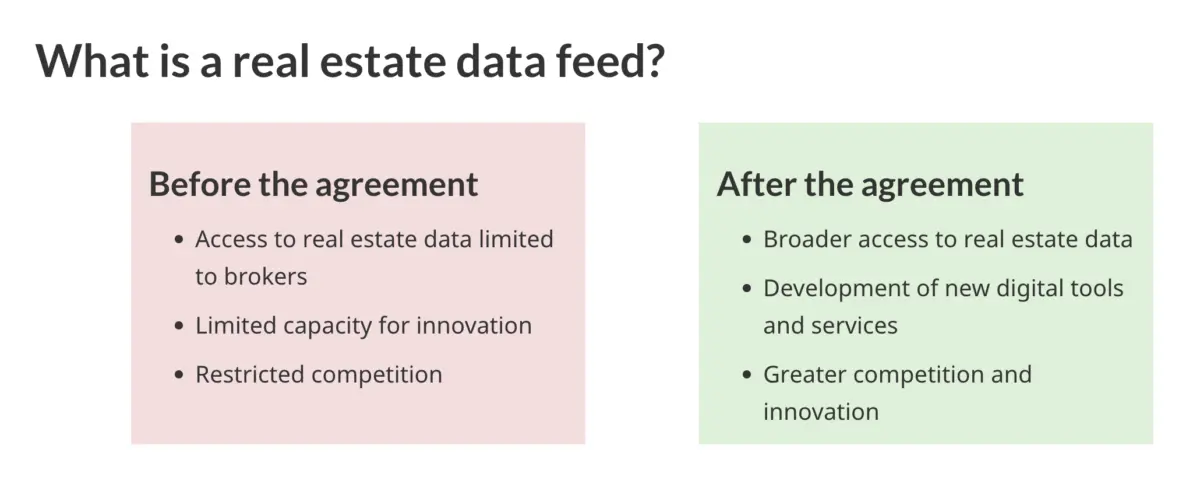
The Competition Bureau has successfully reached a formal settlement with the Quebec Professional Association of Real Estate Brokers (QPAREB) and its subsidiary, Société Centris, bringing to a close a multi-year investigation into anti-competitive practices within the province’s housing market. The federal watchdog concluded that the association and its subsidiary had violated the Competition Act through conduct that restricted access to critical real estate data, effectively amounting to an abuse of dominance in the market.
According to the Competition Bureau, QPAREB and Société Centris engaged in practices contrary to the act’s abuse of dominance provisions by refusing or failing to provide their members with a comprehensive real estate data feed. Furthermore, the organizations imposed stringent restrictions on how the information could be used by brokers, a dynamic that the regulatory body determined was likely to stifle innovation and severely limit competition within the real estate brokerage services market across Quebec.
Under the terms of the newly minted consent agreement, QPAREB is now required to provide its members with access to an expansive data feed containing essential information relevant to real estate transactions. This includes historically guarded details such as final sale prices, detailed listing histories, and specific property characteristics.
Crucially, these structural changes will also empower real estate brokers to provide buyers and sellers with direct access to vital property information—including sold-property data—through secure online platforms commonly known as virtual office websites, or VOWs. The legally binding settlement has been officially registered with the Competition Tribunal and will remain in effect for a duration of 10 years, carrying the exact same legal force and effect as a court order.
More Tools for Brokers and Clients
For the province’s real estate professionals and consumers alike, the settlement promises a significant expansion of available resources. Nathalie Bégin, director of brokerage practice at QPAREB, emphasized that the agreement will unlock fresh opportunities for brokers to develop proprietary technology and elevate the standard of service they deliver to their clients.
Reflecting on the timeline for implementation, Bégin noted that the upcoming months will be crucial for rolling out the necessary infrastructure. Over the next 12 months, as the system is systematically put into place, real estate brokers and agencies across the province will find themselves equipped with a far broader array of digital tools to navigate the marketplace.
In addition to facilitating the deployment of VOWs—secure, password-protected websites operated by real estate brokerages that allow clients to review specific property details and online brokerage services—the automated data feeds are expected to catalyze further technological evolution. The Competition Bureau highlighted that these feeds could assist brokerages in developing sophisticated property comparison tools, advanced market valuation services, and dynamic data visualization platforms.
Bégin pointed out that a significant segment of QPAREB members, particularly those with a strong interest in technology and independent platform development, had been advocating for broader data access for years. These forward-thinking professionals have long desired direct access to comprehensive market data so they could build custom tools tailored specifically to serving their customer base. At the same time, she clarified that while the tools will be readily available, brokerages will not be under any mandatory obligation to develop new technology or roll out additional services if they choose not to.
Competition Bureau Investigated Restrictions
The path to this settlement began in 2023, when the Competition Bureau officially launched its comprehensive investigation into QPAREB’s data-sharing practices. As the probe deepened, the federal watchdog utilized its regulatory powers to obtain a Federal Court order, compelling the association to hand over detailed information concerning the tangible effects of its data restrictions as well as the underlying rationale for maintaining them.
Throughout the inquiry, the bureau maintained a consistent stance: broadening access to real estate data is essential for fostering a competitive environment, elevating market transparency, and enabling brokers to craft services that equip consumers with the comprehensive insights they need when buying or navigating the sale of a property.
Jeanne Pratt, interim commissioner of competition, underscored the significance of the agreement in a public statement, emphasizing the critical role that housing data plays in the lives of Quebec residents. Real estate data, she noted, is foundational to some of the most monumental financial decisions that Quebecers make throughout their lives. By securing this agreement, the bureau aims to actively promote innovation, enhance marketplace competition, and support consumers in making well-informed choices through unrestricted, complete access to transaction data.
Quebec’s Privacy Laws Complicate Data Access
The resolution in Quebec mirrors a historic precedent established nearly a decade ago. The current settlement builds directly upon a landmark 2016 Competition Tribunal decision involving the Toronto Real Estate Board, now known as TRREB. That pivotal ruling fundamentally reshaped how real estate boards across the country handle member data. According to the Competition Bureau, most major real estate associations nationwide swiftly adjusted their data-sharing practices in the wake of that decision to align with the tribunal’s findings.
However, the implementation of similar transparency measures in Quebec encountered unique regulatory hurdles. Bégin explained that Quebec’s notoriously strict privacy legislation introduced a layer of complexity that set the province apart from the rest of Canada, delaying the transition. She maintained that QPAREB was never fundamentally opposed to expanding data access, but rather had to exercise extreme caution to ensure that any information-sharing framework strictly adhered to provincial legal standards.
Handling personal information in Quebec involves navigating a very rigorous regulatory landscape, Bégin observed, requiring the association to meticulously evaluate privacy compliance before greenlighting consumer-facing data access. Ensuring that every measure harmonized with existing regulations made the process inherently more challenging than it was in other jurisdictions.
Pierre-Olivier Simard, president of QPAREB’s board of directors, echoed these sentiments in the association’s official announcement. He highlighted that the finalized agreement is the culmination of several years of dedicated effort aimed at engineering a tailored solution that respects Quebec’s distinct legal framework, particularly its robust protections surrounding personal information.
Changes to Roll Out Over the Next Year
With the legal framework now settled and registered with the tribunal, QPAREB is turning its focus toward execution. The association confirmed it will methodically implement the sweeping measures outlined in the agreement over the coming 12 months. This rollout will be carefully managed to ensure continuous compliance with all relevant provincial legislation, including the Real Estate Brokerage Act and Quebec’s stringent privacy statutes.
As these changes take effect over the next year, the introduction of virtual office websites will offer clients an innovative, alternative avenue for accessing trusted real estate information directly through their chosen brokers. Concurrently, the implementation of automated data feeds is poised to grant agencies the creative freedom to build their own proprietary services, ultimately broadening the ecosystem of tools available to home buyers and sellers across Quebec.