

When Brooklyn-based food writer, recipe developer, and cookbook author Casey Elsass decided to shoot for the stars and request an interview with his ultimate culinary idol, Ina Garten, he did so with a simple philosophy: "You miss 100% of the shots you don’t take." Knowing that the beloved culinary icon was preparing to publish her latest cookbook, Simply Ina, Elsass put the request out into the universe. Thanks to the coordination of the team at Cup of Jo, the meeting was scheduled. When an editor called to confirm the strict date and time, assuring him it was firm, Elsass did not hesitate, noting that literally nothing could be more important and that he was ready to clear his entire schedule.

That leap of faith led to an hour-long, face-to-face conversation over Zoom between Elsass and Garten, a woman whose approach to home cooking has shaped generations of kitchens. Described by colleagues as a generous laugher, Elsass found a kindred spirit in Garten, with the two sharing plenty of lighthearted moments as they dove into a conversation about cooking, inspiration, and longevity in the food world. Now 14 cookbooks into a legendary career, Garten continues to find fresh ways to inspire home cooks, proving that simplicity and flavor can seamlessly coexist.
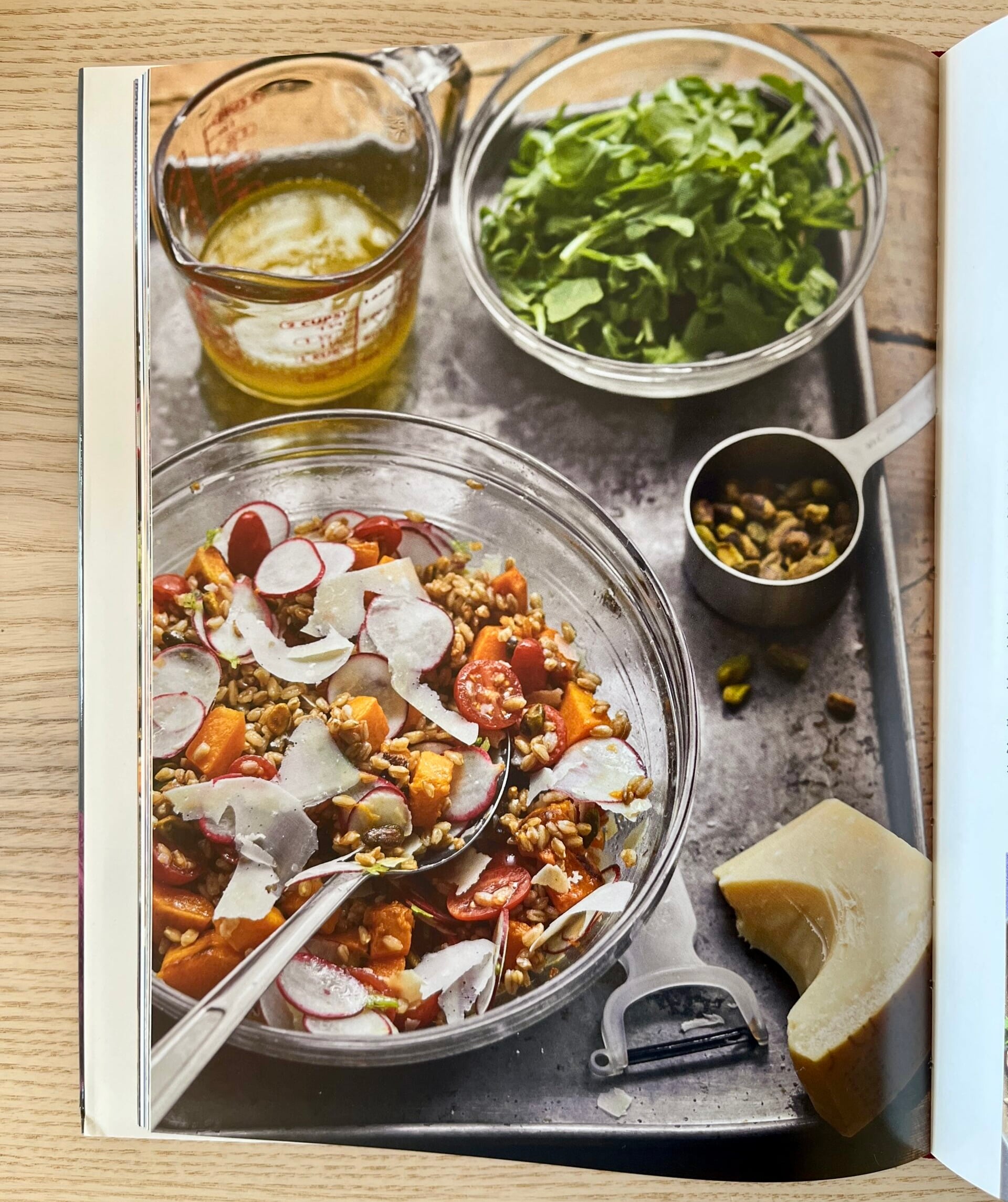
In their wide-ranging conversation, Garten discussed the endless sources of inspiration that fuel her work, whether she is traveling abroad or exploring local spots. She recalled a recent trip to the South of France, where a local restaurant served a bourbon sour infused with chocolate liqueur and vanilla. Calling it the best drink she had ever tasted in her life, she immediately came home and recreated it. Similarly, her new book features a seasonal twist on the famous farro salad from Charlie Bird in New York City. After speaking with chef Ryan Hardy about his seasonal variations, Garten was inspired to develop an autumn version incorporating butternut squash, which turned out to be fabulous.

The core premise of Simply Ina addresses a fundamental question for modern home cooks: how to create something wonderful without making the process harder than it needs to be. Reflecting on how her own kitchen habits have evolved over the decades, Garten noted that her recipes have not necessarily gotten simpler, but rather that she has become much better at identifying high-quality shortcuts and substitutes. She pointed to readily available items like Rao’s marinara sauce, which eliminates the need to spend hours making a homemade sauce from scratch.
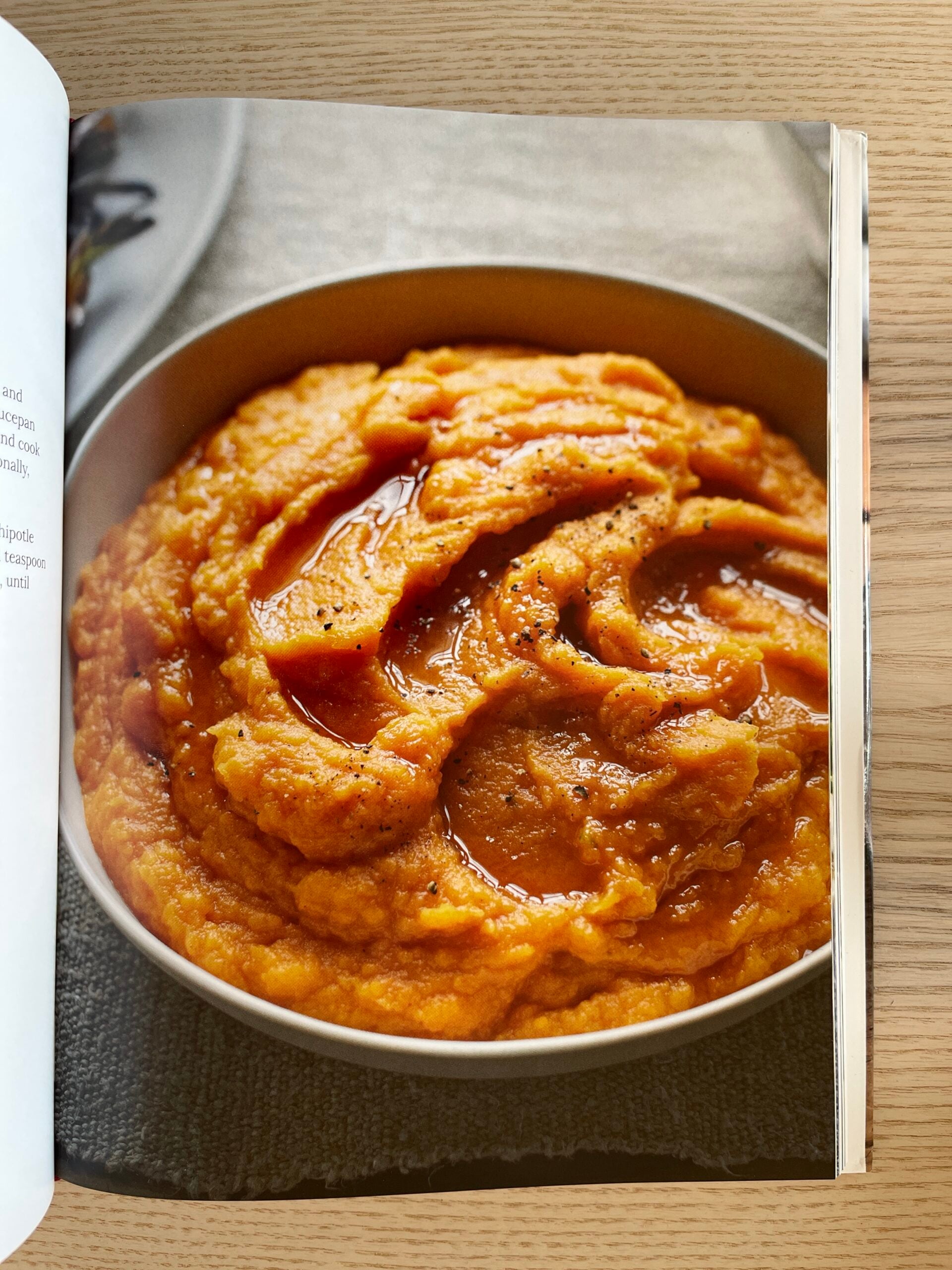
For Simply Ina, she developed a recipe for Chipotle Maple Mashed Sweet Potatoes after discovering pre-made mashed sweet potatoes at Trader Joe’s that genuinely impressed her. By adding chipotle powder, maple syrup, butter, salt, and pepper to the store-bought base, she created a dish where, as she joked, nobody would ever know she hadn’t spent time roasting a sweet potato from scratch. Her discovery of Trader Joe’s prepared foods even led to a moment of disbelief during her first visit, when she brought several items to the register and was stunned by the total, prompting her to marvel at how accessible convenient food has become.

Garten maintains a remarkably clear and rigorous definition of what constitutes an "Ina recipe." When evaluating whether a dish belongs in a cookbook, she focuses heavily on enhancing the primary ingredient so that it tastes profoundly like itself. Seasoning is deployed to amplify core flavors, butter is added for richness and an unctuous mouthfeel, and other components are balanced with precision. She maintains a strict rule regarding complexity, noting that if a recipe requires more than three primary flavors, it simply gives her a headache.
Every recipe that makes it into Garten’s books undergoes extensive testing, often up to 20 times. She carefully evaluates each component, asking whether the flavor is distinct enough to justify a reader getting into their car, driving to the grocery store, purchasing the item, bringing it home, and leaving the remainder on their shelf. Every single ingredient must earn its place. Her ultimate goal remains getting people to cook, operating on the belief that when people cook, others show up, building a tangible sense of community. The simpler the recipe, she reasons, the more likely people are to actually make it.
Beyond the kitchen, Garten has expanded her media footprint with her podcast, Happy Hour, a medium that has allowed her to explore a new skill: interviewing. Drawing on her lifelong interest in people, she has honed the art of following up on guest responses rather than just rushing to the next question, finding that the unscripted detours are where conversations truly come alive. Reflecting on her guests, she shared how a simple embrace can instantly put people at ease, recalling mutual nervousness when meeting fellow culinary figures like Alison Roman and writer Michael Lewis, where a warm hug cleared the air instantly.
Despite dramatic shifts in restaurant culture and food media over the years, Garten’s fundamental point of view has remained remarkably singular. While restaurant food has undergone countless trends, she believes home cooking has stayed true to its roots, with people ultimately craving simple, comforting meals like roast chicken, carrots, and coconut cupcakes. Even so, she is not entirely resistant to change, occasionally introducing modern ingredients like truffle butter to elevate classic staples such as egg salad, acknowledging that culinary standards and palates have evolved since her earliest books were published.
Closing out the interview with a fast-paced lightning round, Garten shared a handful of her personal favorites and pet peeves. She named In-N-Out’s Double-Double Animal Style burger—noting it is Julia Child’s classic order—as her favorite fast food. For ice cream, she swears by Häagen-Dazs Vanilla Bean, insisting that making vanilla ice cream at home is unnecessary when a superior commercial option already exists. Her absolute must-have kitchen staple is good butter, specifically beurre de baratte with flaked sea salt for its crunch and flavor, while cilantro remains a culinary enemy she simply cannot understand.
When cooking at home, she prefers listening to Pink Martini, and her most-used digital expressions are the red heart and the sideways laughing emoji. For comfort viewing, she turns to Nancy Meyers’ film Something’s Gotta Give. And if she could teleport anywhere in space and time for a single meal, she would choose Le Voltaire in Paris for its classic, elegant, and simple French food, followed by a quiet walk home through the Parisian night.