
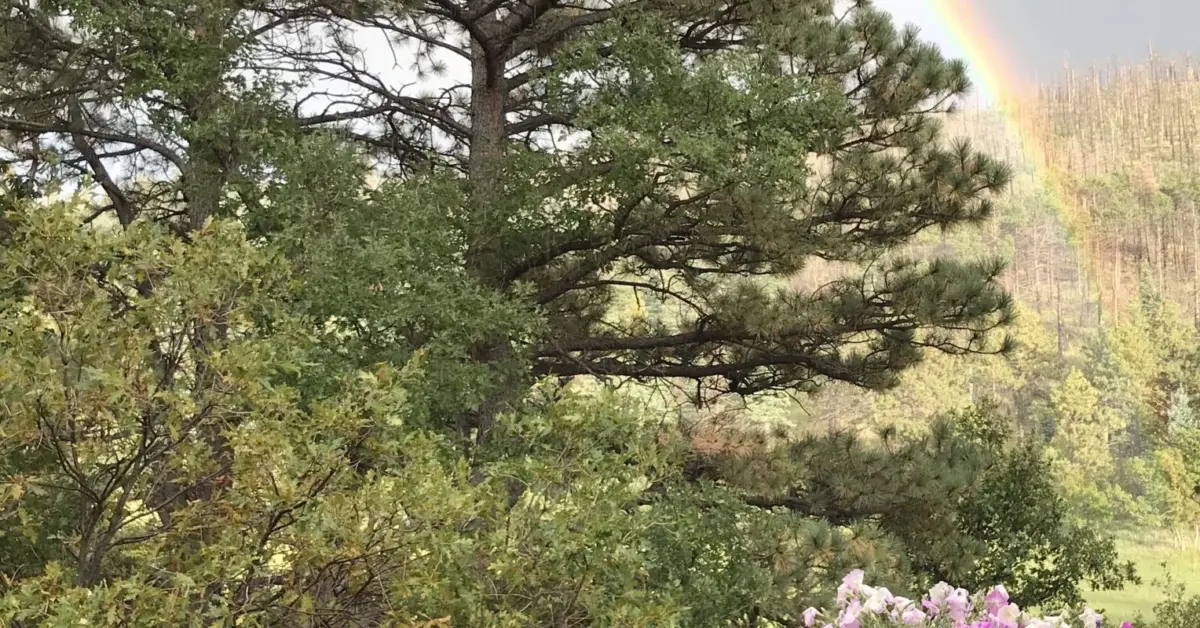
For years, the daily routine remained remarkably consistent. As an avid walker and keen observer of the physical world, the author spent countless hours studying the architectural details of neighborhood houses, observing the shifting ecosystems of nearby ponds, and taking in the quiet majesty of evergreen trees near a family mountain cabin. These daily excursions served a vital purpose, offering a reliable source of energy and mental equilibrium. Without them, the narrator notes, personal well-being quickly deteriorates into a sense of internal stagnation and unease.
Like many modern internet users, the author routinely documented these walks for an audience of social media connections, posting photographs captured along the way and accompanying them with a simple, functional caption: "morning walk." However, a significant shift occurred a few months ago. Without warning or grand orchestration, those routine labels were quietly altered to "morning prayer."
This subtle transformation did not emerge in a vacuum. The idea took root, as many profound reflections often do, during a casual lunch conversation with a close friend. The companion was visibly distraught over the current sociopolitical climate of the nation, expressing a deep sense of despair and a prevailing belief that traditional acts of civic resistance had been rendered futile. "I think all I have left is prayer," the friend remarked during the meal. The sentiment resonated deeply, striking a chord with feelings that had been quietly brewing for some time. "I told her I’d been feeling the same thing," the author recalls.
Mulling over the conversation in the days that followed, the decision was made to consciously reframe these photographic dispatches from the natural world, transforming them from simple snapshots into intentional acts of prayer and sharing them publicly with digital networks.
The transition was not entirely without hesitation. Initially, the author felt a distinct sense of discomfort and self-consciousness, harboring a quiet anxiety about how the sudden pivot might be perceived by peers and acquaintances. There was a lingering fear of coming across as self-righteous or sounding like a religious zealot. This hesitation speaks to a broader cultural phenomenon, particularly among political liberals who all too frequently conceal their personal spirituality behind a veneer of secular politeness or social decorum. Yet, a closer examination of these social circles reveals a different reality: a significant majority of like-minded friends are actually regular churchgoers, and active participation in church communities remains an essential, grounding component of their daily lives.
While the author does not view herself as an overtly prayerful person in the traditional sense, a lifelong relationship with prayer has always existed in one form or another. This foundation was laid early through formal education, having attended Catholic schools continuously from the first grade all the way through high school. During childhood, church attendance was a fixture of the week—observed faithfully on most Sundays and frequently on weekdays as well. Carrying a small white leather prayer book became a routine until the inevitable arrival of adolescence, when such pious accessories suddenly felt far too uncool to maintain. During Mass, the young student would frequently daydream, yet the familiar rhythm of the prayers was always followed, eventually revealing a deeply meditative quality.
Despite years of formal religious instruction, the author modestly disclaims any qualification to engage in deep theological discussions. Nevertheless, those formative years left a lasting imprint, further enriched by the wisdom of numerous holy women counted among close friends today. These individuals have imparted a liberating lesson: while prayer can certainly be formal and structured, it does not have to be. It can function as an essential pillar of a formal religious service, yet it equally exists entirely outside the confines of institutional religion. For the author, it is perhaps within that external, uncodified space that prayer finds its truest and most resonant home.
As the practice evolved, the nature of the online posts expanded to match the rhythms of the seasons. The morning Facebook prayers initially began as simple photographs of the sunrise viewed from a home balcony. This early phase was born out of necessity, as the winter weather was simply too harsh for extended walks, and the surrounding natural world appeared stark and monochromatic. Even so, witnessing the sunrise felt inherently sacred—an undeniable act of God. Before long, the collection grew to include striking shots of evening sunsets or the pale glow of the moon, serving as evening prayers.
With the arrival of spring, the visual palette transformed dramatically. The timeline began to bloom with photographs of vibrant irises and roses, serene ponds, and the tender green of budding trees. On days when the natural world offered an abundance of visual wonder, an afternoon prayer was occasionally added to capture the spillover beauty. Now, as the calendar turns, those daily offerings sparkle with the rich, warm gold of autumn.
For the author, capturing and sharing these images provides a much-needed structural pause in a fast-paced world. The process offers a deliberate opportunity to stop, breathe deeply, offer gratitude, ask for guidance, express sorrow, or simply attend to whatever spiritual needs arise in the moment. Friends and followers on social media are given a choice: they can pause to join in the reflection, or they can simply scroll right past. There is no evangelical mandate or command telling others that they must pray; rather, the practice is simply an authentic sharing of what cultivates a prayerful spirit within the author.
This personal spiritual revival acknowledges a complicated historical reality. Religion and institutional faith do not always translate to goodness and virtue; tragically, throughout human history, they have frequently meant the exact opposite. However, the act of prayer itself belongs to no single institution, and anyone can partake in it. Daily documentation of nature’s enduring beauty provides a reliable anchor, offering a compelling reason to pause, inhale deeply, and give thanks.
In the modern digital landscape, this habit serves as a vital antidote to online toxicity. "It’s much better than inhaling the venom that too often fills my screen," the author observes.
The profound impact of this simple practice was recently underscored by an unexpected interaction. A former student reached out via direct message to express heartfelt gratitude for a photograph of a flower that had just been posted as a morning prayer. The image struck a deep chord, reminding the former student of her mother, who had passed away a couple of years prior. The message arrived in the evening, sparking a tender, comforting virtual conversation that stretched late into the night, right before the author prepared for sleep.
"I’m so glad we reconnected," the former student wrote.
"Me too," the author replied.
In that quiet exchange, the author found a profound sense of meaning, recognizing the interaction as a direct answer to prayer. Drifting off to sleep that night brought a gentle convergence of memories: the recollection of a beloved mother, the image of a blooming peony, and the cherished connection with a former student. When morning arrived, bringing with it the familiar temptation to linger in bed and embrace laziness, the author made a different choice. Clothes were put on, the phone was retrieved, and the walk to the park began anew—ready once again to seek out prayers in the world.