
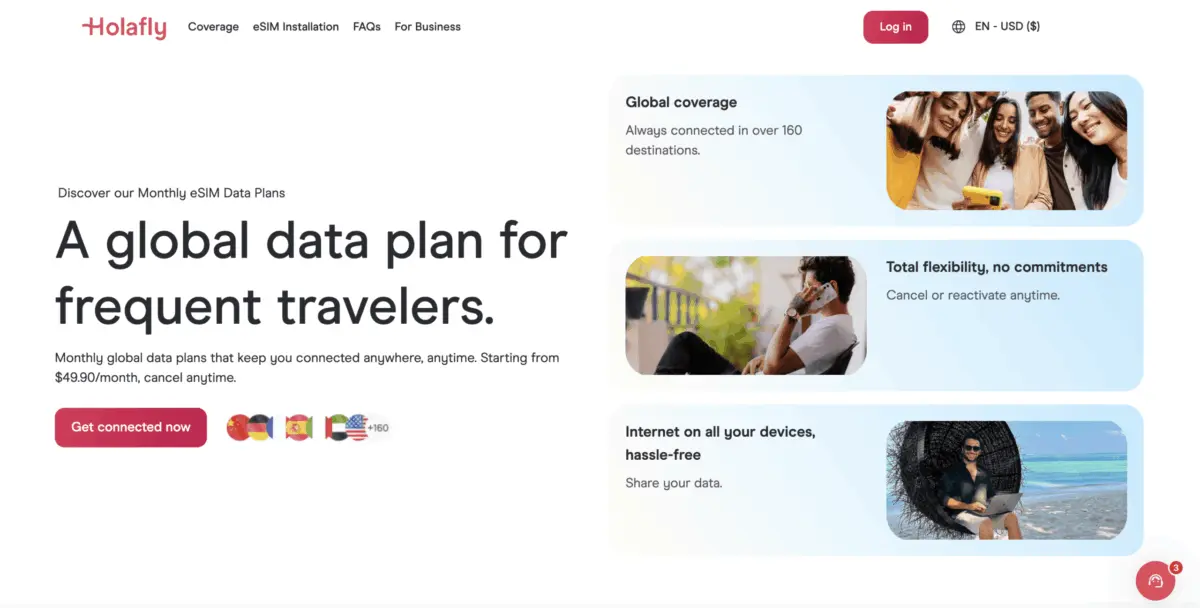
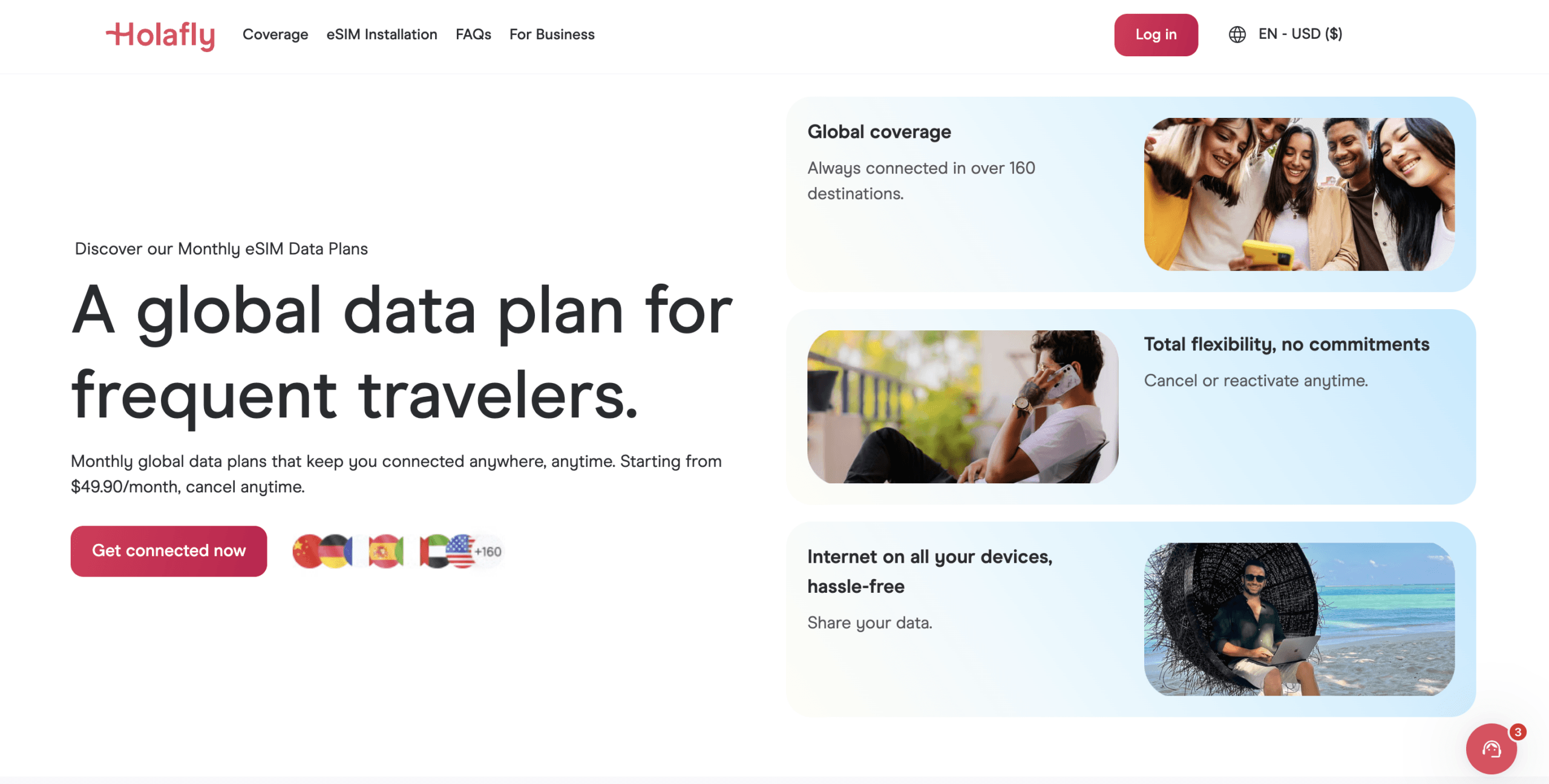
Travel connectivity provider Holafly has introduced a new subscription service designed to streamline mobile internet access for international travelers, digital nomads, and frequent flyers. The new offering, titled Holafly Plans, provides continuous, borderless cellular coverage across more than 160 destinations under a single ongoing subscription. Unlike traditional temporary digital SIM cards that require separate purchases for individual countries or short-term trips, the new service functions as a standing mobile plan that automatically reconnects users upon arrival in a new country.
The introduction of the global subscription addresses a growing segment of the travel market comprising remote workers and long-term tourists who spend months away from their home countries. Traditional travel eSIMs typically require users to select a specific destination, purchase a set amount of data for a defined number of days, and install a new configuration profile or scan a fresh QR code whenever their travel itinerary changes. In contrast, the newly launched plans aim to eliminate the administrative friction of border crossings by maintaining a single active profile indefinitely.

The service is structured into two main tiers: Light and Unlimited. The Unlimited Plan removes data caps entirely and includes unrestricted hotspot tethering, allowing users to connect laptops and other devices to the internet while on the move. Additionally, this tier incorporates a local phone number originating from the United States, the United Kingdom, or Canada, enabling users to receive SMS verification codes and text messages globally. The Light Plan provides a monthly allotment of 25 gigabytes of data, retains hotspot capabilities, and operates across the same geographic footprint of more than 160 destinations, making it suitable for moderate users who primarily rely on navigation tools, messaging applications, and casual web browsing.
Both subscription tiers include an automatic backup feature known as "Always On," which provides subscribers with one gigabyte of emergency data every month for life once the plan has been activated, even if the user eventually cancels the primary subscription. Pricing for the service varies depending on regional currency and the chosen billing cycle, with options available for monthly, quarterly, and annual payments. Quarterly billing offers a reduction of approximately ten percent, while annual commitments yield savings of about fifteen percent. For instance, the unlimited tier is priced at approximately fifty-five dollars per month when purchased as a one-year commitment, presenting a cost-effective alternative to international roaming packages offered by traditional domestic mobile carriers.
Industry comparisons highlight distinct differences between classic single-destination eSIMs, major carrier international roaming passes, and the new subscription model. Classic Holafly eSIMs remain optimized for short-term vacations, such as a two-week trip to a single country, where a one-off purchase provides a simpler and more economical solution for travelers taking only one or two trips per year. However, for individuals who are continuously mobile and transitioning between multiple countries on a monthly basis, standing global subscriptions offer significant financial and logistical advantages over traditional carrier roaming add-ons, which often incur high daily fees or throttle high-speed data allocations after a modest threshold.
While traditional major network carriers in markets like the United States frequently charge upward of one hundred to three hundred dollars per month for international passes or impose strict speed limitations, the new global plans provide continuous high-speed connectivity at a lower baseline cost. Furthermore, the subscription model circumvents the need to repeatedly purchase local physical SIM cards upon arrival at international airports, a process that historically involved lining up at kiosks, swapping out hardware trays, and dealing with potential service drops or incompatibilities at international borders.
The onboarding process for the subscription is conducted entirely digitally through the provider’s application interface, utilizing embedded subscriber identity module technology already built into the hardware of modern smartphones. Because the technology is entirely software-based, a single compatible mobile device can store multiple digital profiles simultaneously, allowing users to maintain their primary home telephone number alongside international travel plans without physically manipulating the hardware. Customer support channels remain accessible twenty-four hours a day to assist users with technical setup or connectivity troubleshooting across different time zones.
Market positioning for the new service specifically targets long-term travelers and location-independent professionals whose livelihood depends on reliable, uninterrupted internet access rather than casual vacation browsing. While brief holiday travelers may find standard destination-specific data packages more economical, frequent cross-border travelers stand to benefit from the elimination of recurring purchase cycles, boundary disconnects, and prohibitive roaming fees. The launch reflects a broader industry shift toward flexible, software-driven telecommunication services designed to match the evolving lifestyle patterns of modern global mobility.