
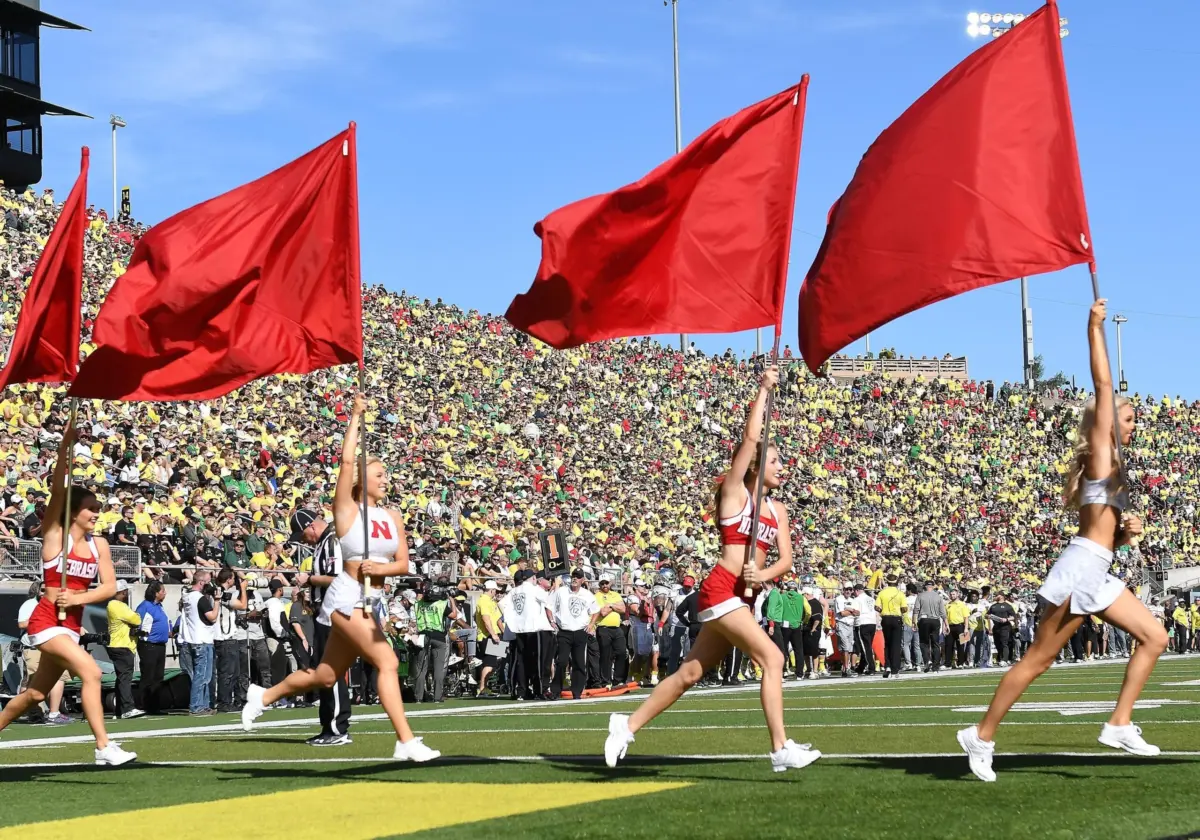
When college football fans talk about historic intersectional rivalries, electric home-field advantages, and storied programs clashing on the gridiron, few settings match the high-octane atmosphere of Autzen Stadium in Eugene, Oregon. It was on this vibrant turf on September 9, 2017, that a memorable chapter in the broader landscape of college football unfolded as the Nebraska Cornhuskers traveled west to face the Oregon Ducks. The game served as a focal point for sports enthusiasts nationwide, bringing together two proud fanbases with deep traditions, distinctive identities, and passionate followers who traveled from across the country to witness the spectacle in person.
The matchup itself carried immense intrigue, pitting the storied tradition of Nebraska’s legendary program against the modern, fast-paced powerhouse that Oregon had built over the preceding decades. For supporters of both teams, the game was more than just a regular-season contest; it was a clash of cultures within the collegiate athletics landscape. Nebraska, recognized globally for its rich history of national championships, iconic Blackshirt defenses, and a fiercely loyal fan base that fills Memorial Stadium week in and week out, brought its traditional brand of football to the Pacific Northwest. On the other side, the Oregon Ducks represented the cutting edge of college sports, famous for their high-tempo offense, innovative branding, and the deafening, hostile environment generated inside Autzen Stadium.

As kickoff approached on that September afternoon, the anticipation inside the stadium was palpable. The air was charged with the electric energy typical of major college football Saturdays, amplified by the presence of thousands of passionate fans clad in either the iconic scarlet and cream of the Cornhuskers or the vibrant green and yellow of the Ducks. For the Nebraska cheerleaders, coaching staff, and players, stepping onto the turf at Autzen Stadium meant facing one of the most notoriously loud and intimidating venues in all of collegiate sports. The stadium, known for its unique architectural design that traps sound and directs it straight toward the field, creates an acoustic challenge for any visiting team attempting to communicate through a complex offensive playbook.
Throughout the contest, the ebb and flow of the game provided the dramatic moments that define autumn Saturdays across America. College football is a sport uniquely capable of delivering swings of momentum, and the matchup in Eugene was no exception. Big plays, defensive stands, and explosive offensive drives kept the crowd on the edge of their seats from the opening whistle. Every score was met with thunderous roars from the home supporters, while pockets of dedicated Nebraska fans made their presence known, cheering passionately as their team fought to establish dominance on the road.
Moments from games like this often leave lasting impressions on the players and the programs involved, etching themselves into the collective memory of the respective fanbases. For the Cornhuskers, competing in hostile territory against a premier Pac-12 opponent offered a rigorous test of resilience and character early in the competitive calendar. Traveling across multiple time zones to play in front of a capacity crowd of hostile spectators demands a high level of mental toughness and physical endurance, qualities that both coaching staffs continually emphasize to their athletes.
The significance of intersectional games of this caliber extends far beyond the immediate outcome on the scoreboard. They capture the attention of the broader sports media landscape, drawing massive television audiences and sparking debates among analysts and pundits regarding regional supremacy and national rankings. Matches between historic brands like Nebraska and energetic modern contenders like Oregon highlight the evolving nature of college athletics, where tradition meets innovation on a weekly basis during the autumn months.
As the game progressed, the competitive fire on the field reflected the high stakes of the non-conference showdown. Players traded blows in a physical contest that tested the limits of their training and preparation. The vibrant visual spectacle of the event—highlighted by the contrasting team colors, the precision of the marching bands, the energy of the cheer squads, and the relentless noise of the partisan crowd—encapsulated everything that makes college football a unique cultural phenomenon in the United States.
Even years after the final whistle blew in Eugene, the memories of September 9, 2017, remain vivid for those who watched the action unfold live from the stands or through television broadcasts nationwide. It stands as a reminder of the enduring appeal of college football, where historic programs cross paths, passionate fanbases unite under common banners of school pride, and unforgettable moments are forged on autumn afternoons across the country.