
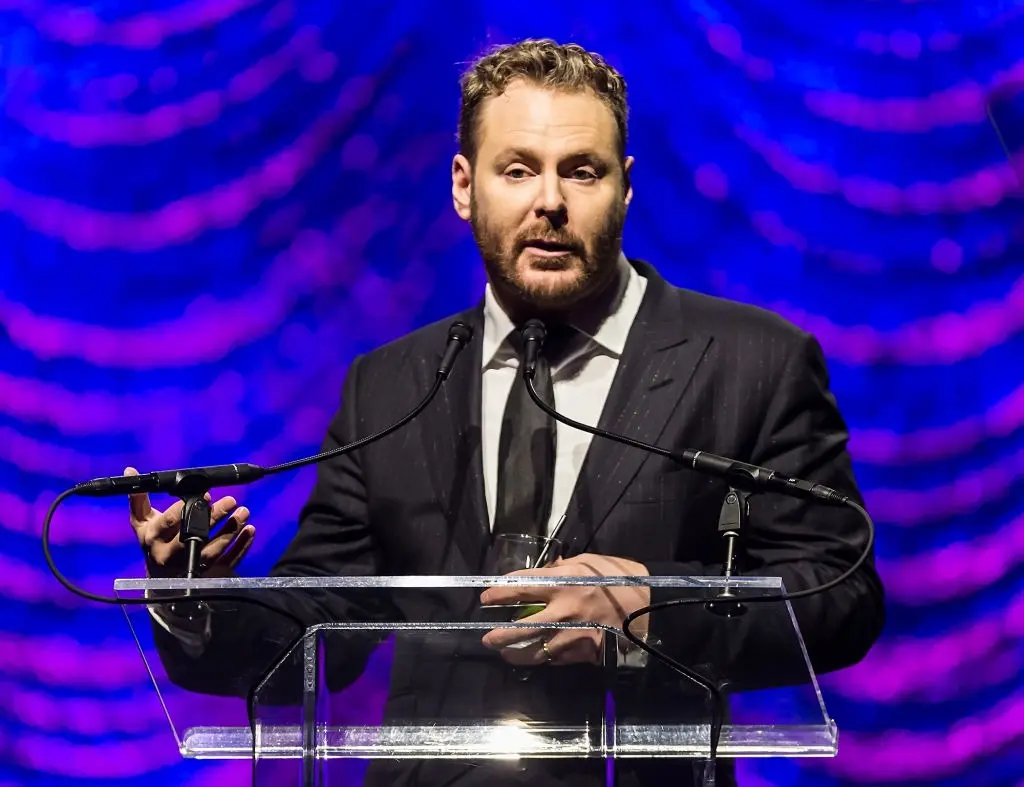
October 2, 2026 — Tech entrepreneur and Napster co-founder Sean Parker is staging a high-profile return to the music industry, bringing generative artificial intelligence into the fold with a starkly different philosophy than his disruptive youth.
Reflecting on his past as a pioneer of peer-to-peer file sharing, Parker readily concedes that his famous youthful philosophy of "asking for forgiveness rather than permission" did not work out so well the first time around. Back in the early 2000s, Napster revolutionized how consumers discovered and shared music, but it simultaneously ignited a bitter, existential war with the Recording Industry Association of America (RIAA) and major record labels over copyright infringement, ultimately forcing the platform into bankruptcy.
Now, more than two decades later, Parker is taking a decidedly diplomatic approach. In a recent interview with The Information, he emphasized that this time, he and his collaborators are strictly "playing by the rules."
Parker’s reentry into the music space is anchored by his heavy involvement with Stability AI, the prominent image-generator startup best known for creating Stable Diffusion. Two years ago, the company faced a near-collapse driven by severe overspending and intense internal turmoil that ultimately led to the ouster of its original founder, Emad Mostaque. In response to the crisis, Parker stepped in, helping orchestrate an $80 million rescue package to keep the enterprise afloat.
Since that critical intervention, Parker and his longtime friend Prem Akkaraju—who took the helm as Stability AI’s chief executive officer—have been quietly reshaping the company’s strategic vision behind closed doors. Now, the leadership duo is finally pulling back the curtain on what they have been building, signaling a massive pivot toward the commercial and creative music sectors.
Transforming Stability AI into a Creator-First Music Platform
The overarching strategic vision, according to Parker, is to transform Stability AI into the premier, go-to artificial intelligence toolmaker specifically tailored for professional musicians, producers, and audio engineers. Rather than antagonizing the entrenched power structures of the traditional music business, Parker and Akkaraju have chosen to build bridges with the very institutions that once sought to litigate tech innovators out of existence.

This collaborative ethos materialized in late August, when Stability AI announced a substantial $76 million fresh funding round. Notably, the investment syndicate featured heavy hitters from the traditional music establishment, including major global labels Sony, Warner, and Universal. Crucially, this financial backing was tied to strategic commercial agreements: as part of the deal, these major music conglomerates licensed their proprietary audio catalogs to serve as clean, authorized training data for Stability AI’s underlying machine learning models.
By securing official blessing and legal protection from the dominant major labels, Stability AI has positioned itself in stark contrast to other generative AI startups that have faced fierce copyright lawsuits from the creative community for scraping protected works without authorization or compensation.
Building upon this newly minted infrastructure, Stability AI has rolled out a suite of three advanced audio models alongside dedicated AI music-editing software. According to the company, these newly released tools are designed to streamline the creative workflow for industry professionals. The artificial intelligence is capable of generating fully realized instrumental tracks or concise musical snippets derived simply from text-based prompts.
Looking ahead, Parker revealed that the company is already preparing a major software update designed to make the interaction between human creators and machine learning models even more intuitive. The upcoming feature will allow users to hum a specific melody or beatbox a desired drum pattern directly into the system, which the AI will then translate, interpret, and expand into fully fledged musical arrangements.
By combining the financial backing and catalog access of the world’s largest record labels with cutting-edge generative audio technology, Parker and his team are betting that the future of music production will be built through partnership rather than disruption—ensuring that this time around, the innovation comes with explicit permission.