
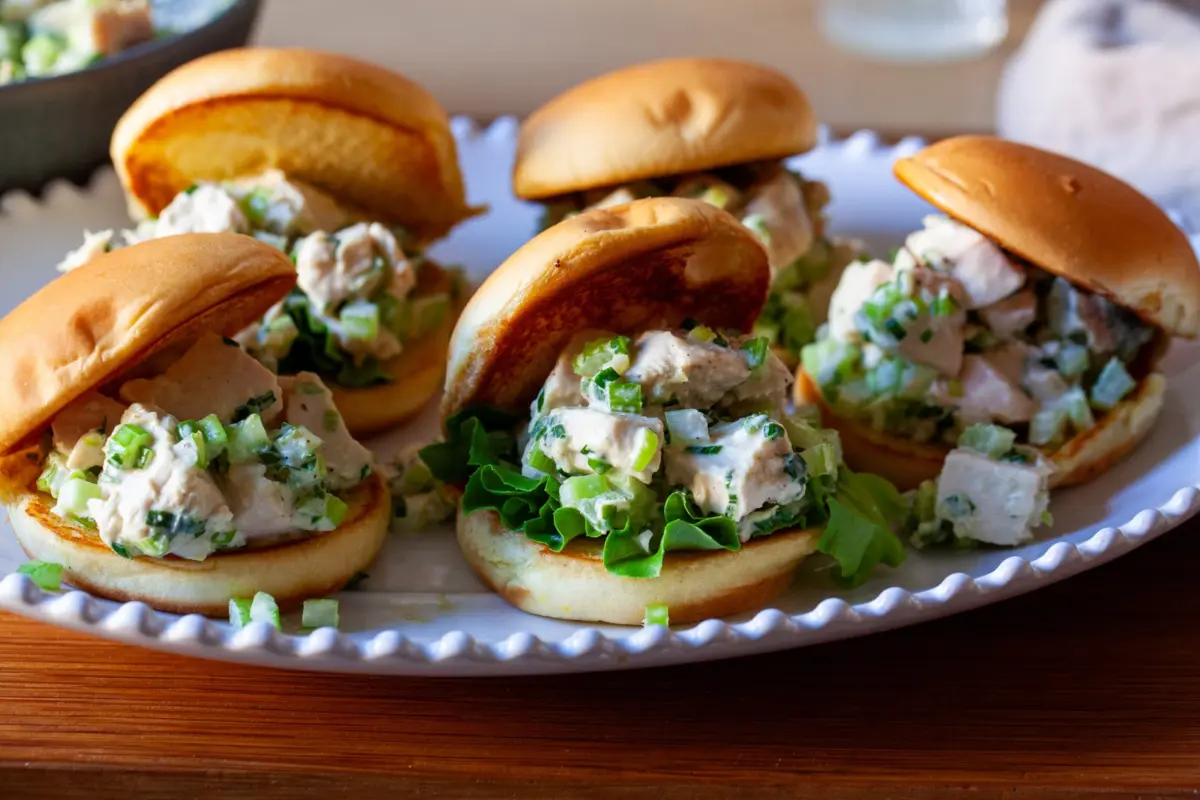
There comes a time in every cook’s life when minor culinary preferences harden into absolute convictions. For some, it is the proper way to boil pasta; for others, it is the eternal debate over whether beans belong in chili. Lately, for one prominent food writer and recipe developer, that obsession has zeroed in on chicken salad. After years of navigating questionable delis, overly sweet variations, and preparations drowning in mayonnaise, a definitive standard has emerged—one built on high crunch, proper poultry preparation, and a strict adherence to personal taste.

Chicken salad occupies a peculiar space in the culinary world. It is universally beloved yet shockingly easy to get wrong. Poorly made versions haunt the memories of diners, raising lingering questions about the vintage of the poultry, the suspicious inclusion of fruit like raisins or grapes, and the heavy-handed use of polarizing herbs like tarragon. Furthermore, the condiment ratio remains a fiercely contested battleground: should the mayonnaise cling gently to the meat, or should the chicken wade in a pond of white emulsion? Recognizing that the dish is often best when prepared at home to individual specifications, the author has laid out the exact framework for what constitutes a flawless batch.
The foundation of this particular philosophy begins with an unapologetic devotion to texture, starting with a component that often divides diners: celery. In this definitive version, celery is not merely an afterthought or a subtle aromatic accent. Instead, it makes up roughly half of the mixture by volume. This heavy-handed inclusion guarantees a profile that is aggressively crunchy, fresh, and vibrant. While the author acknowledges that such a ratio is not universally appealing, it serves as the ultimate draw for celery enthusiasts who prefer their lunch with a substantial snap.

Beyond the vegetables, the choice of poultry sets the baseline for success. Eschewing the convenience of boneless, skinless cutlets in favor of bone-in, skin-on chicken breasts requires a bit more labor, but the payoff is immeasurably superior moisture and depth of flavor. Rather than discarding the skin as waste, this method repurposes it into a brilliant culinary asset. By returning the seasoned skin to a high-temperature oven for a brief baking window, it transforms into a savory, crisp strip reminiscent of a natural potato chip, ideal for garnishing the final sandwich.
Flavor development also relies heavily on timing. Rather than folding seasonings into the final mixture at random, the diced chicken is seasoned directly before any binders are introduced. This early application weaves flavor directly into the foundation of the dish. Because standard Dijon mustard and commercial mayonnaise already contain significant sodium, this proactive seasoning approach often eliminates the need for additional salt at the finish, keeping the flavor profile balanced and controlled.

To round out the savory notes without introducing overwhelming sharpness, finely minced scallions provide a mild onion flavor that complements the poultry without overpowering the palate. Traditional herbs are intentionally omitted, keeping the focus entirely on the interplay between the savory chicken, the crisp celery, and the sharp bite of the Dijon.
When it comes to serving the finished product, presentation and context matter just as much as the composition of the salad itself. Rather than serving the mixture on standard sliced bread, the preferred vehicle is a slider roll—specifically one that remains hinged—toasted lightly in butter within a skillet. This creates a warm, sturdy base that can support a layer of crisp lettuce, a generous scoop of the chicken salad, and a customized array of toppings. Depending on personal preference, diners can add thinly sliced pickles, pickled red onions, or the reserved crispy chicken skin strips for an extra layer of texture.

To accommodate different household schedules and preferences, assembling a DIY topping station with various bowls allows family members to customize their sandwiches. This interactive approach has turned chicken salad preparation into a popular monthly dinner ritual. Paired traditionally with ruffled potato chips rather than flat ones, the meal bridges the gap between casual comfort food and carefully considered home cooking.
The method for preparing the chicken itself involves a straightforward roasting process designed to lock in moisture. Chicken breasts are coated lightly in olive oil, seasoned generously on both sides with salt and freshly ground black pepper, and roasted in a moderate oven until the internal temperature reaches the optimal range for juiciness. Allowing the meat to cool before dicing ensures that the mayonnaise and mustard do not separate or melt upon contact. Once the meat is cut into uniform pieces, it is combined with the pan drippings, celery, and scallions before being bound together with mustard and mayonnaise to taste.