
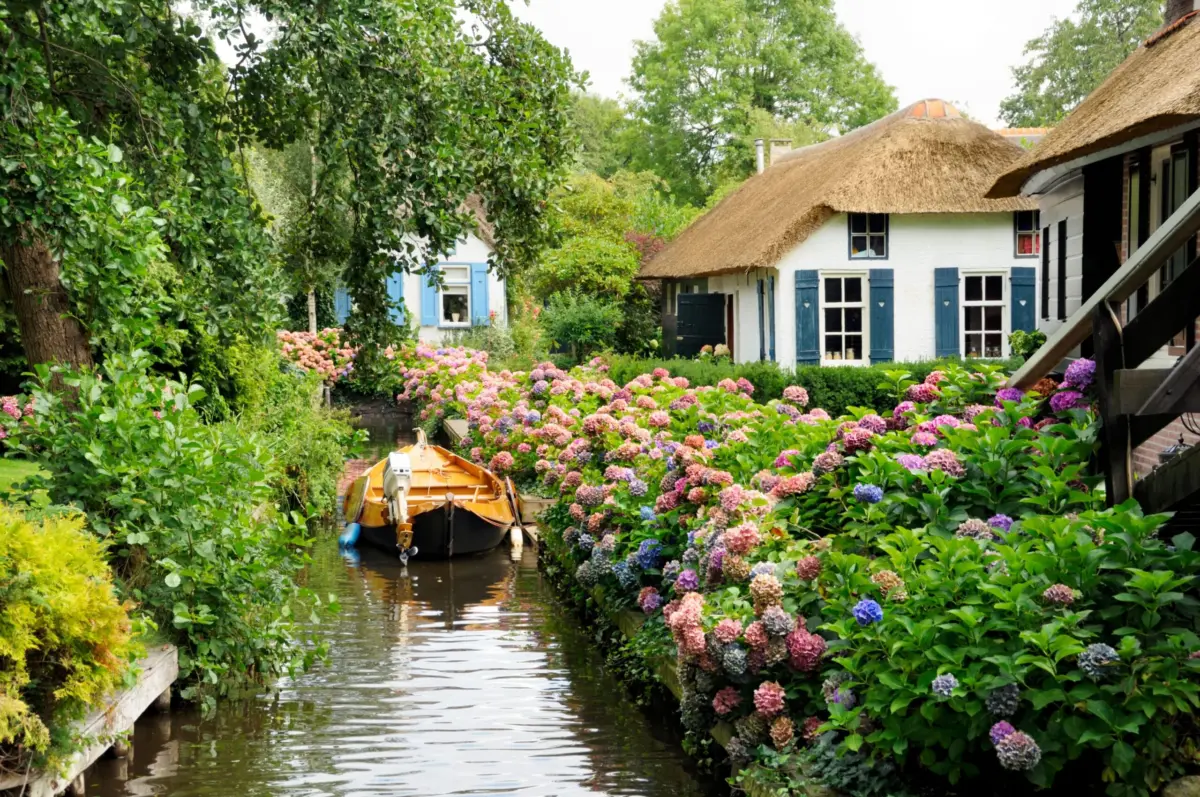
When people picture a timeless storybook village, the vision almost invariably includes cozy cottages crowned by thick, textured thatched roofs. These picturesque dwellings, often evoking tales of fantasy and adventure, are far more than mere figments of folklore. Across the globe, travelers can still discover entire communities where homes are built using traditional thatched roofs, crafted meticulously from dried vegetation such as straw, palm branches, rushes, and water reeds.
While these distinctive architectural features have largely fallen out of favor in modern construction—and are even strictly outlawed in certain municipalities due to safety regulations—a dedicated network of global villages fiercely takes pride in keeping the style alive. Relying on the rare expertise of master thatchers, these communities maintain a direct connection to ancient building methods that span continents, stretching from the tranquil landscapes of Japan and the windswept regions of Chile to the honey-colored stone cottages of the English Cotswolds.

The practice of thatching is one of humanity’s oldest roofing techniques, born out of necessity and a deep reliance on locally available natural resources. Long before the advent of industrialized building materials, quarry-cut tiles, or corrugated metal sheeting, builders looked to the earth and local flora to protect their shelters from the elements. By layering dried vegetation at precise angles, early architects discovered they could create a robust, weather-resistant shield that effectively deflected rain and snow.

Beyond their rustic aesthetic charm, thatched roofs offer remarkable functional benefits that modern building science still respects. Properly installed thatch provides exceptional natural insulation, keeping interiors remarkably cool during sweltering summer months and retaining vital warmth when winter temperatures plummet. Furthermore, when constructed by skilled artisans using densely packed reeds or straw, these roofs are surprisingly durable against pests and harsh winds. Depending on the specific type of vegetation utilized and the local climate conditions, a well-maintained thatched roof can endure for decades, sometimes even surpassing the lifespan of conventional modern roofing materials.

Despite these enduring structural advantages, the craft of thatching has steadily declined over the last century. The widespread availability of cheaper, manufactured building supplies, coupled with stringent modern fire safety codes and a shortage of trained artisans, has pushed the practice to the margins of contemporary architecture. In many urban and suburban jurisdictions, building regulations effectively ban the use of combustible roofing materials like dry straw and reeds, rendering the traditional technique virtually extinct in mainstream development.

Yet, pockets of architectural preservation stubbornly resist this homogenization. From the remote corners of South America to deeply traditional Asian hamlets and rural European countryside lanes, select villages celebrate the historic building method as a core pillar of their cultural heritage. In these unique destinations, the preservation of thatched roofs is not merely an aesthetic choice, but a living tradition that requires specialized generational knowledge.

Master thatchers, possessing skills passed down through decades or centuries of apprenticeship, remain in high demand within these communities. Their work involves carefully harvesting, drying, and bundling reeds or straw before applying them layer by layer to the roof structure, securing them with intricate patterns of hazel rods or wire depending on regional customs. This painstaking labor ensures that the historical integrity of these picturesque rural retreats remains intact for future generations to study and admire.

As global tourism increasingly seeks out authentic, slow-paced travel experiences, these thatched-roof villages offer a tangible window into a bygone era. They stand as enduring testaments to sustainable, vernacular architecture—reminding modern observers that some of our most effective and visually captivating design solutions were perfected centuries ago using nothing more than the earth’s simple, renewable bounty.