
Tuesday, 15 September 2026, 17:05, UK
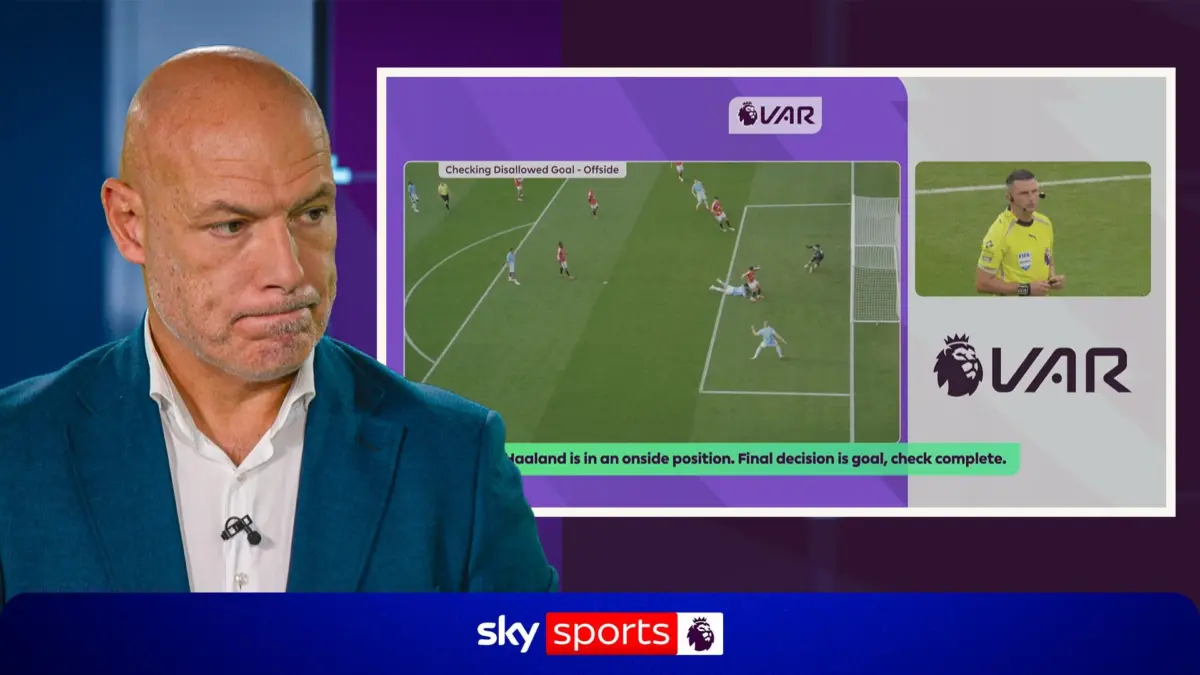
Professional Game Match Officials Limited (PGMOL) chief refereeing officer Howard Webb has confirmed that a formal review will be conducted into the Video Assistant Referee (VAR) process that led to Erling Haaland’s controversial goal for Manchester City against Manchester United being allowed to stand.
The admission and announcement of the upcoming review came to light during the latest broadcast of Match Officials Mic’d Up, a program designed to offer transparency and insight into contentious refereeing decisions and the audio communications between on-field officials and the VAR hub during Premier League fixtures. The incident in question—involving Manchester City’s prolific striker Erling Haaland during a high-stakes derby clash against arch-rivals Manchester United—sparked widespread debate among pundits, former players, and fans alike regarding the accuracy, consistency, and operational efficiency of the video review protocols currently utilized in top-flight English football.
The fixture, which carried the intense pressure and fierce competitive rivalry characteristic of the Manchester derby, saw a pivotal moment hinge on a subjective officiating decision. During the match, an attacking phase of play culminated in Haaland putting the ball into the back of the net. While the goal was initially awarded on the pitch, the sequence immediately came under scrutiny by the VAR team stationed at Stockley Park. Standard protocol dictates that video assistants must check for any potential infringements leading up to the goal, including fouls, offsides, or handball offenses. However, the subsequent decision by the VAR officials to clear the goal and advise the referee to uphold the original decision drew heavy criticism from observers and sparked fierce debate over whether the parameters of the review were applied correctly.
Appearing on Match Officials Mic’d Up, Webb addressed the incident directly, acknowledging the intense public interest and the valid concerns raised by the football community regarding the transparency of the decision-making process. The PGMOL chief explained that while the officials involved followed the established technology and communication procedures available to them at the time, the complexity of the passage of play warrants a deeper, internal examination. By initiating a review, PGMOL aims to evaluate not only the specific communication breakdown or judgment call made during the Manchester derby, but also how similar incidents can be handled with greater clarity and precision in future matches.
The announcement highlights the ongoing scrutiny facing the VAR system since its integration into the Premier League. Designed to eliminate clear and obvious errors and bring greater fairness to the game, video review technology has frequently found itself at the center of fierce debate. Critics and supporters alike have continually debated the threshold for VAR intervention, the subjective nature of interpreting dynamic match situations, and the impact that lengthy reviews have on the flow and atmosphere of live matches.
Webb’s decision to subject the Haaland goal to a formal review underscores PGMOL’s commitment to accountability and continuous improvement under his leadership. Since taking charge of the organisation, the former World Cup final referee has actively pushed for greater openness, utilizing programs like Match Officials Mic’d Up to demystify the decision-making process and allow supporters to hear the actual conversations between referees and VAR operators in real-time. By shining a light on these difficult moments, PGMOL hopes to foster a better understanding of the immense pressures faced by match officials while identifying areas where technological protocols and human judgment can be better aligned.
The review process will involve analyzing the audio recordings from the match, examining the camera angles available to the video assistant referee at the exact moment of the incident, and assessing how the team communicated their findings to the referee on the pitch. While the review will not alter the final result of the match—as the integrity of the game’s outcome remains absolute once the final whistle has blown—it serves as a crucial learning mechanism for the officiating pool. The findings and subsequent reflections from the review are expected to inform future training sessions and operational guidelines for PGMOL referees as the Premier League season progresses.
As the footballing world awaits the conclusions of the review, the incident remains a stark reminder of the fine margins that define matches at the elite level and the relentless pressure on those tasked with officiating the world’s most watched football league.