
It all started last winter when a harmless online product review inadvertently pulled one of the internet’s most prominent financial independence bloggers into a nine-month psychological experiment with consumerism. What began as a simple five-star rating for an Amazon heated vest quickly escalated into an invitation to join Amazon Vine, a heavily sought-after program where select reviewers receive free merchandise in exchange for honest evaluations.

For the author behind Mr. Money Mustache, the premise initially sounded like a win-win scenario. After all, who does not appreciate complimentary items, especially when he was already accustomed to writing product reviews purely out of personal inclination? Without giving it much deliberation, he accepted the terms and conditions, stepping into a structured loop that would ultimately test the limits of his decades-long commitment to frugality, minimalism, and intentional living.
Looking back on the nine-month saga, the experiment yielded a mixed bag of practical utility and behavioral insight. On one hand, the program delivered tangible financial savings. He secured several thousand dollars’ worth of tools, materials, and hardware for his construction business and the MMM-HQ coworking space at no direct cost. From contractor-grade extension cords and EV chargers to artificial plants that brightened hard-to-water courtyard garden areas, the haul included items that would have otherwise required substantial out-of-pocket expenses. Even a ridiculous eagle-themed shirt featured in a Mustachianism music video and a magnetic USB-rechargeable lamp found their way into his collection through the platform.

However, despite these practical acquisitions, the overarching psychological toll revealed a deeper, more insidious design embedded within modern e-commerce incentives. The mechanics of the Vine program bore a striking resemblance to the architecture of an online casino or a fast-paced social media feed, playing directly on evolutionary vulnerabilities outlined in behavioral science.
Scarcity Brain and the Online Casino Effect

In recent reflections, the author noted parallels to Michael Easter’s book "Scarcity Brain," which explores how modern marketing platforms and gambling algorithms exploit deep-seated human evolutionary weaknesses. Specifically, the system preys on the scarcity mindset—the ancient survival instinct to acquire resources whenever they appear available—combined with variable rewards, where unpredictable payoffs keep participants engaged through endless repetition.
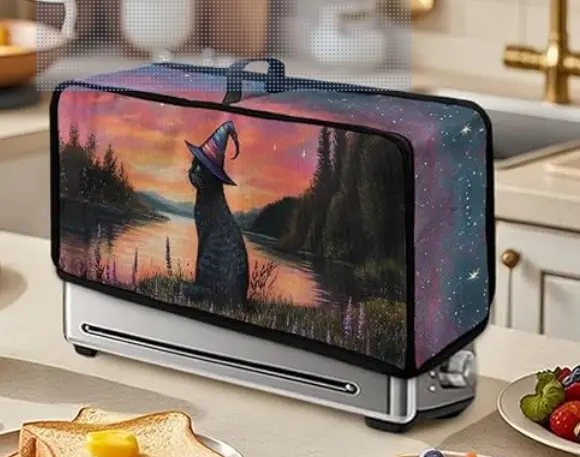
The exclusive, reviewers-only Vine website operates precisely on these triggers. Logging into the portal often results in disappointment, yielding endless scrolls of irrelevant items like pink plastic disposable party plates or a kitchen toaster cover featuring a cat wearing a witch hat. Yet, just frequently enough to maintain engagement, genuinely desirable items appear—light fixtures, plumbing parts, or specialized tools—triggering a frantic impulse to order before supplies vanish.

This unpredictable reinforcement schedule coaxed him into a routine of daily check-ins, even during periods when he required nothing. Items would arrive in a steady stream, prompting assembly-line unpacking and photography sessions to batch-write reviews on a weekly basis. Every review consumed time better allocated elsewhere, while every questionable, low-quality item introduced manufacturing and packaging waste that directly contradicted his lifelong environmental values.
The consumerism bender reached a point where cardboard recycling bins overflowed daily. Family members began poking fun at the influx of frivolous packages, leading him to discreetly tuck away boxes to avoid scrutiny. Yet, the habit persisted, fueled by procrastination and the comforting illusion that ordering items online constituted productive work.

Recognizing the System
Eventually, the friction built into the platform itself catalyzed a recovery phase. Navigating the program highlighted deliberate user-unfriendly features designed to maximize engagement rather than respect the reviewer’s time. The search functionality remains notoriously poor, lacking basic sorting or filtering tools, thereby forcing reviewers to manually scan vast quantities of trinkets. Furthermore, bureaucratic, AI-driven evaluation systems frequently flagged entirely factual, tame reviews for allegedly violating community standards without providing clear explanations. Minor, arbitrary edits to punctuation or phrasing would suddenly appease the automated gatekeepers, illustrating the low-wage-worker dynamic underlying the glamorous veneer of a reviewer VIP program.

This dynamic drew sharp parallels to a previous 2017 experiment where the author worked briefly as an Uber driver. In both instances, participants are handed strict rules and rigid systems designed by corporate entities, expected to execute tasks without offering constructive improvements. Experiences of this nature reinforced the immense value of autonomy and financial independence—the quintessential "fuck you money" concept that allows individuals to step away from systems where they lack control.
Financial Realities and the Tax Trap

A critical awakening regarding the true cost of "free" merchandise involved the tax implications of the program. Amazon tracks the retail value of all acquired items and issues a Form 1099 at the end of the year, converting complimentary goods into a taxable liability based on the recipient’s marginal tax rate.
Account totals for the year indicated approximately $7,000 worth of merchandise acquired, translating to a potential tax burden of roughly $1,750 assuming a 25 percent tax bracket. Roughly 75 percent of these goods were funneled into commercial use for the construction business and HQ renovations, effectively transforming them into operational income rather than personal consumption. A smaller fraction covered household goods that would have been purchased regardless. However, the tally also included around $1,000 worth of pure novelty items, resulting in a direct tax penalty for impulsive ordering.

A subsequent realization shared by knowledgeable community members offered relief: under specific guidelines, the estimated value of reviewed merchandise can often be heavily discounted before declaration due to the elimination of resale value once opened and tested. This adjustment significantly reduces the expected tax liability.
An Epilogue on Habits and Course Correction

Rather than maintaining an active engagement with the portal, the author employed a keystone habit strategy to break the cycle. By remapping his browser bookmark for the Vine page to direct toward his daily "Badassity Tracker"—a chart prompting immediate physical exercise and gym routines—he replaced a digital compulsion with physical health and productivity.
While the experiment started with a heated vest that continues to provide reliable warmth during cooler months, the broader takeaway transcends e-commerce platforms. The journey serves as a reminder to continuously evaluate personal habits, question underlying assumptions, and remain vigilant against the subtle, sophisticated mechanisms designed to hijack human attention and resources in the modern digital landscape.