
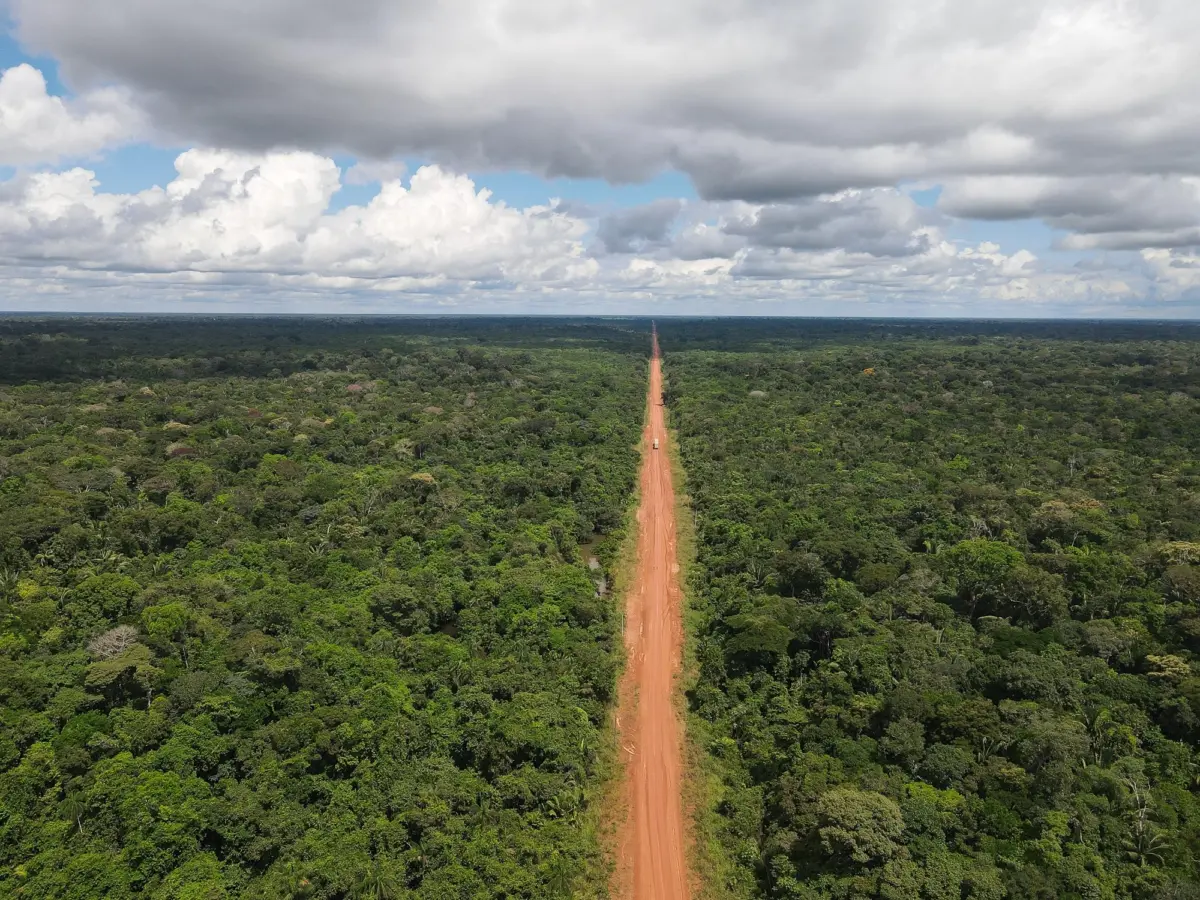
For much of his career, Carlos Santos’s job involved being stranded in the middle of the Amazon rainforest. Santos is a veteran truck driver on the BR-319, a hazardous, unpaved federal highway in Brazil that cuts through a critical and ecologically sensitive section of the world’s largest tropical rainforest. "You knew when you were going in," he said of the grueling route. "Pero never knew when you’d come out the other side."
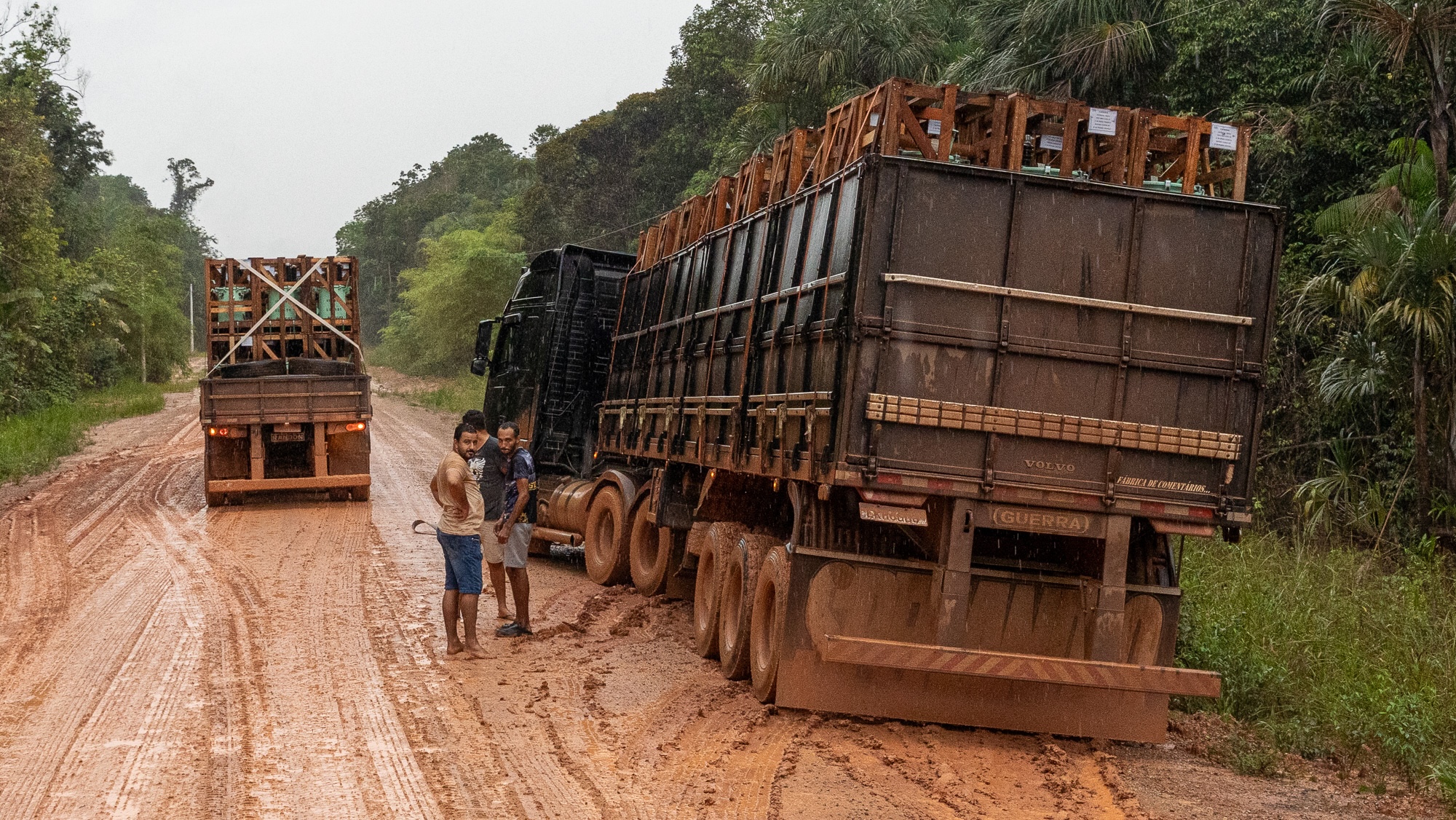
It once took Santos 22 days to cross the 540-mile route. An unexpected rain pounded the highway during the dry season, leaving massive pools of deep mud that mired convoys of heavily laden freight trucks. "It’s a survival test in the jungle," he recalled. "Time moves slowly. You have to ration food and water." At night, Santos would string a hammock inside his truck cabin and watch as jaguars, tapirs, and venomous snakes crossed the dirt road in front of his headlights. For weeks, he labored to dig commercial vehicles out of treacherous ditches, bathed in nearby rivers, and waited patiently for heavy machinery to pull stranded rigs from the muck one by one.
When he finally returned home from these exhausting journeys, Santos would rest for a few days before heading back out onto the 319. "I went back because I enjoy it," he said with an easy smile. "It’s one hell of a challenge."
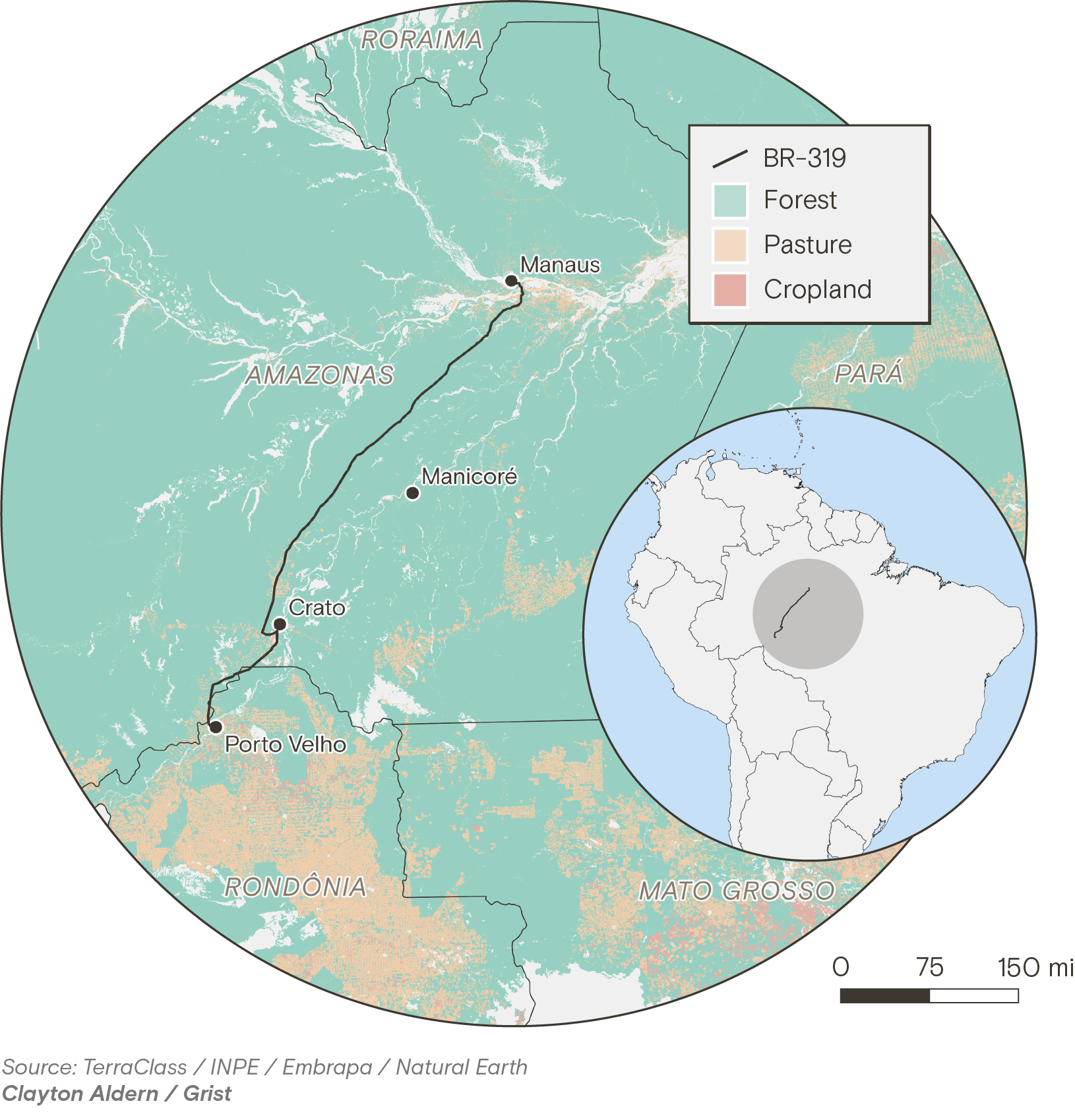
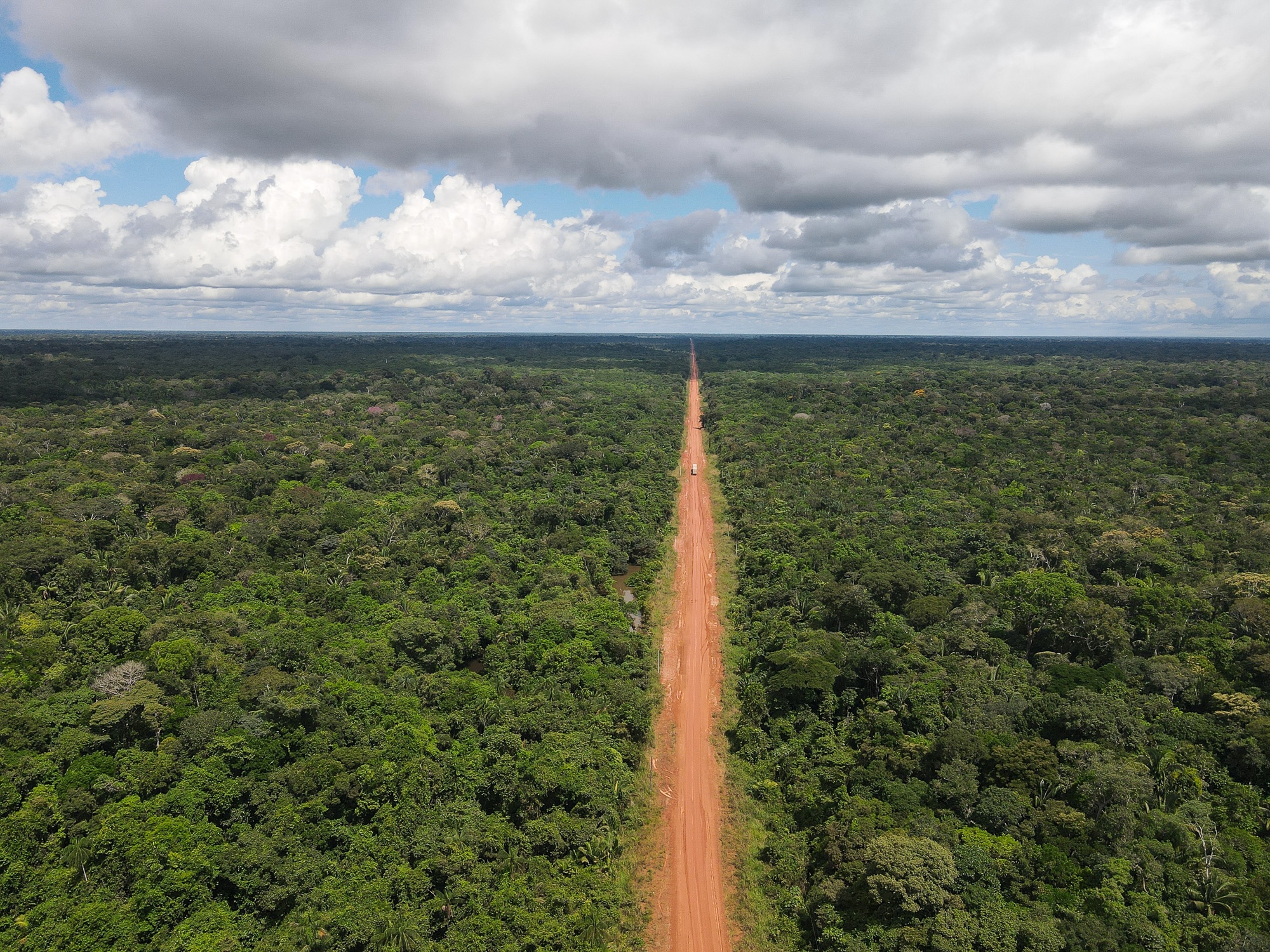
Yet, drivers endure these punishing conditions for reasons that extend far beyond a taste for adventure. The BR-319 is the sole overland highway connecting the vast state of Amazonas—home to 4.2 million people and a territory twice the size of Texas—to the rest of Brazil. Now, following decades of fierce legal battles, regulatory hurdles, and intense challenges from environmental watchdogs, sections of the highway are being asphalted, and long-delayed plans to pave the entire route are pressing forward.
The Push for Economic Integration and Regional Isolation
Asphalting the 319 is a long-standing demand for many residents and businesses in the region, who argue that their geographic isolation severely hinders economic development and quality of life. "Why should we be forgotten?" Santos asked, echoing a sentiment shared widely across the state. "Why doesn’t the state of Amazonas have the right to be connected to the rest of the country?"
However, the decision to pave the highway is profoundly complex. Scientists and environmental researchers warn that asphalting the road will connect previously remote, inaccessible regions of the Amazon basin to areas already under severe ecological pressure, triggering an unprecedented deforestation boom with catastrophic consequences for the global climate. The biome currently stores an estimated 150 to 200 billion tons of carbon within its dense vegetation and soils, acting as a crucial buffer that helps offset greenhouse gas emissions from fossil fuel combustion worldwide. When the forest is systematically cleared and burned, that stored carbon is released directly back into the atmosphere, accelerating global climate change. Indigenous communities residing along the corridor also argue that the infrastructure project presents an existential threat to their traditional lands and livelihoods.
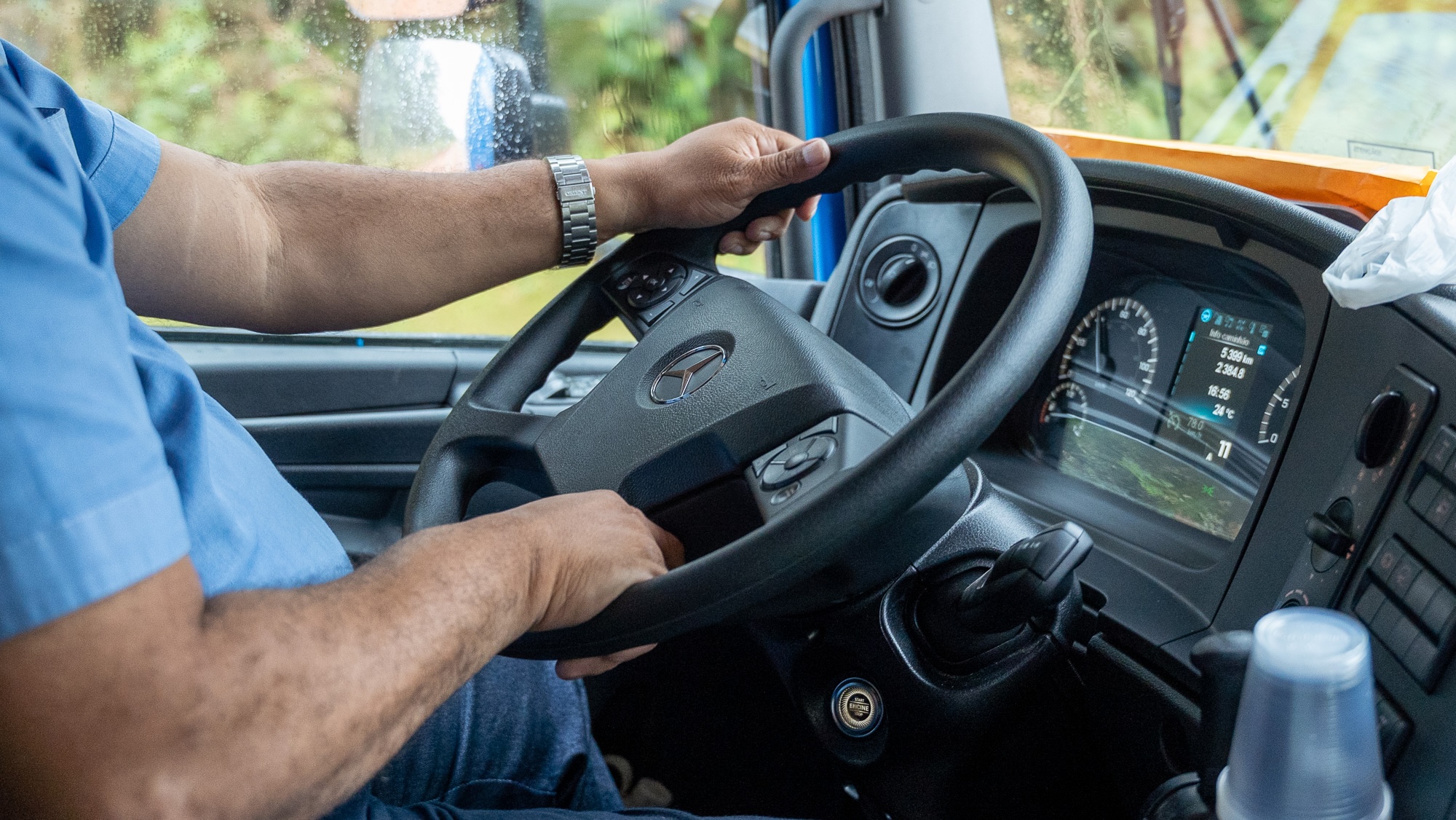
In May, just as paving operations prepared to shift into high gear, a reporting team joined Santos on his freight run to observe firsthand how the BR-319 and the surrounding wilderness are already transforming. The journey began at 3 a.m. at a bustling distribution center on the outer edges of Manaus, the capital of Amazonas, which houses a population of over 2 million people. Despite its geographic isolation, Manaus functions as a major manufacturing and industrial powerhouse—a legacy of federal tax incentives established in the 1960s to stimulate regional growth.
At present, the vast majority of consumer goods and industrial materials enter and leave the city via commercial cargo boats or air freight. Proponents of paving the BR-319 argue that this heavy reliance on river transport and aviation drives up operational costs, extends delivery timelines, and leaves the regional economy vulnerable to severe disruptions caused by worsening droughts that increasingly interrupt river navigation.
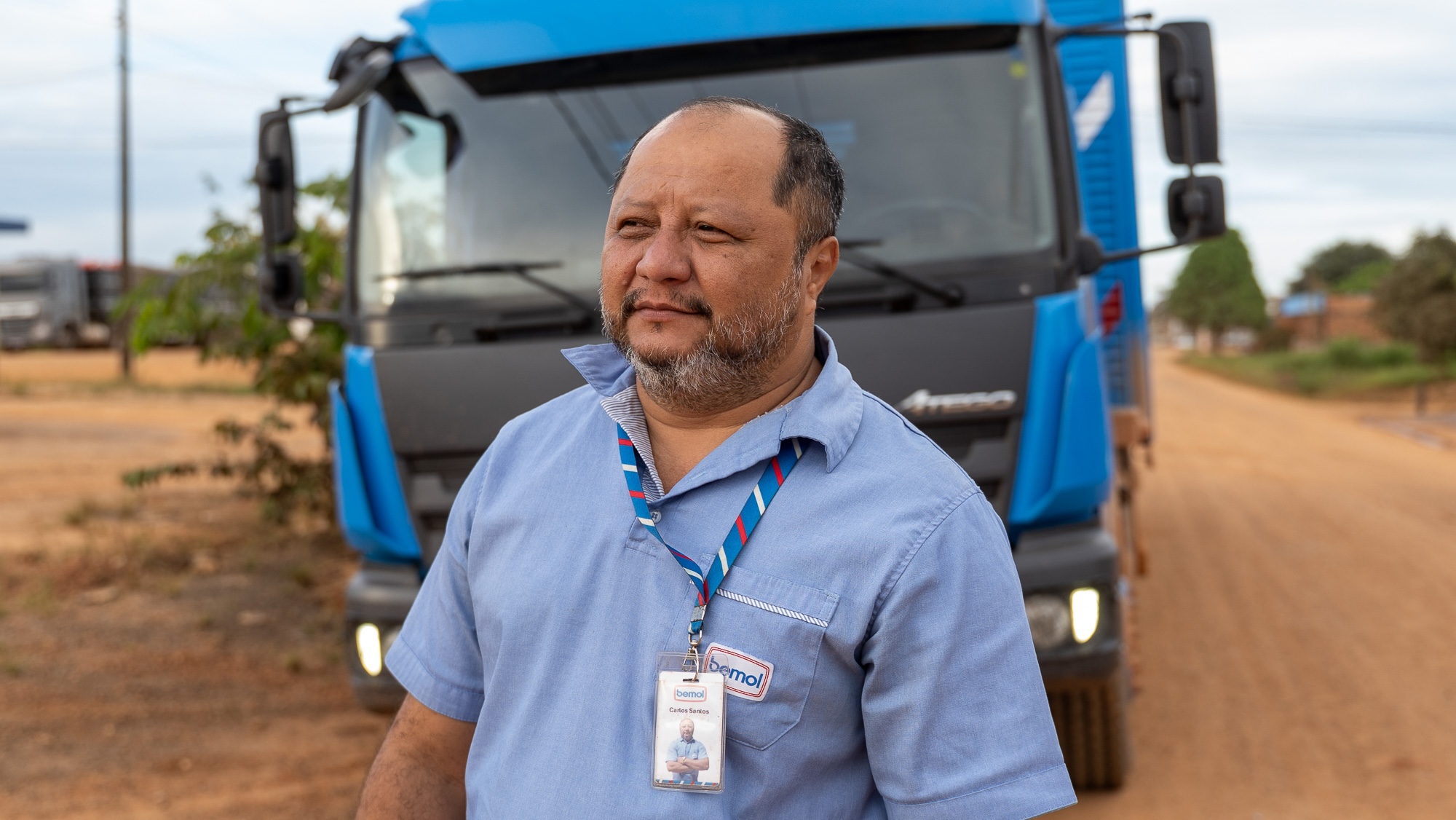
Santos, who was born and raised in Manaus, has been driving commercial trucks since he was 18 years old. "I was never a fan of being locked in a room in front of a computer," said the 45-year-old driver, whose affable nature and trimmed salt-and-pepper beard reflect decades on the road. A lifetime spent navigating the severely potholed and rutted infrastructure of Amazonas has left him with chronic back pain, but his enthusiasm for the open road remains undiminished.
The team pulled out of the distribution center in an immaculate, bright blue semi-truck—a vehicle notably smaller and more nimble than the massive multi-axle rigs that frequently capsize or become immobilized in the deep mud of the unpaved stretches. Owned by Bemol, a leading regional retail chain, the truck carried a cargo of large kitchen appliances, residential furniture, and essential medicines. The final destination was Porto Velho, the capital of Rondônia, located at the opposite terminus of the highway.
Santos has driven the BR-319 regularly since 2015, when the corridor was officially reopened following decades of total abandonment and impassability. In those early years, he recalled, formidable pools of mud stretched for dozens of yards during the rainy season, and potholes resembled impact craters. He recounted these stories while crossing the broad expanse of the Rio Negro aboard a crowded vehicle ferry alongside dozens of other cars and trucks. As the sun crested the horizon, the ferry passed the famous "Meeting of the Waters," where the dark, dark-brown Rio Negro flows directly alongside the murky, coffee-colored Solimões River without immediately mixing. An hour later, the ferry docked, and the truck transitioned onto the highway itself. The journey was expected to take two days with an overnight stop, though travel times on the BR-319 are notoriously unpredictable and contingent entirely on daily weather and road conditions.
"You never know what to expect," Santos noted.
A History Carved by Roads and Political Shifts
In many ways, the modern history of deforestation in the Amazon basin is inextricably linked to the history of road construction. During the 1970s, Brazil’s military dictatorship pursued an aggressive national policy of cutting highways through the jungle to encourage settlement and secure remote borders. In the decades since, an expanse of rainforest roughly the size of Spain has been cleared—with roughly 94 percent of that deforestation occurring within three miles of an established roadway. Frequently, the mere announcement or possibility that a road will be built or paved is enough to spark an immediate surge in land speculation and illegal forest clearing in the surrounding area.
The BR-319 was originally fully paved when it was inaugurated in 1976, but maintaining an asphalt highway through a swampy, low-lying tropical forest proved exceptionally expensive. Over time, the grueling combination of heavy seasonal rains and intense dry periods eroded the road surface. Commercial bus companies gradually canceled their routes, and freight operators abandoned the corridor. The surrounding jungle aggressively reclaimed the right-of-way, and by 1988, the highway was virtually impassable, with only the northern and southern extremes retaining their asphalt.
For years, the middle stretch was left entirely to nature, utilized only by isolated local communities and adventurous travelers. Thick tree canopies blocked the sky over long sections, and wooden bridges rotted away into structural hazards. Then, in 2015, federal environmental regulators issued a restricted operating license authorizing basic cleanup and heavy maintenance of the roadway, though explicitly prohibiting its repaving. Maintenance crews set to work clearing encroaching vegetation and repairing more than 50 wooden bridges along the route. While conditions remained highly precarious, commercial traffic slowly returned.
When Jair Bolsonaro assumed the presidency in 2018 after campaigning on a platform explicitly friendly to commercial loggers, miners, and agribusiness, he systematically weakened federal environmental oversight and vowed to fully repave the BR-319. That singular promise sparked a staggering 122 percent increase in deforestation across the surrounding municipalities between 2020 and 2022—far outpacing the already elevated deforestation rates observed across the rest of the Amazon biome during the same period.
Although Brazil’s federal courts subsequently blocked the paving project due to severe procedural inconsistencies in the environmental licensing process, the political landscape shifted again. In 2025, long after Bolsonaro had left office, Brazil’s powerful, pro-agribusiness Congress passed legislation allowing infrastructure work on existing federal roads to bypass traditional environmental licensing requirements entirely. President Luiz Inácio Lula da Silva attempted to veto key provisions of the bill, but Congress successfully overrode his actions. By May, the federal government officially opened competitive bidding for paving contracts. "By the end of June," George Santoro, the Minister of Transportation, announced publicly, "the entire BR-319 will be under construction."
The Grinding Realities of the Frontier
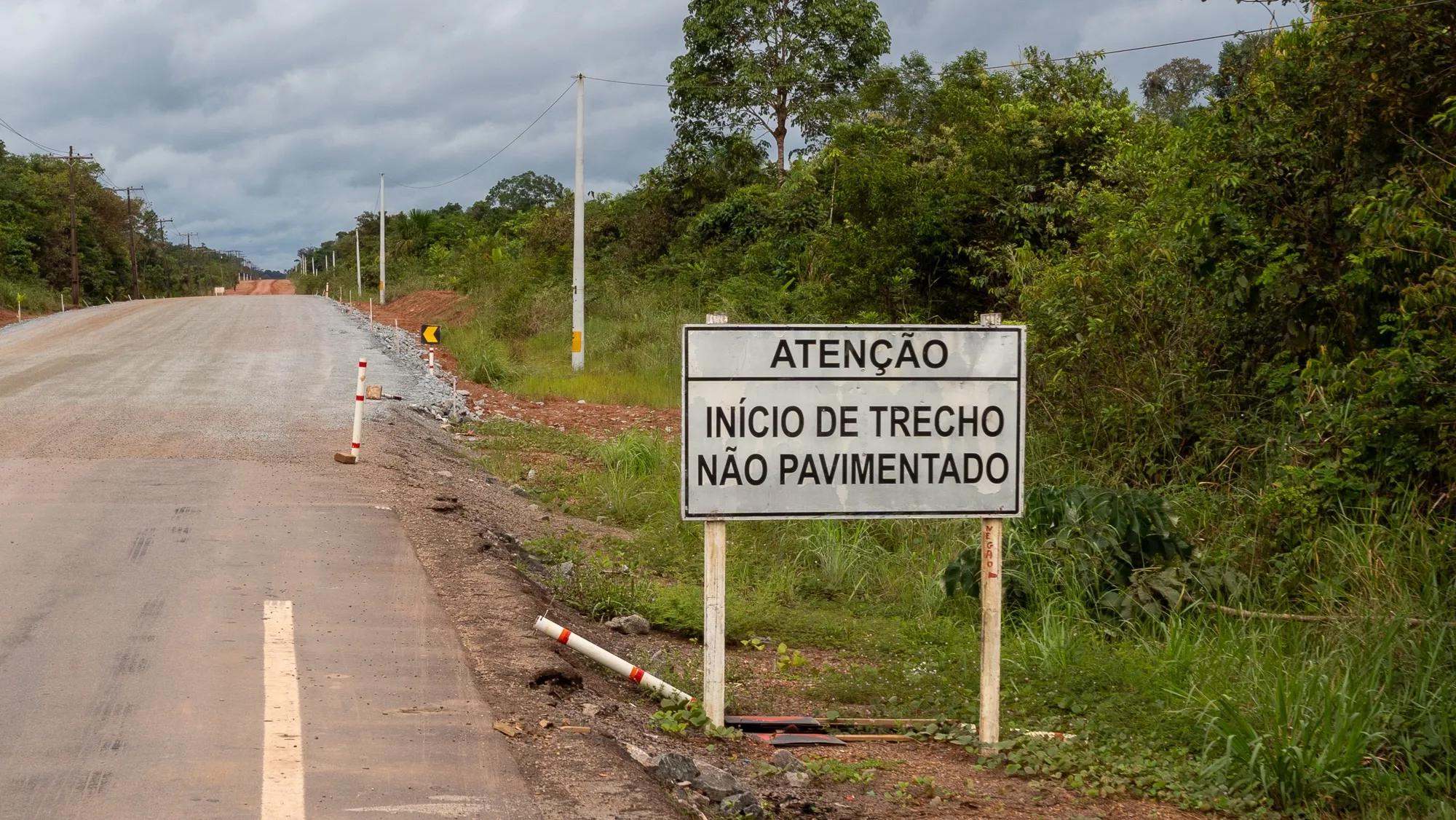
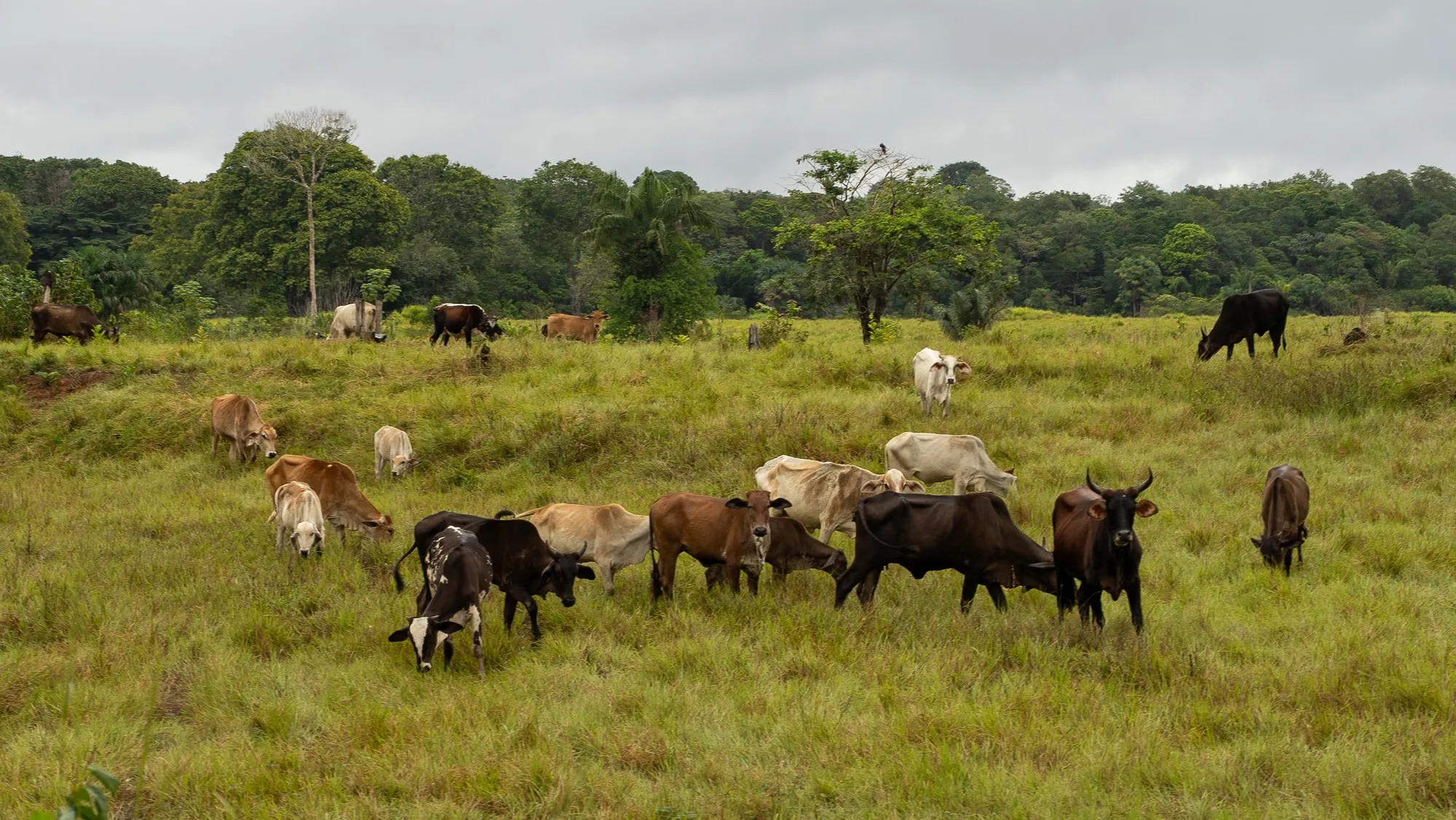
Past the ferry terminal, the BR-319 begins with roughly 120 miles of aging, heavily potholed asphalt—the lingering remnants of the original 1970s infrastructure. Driving through the district of Careiro, the landscape presents a patchwork of secondary forest and cleared cattle pastures, interspersed with modest, scattered rural homes.
"Houses used to be a rare sight," Santos observed, scanning the roadside. "You’d see one here and another way off in the distance. Not anymore."
This pattern is characteristic of the earliest stages of Amazonian deforestation. Initially, land speculators and illegal timber operators target public lands to extract valuable hardwood. Once the marketable timber is removed, cattle ranchers move in. While some owners reside on the land directly, many employ caretakers to manage small herds of livestock. The ultimate objective for many actors is to petition federal authorities for formal land titles, which—once granted—can be resold at a massive profit once a highway is fully paved and regional land values skyrocket. The land regularization process in Brazil remains notoriously slow, bureaucratic, and vulnerable to irregularities, meaning illegal occupation often serves as the de facto first step toward formal legal recognition.
The ecological toll of this unchecked frontier expansion has been profound. For three months in 2023, Manaus was choked by a dense, toxic cloud of wildfire smoke, briefly ranking the city among the locations with the worst air quality anywhere in the world. While regional officials initially blamed the crisis on forest fires in the neighboring state of Pará, subsequent atmospheric research and satellite data revealed that much of the particulate pollution originated from forest-clearing blazes right along the early stretches of the BR-319, such as Careiro.
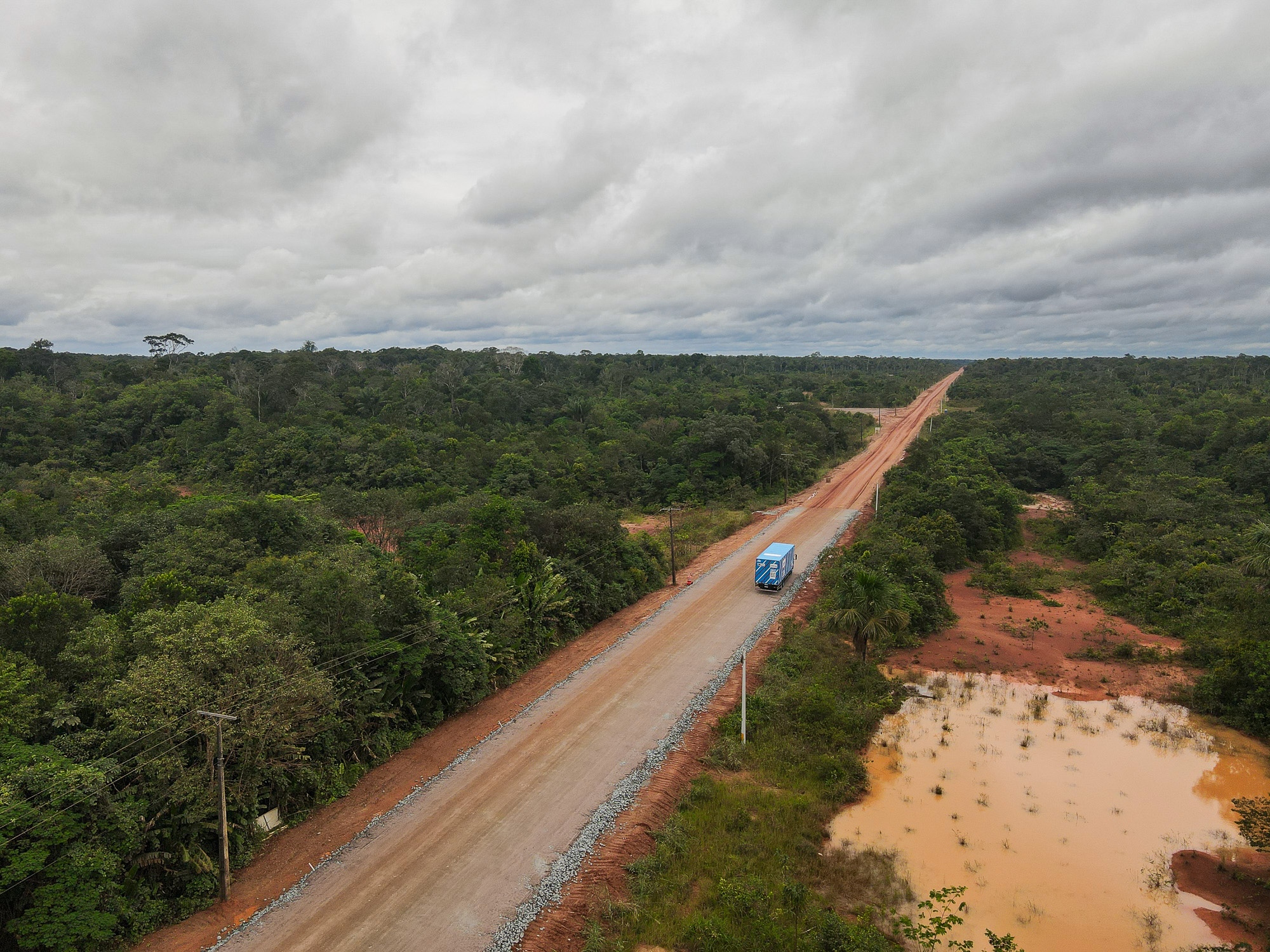
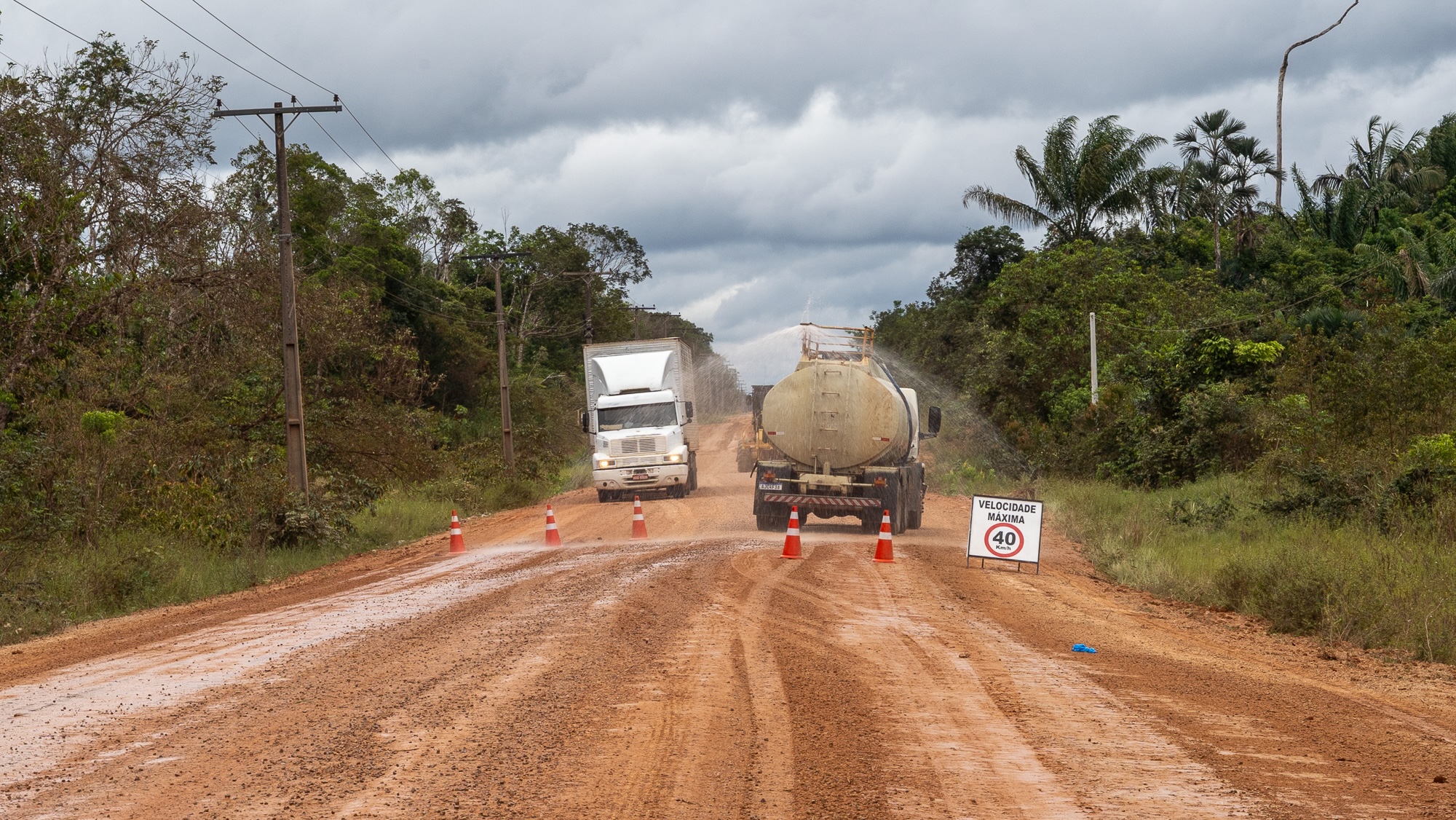
As the paved section ends, the pastures give way to a wilder landscape before transitioning abruptly into a surface of reddish, iron-rich clay. This unpaved terrain turns rock-hard during the dry season, creating severe corduroy ridges that drivers call "cow ribs"—persistent bumps that rattle heavy trucks relentlessly—while transforming into a slick, treacherous slide during the rainy months.
Despite these hazards, regular maintenance in recent years has improved conditions considerably compared to the severe disruptions of the past. "For the veterans around here, the road is a cakewalk now," Santos remarked. Road crews operate daily along various segments, grading uneven terrain, compacting earth, and applying gravel. Low-lying sections prone to flooding have been elevated, and aging bridges have been rebuilt. While heavy freight trucks still dominate the traffic, vehicles from long-distance transport companies based as far away as São Paulo—2,400 miles to the south—can now be seen utilizing the route.
Deep into the Forest and the Town of Realidade
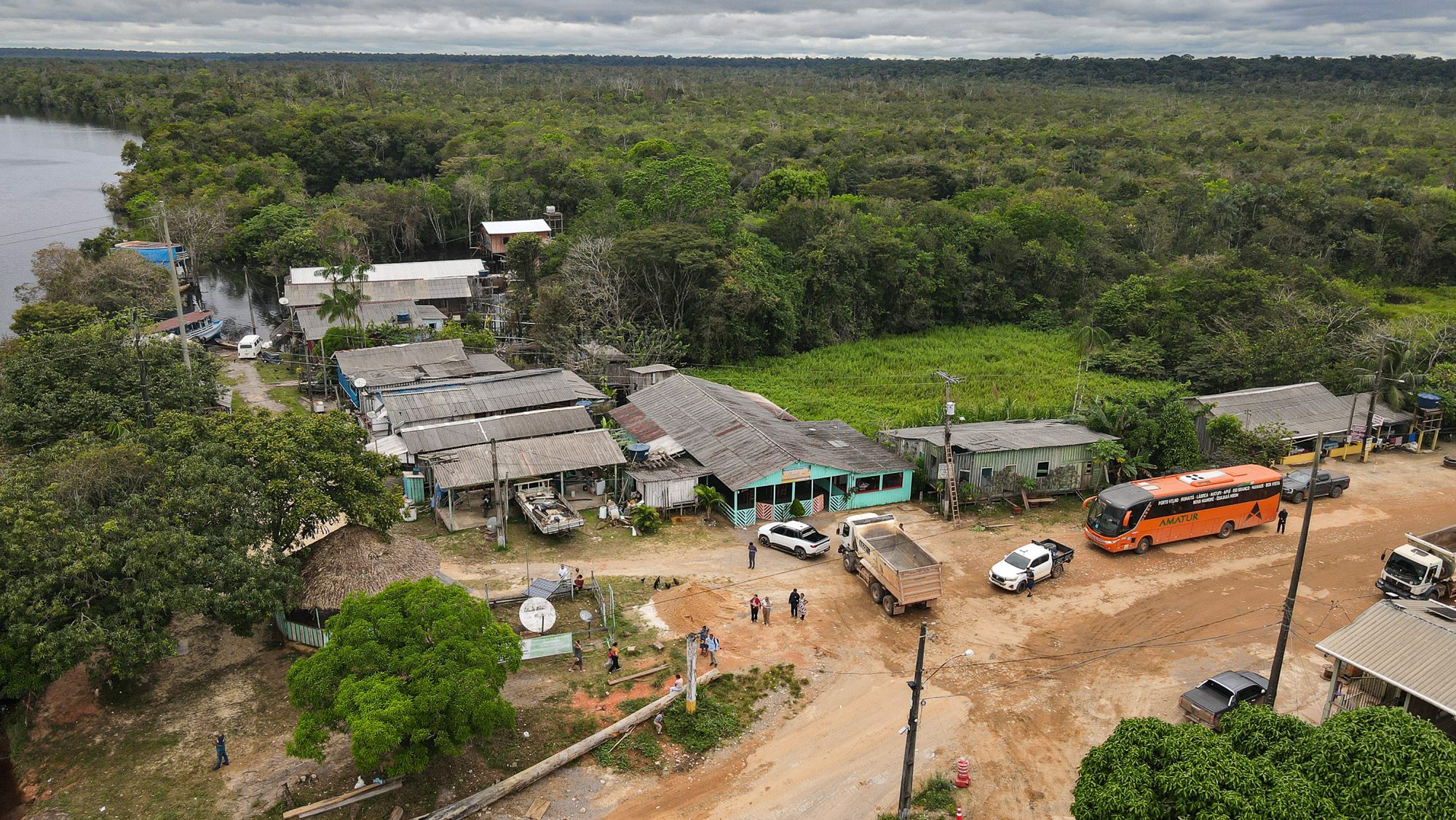
Approximately eight hours into the drive, the truck reached the small settlement of Iguapó-Açu. Home to roughly 75 families living in tin-roofed stilt houses, the community serves as the final rest stop for truck drivers before they enter the BR-319’s isolated middle stretch—a 250-mile span cutting through dense, unbroken forest with virtually no infrastructure or settlements in between. Residents subsist largely on small-scale farming, fishing, and operating a slow-moving motorized barge that drivers must use to cross a narrow river channel.
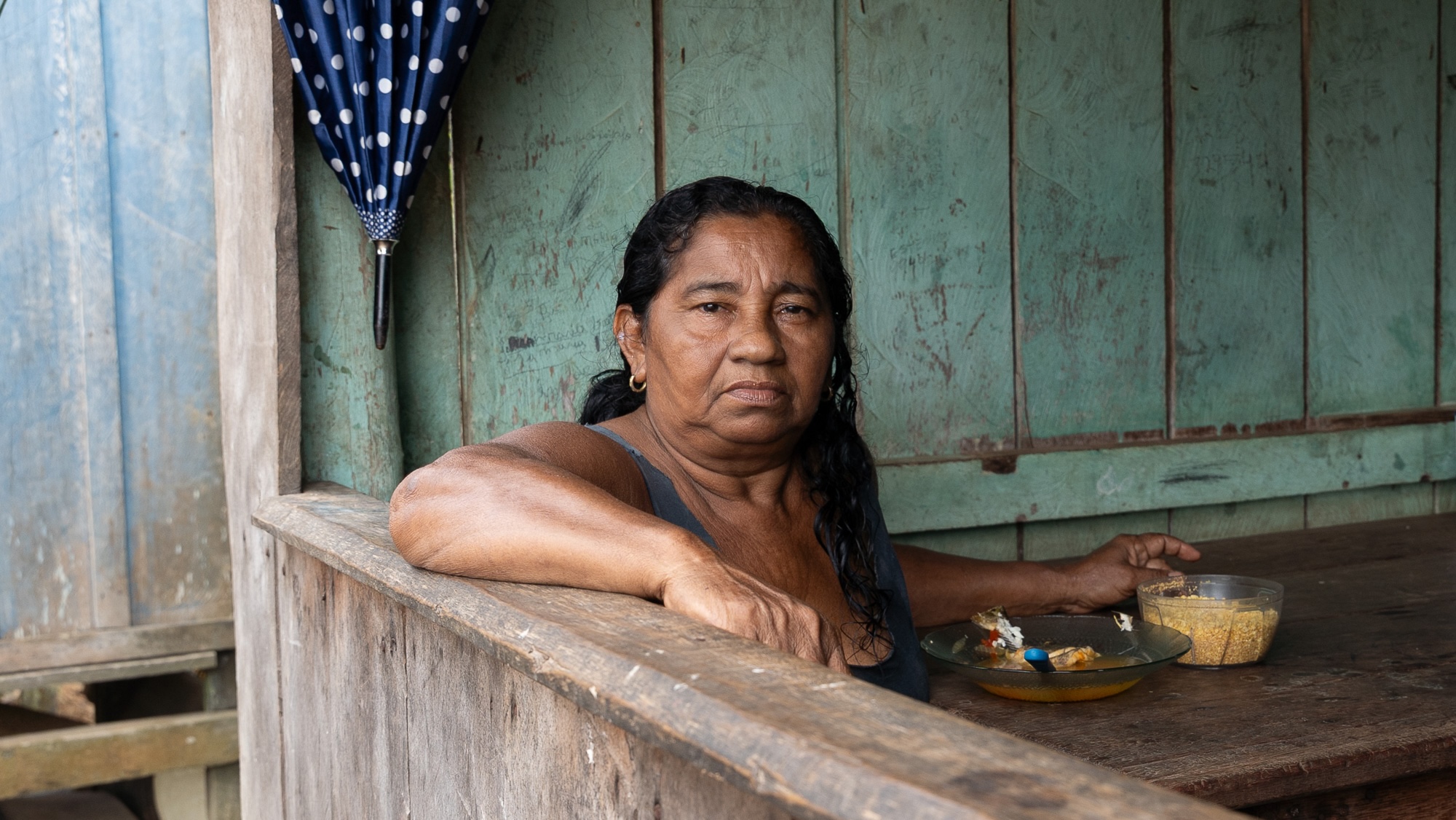
While waiting for the barge, local residents gathered on a wooden porch to eat a traditional meal of freshly caught fish stew. Raimunda de Sá Assunção, a 53-year-old resident who arrived in the settlement as a child, remembers when the road was initially paved decades ago, as well as the years of subsequent abandonment when families fled and medical emergencies required multi-day boat journeys. Today, improved maintenance allows the trip to the nearest hospital to take as little as two hours. Nevertheless, she remains deeply skeptical that full asphalting will ever truly materialize. "My hair’s turned white, and nothing’s happened. All they do is plug holes," she said. "I’ll believe it when I see it."
Just north of Iguapó-Açu lies the site of a high-profile presidential photo opportunity from late May, where President Lula posed alongside highway construction crews and praised the project, promising that the finished corridor would stand as "the most beautiful and most preserved road in the world."
Lula secured the presidency in 2022 at the head of a broad political coalition that included Marina Silva, a veteran environmentalist and one of the Amazon’s most prominent defenders. To earn her endorsement, Lula placed environmental protection at the center of his campaign, pledging to steer Brazil toward halting all net deforestation by 2030.
While his administration has successfully reduced overall deforestation rates from the highs of the Bolsonaro era, it has struggled to stem a wave of pro-development legislation pushed through Congress, including the licensing reforms that cleared the path for the BR-319. Facing political pressure and upcoming elections, Lula has thrown his support behind the paving initiative to secure vital regional votes. Silva subsequently departed the federal cabinet to run for the Senate, having long been viewed by regional politicians as an obstacle to the highway’s completion, despite consistently arguing not against the road itself, but for the mandatory implementation of rigorous environmental safeguards.
In closed-door negotiations with environmental organizations, federal officials indicated that a portion of the highway’s R$1.5 billion ($300 million) budget would be allocated toward an environmental governance plan. This framework proposed establishing protected conservation units, wildlife crossing bridges, and expanded monitoring across a 60-mile buffer zone spanning the length of the route. Critics, however, argue that these defensive measures should have been legally mandated and fully implemented prior to the commencement of any heavy paving work, rather than remaining subjects of ongoing debate while construction moves forward.
On September 8, President Lula formally announced the creation of four new protected areas encompassing roughly 2,600 square miles around the BR-319—a figure significantly smaller than the nearly 14,000 square miles discussed with civil society groups months earlier.
"On one side were people who thought it was off-limits to undertake a project on a road that had already been built, connecting two state capitals," Lula said during the formal announcement ceremony. "On the other were people who thought we should do it haphazardly, without any environmental-preservation criteria… We insisted that it was possible… We found a way to demarcate whatever needed to be demarcated."
Despite these announcements, the vast majority of the land surrounding the corridor remains undesignated public property, leaving it highly vulnerable to illegal land-grabbers. Environmental experts emphasize that while official protected status is a powerful deterrent against deforestation, it is far from foolproof. Many conservation units exist primarily on paper, and federal agencies such as IBAMA—Brazil’s primary environmental enforcement body—remain chronically understaffed and lacking in permanent regional infrastructure along the highway.
The Threat of the ‘Fishbone’ Phenomenon
A primary concern among scientists is the "fishbone phenomenon," a well-documented spatial pattern of deforestation visible across the Amazon. In this model, major highways serve as a primary spine, from which an expanding network of unauthorized side roads branches outward, opened illegally by loggers, land speculators, and wildcat miners. It is along these clandestine secondary roads that the vast majority of environmental degradation occurs.
Although the BR-319 is only in the early stages of this process, studies show the corridor already features more miles of illicit side roads than the length of the main highway itself. High-resolution satellite imagery reveals that these side roads consistently terminate in newly cleared agricultural plots deep within the primary rainforest.
Phillip Fearnside, a senior researcher at the National Institute of Amazonian Research (INPA), warns that the stakes extend far beyond the immediate 60-mile buffer zone. By connecting the largely pristine central Amazon basin—described by researchers as the last major contiguous block of forest—to intense deforestation hotspots in the south, the paved corridor could catalyze sweeping ecological shifts. "It would be enough to push climate past the tipping point where warming gets out of control," Fearnside cautioned.
Local Indigenous populations are already experiencing the early impacts of increased access. Unauthorized side roads have increasingly encroached upon demarcated Indigenous territories, and communities such as the Mura people near Lago Capanã Grande have faced rising threats from land-grabbers since 2010. Research has documented instances of toxic herbicides being used to clear vegetation on traditional Brazil nut harvesting lands, contaminating local waterways and causing acute illnesses among community members.
Altogether, roughly 69 Indigenous territories—encompassing at least 13 distinct ethnic groups and more than 18,000 individuals, including groups living in voluntary isolation—fall within the direct zone of influence of the BR-319. Under Brazilian law, the federal government is legally required to conduct prior, free, and informed consultations with Indigenous populations regarding major infrastructure projects that impact their lands. Representatives from regional Indigenous coalitions, such as APIAN, maintain that no such authentic consultation has taken place.
"Consultation must happen before any decision is made, with real dialogue and the possibility of influence, including the right to say ‘no.’ What is happening is the opposite," Mariazinha Baré told regional media outlets. "BR-319 is not just infrastructure; it is an instrument of death that threatens the existence of Indigenous peoples and weakens the Amazon."
Arrival in Realidade and the Broader Dilemma
Late into the evening, after navigating torrential downpours and passing stranded freight trucks, the vehicle pulled into Realidade—the largest settlement along the unpaved section of the highway. Founded originally by road workers in the 1970s and largely abandoned after the route closed in 1988, the outpost has seen its population surge from 800 residents in 2010 to roughly 7,000 today.
The town lacks a permanent police presence and maintains only minimal medical facilities, but features numerous supply stores catering to cattle ranching and timber extraction. Local economic activity remains heavily tied to the frontier economy, where land clearing, illegal logging, and pasture development outpace the arrival of state services and civil law enforcement.
Outside the town, ranches like the one managed by Eliane Jesus Pereira illustrate the duality of the frontier. Moving to the area from Realidade in 2011 to work on a buffalo-milk dairy farm owned by an absentee landlord in Manaus, Pereira noted practical improvements for her family resulting from better road maintenance, including more reliable school bus transport for her children.
Yet, scientists emphasize that without strict, enforceable environmental protections, Realidade offers a sobering preview of the future for the entire BR-319 corridor. Beyond local habitat loss, large-scale deforestation in the region threatens to disrupt critical atmospheric moisture transport—the so-called "flying rivers"—that supply rainfall to agricultural heartlands and major urban centers like São Paulo, raising long-term concerns over severe municipal water shortages.
Public opinion polling conducted by regional research institutes indicates that approximately 90 percent of residents in Amazonas strongly support paving the BR-319. With a regional economy that lags significantly behind national averages in per capita income, education, and healthcare access, many residents view the lack of an all-weather highway as a symbol of systemic neglect and central government inequality.
"We have the sense that the region is subordinate to Brazil, like an invaded territory, a colony," said Augusto Rocha, an engineering professor and logistics expert at the Federal University of Amazonas. "Infrastructure is a way of reducing this inequality." While supporting the highway’s paving, Rocha concurs that robust environmental controls are essential to prevent unbridled destruction.
As the journey finally reached Porto Velho, the red clay transitioned back into smooth, modern asphalt. The truck, caked in dried mud from top to bottom, accelerated smoothly for the first time in two days. Minutes later, the headlights swept across the remains of a bright green snake and, a few miles further down the highway, an anteater—grim reminders of the delicate ecosystem through which the road passes as the debate over the future of the Amazon continues to unfold.