

A comprehensive new scientific assessment examining more than a dozen of the Earth’s life-sustaining systems paints a sobering picture of our ecological future. Published in the journal BioScience, the seventh annual State of the Climate report demonstrates how accelerating global warming is driving profound shifts in the planet’s overall health and destabilizing the Earth’s climate system as a whole.
Rather than viewing these shifts as distant threats or theoretical outcomes, the authors of the report argue that key climate indicators are rapidly moving in the wrong direction. Greenhouse gas emissions, sea-level rise, glacier thickness, and polar ice mass are all exhibiting alarming trends. According to the researchers, these developments should no longer be interpreted as early warning signs about some hypothetical future. Instead, they amount to a definitive medical-style diagnosis of how climate change is actively impacting the planet today—and a clear map of where conditions will head if human behavior and policy do not change quickly and sufficiently.
The data underpinning the report highlights widespread systemic stress. Concentrations of major greenhouse gases—including carbon dioxide, methane, and nitrous oxide, which stem primarily from the burning of fossil fuels—surged to unprecedented record highs this year. Simultaneously, glacier thickness and the mass of the Greenland ice sheet have plummeted to record lows. The Earth’s energy imbalance, a crucial scientific measure of how much solar energy the planet absorbs versus how much of that energy successfully escapes back out into space, has continued to rise. This growing discrepancy serves as a direct thermodynamic indicator that the planet is steadily heating up.
Out of the 16 primary climate indicators evaluated by the research team, an astonishing seven—representing 44 percent of the total tracked systems—are currently operating at record extremes. Beyond these direct measurements, the paper draws attention to dangerous feedback loops. These are self-reinforcing cycles where existing warming is further accelerated by secondary phenomena, such as catastrophic wildfires or the large-scale thawing of permafrost. These events release vast quantities of trapped greenhouse gases back into the atmosphere, while themselves being made significantly more frequent and intense by ongoing climate change.
While the crisis is global and multifaceted, the report’s authors deliberately sought to examine how everyday human activities—particularly within agriculture, transportation, and energy usage—contribute to the problem. Because these sectors are directly influenced by human choice and policy, they represent areas within our collective control. Changes within the global food system, in particular, present some of the most immediate and accessible opportunities for individuals and societies to help reduce greenhouse gas emissions, with a specific focus on curbing potent methane releases.
This urgency centers largely on livestock raised for human consumption. Certain animals, known as ruminants—which include cattle, sheep, and goats—produce and emit substantial quantities of methane as a natural byproduct of their specialized digestive processes. According to the new study, the global population of ruminant livestock reached higher levels in 2024 than at any other point since the 1960s. Per capita meat production also climbed to a record high during the same period.
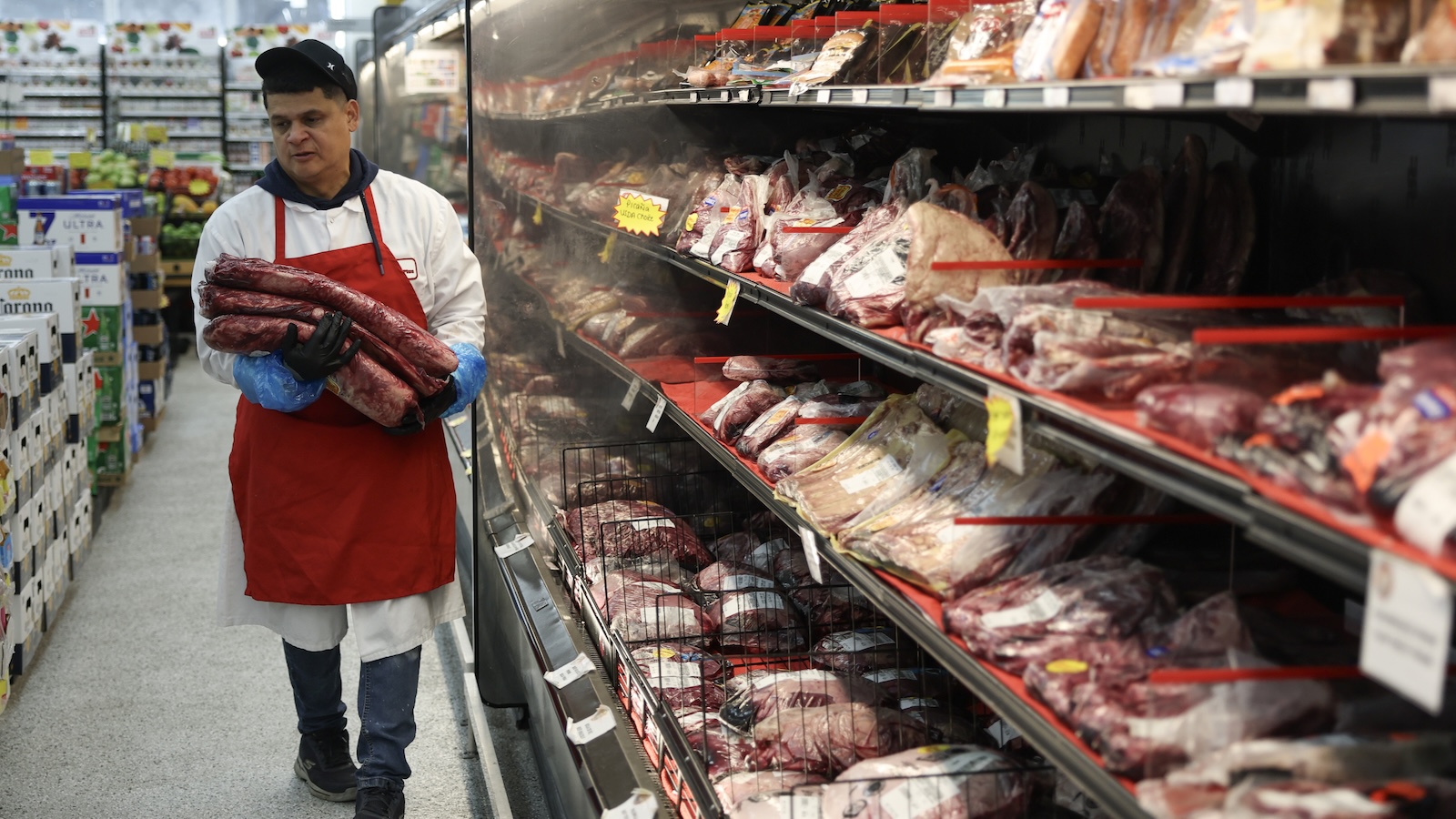
These dual metrics reflect immense and growing pressures from the global food system, explained William Ripple, a professor of ecology at Oregon State University and one of the lead authors of the report. Ripple noted that these figures point directly to meat’s expanding role in the global diet, as well as the heavy environmental toll exacted by that dietary shift. The research team focused heavily on ruminant livestock populations because methane is an extraordinarily powerful greenhouse gas. While methane has a relatively short atmospheric lifespan—breaking down after roughly 10 years—it possesses a short-term warming potential that is 28 times more effective at trapping heat in the atmosphere than carbon dioxide.
However, scientists point out that this atmospheric characteristic also offers a distinct silver lining. Because methane dissipates relatively quickly compared to carbon dioxide, aggressive efforts to reduce methane emissions can serve as an exceptionally powerful and rapid tool to curb global warming in the near term.
A primary mechanism for achieving this reduction is altering production and consumption patterns regarding meat. Ripple emphasized that this represents a vital opportunity for climate action that is frequently overlooked in mainstream policy discussions. Shifting dietary habits toward more plant-based options, particularly in wealthy nations characterized by high per capita meat consumption, could yield a profoundly meaningful environmental difference.
Furthermore, raising cattle and other livestock for human consumption remains one of the primary global drivers of deforestation. The systematic clearing of forested land contributes aggressively to global warming by permanently eliminating critical natural carbon sinks that would otherwise absorb carbon dioxide from the atmosphere. Timothy Searchinger, a senior research scholar at Princeton University who studies the intersection of agriculture and climate change and was not involved in the new report, noted that society cannot realistically hope to solve the climate crisis without putting a stop to the clearing of such carbon-rich natural habitats. He added that halting this destruction is likely impossible unless the world’s wealthier populations scale back their meat consumption, particularly beef.
As a practical example, Searchinger suggested that simply reducing consumption from three hamburgers a week down to an average of 1.5 hamburgers could serve as one of the fundamental everyday ways individuals in countries like the United States can help address the climate challenge.
Ripple and his co-authors also underscore that maintaining such high levels of industrial meat production creates a remarkably inefficient global agricultural system. Cattle require vast expanses of land for grazing, while farmers are compelled to dedicate enormous additional acreage to cultivate feed crops, such as corn and soy, which ultimately go to feed livestock rather than people. That valuable agricultural land could instead be utilized to restore natural carbon-sinking ecosystems or to cultivate crops that feed human populations directly.
At a historical moment when climate change is increasingly threatening global food security, the scientific consensus suggests that humanity can scarcely afford an agricultural system that utilizes so much of its productive capacity in such an inefficient manner. The ultimate takeaway from the research is that there is no credible pathway to successfully addressing global warming without simultaneously transforming what human societies eat and how that food is produced. As Ripple concluded, the rapidly growing global demand for meat is placing unprecedented, unsustainable pressure on the climate, available land, and freshwater supplies at a time when all three critical resources are already severely stressed.