
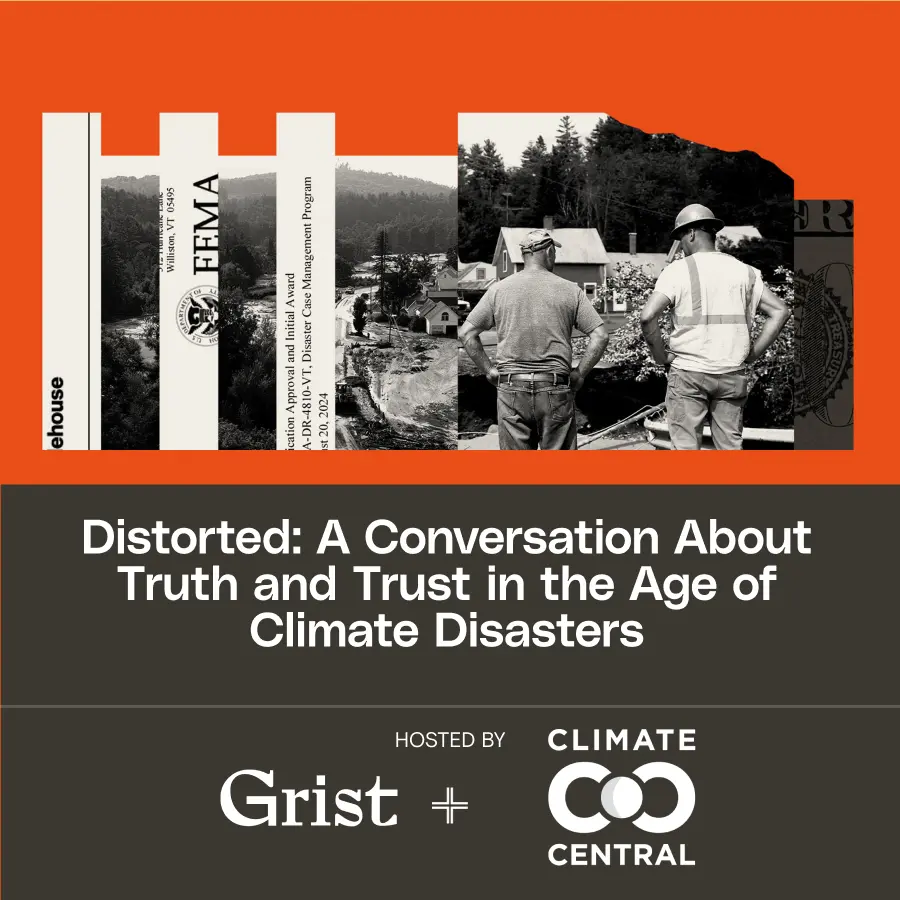
As extreme weather events become increasingly frequent and severe across the globe, they do not only bring physical destruction, power outages, and infrastructural strain; they also create fertile ground for the rapid and widespread dissemination of misinformation. When hurricanes, floods, heatwaves, or severe storms strike, the immediate aftermath is frequently characterized by a volatile mix of circumstances: telecom lines go down, vital communication channels are disrupted, rumors swirl wildly on social media platforms, and people’s deepest fears, anxieties, and frustrations rise to the surface. In these high-stakes moments, the demand for accurate, reliable, and calm information is paramount, yet the obstacles to achieving clear communication have arguably never been greater.
To address this pressing societal challenge, environmental publication Grist and research organization Climate Central are joining forces to host a specialized virtual conversation. The upcoming event brings together a panel of experienced meteorologists, professional journalists, and specialized researchers to explore a critical question: how can society communicate more accurately, thoughtfully, and effectively before, during, and after extreme weather events?
The collaborative virtual gathering is designed to go beyond simply diagnosing the problem of weather-related disinformation and panic. Instead, the organizers intend to provide practical insights, answer audience questions, and offer actionable tips for future conversations. Whether these discussions happen in public forums or private settings, online through digital networks or offline face-to-face within communities, the panel aims to equip everyday citizens, communicators, and professionals with the tools needed to foster clarity rather than confusion during climate-driven crises.
The virtual event is scheduled to take place on October 28 at 1 p.m. Eastern Time. Because the conversation is being held entirely online, interested participants from any geographic location can attend by completing the registration process through Climate Central’s designated online portal.
The intersection of extreme weather and misinformation is a growing area of concern for disaster response agencies, scientific communicators, and news organizations alike. When infrastructure collapses during a major weather event, traditional news gathering and dissemination are severely hampered. In the information vacuum that often follows, unverified reports, exaggerated claims, and deliberate falsehoods can easily fill the void. Social media algorithms, which frequently prioritize engagement over accuracy, can amplify sensationalized rumors faster than local authorities or meteorologists can issue corrections. This dynamic not only causes widespread panic and confusion among affected populations but can also hinder emergency response efforts, as residents may receive conflicting instructions regarding evacuation routes, resource distribution, or safety protocols.
Furthermore, the emotional and psychological toll of extreme weather compounds the difficulty of processing information. When individuals are facing the immediate threat of property loss, displacement, or danger to their loved ones, their capacity for critical evaluation of media content can be compromised. Fear and anger, as noted by the event organizers, routinely come to the surface during these crises, making people more susceptible to narratives that assign blame, predict catastrophic outcomes without scientific backing, or offer false hopes.
The panel discussion hosted by Grist and Climate Central directly targets these vulnerabilities by examining the entire lifecycle of extreme weather communication. By involving meteorologists who understand the scientific realities and forecasting limitations of severe meteorological phenomena, journalists who manage the daily transmission of breaking news under immense pressure, and researchers who study public behavior and media ecosystems, the event offers a multidimensional perspective on the issue. These experts will discuss the responsibilities of media organizations in reporting responsibly without minimizing risks or stoking unnecessary panic, as well as the strategies that scientists and communicators can employ to build public trust long before a storm makes landfall or a heatwave hits.
The conversation also emphasizes the role of interpersonal communication. Misinformation does not live exclusively on broadcast networks or large social media platforms; it frequently travels through text messages, neighborhood group chats, and casual conversations among friends and family members. By addressing how individuals can navigate these private and local discussions thoughtfully, the event acknowledges that stopping the spread of weather-related rumors is a collective responsibility shared by professionals and the general public alike.
As communities worldwide continue to grapple with the realities of a changing climate and the accompanying rise in extreme weather anomalies, the ability to communicate clearly and truthfully remains one of our most vital defenses. The upcoming virtual dialogue between Grist and Climate Central serves as a timely intervention in this ongoing challenge, offering a space for shared learning, expert guidance, and community resilience in the face of both physical storms and the digital tempests that follow them.