
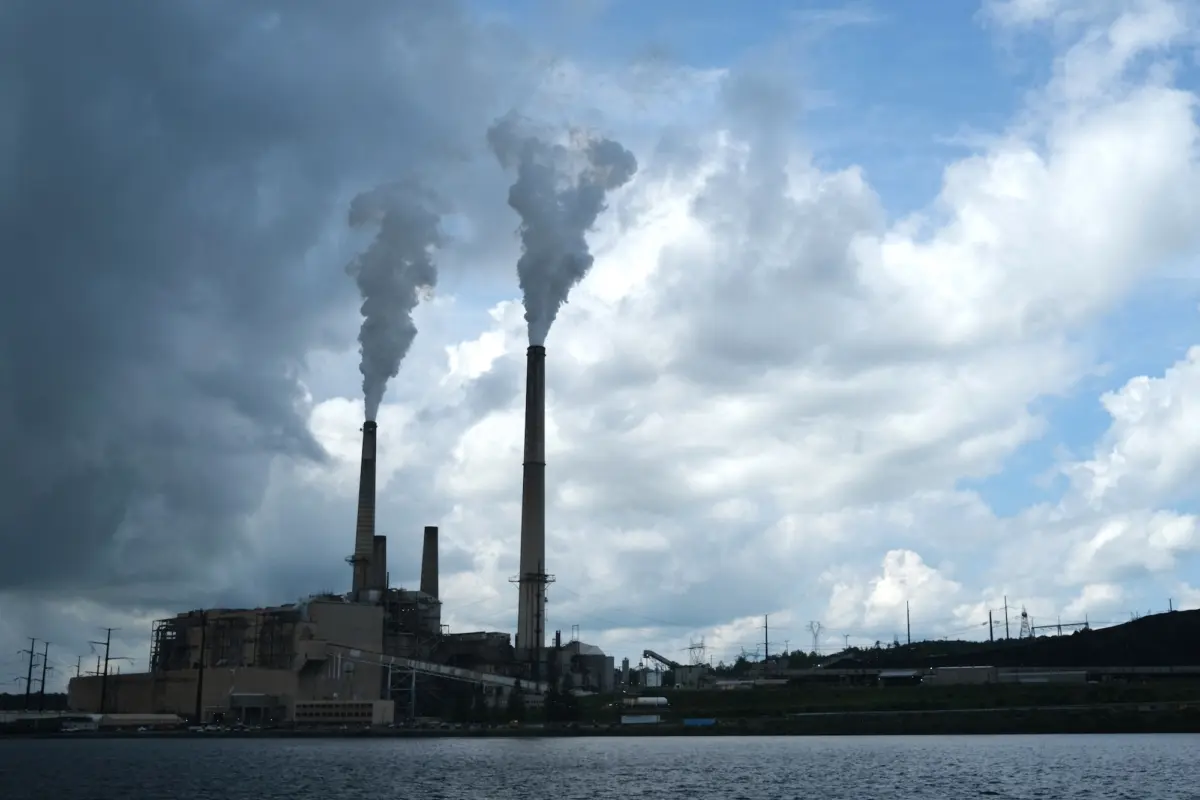
While prominent tech executives and industry leaders frequently command headlines by grandstanding about the theoretical and existential dangers that artificial intelligence superintelligence could pose to the distant future of humanity, a group of former Environmental Protection Agency officials is sounding the alarm on a far more immediate and tangible threat to public health. According to these veteran researchers and administrators, the true danger lies not in speculative sci-fi scenarios, but right on the ground: the massive, power-hungry data centers currently being rushed into construction across the United States to fuel those very same AI models.
The former EPA researchers, who are now lending their expertise to the nonprofit organization Environmental Protection Network, have released a comprehensive and sobering report outlining the environmental consequences of the current technological gold rush. Their findings reveal that since January 2025, the EPA under Donald Trump’s administration has embarked on a systematic and aggressive dismantling of vital environmental safeguards. This campaign includes weakening pollution controls, streamlining and eroding permitting processes, relaxing inspection norms, and rolling back at least 30 distinct regulatory guardrails. According to the report, these cumulative rollbacks threaten to dramatically exacerbate the health risks associated with the unprecedented national data center boom.
The sheer scale of this infrastructure expansion is staggering. There are currently approximately 3,000 operational data centers spread across the United States. However, industry projections and recent tracking indicate that more than 1,500 additional facilities are actively in the planning and development stages. Many of these new digital behemoths are being sited in rural areas, drawn by cheaper land and proximity to power generation assets. Yet, as private developers rapidly build out this vast, energy-intensive network, the country is systematically stripping away the federal regulatory oversight and environmental safeguards that were originally put in place to ensure such massive industrial growth does not compromise public health or safety, the former EPA officials warn.
To understand the gravity of these regulatory retreats, experts look back at the historical mission of the environmental agency. Dan Costa, who spent 35 years at the EPA studying the intricate impacts of air pollution, pointed out that for decades following the agency’s establishment in 1970, it maintained a large, dedicated, and highly skilled cadre of researchers. These professionals were tasked with independently investigating emerging sources of pollution and evaluating new industrial environmental threats before they could harm American communities.
During a press briefing discussing the new report, Costa reflected on the ethos that once guided the agency’s scientific endeavors. Over the decades, he noted, toxicologists, chemists, atmospheric scientists, environmental modelers, and engineers worked closely and collaboratively with academic colleagues across the nation. Their ultimate allegiance was to the American public rather than commercial or corporate interests. The shared goal among these scientists was to faithfully carry out the EPA’s foundational statutory mission of protecting ordinary people from the dangers of industrial air pollution and hazardous emissions.
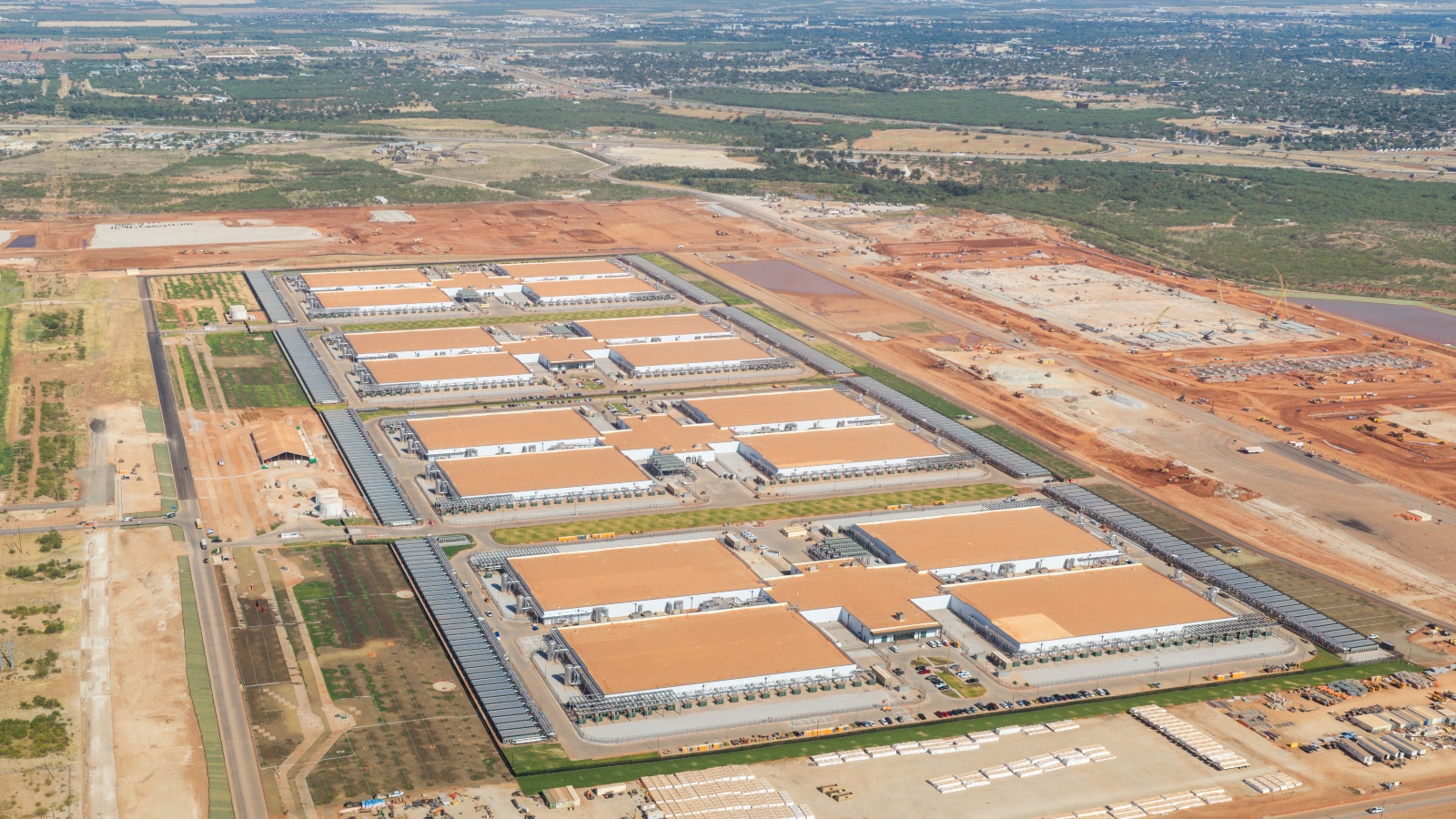
Today, however, that specialized scientific workforce has been severely gutted. The Trump administration has dismantled the EPA’s main research office, fundamentally altering the institutional culture and shifting the agency’s primary priorities entirely away from the rigorous enforcement of established environmental and pollution standards. Costa argued that transforming the nation’s entire energy system to accommodate the demands of the tech sector while simultaneously diminishing the government’s scientific capacity to monitor, measure, and understand the resulting environmental impacts makes no logical or public safety sense.
Despite these warnings from career scientists, the federal government appears firmly committed to accelerating this trajectory. President Donald Trump has made clear his administration’s goal of positioning the United States as the undisputed global leader in artificial intelligence. In a memo released last year, EPA Administrator Lee Zeldin explicitly echoed this political priority, writing that the agency is fully committed to bolstering these technological efforts. Zeldin emphasized that the EPA would actively pursue the reduction of what he termed "heavy-handed regulations" to ensure that American companies can rapidly build and power the massive data centers deemed essential to making the United States the AI capital of the world.
Since Trump’s return to the White House, commercial data center developers have seized upon this favorable political climate, moving aggressively to expand their operations at an unprecedented pace. In numerous instances, this sweeping deregulation has translated directly into keeping older, highly polluting coal-fired power plants online well past their previously scheduled decommissioning dates. These aging facilities are being given a second lease on life simply to provide the continuous, baseload electricity required to keep modern data servers cool and running around the clock.
In other cases, the regulatory easing has manifested as a greenlight for the heavy use of onsite, fossil fuel-powered gas turbines. Prominent tech enterprises and hyperscale data center operators—such as xAI and its massive Colossus facility—have increasingly relied on these local, highly polluting combustion sources to circumvent strained regional electrical grids and meet their insatiable power demands immediately.
Adding to these environmental concerns, the agency has proposed a controversial rule change that would allow commercial developers to bypass standard procedures by beginning the actual physical construction of data centers and their dedicated, associated power plants before they have even secured official air pollution permits. Furthermore, the agency has formally directed its internal enforcement personnel to avoid taking any regulatory actions or compliance measures that could be interpreted as unduly burdening or significantly disrupting domestic energy production or electrical power generation.
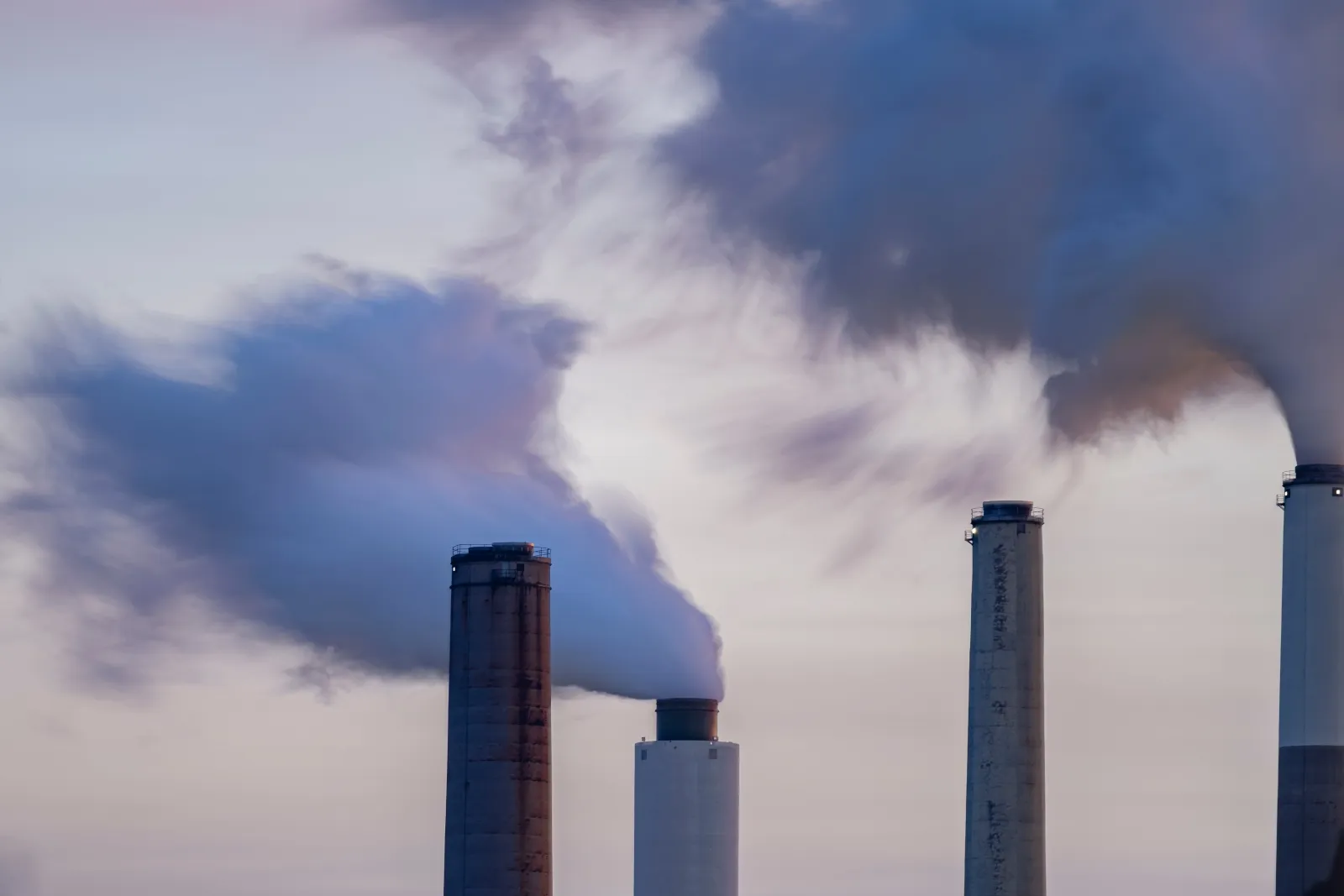
The public health consequences of trading environmental oversight for rapid technological expansion could be severe. According to external academic research cited by the former EPA officials in their new report, the elevated levels of air pollution directly associated with the rapid scaling of the artificial intelligence boom could ultimately lead to approximately 1,300 additional premature deaths across the United States every year.
Dr. Lynn Goldman, a practicing physician and former EPA administrative official who participated in the recent press briefing, emphasized that the health impacts of increased data center pollution will manifest along different timelines. Some medical consequences, such as acute heart attacks, respiratory distress, or premature births triggered by heightened exposure to fine particulate matter and smog-forming emissions, could be felt by local communities almost immediately. Other chronic conditions, such as various forms of cancer linked to prolonged exposure to industrial toxins, may take years or even decades to fully emerge in the exposed population.
As the race for technological dominance accelerates, Goldman cautioned that the ultimate price of this digital progress should not be paid in human lives. The artificial intelligence industry’s relentless drive for competitive advantage, she argued, must not become a matter of life or death for the communities hosting these massive facilities, adding that everyday families should not be forced to subsidize the AI boom with the compromise of their health and well-being.