
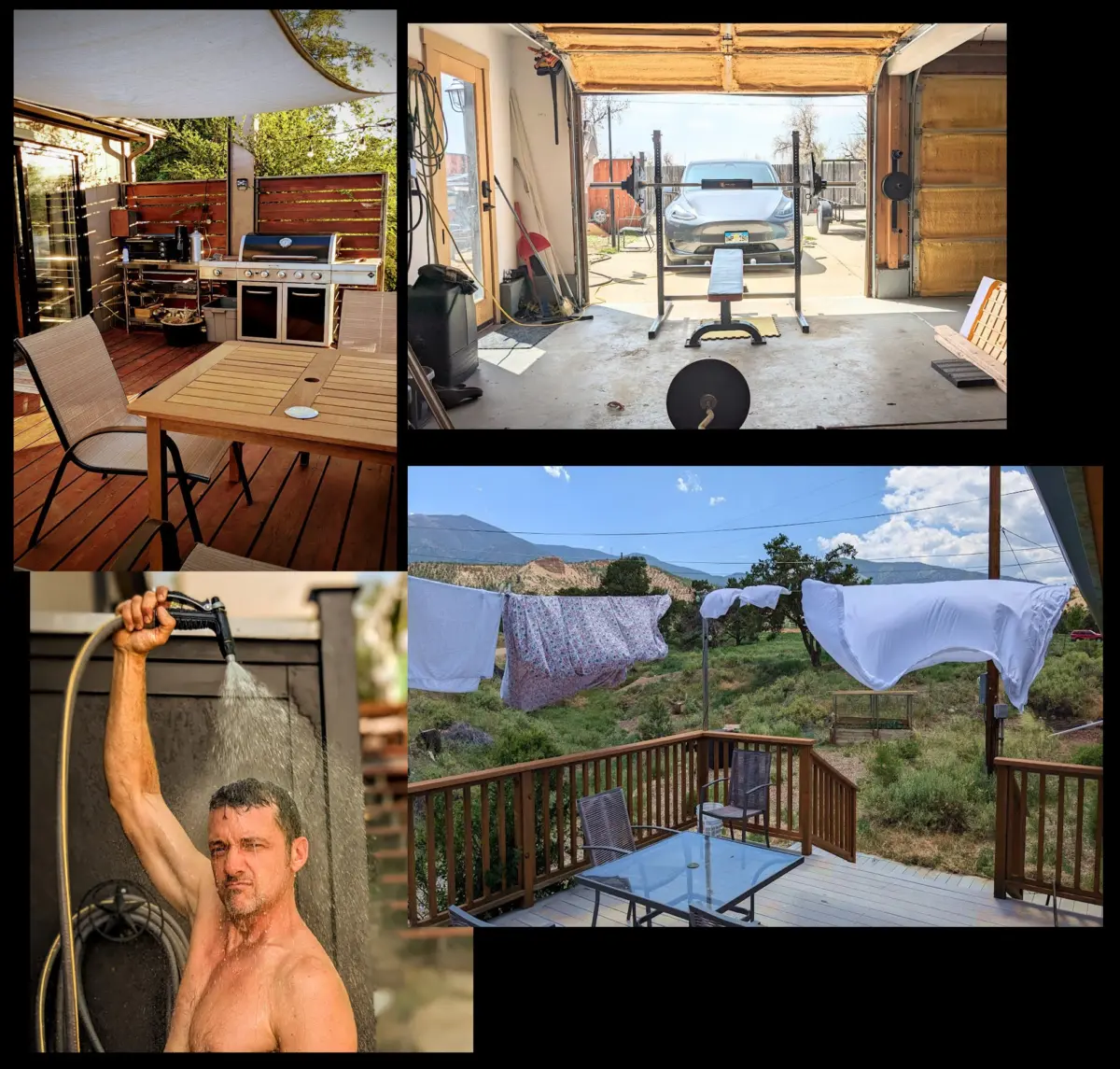
Popular personal finance commentator and blogger Mr. Money Mustache has addressed recurring criticisms that he has drifted away from his money-saving roots as his net worth has grown over the years. In a recent reflective essay, the prominent financial figure pushed back against the notion that his early financial independence strategies are no longer practiced in his daily life, arguing instead that true "Mustachianism" is a holistic lifestyle philosophy centered on efficiency, self-reliance, and personal satisfaction rather than temporary sacrifice.
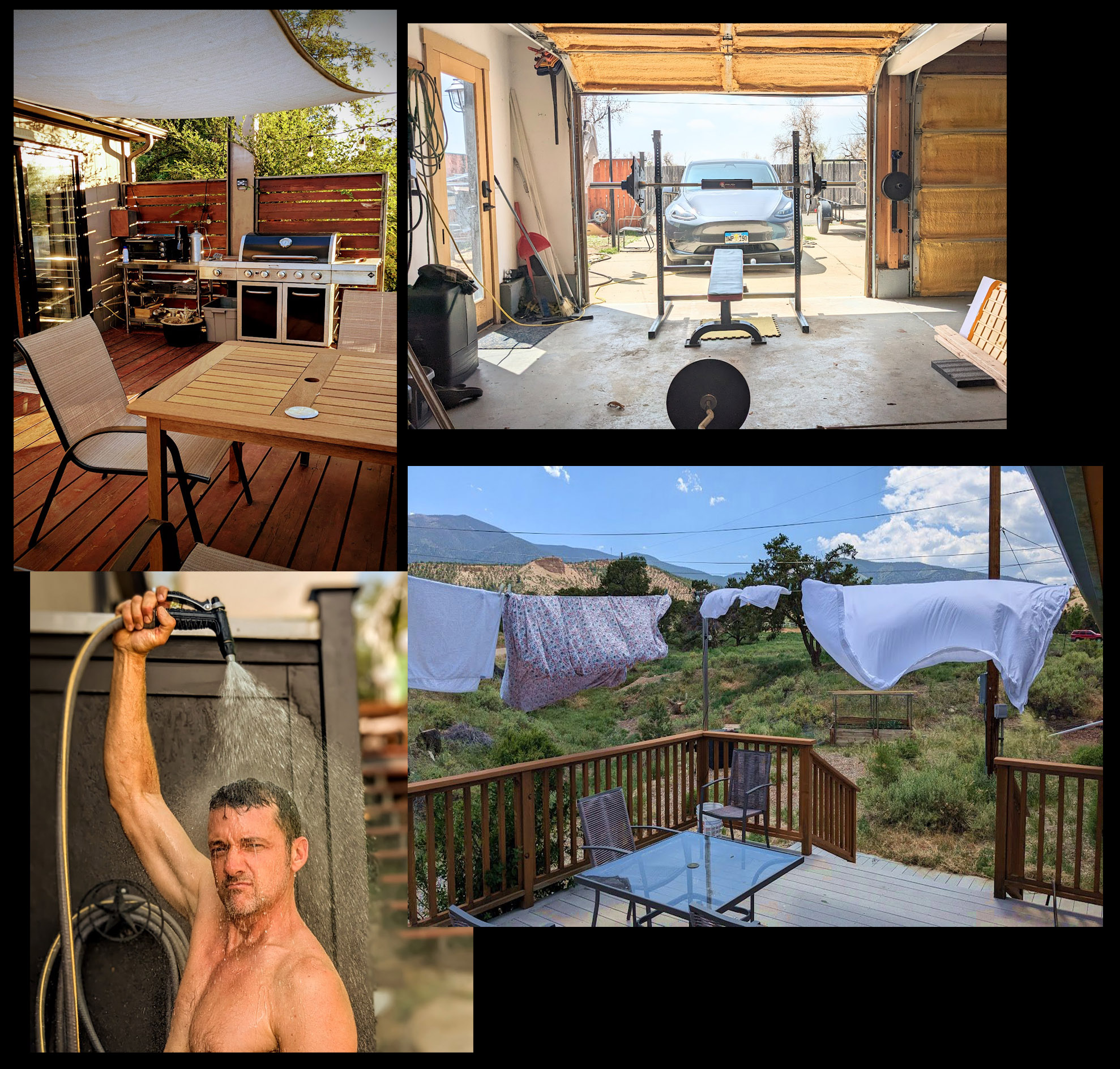
Addressing detractors who claim he has grown too wealthy and fancy to understand the common person’s plight, the author noted that being misunderstood comes with the territory of publishing personal life details online. However, he maintained that skeptics would quickly abandon their conspiracy theories if they could observe the actual daily routines of committed practitioners. According to the commentator, not much has changed regarding the financial basics over the past twelve years, with total wealth levels increasing steadily without requiring drastic changes to spending habits because the underlying lifestyle was designed to be genuinely enjoyable from the outset.
The essay draws a sharp distinction between standard financial advice and the core philosophy of Mustachianism. Standard financial advice typically instructs individuals to slash spending and endure sacrifices until they hit a specific savings percentage, after which personal choices matter little, often paving the way for high-earning individuals to pursue lavish lifestyles under the banner of "FatFIRE." In contrast, Mustachianism encourages the cultivation of a deep appreciation for efficiency, creativity, self-awareness, and self-improvement. These principles are designed to enhance overall quality of life while naturally driving down monthly expense rates over time.

To illustrate how this philosophy translates into the present day, the commentator highlighted several everyday practices that he continues to follow simply because he enjoys them, which coincidentally result in substantial financial savings. To measure the long-term impact of these choices, he applies the "rule of 172," which multiplies a monthly expense saving by 172 to estimate its potential compounded value over a decade when invested.
Focusing first on home maintenance and self-sufficiency, the author emphasized the importance of becoming a producer of the things one most enjoys consuming. Describing a personal passion for architecture, design, and solving problems in old buildings, he spends a significant portion of his free time renovating both his own properties and those of friends. This hands-on approach builds confidence and breaks dependence on outside contractors, translating into an estimated savings of about $20,000 per year, or roughly $287,000 per decade.

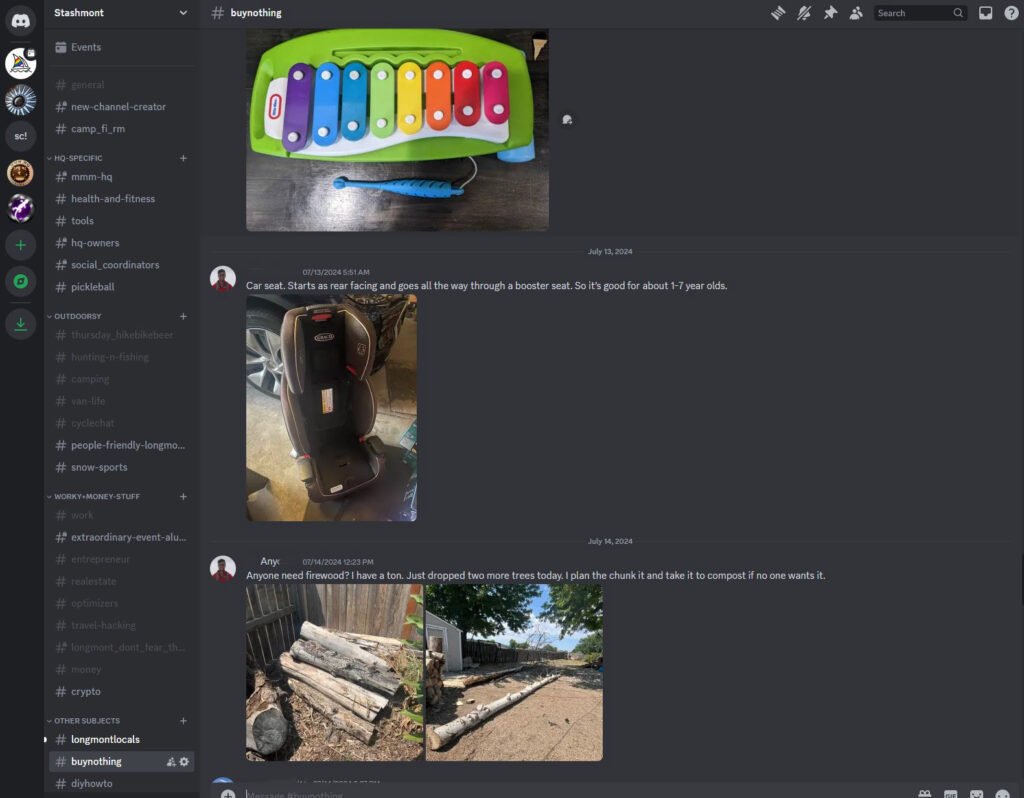
Community sharing platforms also play a major role in modern frugality. While having the financial means to purchase brand-new items delivered immediately to one’s doorstep is convenient, the commentator highlights the greater satisfaction found in sharing, repurposing, and acquiring high-quality items from others who no longer need them. Utilizing platforms like Craigslist, Facebook Marketplace, and NextDoor, alongside a private local Discord community of roughly 200 people who trade goods and coordinate DIY projects, generates an estimated savings of about $42,000 per decade.
Transportation choices remain a cornerstone of the movement, with the author reaffirming his long-standing advocacy for bicycles over cars. While cars cost a significant amount per mile to operate primarily due to depreciation and maintenance, active transportation serves as a primary mode for local trips. Although living in the center of a small city limits local driving to around 2,000 miles per year, this habit accounts for a savings of roughly $14,000 per decade while drastically improving physical and mental health.
Expanding on the theme of physical health, the commentator highlighted a preference for muscle power over motorized convenience whenever possible. Choosing stairs over elevators, running golf courses instead of riding in carts, moving furniture independently, and handling yard work manually rather than relying on machines are framed around a simple question regarding personal fitness. By maintaining an active lifestyle and avoiding the high healthcare expenditures common in the United States, the estimated health-related savings and benefits are projected at roughly $10,000 per year, equating to $140,000 per decade.
Energy efficiency within the home represents another intersection of personal quirkiness and financial savings. Describing his living space as an "Energy Efficiency Playground," the author incorporates passive solar heating through strategic window placement and engages in continuous home experiments. Even with a combined gas and electric utility usage that runs significantly below the local average—saving about $30,000 per decade—the true reward lies in the creative engagement of managing the home environment.

Finally, the commentator contrasted constant travel with the benefits of local living. By frequently opting to stay home, savor local surroundings, and host friends rather than taking frequent long-distance vacations, families can avoid steep travel expenditures and incidental costs. Replacing just two weeks of family travel with time spent at home and within the local community can yield substantial financial and social benefits, estimated at roughly $143,000 per decade when factoring in direct cost reductions and the value of local friendships.
When totaled together, these everyday habits compound to an estimated $656,000 every decade, a sum that more than doubles the median wealth accumulated by most American seniors approaching retirement after decades of traditional workforce participation. The commentator noted that these figures demonstrate how simple, intentional lifestyle adjustments can generate significant financial security without requiring extreme deprivation. Rather than demanding exhaustive effort, Mustachianism relies on making daily routines slightly more efficient and deliberate than average, proving that sustainable frugality can remain an enjoyable and effective strategy long after achieving financial independence.