
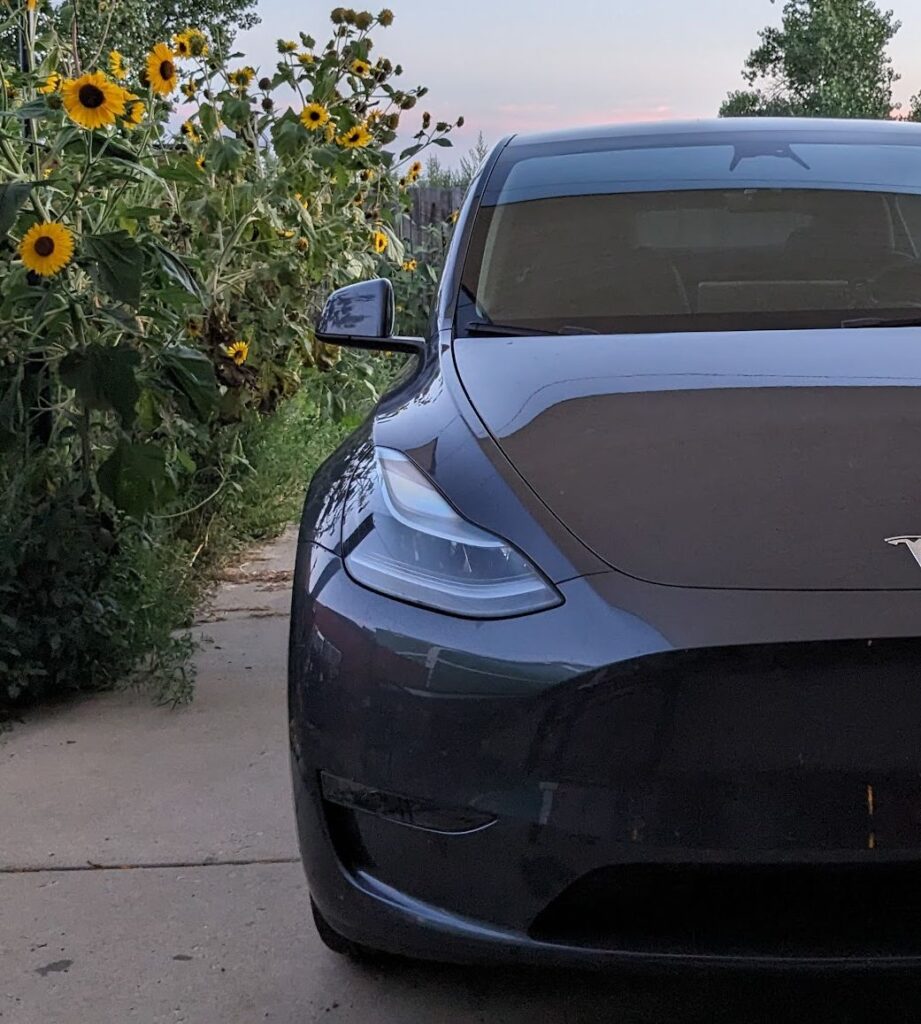
Nearly two years after surprising his devoted following by purchasing a brand-new Tesla Model Y as part of a conscious effort to loosen his purse strings, famed early-retirement blogger and frugal-living pioneer Mr. Money Mustache has tallied up the results of his spending experiment. The outcome offers a fascinating look at the true cost of living comfortably in retirement when basic overhead like housing is entirely eliminated.
Reflecting on the lifestyle shift, the financial personality noted that adopting an "abundance mindset" involved a distinct departure from his usual hyper-frugal habits. For the past couple of years, the goal was to spend a bit more money and enjoy the fruits of decades of disciplined saving.
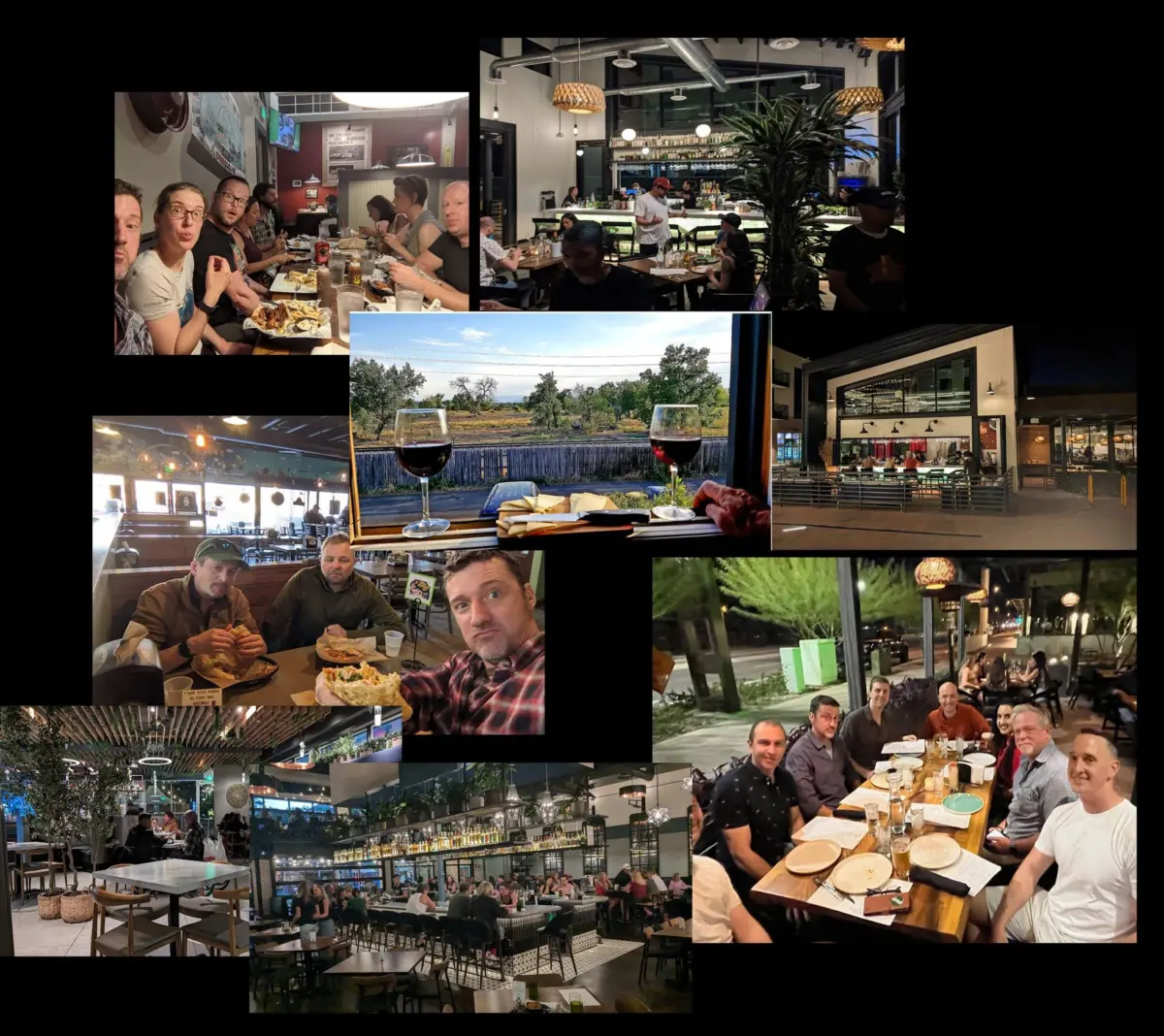
The lifestyle adjustments were immediate and noticeable to anyone watching. Rather than pinching pennies, he embraced a routine marked by comfortable travel, fine dining, and leisure. Trips included a heavy rotation of late-night electronic dance music concerts, visits to multiple Meowwolf art installations—culminating in a Christmas Day road trip from a winter home in Tempe, Arizona, to Las Vegas—and frequent travel to conferences like Camp Fi.

Day-to-day choices shifted as well. Hotels were booked based on amenities and comfort rather than the absolute lowest price point. Air travel included paying extra for seats offering a modicum of comfort, and grocery shopping trips abandoned strict allegiance to discount warehouses in favor of the convenience and specialty items found at high-end markets like Whole Foods.
With all this newly minted discretionary spending, the expectation was that overall annual expenses would balloon back into typical American consumer territory. However, because he was having too much fun exploring new places, meeting new people, and enjoying an open schedule as a single man, he delayed adding up the numbers. It was only recently, during a casual coaching session with a friend where they decided to compare notes and tally their respective outlays for the year, that the actual figures came to light.
When the transactions were sorted into a spreadsheet and totaled, the results surprised even him. While overall spending did increase—driven primarily by travel-related categories—the big-picture financial impact remained remarkably modest. Depending on how business expenses and vehicle accounting are factored in, total annual spending moved from roughly $20,000 to approximately $30,000, supplemented by the hidden subsidy of a fully paid-off home.
At this level of expenditure, the lifestyle remains easily sustainable by a standard $1 million investment nest egg. Because his actual investment portfolio sits significantly higher than that threshold—bolstered by years of economic growth and a resilient stock market rally—his current spending rate remains well under budget.
Although he joked that he technically "failed" to reach the higher spending levels traditionally recommended for wealthy retirees, the experiment was deemed a success from a fulfillment standpoint. Adopting an abundance mindset brought genuine enjoyment, proving that lifestyle experiments can enrich daily life without derailing long-term financial security.
A detailed look at the financial breakdown reveals where the money actually went over the course of the year. Total personal and business card expenses combined to reach $30,026.76.
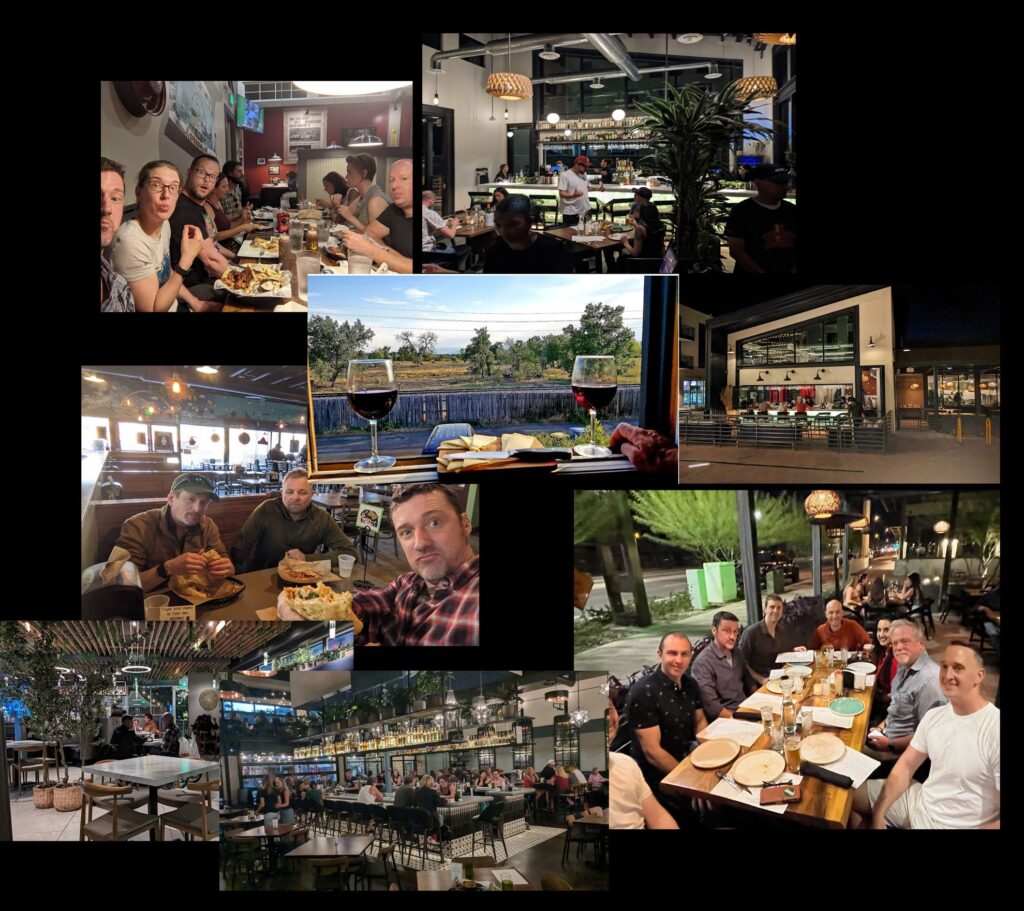
Groceries accounted for $5,960.39, covering food for himself, his young adult son about half the time, and occasional guests. Restaurant spending totaled $2,243.59, reflecting outings reserved specifically for special entertainment rather than mere sustenance. Travel expenses formed a larger share at $6,158.77, which included business and leisure trips to destinations and events such as Camp Fi.
Utilities amounted to $1,909.51, while Amazon and house-related expenditures hit $3,554.10, noting that roughly 75% of those business-card transactions represented construction materials for clients—typically friends—that were fully reimbursed via invoice. Spending on wine and beverages for entertaining totaled $250.67.
Healthcare costs came to $3,536.66. This remarkably low figure was achieved through a combination of a Direct Primary Care subscription and a high-deductible health-sharing organization known as Sedera, alongside out-of-pocket spending on advanced screening blood tests for educational purposes.
Automobile expenses stood at $2,425.21, primarily covering vehicle insurance and registration, while phone and internet services totaled $1,410.56, featuring a high-speed gigabit internet connection and a modest mobile phone plan. Finally, property taxes added $2,577.30 to the ledger, a reasonable sum given the valuation of homes in his neighborhood.
Comparing these figures to his previously published spending records from 2019 demonstrates that inflation and lifestyle inflation combined have only marginally raised his baseline costs. While he spent significantly more on travel and recreation, home renovation costs dropped because frequent travel left him with less time for DIY projects around the house. Healthcare insurance also represents a new recurring expense compared to years past when he was self-insured.
The single largest factor keeping his expenses exceptionally low is the complete absence of a housing payment. Having paid off his mortgage long ago, and taking pride in performing his own home maintenance, he avoids ongoing bills for lawn care, plumbing, tree pruning, and handyman services.

While he acknowledges that paying off the mortgage early might not have been the absolute optimal financial move compared to taking out a low-interest loan during the real estate and borrowing peaks of recent years and investing the difference in index funds, the psychological peace of mind is invaluable. Furthermore, owning the home outright eliminates the need for expensive homeowners insurance, saving another $2,000 annually and boosting the effective return on that capital allocation.
On the healthcare front, maintaining good health and experiencing good fortune has kept actual medical bills near zero. By pairing a direct primary care medical clinic membership with a health-sharing ministry, his monthly out-of-pocket medical overhead sits around $308, offering personalized primary care alongside protection against catastrophic medical bills without the high premiums of traditional commercial insurance plans.
Evaluating how to further optimize his life, he reflects on a core principle of happiness: fixing persistent day-to-day annoyances is often more effective than simply doubling down on things that are already working well. With his family, relationships, health, and daily activities running smoothly, his primary lingering friction point is physical space constraints. Space-intensive hobbies like carpentry and music occupy a standard two-car garage, leaving his current home feeling maxed out. While a larger workshop or a future mountain property remain intriguing possibilities, he continues to weigh whether adding complexity to his life is genuinely worthwhile when his current routine is already rich with fulfilling commitments.
As he looks toward the months ahead, the focus remains on maintaining curiosity, managing his time efficiently, and embracing new challenges. Meanwhile, with potential policy shifts on the horizon regarding federal electric vehicle tax credits, he continues to advocate for the value found in the current EV market, pointing to historically low prices on popular models for those considering their own vehicle upgrades.