
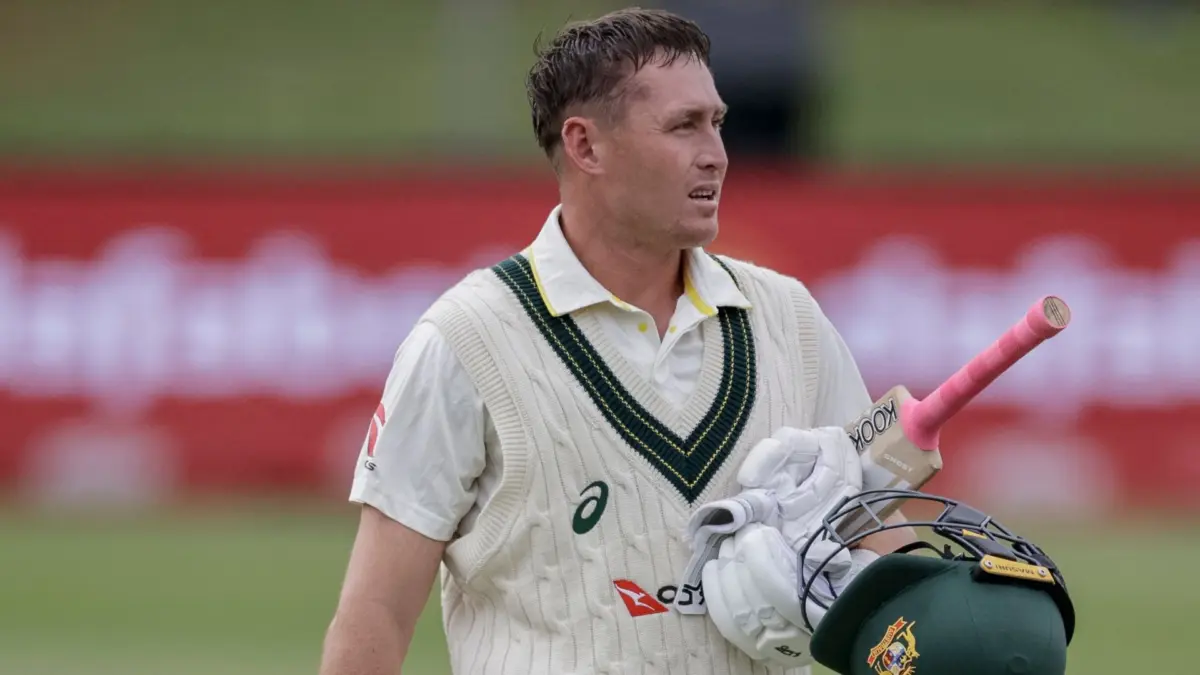
Australia are about to step onto the field in Cape Town for a Test match that carries an immense psychological and professional weight. It marks their first red-ball appearance at Newlands since the infamous ball-tampering scandal of 2018—an incident that permanently altered the landscape of Australian cricket, temporarily halting the careers of several key figures and prompting deep soul-searching across the nation’s sporting establishment.
Now, history repeats itself in a different yet equally intense context. Should Australia lose to South Africa this week in the series-deciding third Test, live on Sky Sports Cricket, the fallout could extend far beyond a missed trophy. It is a match of such critical proportions that a number of international careers could effectively be brought to an abrupt end.
The Baggy Greens arrive in the Western Cape nursing severe wounds following an emphatic defeat in Gqeberha, where they were humbled by an innings and 31 runs. In that chastening encounter, the touring batting lineup completely collapsed, torpedoed for a meager 99 runs in their first innings. The performance has left the Australian camp searching desperately for a response. If that reaction fails to materialize on the pitch, the ensuing backlash from the notoriously unforgiving Australian media could prove to be more abrasive than the piece of sandpaper Cameron Bancroft attempted to conceal down his trousers eight years ago.
The underlying structural issues within the Australian batting order have been creaking for a considerable period. During last winter’s 4-1 Ashes thrashing of England on home soil, the team’s scoring was largely held together by the individual resistance of Travis Head, Steve Smith, and wicketkeeper-batsman Alex Carey, while several other top-order specialists toiled for form. In the current series against South Africa, the batting frailties have been laid bare once again. The tourists have managed a meager total of only three individual scores exceeding fifty across the entire campaign thus far—one coming from the bat of Head and two from the reassuring presence of Matt Renshaw.
Without Head’s brilliant intervention in Durban, the situation for the tourists would have appeared even grislier. His masterclass of 121 in the second innings accounted for an astonishing 81 more runs than the next highest score registered by any of his Australian teammates in the entire game. Even the legendary Steve Smith—who received a severe ban for the leadership role he played as captain during the 2018 ‘Sandpapergate’ scandal, alongside Bancroft and David Warner—has stuttered alarmingly on this tour. Smith’s returns have included three innings in the twenties alongside a low knock of just three runs.
Compounding his struggles with form, Smith was hampered by a troublesome neck problem during the heavy defeat in Gqeberha and faces a anxious, late fitness test ahead of the winner-takes-all Cape Town finale. Should he fail to prove his fitness, his absence might inadvertently aid Marnus Labuschagne’s increasingly desperate hopes of retaining his place in the starting XI.
Labuschagne and Selector Bailey Under Intense Pressure
The scrutiny on Marnus Labuschagne has intensified week by week. Former Australia captain Ricky Ponting recently branded Labuschagne’s spot in the team as "untenable" following a lean return of scores on home soil against Bangladesh, a dry spell that left him without a Test century in 43 consecutive innings, stretching all the way back to the 2023 Ashes series in England. That drought has now extended to an alarming 47 innings without reaching three figures.
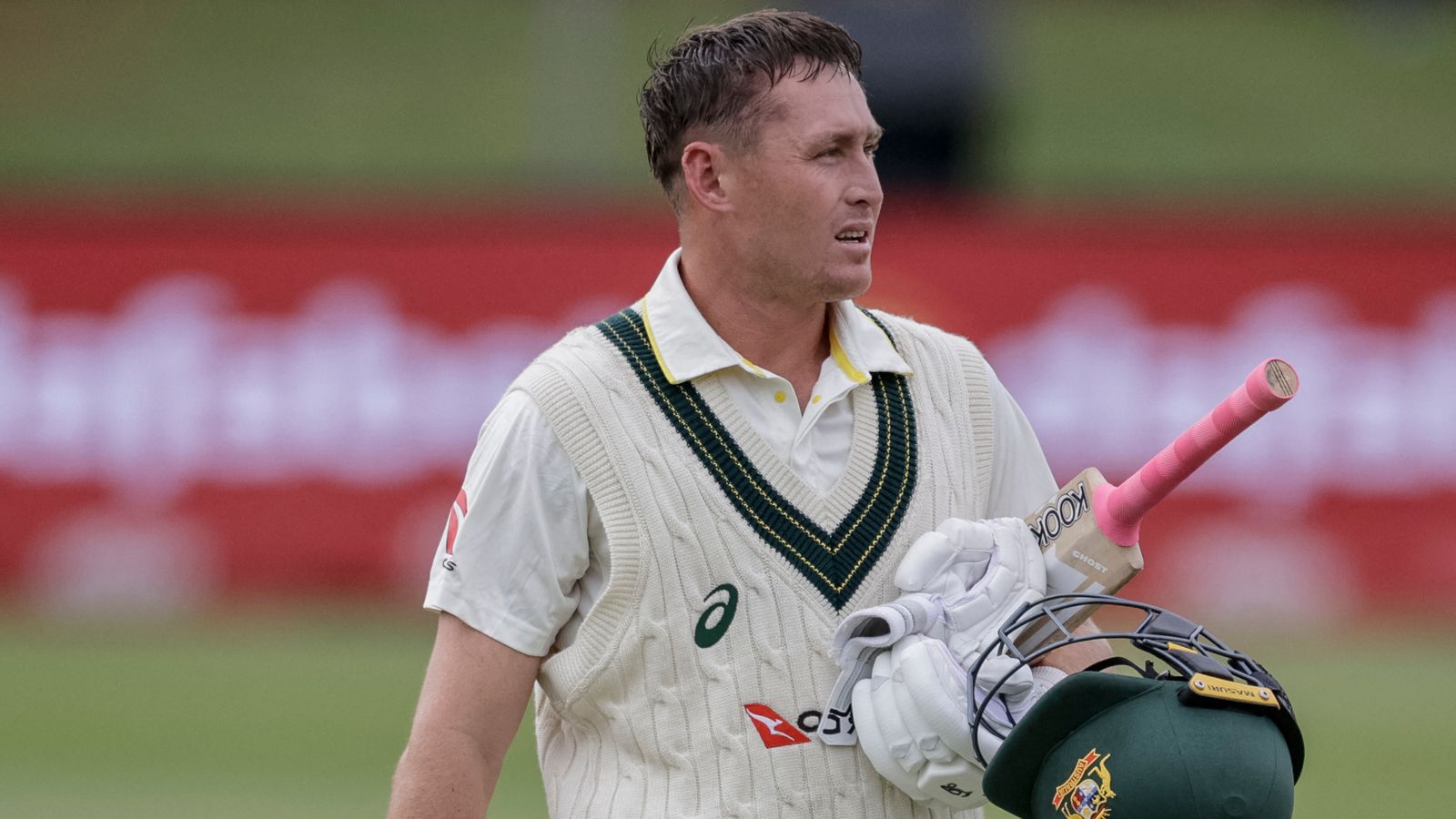
Labuschagne has rarely looked entirely out of touch during the early phases of his innings in South Africa—the country of his birth—reaching the thirties in three of his four outings. Yet, crucially, he has entirely failed to kick on and convert those promising starts into substantial, match-defining contributions.
His dismissals on this tour have frequently highlighted technical frailties and mental lapses. He has been pinned lbw, sliced loosely to cover, and brilliantly caught by Simon Harmer at gully. Most damagingly, he suffered a criminal dismissal during the second innings of the second Test—a match Australia were desperately trying to save—when he inexplicably holed out to long-on with his team under immense pressure.
If Labuschagne is omitted from the team this week, it could well spell curtains for his current Test career. If he is selected and fails once more, the outcome is likely to be identical. Furthermore, should Australia fail as a collective unit in the series finale, the mounting pressure will inevitably shift toward head selector George Bailey and the selection panel.
Former Australia skipper Steve Waugh remarked prior to the Ashes series that Bailey had previously shown a notable lack of "appetite" to make the difficult, high-stakes calls required at the international level. Meanwhile, the controversial selection of the now-jettisoned Nic Maddinson for the arduous South Africa tour was openly panned at the time by former opening batsman Matthew Hayden.
Maddinson Experiment Highlights Broader Depth Issues
Nic Maddinson, now 34 years of age, had not played a single first-class match since March 2025 following a harrowing testicular cancer diagnosis. Having previously averaged just 6.75 from his first three Test appearances back in 2016, his surprise recall sparked fierce debate within the Australian cricketing fraternity.
Matthew Hayden did not mince his words, accusing the selection panel of "disrespecting first-class cricket" and warning that they were "promoting the greatest pile of mediocrity that we’ve seen in a generation of cricket."
Maddinson’s performances on the tour did little to silence those fierce critiques. He proved to be even less productive than mediocre, finishing the series with a paltry batting average of 14 after amassing a total of just 56 runs across four knocks. That tally was heavily skewed by a single innings of 48, which punctuated a disappointing sequence that included a 33-ball duck, a four-ball duck, and a scratchy eight runs from ten balls.
In the wake of those struggles, Maddinson has officially been released from the touring squad, paving the way for Matt Renshaw to return to the top of the order and open the batting alongside Travis Head in Cape Town.
Considering the immense physical and mental adversity Maddinson overcame in his personal battle with illness, neutral observers and fans alike were genuinely rooting for him to succeed on his international return. The fact that he could not find his footing raises deeper, more systemic questions over whether a younger, in-form player should have been given the opportunity instead.
A range of emerging batting talents had been mentioned as viable alternatives, including Ollie Davies, Sam Konstas, Campbell Kellaway, and Nathan McSweeney. However, the fundamental problem confronting Australian cricket is that, unlike in previous golden eras when they could reliably call upon domestic players averaging north of 40—many of whom honed their craft through rigorous stints in English county cricket as well as the Sheffield Shield—such an abundance of ready-made Test-standard talent simply does not exist in the wings at present.
All of the young prospects currently knocking on the door tend to average in the mid-30s or lower in first-class domestic cricket, leaving selectors in a perpetual dilemma over whether to persist with out-of-form veterans or blood inexperienced youngsters prematurely.
Bavuma Seeks to Extend Remarkable Captaincy Record
By stark contrast, South Africa enter the high-stakes finale with a reliable, virtually guaranteed source of runs anchored by their inspirational captain, Temba Bavuma. The Proteas skipper produced a magnificent, gritty knock of 179 from 334 balls in Gqeberha, a masterclass that elevated his batting average to an impressive 49.95 across his last 28 Test matches.
Bavuma’s resolute century in the previous match was compiled after he was forced to the crease with his team wobbling at 12-2. Demonstrating exceptional tactical awareness and technical fortitude, he remained a calming presence at the other end even as the Proteas suffered a dramatic middle-order collapse that left them tottering at 110-6. Refusing to yield, he shepherded the tail to guide South Africa to a formidable total of 425-9, ultimately setting up a comprehensive victory and celebrating the 12th win of his tenure in his last 14 Tests as captain.
The fixture in Cape Town presents Bavuma with a golden opportunity to stretch that remarkable record to 13 wins from 15 matches, unless an under-fire Australia side can somehow summon an extraordinary response at Newlands.
Unlike their visit in 2018, the tourists will be looking to engineer that turnaround strictly within the laws of the game.
Watch the series-deciding third Test between South Africa and Australia from Cape Town, live on Sky Sports Cricket and Sky Sports Main Event from 7.30am on Tuesday, with the first ball scheduled for 8am.