
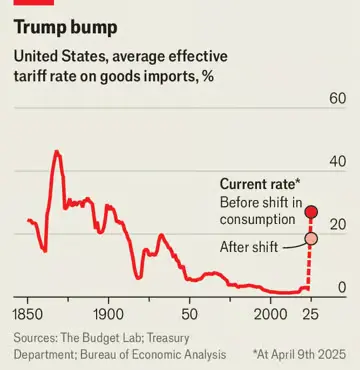
The financial markets have spent much of the year on a wild roller coaster ride, marked by sharp drops and subsequent recoveries that have tested the nerves of investors and early retirees alike. After putting a definitive cap on a multi-year climb in early 2025, the stock market entered a period of intense volatility. At its lowest point, the market shed a full 20 percent of its value before mounting a dramatic recovery that brought indices back near their previous peaks. While stock market fluctuations rarely come with neat and tidy explanations, analysts point to a single dominant catalyst behind the turbulence: sweeping international tariffs.

As trade policies have whipped the global economic landscape around like a tent in a hurricane, stakeholders across the country have scrambled to decipher the long-term implications. The outcome of ongoing international trade disputes remains uncertain, yet the tangible effects are already rippling through the commercial sector. Businesses are bracing for structural shifts, currencies and interest rates are reacting in real time, and everyday investors are reassessing the future of their portfolios. Reactions among the public range from dismissive optimism to profound anxiety about the economic outlook, forcing a closer look at the mechanics of tariffs and how they genuinely affect the broader economy.
What is a Tariff?
At its core, a tariff is a sales tax levied by a national government on goods imported from abroad. These duties are paid directly by the importing entity. For an individual consumer, this means paying extra when ordering a product directly from an international manufacturer. For major retail corporations such as Amazon, Walmart, or Apple, it means absorbing or passing on the costs of importing merchandise by the container ship.

Crucially, economic reality dictates that tariffs are ultimately paid by the end consumer rather than the exporting nation or the importing corporation. When a retailer faces increased costs of goods, profit margins narrow unless retail prices are adjusted upward. Furthermore, tariffs impact domestic industries directly. Major construction projects, such as building a new retail center or energy infrastructure, become significantly more expensive when tariffs are applied to essential materials like steel, copper, and lumber. Because housing construction relies heavily on globally sourced building materials, these taxes inevitably drive up the cost of real estate as well.
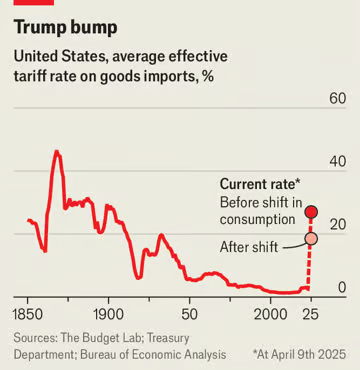
In broader terms, tariffs function like any other widespread sales tax, generally resulting in higher prices across the board. The macroeconomic effect is typically a slowdown in overall economic velocity and a reduction in consumer spending power. On the fiscal side, the collected revenue flows directly into government coffers, which can theoretically contribute to the national budget and reduce deficits. However, the overarching health of an economy relies on tax levels remaining as low as possible while adequately funding public operations, alongside maintaining a predictable framework that allows businesses and individuals to plan for the future. Current trade policies, marked by abrupt shifts and shifting numerical threats, stand in stark contrast to that predictability.

Exploring the Arguments for Protectionism
Proponents of tariffs often point to their role in protecting domestic industries from foreign competition. For example, imposing a heavy tax on imported automobiles creates an artificial competitive advantage for domestic manufacturers like General Motors, allowing them to capture a larger market share and increase profits. While domestic automakers and their employees may benefit from this protective shield, consumers typically bear the cost through higher vehicle prices and a diminished selection of options.
This protectionist strategy can serve strategic national interests, such as safeguarding domestic aerospace manufacturers to ensure a reliable supply of fighter jets for national defense. However, it can also stem from political lobbying, where industries secure targeted protections at the expense of the wider economy. Bipartisan support for certain trade restrictions has persisted across multiple administrations. Past measures targeting imported solar panel components, for instance, demonstrate that protectionist impulses cross party lines. Restricting access to inexpensive, reliable energy infrastructure temporarily protects specific domestic manufacturers while raising the cost of living and operating for everyone else, blocking the flow of efficient wealth across borders.
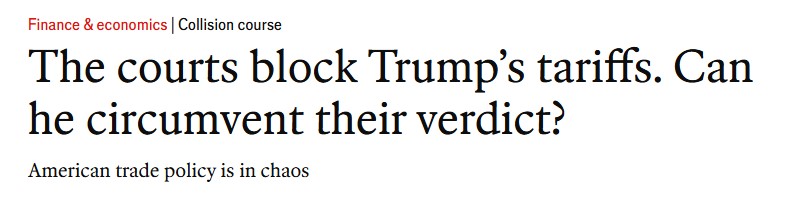
The Complex Relationship Between Tariffs and Employment
Examining the employment angle reveals a classic economic trade-off. Returning to the hypothetical auto market, a steep tariff on imported vehicles pushes consumers toward domestic alternatives. Higher sales prompt domestic manufacturers to expand production, hire additional workers, build new factories, and invest in research and development.
Yet this localized boom comes at a steep price for the rest of the economy. When vehicles become more expensive, logistics and delivery networks must allocate more capital to fleet maintenance, leading to incremental price increases on consumer goods. Every sector operating within an artificially inflated cost environment becomes slightly less efficient, which can stifle innovation and delay entrepreneurial ventures. Furthermore, insulated from international competition, domestic manufacturers face reduced pressure to innovate or streamline operations, ultimately slowing their long-term trajectory even as short-term profits rise. Because of these cascading effects, mainstream economists generally agree that tariffs should be applied sparingly, reserved primarily for critical issues like national security or food security where standard market efficiencies take a secondary role.
Market Realities and the Consumer Lag
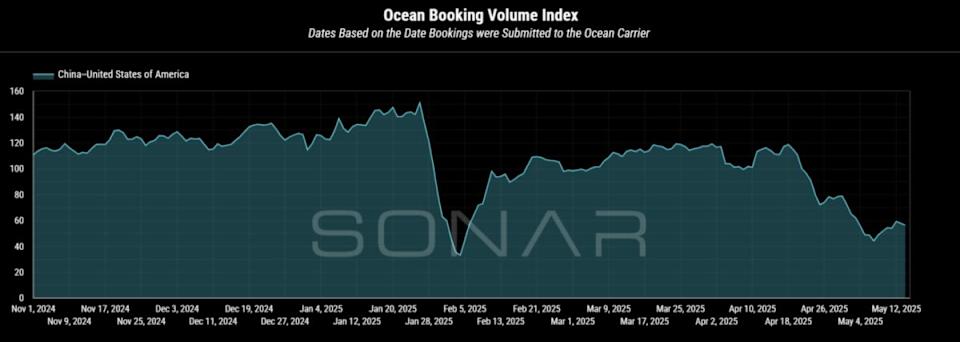
Despite dramatic policy announcements and fluctuating trade threats, the U.S. economy functions much like a massive cargo ship with deep momentum and an extensive inventory. Consequently, consumers do not see immediate price spikes the moment a tariff is announced. Businesses typically maintain months of inventory, and anticipating trade policy shifts, many importers accelerate their purchasing to stockpile goods before duties take effect.
As existing stockpiles deplete and new import volumes decline due to higher costs, the delayed effects inevitably catch up. While consumers can easily absorb price increases on non-essential novelty items, restrictions on core industrial machinery and essential tools carry far more severe economic consequences.
Scenarios for the Future of Trade
Economic forecasting currently revolves around two primary trajectories. In the first scenario, high tariff rates become a permanent fixture of economic policy. This path would likely entail prolonged trade friction, retaliatory measures from global partners, persistent inflationary pressures, and a structural shift toward domestic production at a significantly higher baseline cost.
In the second scenario, tariffs serve primarily as a high-stakes negotiating tactic designed to extract concessions, eventually giving way to a return to historically low trade barriers. Given the deep integration of global supply chains and the historical benefits of open trade among friendly nations, the latter outcome remains the preferred path for market stability. Prosperity has historically flourished when goods, services, and ideas move with minimal friction, allowing nations to collaborate rather than isolate.

Media Sensationalism and Long-Term Investing
The recent market volatility highlighted the dangers of reacting emotionally to news headlines. Following major policy announcements, indexes experienced historic drops, prompting some panic-driven selling that locked in permanent losses. Yet, as subsequent weeks unfolded, markets rebounded whenever proposed tariff measures were dialed back, reflecting underlying investor confidence in an eventual return to stable trade relations.
Navigating modern financial news requires recognizing the inherent bias of commercial media outlets toward generating outrage and fear to capture attention. Rather than relying on sensationalized headlines, long-term investors emphasize foundational principles: maintaining diversified portfolios, understanding the difference between short-term noise and structural economic reality, and remembering that well-functioning markets have historically weathered political turbulence and emerged resilient over time.