
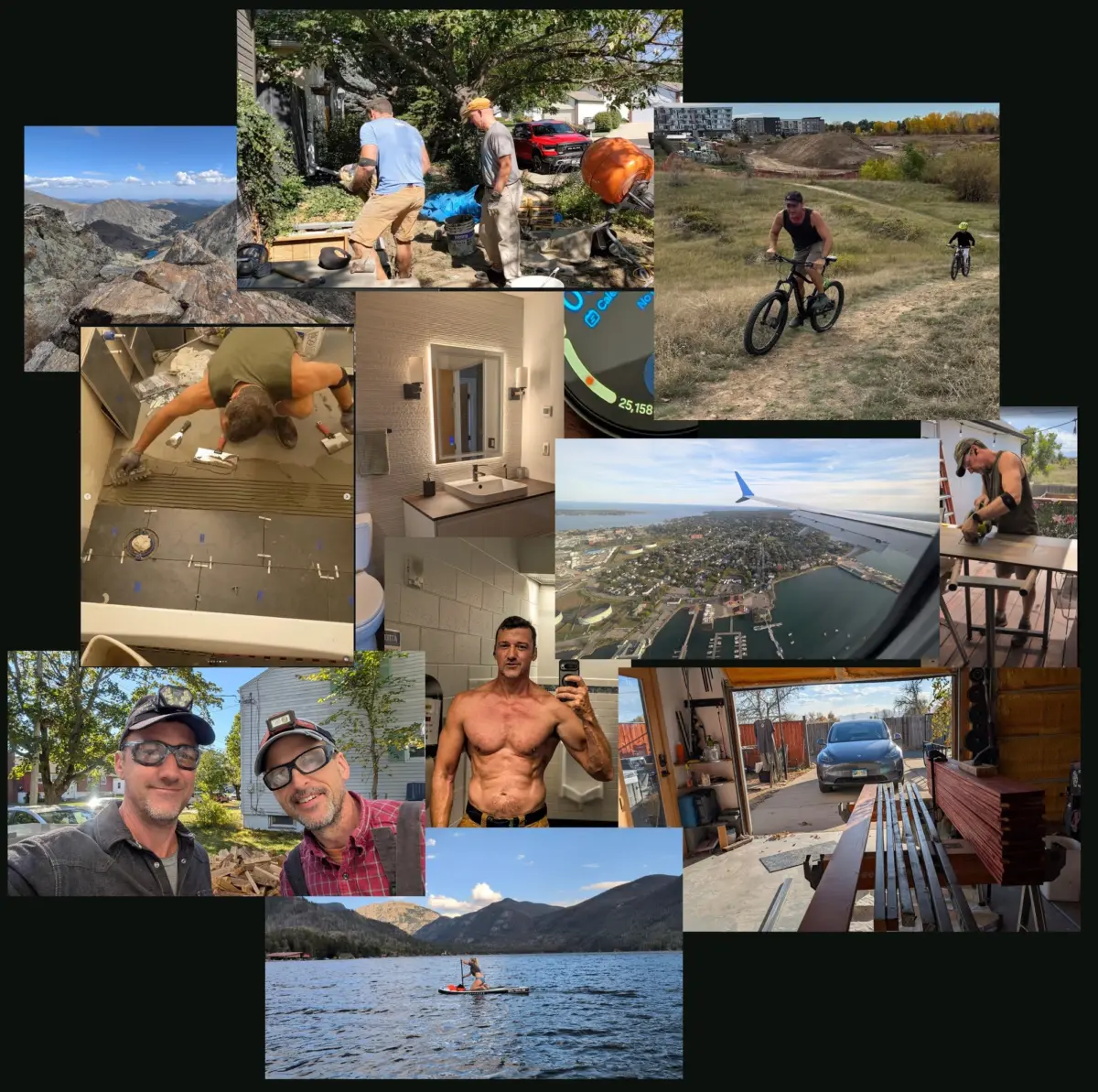
As a man of science, the protocol is clear: hide any personal enthusiasm about controversial subjects and direct inquiries exclusively toward peer-reviewed studies. Yet, the feeling of stumbling upon a modern-day fountain of youth can be difficult to ignore. As more details, public hype, and ongoing controversies surrounding hormone replacement therapy come to light, the urge grows to share these insights with fellow middle-aged adults, both men and women, who might be quietly navigating similar physical shifts.
Long before delving into the complexities of endocrinology, an interest in personal optimization and pushing the limits of the human mind and body was already deeply rooted. As a teenager, training and nutrition manuals were constant companions, and that fascination has remained a favorite pursuit for over thirty years. For anyone following health-conscious philosophies centered around early retirement, efficiency, and vitality, physical well-being has always formed the core of that lifestyle.
However, a subtle shift occurred over the past decade. Despite maintaining rigorous health habits and striving for constant self-improvement, an invisible counterforce seemed to take hold. Working smarter and harder each year was met with a gradually declining tide of energy, motivation, and physical stamina. Thoughts naturally drifted toward the acceptance of aging as an inevitable process, yet a persistent determination to push back against it remained.

The lingering question, however, was why this decline felt so pronounced while older peers appeared entirely unaffected. Why were individuals in their fifties, sixties, and beyond still engaging in strenuous activities that felt increasingly exhausting? One such tireless acquaintance is Kevin, a semi-retired serial entrepreneur and avid extreme rock climber based in Boulder, Colorado. He serves as the very picture of high-energy, successful middle-aged vitality.
During a chance encounter in April of 2025, Kevin invited a hike around the Flatirons mountains. Amidst the climb, the conversation turned to his latest venture: a boutique men’s health company dedicated to helping individuals restore their youthful vigor through testosterone replacement therapy, commonly known as TRT.
That conversation planted a seed, prompting extensive research and a burgeoning curiosity about trying TRT firsthand. While the concept was familiar, personal exploration had never seemed necessary until hearing Kevin’s enthusiastic account. Having utilized the therapy for several years, he described a night-and-day difference across every vital metric of daily life, encompassing energy levels, cognitive focus, processing speed, and general physical robustness.

A convenient twist of fate added another layer of perspective: a romantic partnership with a reproductive endocrinology and infertility specialist holding dual board certifications in the exact physiological systems influenced by these hormones. Initial skepticism naturally accompanied this development, as medical practices frequently reveal the adverse effects of men pursuing hormone therapy prematurely, which can inadvertently compromise natural fertility. Nevertheless, as the process unfolded, she provided invaluable guidance and education at each step, ultimately supporting the program.
Enrollment followed as a test customer with Kevin’s enterprise, Bolt Health. Initial procedures involved comprehensive baseline blood testing, comparing current results against historical medical data accumulated over the years. The numbers revealed a steady, consistent decline in hormone levels over time, with the latest panel marking an all-time low. Most tellingly, this physiological drop correlated directly with the observed decreases in daily energy and motivation.
The subsequent medical recommendation involved a prescription for a micro-dose of supplemental testosterone delivered directly to the home, accompanied by clear usage instructions. Seven months into the journey, the retrospective view reveals a profoundly positive impact, leading to the regret of not discovering and implementing the therapy sooner.

Rather than a sudden, miraculous transformation, the adjustment manifested as an approximate fifty percent enhancement in overall youthfulness and vitality. The most significant subjective improvement involved the elimination of sluggish, unproductive days that previously squandered valuable time and freedom. This experience has sparked a strong advocacy for hormone replacement therapy among adults aged forty-five and older, though limitations exist. For individuals whose natural hormone levels remain robust, supplementation yields little noticeable benefit, as observed when two acquaintances discontinued the regimen after experiencing no measurable change due to already sufficient natural energy reserves.
Understanding the Landscape and Reputation of TRT
Testosterone supplementation originated as a niche medical practice in the 1940s, but the landscape expanded dramatically from the 2010s onward. Hormone replacement therapy frequently underpins the rapid physical transformations actors undergo for superhero cinematic roles, alongside the shifting physical profiles of modern corporate leadership compared to previous generations.
At times, the trend has swung toward excess, characterized by younger demographics utilizing treatments purely for aesthetic muscle gain or athletic enhancement. Commercial entities functioning as prescription mills have occasionally distributed medications with minimal screening, driven purely by profit margins. This phenomenon fostered a hyper-masculine subculture centered around casual recommendations for hormone therapy, contributing to the initial skepticism surrounding the field.

Yet, substantial scientific validity underpins TRT when administered to appropriate candidates at precise dosages. Within nerdy tech circles, early retirees, and middle-aged demographics, the intervention may actually be under-utilized. Aging populations frequently accept a gradual slowdown as an immutable law of nature. For those enjoying early retirement, unlimited rest and recuperation time can mask the underlying issue, transforming decadent afternoon naps into a substitute for true vitality. While restorative rest has merit, possessing the energy and motivation to pursue afternoon hikes, bike rides, or outdoor adventures with peers offers an entirely different quality of life. Elevated energy reserves prove equally advantageous for individuals raising children or maintaining demanding careers past the age of forty-five.
Mechanics of the Treatment and Personal Results
The practical application of modern TRT is remarkably straightforward, involving a micro-needle to administer a minuscule volume of clear liquid subcutaneously once daily. The serving size amounts to a fraction of a milliliter, rendered virtually painless by the ultra-fine gauge of the needle, eliminating the need for specialized clinical training or intimidating venous blood draws.
Commencing the regimen on May 1st, daily journaling tracked the progression. While initial improvements in energy, motivation, and lean muscle retention appeared rapidly, potential placebo effects necessitated a cautious, skeptical approach. A definitive test arrived during a July mountain excursion featuring chaotic family activities, high-altitude exposure, intense solar radiation, and irregular sleep schedules—conditions that historically triggered profound fatigue.

By the third day, a solo mountain bike ride under a blazing sun revealed an unexpected endurance capacity, allowing for continuous climbing followed by afternoon pickleball matches and a subsequent uphill cycle back to the cabin. Subsequent blood tests administered by Bolt Health in August confirmed that total testosterone levels had risen from 415 to 730 nanograms per deciliter, transitioning from the lower end of the normal physiological spectrum to a robust upper tier.
Standard laboratory ranges frequently classify normal levels anywhere between 300 and 1,000 nanograms per deciliter, a wide bracket given the profound influence of the hormone on general well-being. Comparing this to automotive engineering highlights the disparity: while vehicles with varying horsepower ratings will both reach a destination, the driving experience differs substantially.
Sustained improvements stabilized over the ensuing months, bringing a permanent elevation in daily functioning. Motivation and energy ceased to be restrictive factors, long-term planning returned without mental fatigue, and physical strength responded favorably to resistance training and manual labor.

Evaluating Risks, Costs, and Perceptions
Hormone replacement therapy remains entangled in a complex web of accurate data and misinformation concerning both benefits and risks, leading the broader medical establishment to maintain a cautious stance. Prior to considering supplementation, individuals are strongly advised to optimize foundational lifestyle factors governing health and natural hormone production, encompassing sleep, nutrition, and outdoor physical activity.
Historical delivery methods, such as subcutaneous pellets or massive intramuscular injections, frequently caused dramatic hormonal peaks and valleys, inducing mood volatility or premature depletion. Modern providers mitigate these issues through micro-dosing protocols that stabilize hormone concentrations while minimizing total volume and associated side effects. Ideal candidates typically feature mature physiology coupled with diagnosed hormonal depression in the absence of compounding risk factors.
Public discourse surrounding hormone therapy frequently invites unsolicited opinions across digital platforms, reflecting a broader cultural sensitivity toward aging and medical intervention. Similar therapeutic models, such as estrogen and testosterone supplementation for women, demonstrate that age-related physiological declines can be effectively managed across demographics.

Economically, the medication itself remains affordable and widely accessible, frequently costing under fifty dollars per month independently of insurance coverage. Financial expenditures in the United States primarily stem from clinical oversight, comprehensive blood panels, ongoing monitoring, and prescription management. Premium providers bundle these services into comprehensive packages that require careful consideration against personal budgets and anticipated lifestyle gains.
Ultimately, navigating the later decades of life with enhanced vitality expands the horizons of what is possible, offering a renewed capacity for diverse personal projects and sustained well-being.