
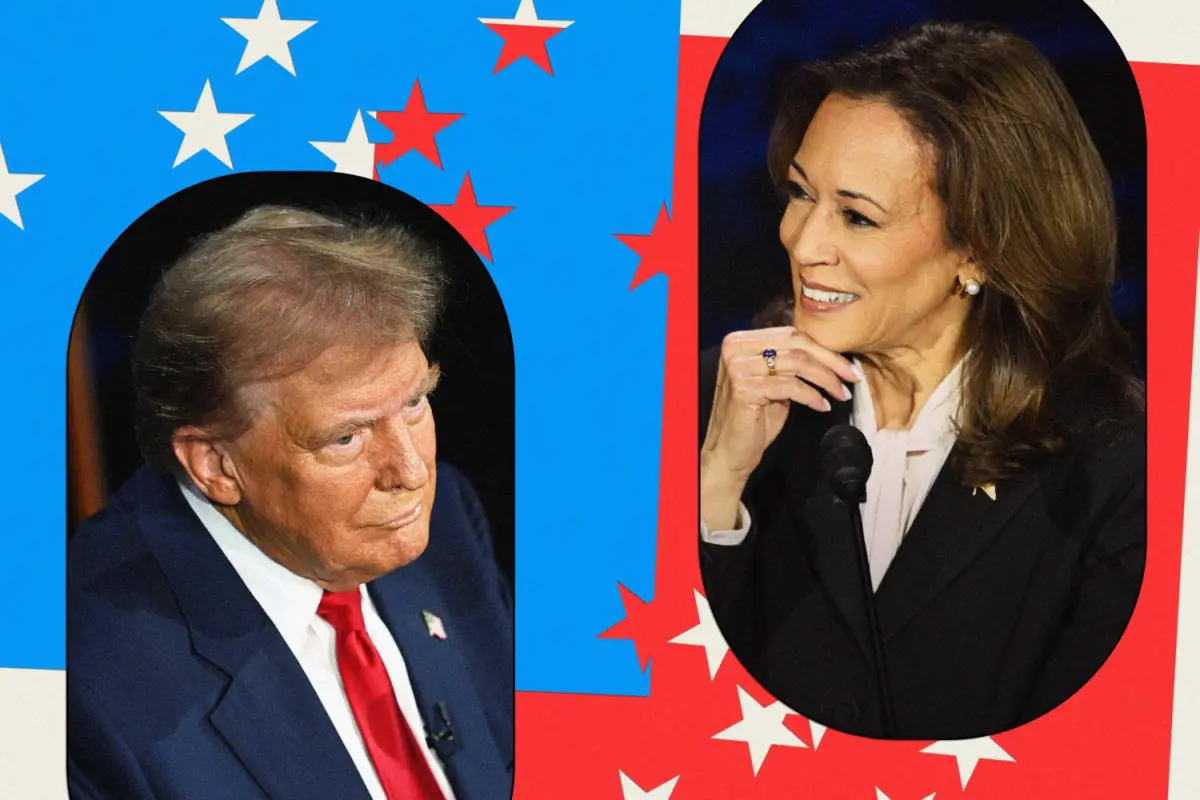
As another United States presidential election cycle reaches its fever pitch, voters are once again inundated with competing narratives regarding the state of the economy. For financially independent individuals and seasoned observers, the relentless political crossfire between candidates like Kamala Harris and Donald Trump offers little substantive value. While researching candidates and casting a ballot remain civic essentials, the broader discourse often dissolves into a partisan blame game that ignores fundamental economic realities.
Political campaigns are rarely known for precision when tackling complex technical subjects, but the current discourse has grown notably detached from economic data. In an effort to sway undecided voters in crucial swing states, candidates frequently lean into irrational emotional appeals rather than sound economic principles. A prime example of this disconnect involves the opposition framing the incumbent administration’s tenure as a period of economic failure, despite broad indicators showing that the U.S. economy remains historically robust, buoyed by exceptionally low unemployment rates.
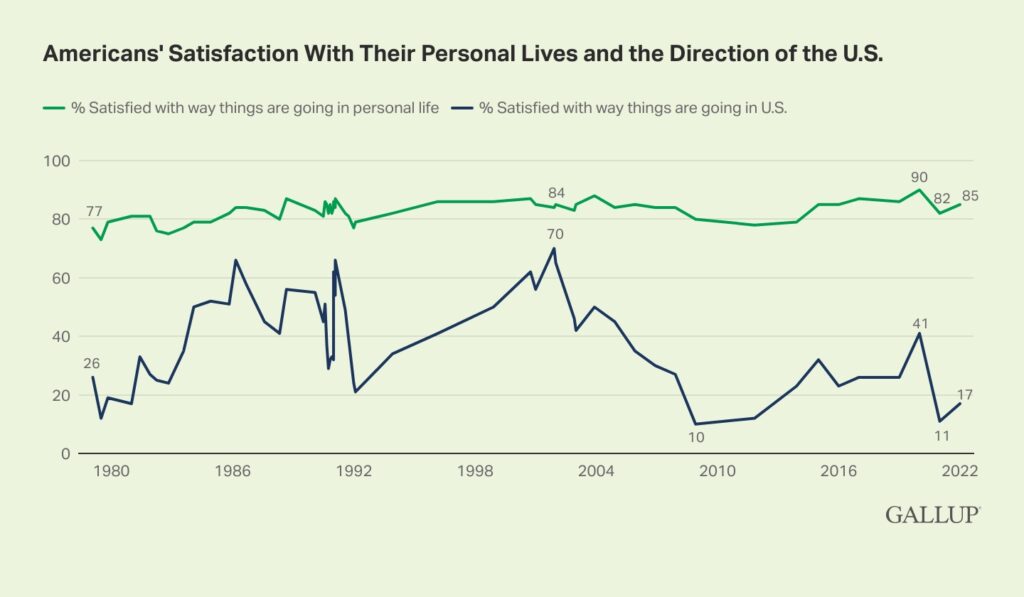
Evaluating the current landscape reveals a paradox between statistical reality and public perception. A recent Gallup poll highlights a stark discrepancy: while approximately 85% of respondents report that they are personally doing well financially, only 17% believe the national economy is performing positively. Economists point out that this widespread pessimism is mathematically contradictory, as an economy where the vast majority of participants are thriving is, by definition, a strong economy. Analysts increasingly link this perceptual disconnect to the proliferation of social media misinformation and sensationalized media coverage.
While citizens can easily tune out political rhetoric and focus on their personal spheres of control, financial literacy remains a critical tool for wealth building. A clear, factual understanding of how the economic engine operates provides distinct advantages. To clarify the record amidst the political noise, financial analysts and commentators have dissected the most pervasive economic myths currently circulating on the campaign trail.

The Myth of Presidential Economic Control
A cornerstone of campaign rhetoric is the notion that the sitting president holds a direct dial on the economy. When a recession strikes, the opposition party lays the blame squarely at the Oval Office. Conversely, when the economy expands, the administration in power eagerly claims personal credit. In reality, the U.S. economy is far too massive—and fortunately too decentralized—for any single political figure to control or heavily influence.
The American economy functions as an enormous, organic machine that converts labor and raw materials into goods and services, ranging from everyday consumer technology to vital infrastructure and agriculture. Although the United States represents the largest single economy globally, accounting for roughly 26% of planetary economic activity, it remains heavily influenced by the remaining 74% generated by the other 7.6 billion people worldwide.
Natural economic cycles of expansion and contraction are typically driven by human psychology—periods of irrational exuberance and credit-fueled growth, such as the 2007 housing boom, followed by necessary corrections of fear and caution, such as the subsequent financial crisis. While government fiscal policy, taxation, and regulatory frameworks play a role, their impacts are generally delayed and diffuse. Drawing a direct, immediate line of causation between today’s president and today’s market conditions misunderstands the sheer scale of global commerce.
Misunderstandings Surrounding Interest Rates
Another recurring theme on the campaign trail involves candidates expressing sympathy for middle-class Americans grappling with higher borrowing costs for mortgages, auto loans, and credit cards, often accompanied by promises to force interest rates downward. Some political figures have even suggested challenging the institutional independence of the Federal Reserve board, arguing that monetary policy should be subject to direct executive oversight.
Economists emphasize that leaving monetary policy in the hands of a sitting president would introduce volatile political incentives into long-term financial stability. Instead, the independent management of interest rates functions as a crucial stabilization mechanism for the economy. When growth slows and unemployment rises, strategic reductions in interest rates provide a necessary stimulus. Conversely, when economic activity overheats, raising rates acts as a brake to cool down inflationary pressures. Protecting the independence of central banking institutions is widely viewed as essential to preventing severe currency and market instability.
Inflation, Wages, and Purchasing Power
Perhaps the most persistent narrative of the current election cycle focuses on the impact of post-pandemic inflation. Following the disruptions of the COVID-19 era, the global economy experienced a spike in inflation driven by supply chain bottlenecks, remote work shifts, government stimulus spending, and historically low interest rates. As those supply and demand imbalances corrected, inflation cooled significantly, stabilizing at a much lower rate.
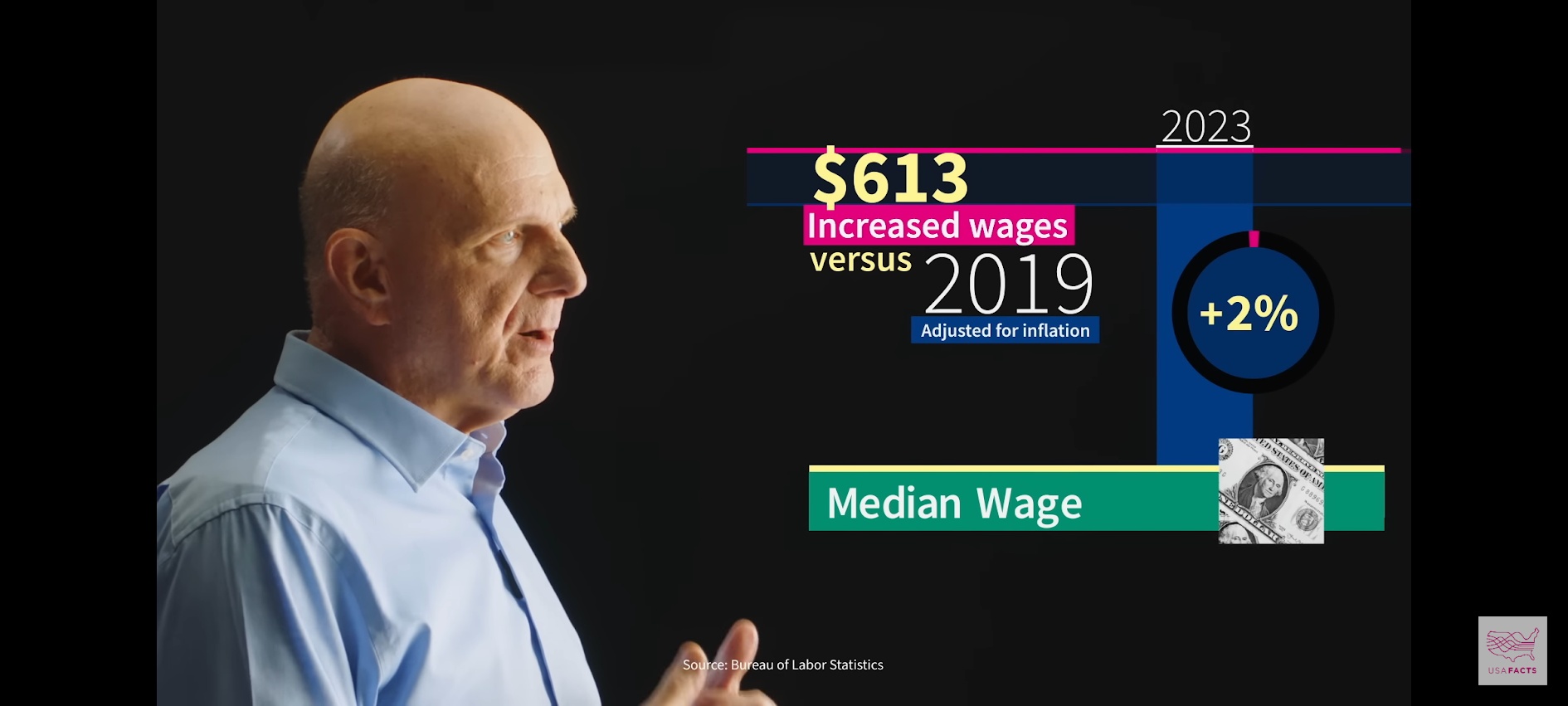
Data shows that while price levels shifted upward, wages continued to rise at a faster pace, preserving overall consumer purchasing power. Since 2019, overall consumer prices have climbed by roughly 19%, while average wages have grown by approximately 21%. Despite this net positive trajectory, political candidates continue to frame recent inflation as an unmitigated disaster, occasionally promising policies designed to force prices back down across the board.
Concurrently, politicians frequently point to corporate greed as the primary driver of price increases. However, comprehensive empirical studies, including detailed industry analyses from organizations like NPR, indicate that major retail sectors—such as grocery chains—did not capture windfall profit margins during the inflationary period. In a competitive market economy, businesses adjust prices based on supply costs and consumer demand rather than arbitrary profit hoarding.
The Housing Affordability Crisis
Housing represents one area where economic fundamentals have genuinely shifted over the past decade. U.S. home prices and rental rates have outpaced general inflation and wage growth, creating a genuine affordability squeeze for prospective buyers. Compounding the issue, higher interest rates designed to combat broader inflation have driven up monthly mortgage borrowing costs, leaving buyers facing the dual challenge of elevated purchase prices and expensive financing.
Despite the complexity of the housing market, political proposals often focus on superficial fixes, such as first-time homebuyer subsidies or artificial interest rate interventions, which risk fueling further demand and driving prices higher. Urban planners and economists argue that the sustainable solution lies in expanding housing supply by cutting regulatory red tape. Reforms such as streamlining the permit process, modernizing building codes, and rolling back restrictive suburban zoning and parking minimums could dramatically lower construction costs and increase housing availability.
Gasoline Prices and Technological Shifts
Gasoline prices remain a staple of political stump speeches, despite representing a shrinking share of modern household expenditures. When adjusted for inflation, gasoline prices remain comparable to historical averages seen decades ago. Furthermore, despite the prevalence of larger vehicles, the average household spends a relatively small fraction of its disposable income on fuel, often spending significantly more on vehicle financing, insurance, and maintenance.
Moreover, the broader automotive market is undergoing a structural transition. With the rapid expansion of the electric vehicle market, used and new electric options have become increasingly cost-competitive with traditional internal combustion vehicles, offering lower operating and maintenance costs. Analysts note that fixation on petroleum pricing overlooks the ongoing evolution toward alternative energy transportation.
Evaluating Economic Priorities
Ultimately, the intense focus on macroeconomic indicators during political campaigns often obscures a deeper truth about modern prosperity. For the vast majority of the population in developed economies, basic material needs were met decades ago. Public anxiety and political discontent frequently stem less from actual scarcity and more from consumer expectations, wealth inequality, and cultural narratives amplified by digital media.
While progressive tax systems and thoughtful regulatory policies remain vital tools for maintaining social cohesion and managing inequality, individual financial well-being is anchored far more firmly in personal financial literacy and intentional decision-making than in the outcomes of national elections. As the current voting cycle concludes, informed citizens can cast their ballots, recognize the limits of political influence, and redirect their attention toward the aspects of life well within their personal control.