
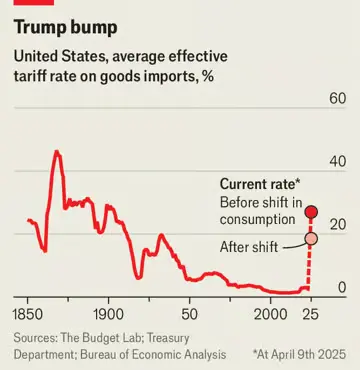
The timing of financial commentary is often a matter of luck, but early 2025 financial forecasts managed to capture a pivotal moment just as global markets transitioned from a multi-year upward climb into a high-volatility roller coaster. Since then, the stock market has experienced some of the sharpest drops and subsequent recoveries in modern history. At its lowest point, the market shed a full 20% of its value before climbing back near its previous peak.
While market volatility rarely points to a single, isolated cause, financial analysts have largely agreed on the primary driver behind the turbulence: sweeping international tariffs.
As the global trade landscape has been whipped around over the past several months, stakeholders across the country have grappled with the uncertainty. The global trade battle unleashed by the administration has left businesses bracing for structural changes, currencies and interest rates reacting in real time, and everyday investors questioning the long-term viability of their retirement portfolios. Public reaction has ranged widely from dismissive views that the turbulence is a temporary disruption to catastrophic predictions about the economy’s trajectory.

To understand the situation, it is necessary to examine the fundamental mechanics of a tariff.
What is a Tariff?
A tariff is fundamentally a sales tax imposed by the government on imported goods. These taxes are paid directly by the importing entity. For individual consumers, this means paying extra when ordering items directly from overseas manufacturers. For major corporations such as Amazon, Walmart, and Apple, it means absorbing or passing on the costs of shiploads of imported products.
Ultimately, tariffs are not paid by foreign governments or overseas corporations; they are paid by the end consumer. When the cost of importing goods increases, retailers inevitably raise their prices to preserve profit margins.

Furthermore, tariffs directly impact domestic industrial projects. If a major retailer needs to build a new distribution center or an energy company requires a new oil rig, taxes on imported steel, copper, lumber, and countless other components drive up construction costs. These expenses inevitably trickle down to the housing market, as the majority of building materials used in residential construction originate from multiple global sources.
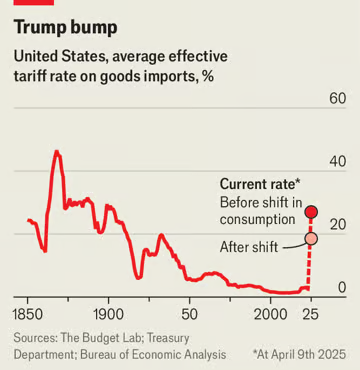
On a macroeconomic level, tariffs function similarly to any broad-based sales tax, driving up prices across the board. The general effect is a slowdown in economic velocity and a reduction in consumer spending power. Conversely, tariff revenue flows directly into the federal budget, which proponents argue can help address national deficits.
A functioning government requires tax revenue to operate effectively, relying on a mix of sales, corporate, and income taxes. Ideally, these tax levels remain as low as possible to keep the economy functioning while staying fair and predictable, ensuring that individuals and businesses retain the incentive to work and plan for the future. However, current tariff policies have departed from predictability, characterized by fluctuating threat levels and frequent adjustments.

The Arguments For and Against Tariffs
Protectionist policies are frequently deployed to shield domestic industries from foreign competition. For example, imposing a steep tax on imported vehicles gives domestic automakers a competitive pricing advantage, boosting their sales and revenue. While this benefits domestic manufacturers and their workforce, consumers typically bear the cost through higher prices and diminished product selection.
Such measures can serve strategic national security purposes, such as protecting domestic aerospace manufacturers to ensure a reliable defense supply chain. Alternatively, they can be driven by domestic political lobbying, where industries successfully advocate for protective barriers to safeguard profit margins.
This approach is not isolated to a single political party. Recent administrations from both sides of the aisle have utilized tariffs to appeal to domestic industrial and swing-state voters. Past measures have included taxes on imported solar panel components and raw materials designed for renewable energy infrastructure. Critics point out that cheap energy inputs lower the overall cost of living and boost industrial competitiveness, making the restriction of such wealth-generating resources counterproductive.
Economic Impacts and Employment Shifts
Examining a hypothetical tax on imported automobiles illustrates the broader economic trade-offs. If imported vehicles face a significant price penalty, buyers are naturally inclined to look toward domestic alternatives. Increased domestic sales allow manufacturers to expand their workforces, build new facilities, and invest in research and development.
However, this localized boom comes at a broader cost. Every other sector of the economy must absorb higher costs for commercial fleets and transportation. Startups and expanding enterprises operate in an environment made more expensive and less efficient. Furthermore, shielded from direct international competition, domestic manufacturers may face reduced incentives to innovate, leading to slower long-term efficiency gains.
Economists generally agree that tariffs should be deployed sparingly. While they can occasionally address specific national security or food security needs, they typically introduce friction, reduce overall employment efficiency, and slow economic momentum.
Market Realities and the Path Forward
Despite official rhetoric suggesting that tariffs generate national wealth by focusing solely on first-order gains like domestic hiring, financial markets tell a different story. When broad tariff increases are announced, share prices consistently drop as investors and corporate leaders anticipate reduced profitability. When tariffs are paused or scaled back, markets rebound.
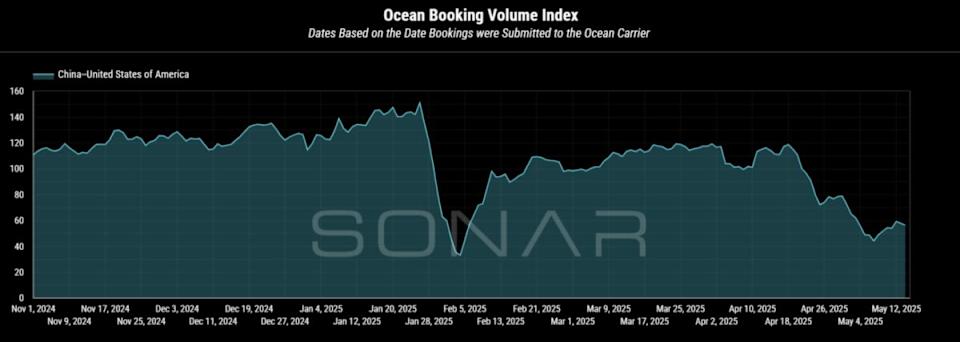
Because the United States operates with vast inventory reserves and complex supply chains, the immediate impact of tariffs often takes months to materialize. Importers frequently stockpile goods ahead of implementation dates to delay consumer price hikes. However, as imported volumes decline and existing stockpiles are depleted, price pressures and potential shortages become more apparent in key industrial and consumer sectors.
Market observers generally outline two potential trajectories for the current trade environment. In the first scenario, high tariff rates persist, leading to restructured global supply chains, higher baseline consumer prices, and long-term adjustments in corporate operations. In the second scenario, tariffs function primarily as a high-stakes negotiating tactic, eventually giving way to a return toward baseline free-trade agreements.
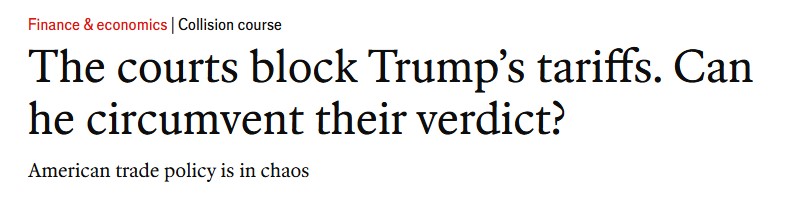
Historical precedent suggests that open borders and minimal trade restrictions among friendly nations foster mutual economic growth. As legal challenges continue to play out through the court system regarding the executive authority to enact sweeping trade measures, the broader financial system continues to price in the expectation of an eventual return to stable international commerce.
For everyday investors, the recurring lesson of market volatility remains focused on long-term perspective. While news headlines often amplify fear and uncertainty to capture attention, foundational economic principles and historical market recoveries indicate that systematic approaches to investing tend to weather political and legislative transitions over time.