
Balancing the demands of a career with the desire to see the world has long been one of the defining challenges of modern mobility. For the millions of individuals who identify as digital nomads, the daily routine often involves a persistent struggle: finding a comfortable, quiet environment to execute professional responsibilities while still making time to experience the culture of a new destination. Spending hours searching for a suitable coffee shop, only to contend with uncomfortable seating, loud ambient noise, or unreliable wireless networks, is a scenario familiar to many who have attempted to maintain full-time employment from the road.
Historically, working remotely meant enduring compromises. Professionals would frequently find themselves hunching over cramped tables in hostel common rooms or engaging in frustrating negotiations with short-term rental hosts who insisted their internet connection was exceptionally fast, only for the guest to discover it could barely load a basic text email.
However, as remote work expanded dramatically in the post-pandemic era, a new segment of the hospitality and real estate market emerged to address these exact pain points. A wave of specialized coliving spaces has materialized globally, engineered to combine the functional infrastructure of a dedicated coworking facility with the communal social atmosphere traditionally found in hostels, yet without the basic amenities associated with multi-bed dormitories. These operations cater directly to remote professionals who require stable environments for deep focus while actively seeking opportunities to mitigate the isolation that frequently accompanies independent, location-independent work.
Among the prominent platforms operating in this expanding sector is Outsite, a global network featuring properties in various international destinations. Examining the operational model of such networks reveals much about how the infrastructure supporting location-independent professionals has matured over the past decade.
What is Outsite?
Founded in 2015, Outsite established itself as a global network of coliving and coworking environments tailored specifically for remote employees, location-independent entrepreneurs, and digital nomads. The enterprise began modestly with a single residential property in Santa Cruz, California, initially catering to individuals who wanted to combine surfing with remote employment. Over the subsequent years, the organization expanded its footprint significantly, growing to encompass more than 5,000 members and approximately 50 distinct locations worldwide.
While short-term stays at these properties are accessible to the general public, the platform operates a tiered membership structure that provides additional perks and preferred rates for frequent travelers. Individuals can choose between an annual membership fee of $199 or a lifetime membership option priced at $499. The incentives associated with these memberships include access to exclusive, members-only locations, a complimentary week in newly launched destinations, steep discounts during promotional flash sales, reduced rates for extended bookings, invitations to member mixers, access to internal job and sublet boards, and various lifestyle partnerships.
The booking process is intentionally streamlined for users. Travelers navigate the platform’s digital interface, apply filters based on geographical destination or desired environment type—such as beachside, urban, or mountain settings—and secure private accommodations directly through the system.
How Does Outsite Work?
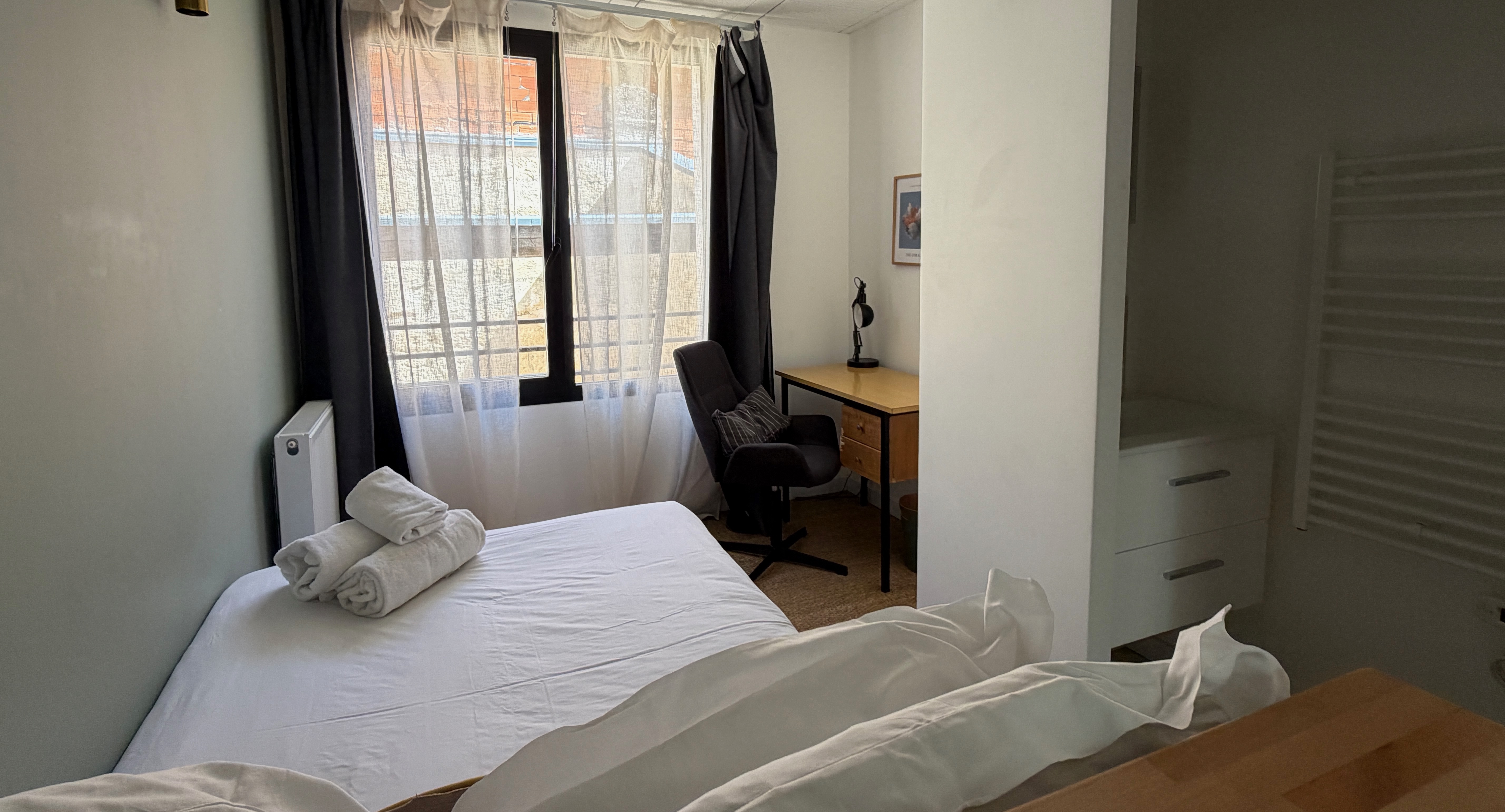
In practice, the operational model of Outsite functions as a hybrid between a boutique hotel and a shared professional workspace. When a traveler secures a reservation, they are booking a private bedroom. While the majority of these rooms feature private en-suite bathrooms, certain budget-oriented configurations involve sharing a bathroom facility with a single other guest.
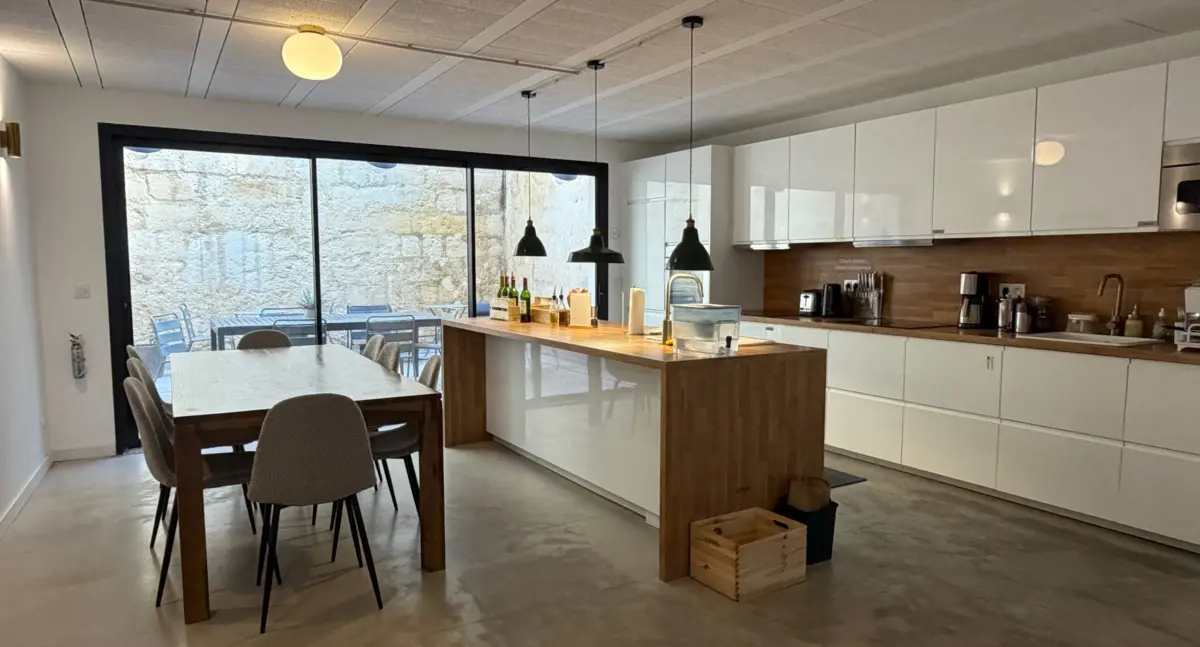
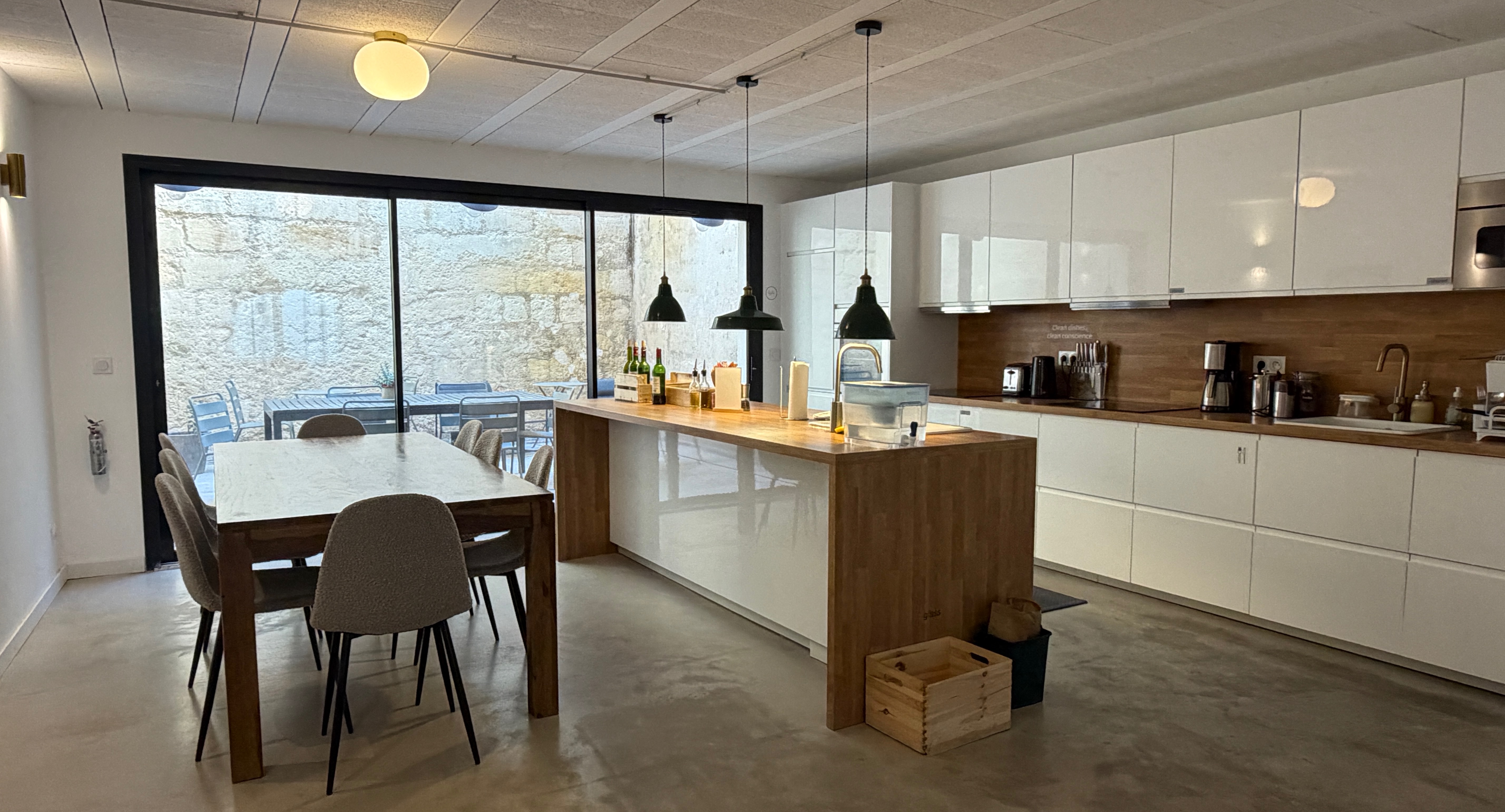
Beyond private sleeping quarters, every property incorporates expansive communal zones designed to encourage interaction and relaxation. These spaces typically feature fully equipped chef-style kitchens that far exceed the amenities found in standard short-term rentals, alongside spacious living rooms, outdoor patios, and occasionally rooftop decks or swimming pools, depending on the specific geography of the property.
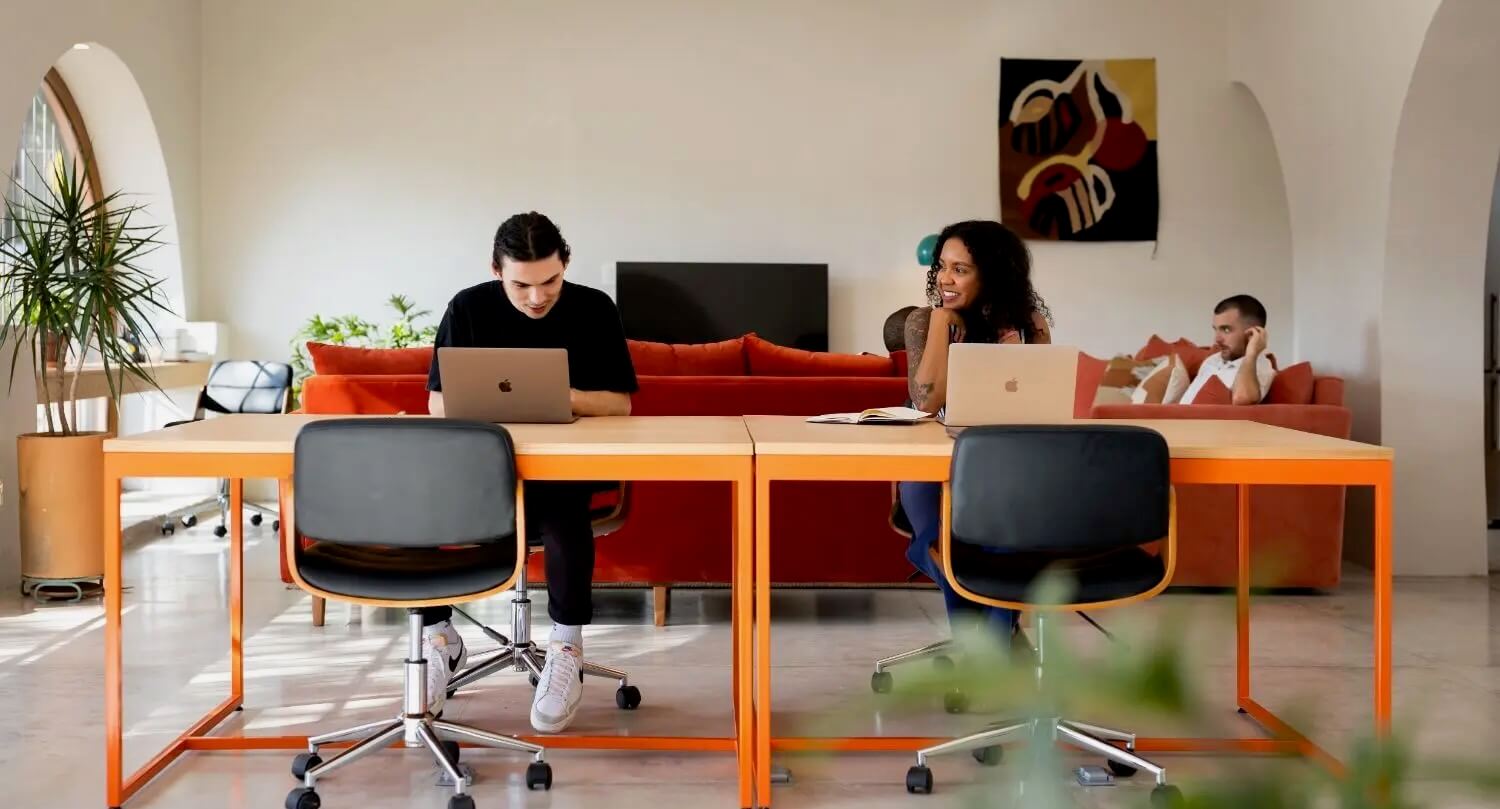
Crucially, every location integrates a dedicated coworking environment directly into the residential structure. These workspaces are outfitted with ergonomic seating, abundant electrical outlets, external monitors available for connection, and enterprise-grade, high-speed wireless internet. This setup allows professionals to transition from waking up and preparing morning coffee to occupying a functional desk within a matter of minutes.
In addition to physical infrastructure, the platform places a strong emphasis on community curation. Each property employs a dedicated community manager. Prior to arrival, incoming guests are integrated into a local messaging group, and the management facilitates weekly programming that includes family-style dinners, group excursions over the weekend, evening social outings, and morning wellness activities like yoga. These structured interactions provide structured avenues for guests to connect.
Furthermore, the community manager serves as a localized resource, offering guidance on neighborhood dining, practical logistics, and answering day-to-day questions regarding the destination.
The Appeal of Coliving Spaces
The primary advantages of utilizing structured coliving networks center on the quality of the physical properties and the mitigation of professional isolation. Properties are typically appointed with contemporary furniture, functional workspaces, laundry amenities, and occasionally small fitness areas. Private rooms feature dedicated desks, supportive bedding, and modern bathroom facilities with reliable water pressure.
Shared culinary spaces are maintained through daily cleaning services, offering extensive counter space and complimentary coffee and tea. The interior design philosophy generally emphasizes natural light, indoor foliage, and regional artwork, distinguishing the environment from the standardized atmosphere of corporate hotels or the utilitarian feel of budget accommodations.
However, for many professionals, the most compelling draw remains the social dimension. Remote work can frequently lead to a solitary existence, whether operating out of a traditional hotel room or an isolated apartment. In conventional settings, establishing connections with peers who understand the unique rhythms of location-independent work can prove difficult.
Within a dedicated coliving network, residents are surrounded by individuals navigating similar professional lifestyles. Because occupants are typically balancing employment obligations alongside travel, there is a mutual understanding of productivity requirements that is rarely found in traditional backpacker hostels, where leisure is the primary focus. With average stays often extending two weeks or longer, residents have ample time to build rapport, supported by the community programming organized by local managers.
Considerations and Limitations
Despite the advantages, certain practical limitations accompany this model. Coliving networks are not positioned as budget accommodations for cost-conscious backpackers accustomed to minimal nightly rates in shared dormitories. Guests pay a premium for private rooms, guaranteed workspace infrastructure, and curated social environments. Nevertheless, when calculating the combined expense of renting a private apartment on standard platforms while concurrently purchasing a monthly membership at an independent coworking hub, the financial disparity often narrows considerably.
Additionally, high demand means that popular properties in sought-after destinations experience rapid booking turnovers. Securing reservations in high-profile locations during peak seasonal windows requires advance planning, limiting spontaneity for travelers who prefer flexible itineraries.
Frequently Asked Questions About Coliving Networks
Booking policies generally do not mandate membership for single stays, as non-members are permitted to reserve rooms. However, for those planning extended travel, annual membership fees frequently offset themselves rapidly through reduced nightly tariffs.
While age restrictions are minimal—typically requiring guests to be at least 18 or 21 depending on local regulations—the demographic tends to skew toward working professionals in their late twenties, thirties, and forties, creating an environment distinct from youth-oriented hostels. Minimum stay requirements vary by property, with many locations permitting short stays of two nights, while others—particularly in major metropolitan areas governed by strict residential housing legislation—enforce extended minimums of thirty days.
Policies regarding pets are largely restrictive; due to the shared nature of kitchens, living areas, and workspaces, most locations prohibit animals to maintain comfort standards and prevent potential allergen issues for incoming guests.
Ultimately, navigating a location-independent lifestyle does not inherently require compromising professional productivity, daily comfort, or social connection. Integrated coliving networks offer an alternative for professionals seeking a synthesis of residential privacy, office functionality, and community engagement while traversing the globe.