
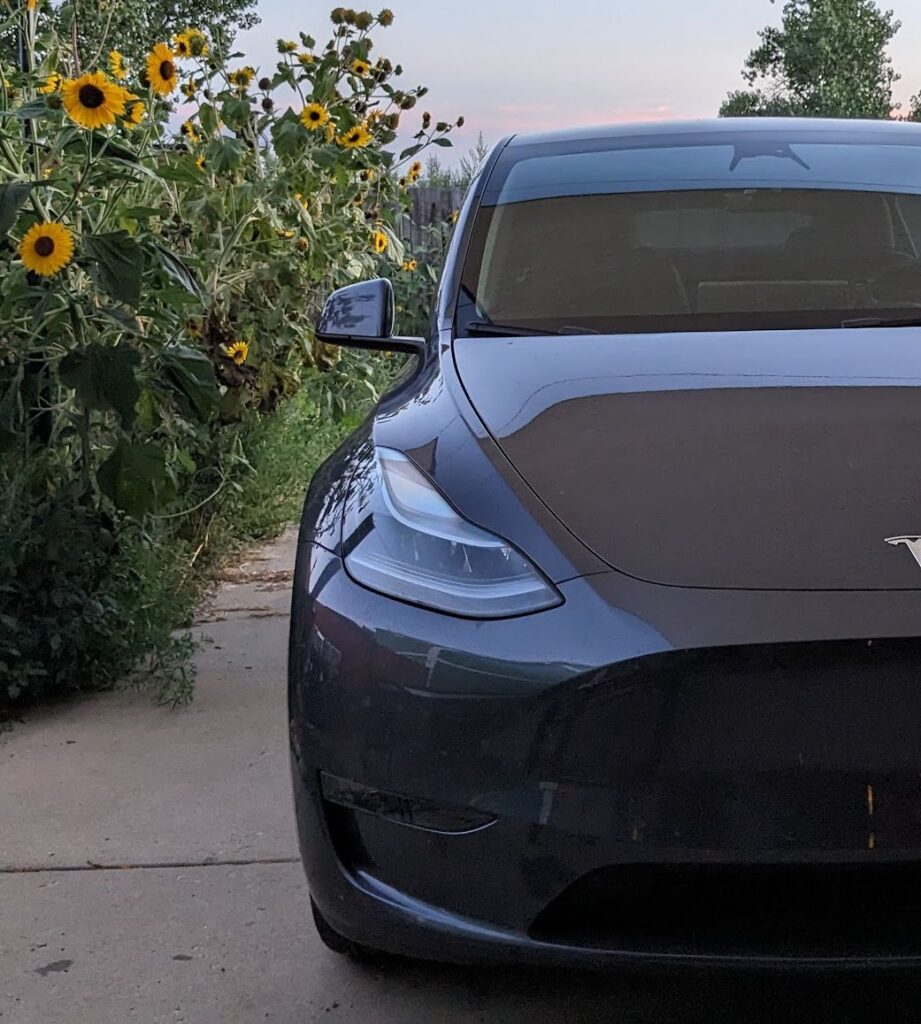
A couple of years ago, the prominent financial independence blogger known as Mr. Money Mustache raised eyebrows among his dedicated following. After years of preaching extreme frugality, he published a blog post announcing that he was actively attempting to spend a bit more money, kicking off the new lifestyle program by purchasing a Tesla Model Y.
Reflecting on the mindset shift at the time, he recalled thinking that he was an enlightened middle-aged figure effortlessly adjusting habits and realigning his life for the decades ahead. Two years later, that intentional pivot toward a lifestyle of perceived abundance brought a dramatic change in daily experiences, even if the math ultimately told a surprisingly modest story.
Embracing an Abundance Mindset
For the past two years, the lifestyle shift meant indulging in a level of comfort that contrasted sharply with his traditional ascetic approach to early retirement. He enjoyed a marvelous time traveling extensively and spending money in ways he imagined a typically wealthy person would.
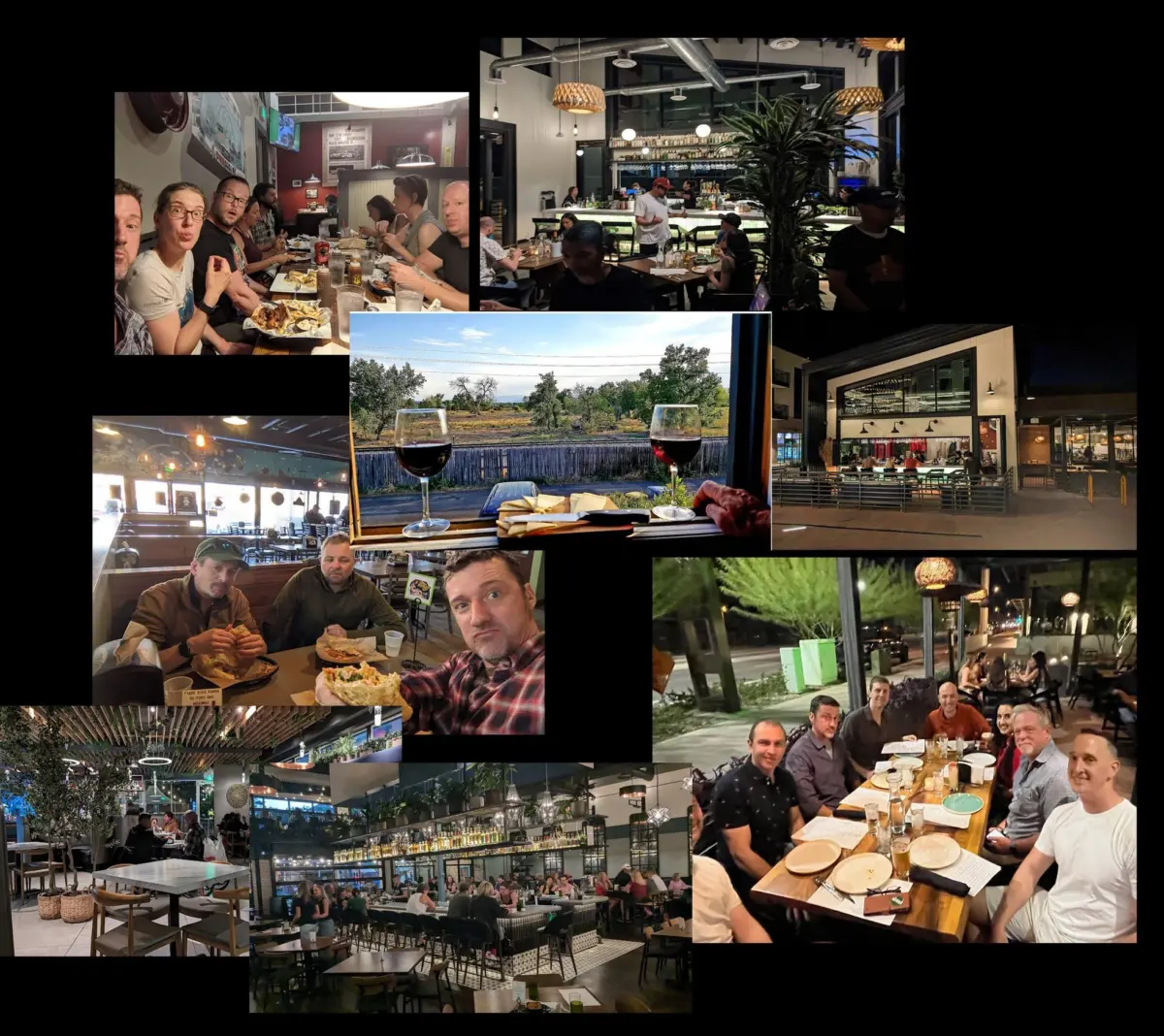
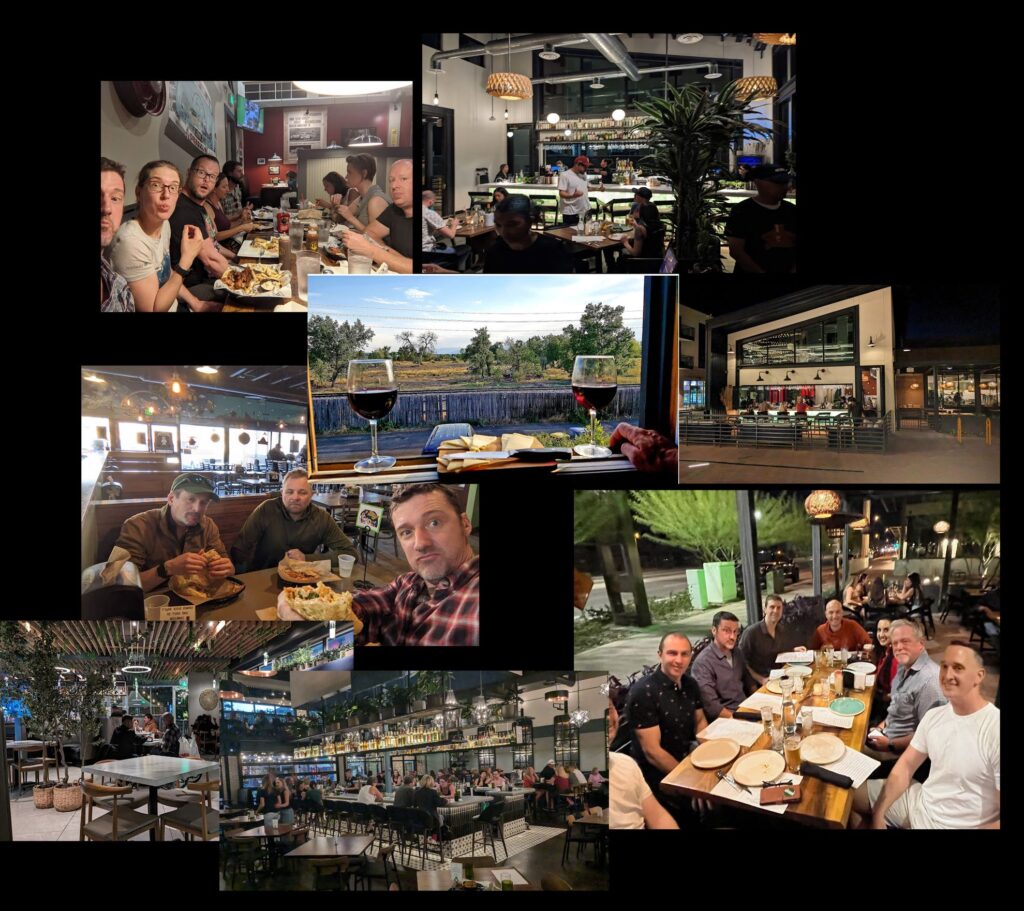
He dined out regularly at stylish restaurants, booked hotels based on their aesthetic appeal rather than rock-bottom pricing, paid extra for upgraded airline seats to reduce travel discomfort, and stopped worrying about paying double for groceries at premium supermarkets like Whole Foods compared to warehouse clubs like Sam’s Club and Costco.
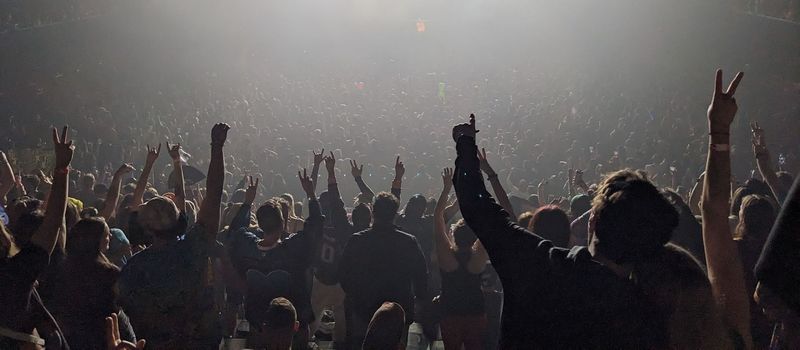
Among the personal highlights of this transition were frequent late-night electronic dance music concerts enjoyed with his young adult son, alongside trips to three different Meowwolf immersive art venues. This included a spontaneous Christmas Day road trip from his winter residence in Tempe, Arizona, to Las Vegas. Operating largely as a single man for much of the period, he maintained an open schedule to meet friends, explore new destinations, and seize spontaneous opportunities. The period felt like an adventurous chapter of personal transition that stretched far beyond standard calendar measurements.
Amid this flashy spending, he initially assumed his annual budget must have crept deep into mainstream consumer territory. However, he was having too much fun to pause and tally the numbers. It was only recently, while comparing notes during an informal financial coaching session with a friend, that they both decided to audit their spending from the previous year.
When he finally categorized all transactions into a spreadsheet and calculated the total, the results came as a genuine surprise. While his overall spending did increase—particularly within travel-related categories—the macroeconomic impact on his personal finances remained remarkably minimal. Depending on how variables like vehicle costs and business expenses are accounted for, his annual expenditures shifted from roughly $20,000 to approximately $30,000, bolstered by the foundational subsidy of a fully paid-off home.
Breaking Down the Annual Budget
This modest level of spending remains easily sustainable by a standard one-million-dollar investment portfolio. Because his actual investment nest egg sits significantly higher than that benchmark—buoyed by years of robust economic growth and a persistent stock market rally—his lifestyle remains well under safe withdrawal thresholds.
Although he humorously notes that he technically "failed" to reach the higher spending levels traditionally recommended for older, wealthy individuals, the experiment left him satisfied. He genuinely enjoyed the psychological benefits of an abundance mindset and intends to pursue further lifestyle experiments in the years ahead. The strategy aligns with concepts previously explored on his platform regarding the "Optimization Council," where individuals share tips and tricks to maximize life satisfaction. Nearly twenty years into early retirement, the approach continues to evolve through continuous learning and feedback.
A detailed look at the spending ledger reveals where the money actually went over the course of the year. Groceries totaled $5,960.39, accounting for food consumed by himself, his young adult son roughly half the time, and occasional guests. Restaurant spending reached $2,243.59, reserved strictly for special social outings rather than routine convenience meals.
Travel emerged as a major category at $6,158.77, which included business-related travel expenses for events like the Camp Fi conference. Utilities accounted for $1,909.51, while Amazon and household expenses tallied $3,554.10, noting that roughly 75 percent of the business-related portion represented construction materials purchased for clients—primarily friends—which were subsequently reimbursed via invoice.
Expenses for alcoholic beverages used in entertaining totaled $250.67. Healthcare costs reached $3,536.66, kept relatively low through a combination of a Direct Primary Care subscription and a healthcare-sharing ministry organization, alongside elective spending on advanced screening blood tests for educational purposes. Automobile expenses, limited primarily to insurance and registration, stood at $2,425.21, though depreciation could theoretically be added for strict accounting accuracy.
Phone and internet services totaled $1,410.56, featuring high-speed gigabit internet alongside a modest monthly mobile bill. Finally, property taxes came in at $2,577.30, a figure he describes as surprisingly reasonable given neighborhood home values ranging between $500,000 and $600,000.
In total, personal card spending reached $20,284.67, while business card transactions added $9,742.09, bringing the grand total to $30,026.76. Comparing these figures to historical spending reports from prior years demonstrates that inflation has only caused a slight upward drift. While travel and entertainment costs rose, home renovation expenses decreased because frequent travel left less time for DIY projects. Healthcare costs represent a newly added recurring expense compared to years when he was entirely self-insured.
Housing and Healthcare Strategies
The most significant structural savings in the budget stem from the complete absence of housing payments, having paid off his mortgage long ago. Furthermore, his preference for maintaining and working on his own home eliminates regular bills for lawn care, plumbing, tree pruning, and handyman services.
While acknowledging that locking up capital in a paid-off home may not be the mathematically optimal financial move—noting that taking out a large mortgage at historic three percent interest rates in 2021 and investing the principal in index funds would have yielded higher returns—he emphasizes the psychological peace of mind that comes with zero debt. An added financial benefit includes skipping traditional homeowners insurance, saving roughly $2,000 annually and boosting the effective return on the property.

On the healthcare front, he continues to benefit from good overall health and fortune, incurring no major medical procedures. He maintains a two-tiered medical safety net consisting of a direct primary care clinic membership costing $107 per month and a high-deductible health-sharing plan through Sedera costing $201 per month. Combined monthly healthcare expenditures of $308 undercut standard commercial insurance bronze plans while providing personalized, zero-deductible primary care alongside catastrophic financial protection.
Looking Ahead to Future Optimizations
Evaluating the utility of money as a tool for survival and self-actualization, he continually examines potential areas for improvement. Referencing the psychological principle that resolving persistent problems yields greater life satisfaction than doubling down on existing comforts, he points to physical space constraints as his primary minor annoyance. Balancing space-intensive hobbies like woodworking, construction, and music within a compact two-car, 440-square-foot garage workshop has created a bottleneck. While expanding workshop space to roughly 1,000 square feet is tempting, his deep attachment to his current neighborhood and neighbors makes relocation unlikely unless an ideal property opens up directly on his block.
Longer-term aspirations, such as developing a mountain compound featuring private cliffs and streams, remain on a theoretical wish list. However, because his current daily schedule is already packed with fulfilling commitments, adding another property portfolio piece does not currently make sense.
As he looks toward the horizon, he remains enthusiastic about maintaining an abundance mindset and tackling new personal projects. Meanwhile, addressing external market conditions, he noted that potential shifts in federal electric vehicle tax credits under incoming political leadership could make current pricing for popular electric models like the Tesla Model Y or Model 3 an opportunistic window for prospective buyers looking to navigate the intersection of modern technology and personal finance.