
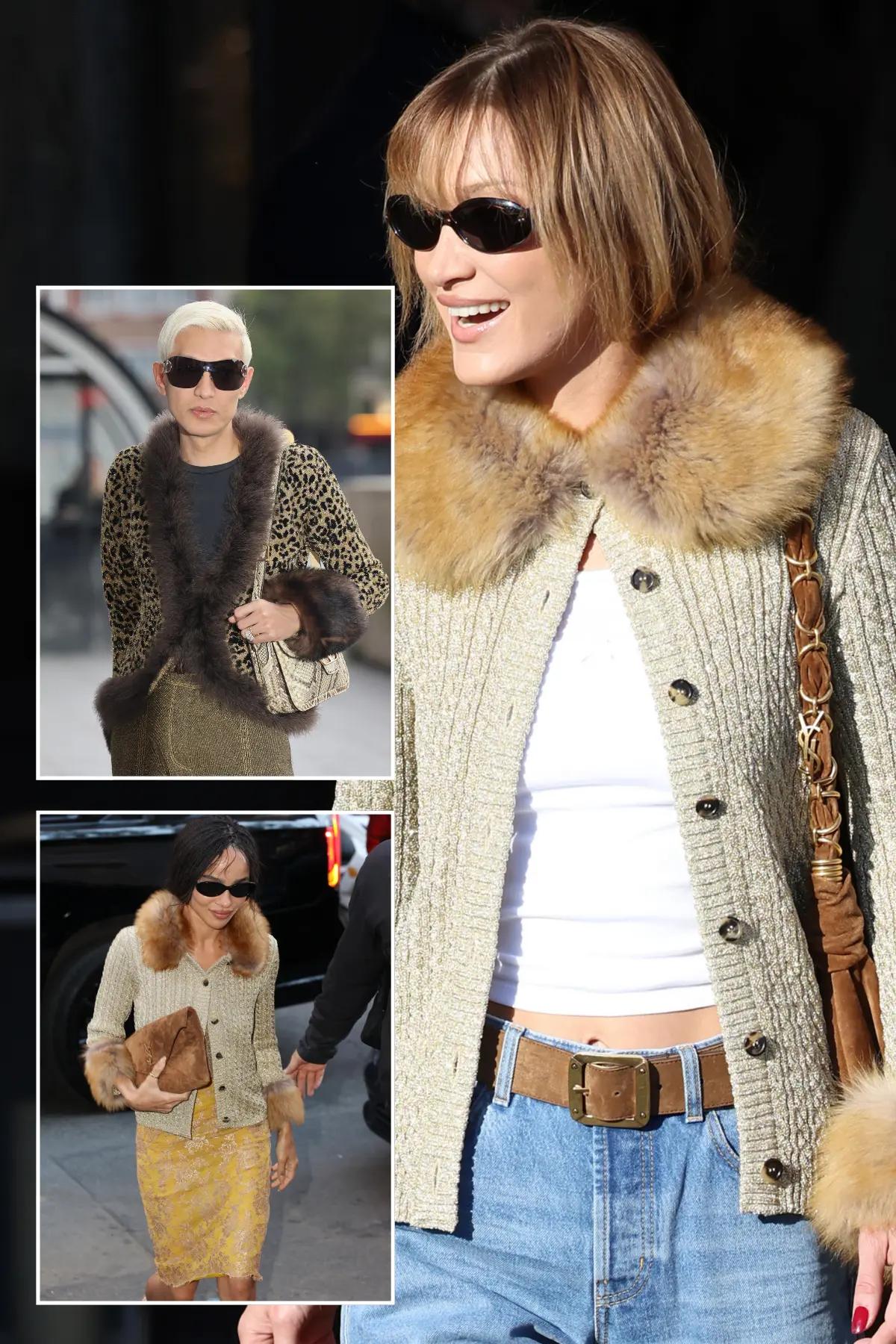
Let’s be honest: cardigans used to be considered one of the frumpiest items someone could own. For generations, this grandma-coded layering piece was usually found squirrelled away under long wool coats and paired with sensible skirts, existing purely for warmth rather than style. However, the late 2010s gave the cardigan its first "main character" fashion moment with the unforgettable reveal of Katie Holmes’ Khaite "bra-digan." Once the fashion world saw that knitwear could actually be sexy, the traditional rules of wardrobe styling completely turned on their head.
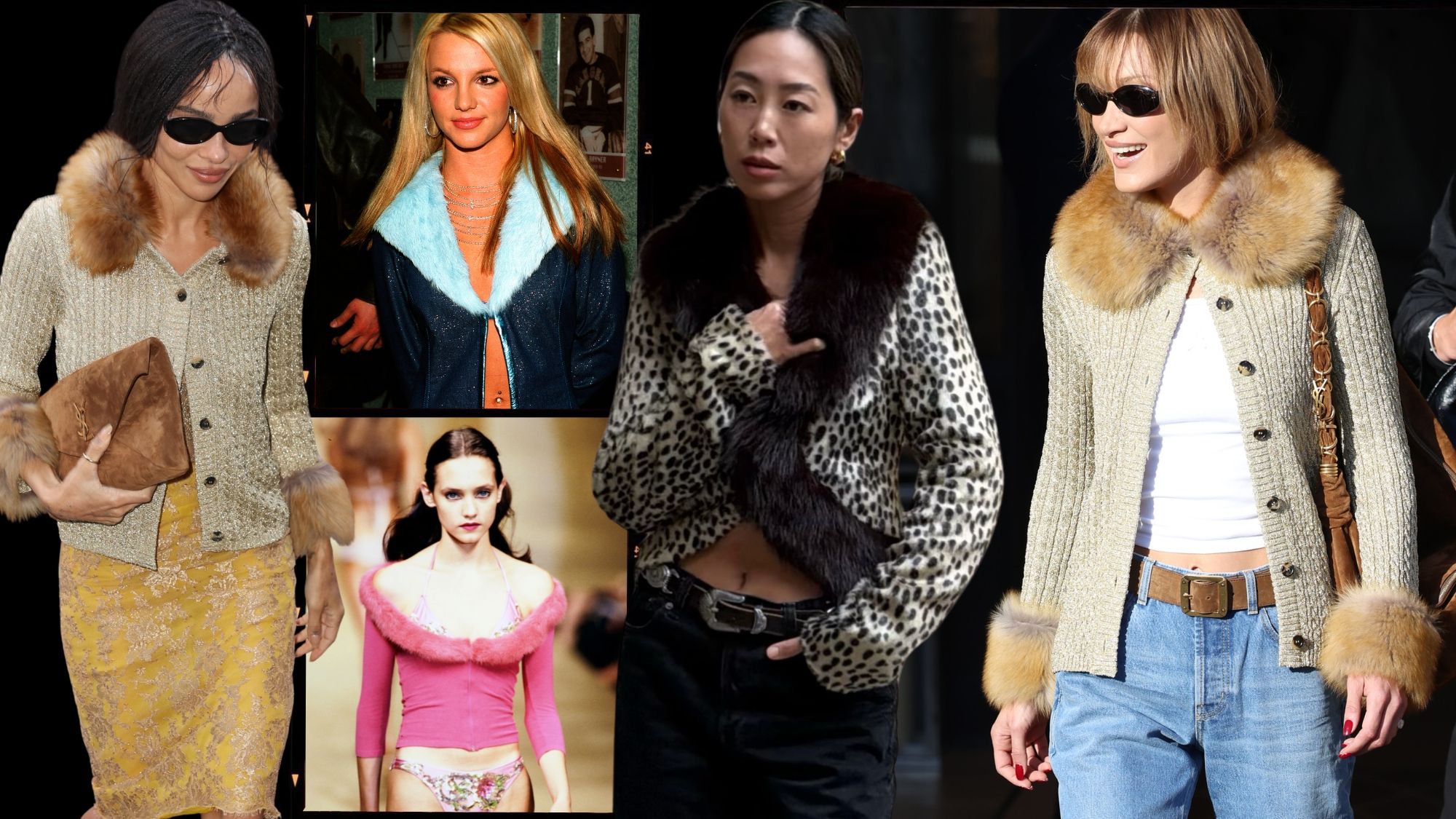
Now, looking across the fashion landscape of 2026, the faux-fur-trimmed cardigan has returned in all its nostalgic, maximalist glory. After receiving a major modern revamp, this tactile piece is arguably the hottest thing to happen to knitwear since Holmes’ memorable street-style spotlight in 2019.
Channelling 1970s rock-and-roll decadence with boho, vintage glam, the style borrows its opulent fur trim from the broader opera-dressing and Penny Lane coat aesthetics, yet retains the inherent comfort of a cosy cardigan. While it feels strikingly fresh for 2026, the silhouette actually possesses a rich and storied history within twentieth-century pop culture.
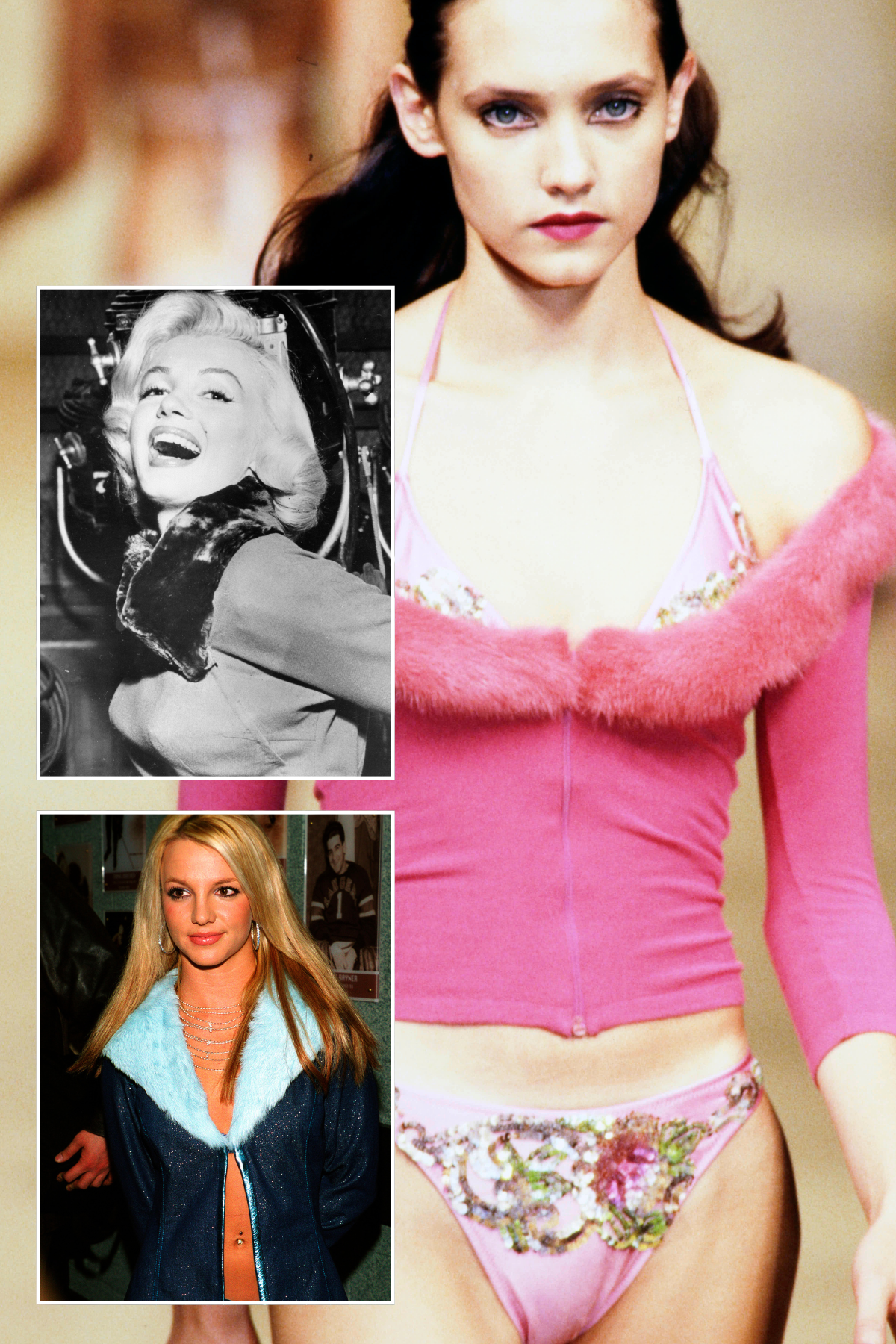
In the 1950s, mid-century style icons like Marilyn Monroe and Grace Kelly pioneered the quintessential "sweater girl" aesthetic. They frequently stepped out in cashmere twinsets trimmed with luxurious mink or fox collars, worn distinctively over structured bullet bras. This combination of soft knitwear and plush detailing instantly signaled mid-century glamour, bridging the gap between comfort and high-society allure.
Decades later, by the 1990s, the style completely swapped its bourgeois polish for something far more edgy, rebellious, yet equally campy. Think of Blumarine’s memorable pastel cardigans that instantly became a favorite of supermodels like Kate Moss and Naomi Campbell, or Alicia Silverstone’s iconic portrayal of Cher Horowitz wearing pastel, fluff-trimmed cardigans in the cult-classic film Clueless. Not to mention early-aughts pop royalty like Britney Spears, Geri Halliwell, and Christina Aguilera, who were regularly seen sporting soft, undeniably "girly" plush fur collars during the peak of turn-of-the-millennium pop culture.
Eventually, though, these statement cardigans were forced to take a brief hiatus from the mainstream spotlight. As fashion pivoted sharply toward stark minimalism in the late 2000s, fur-trimmed cardigans were swiftly relegated to the "tacky Y2K" archive. For a long time, the prevailing aesthetic favored clean lines, neutral color palettes, and an absence of ornamentation, leaving little room for fluffy trims and decadent textures.
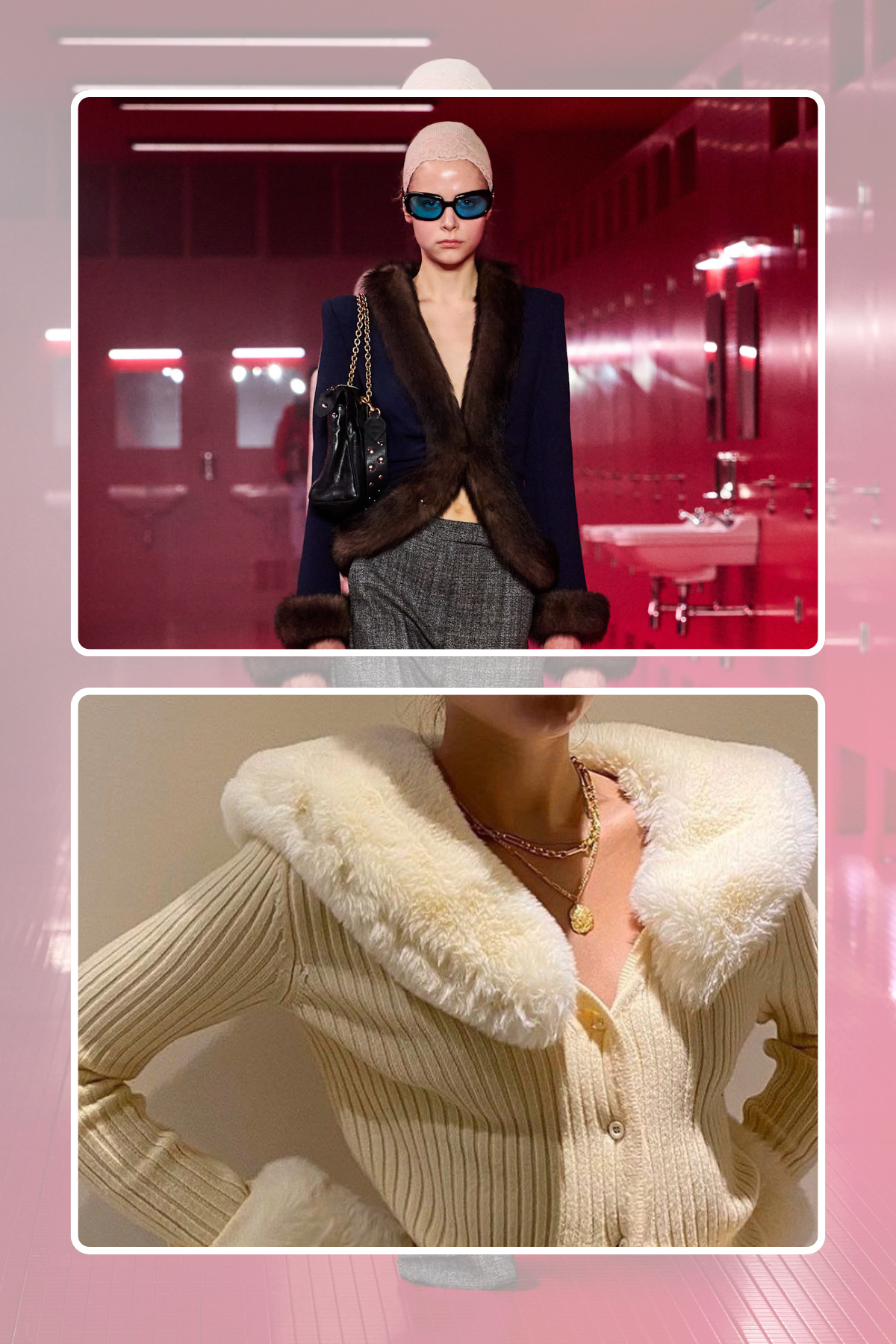
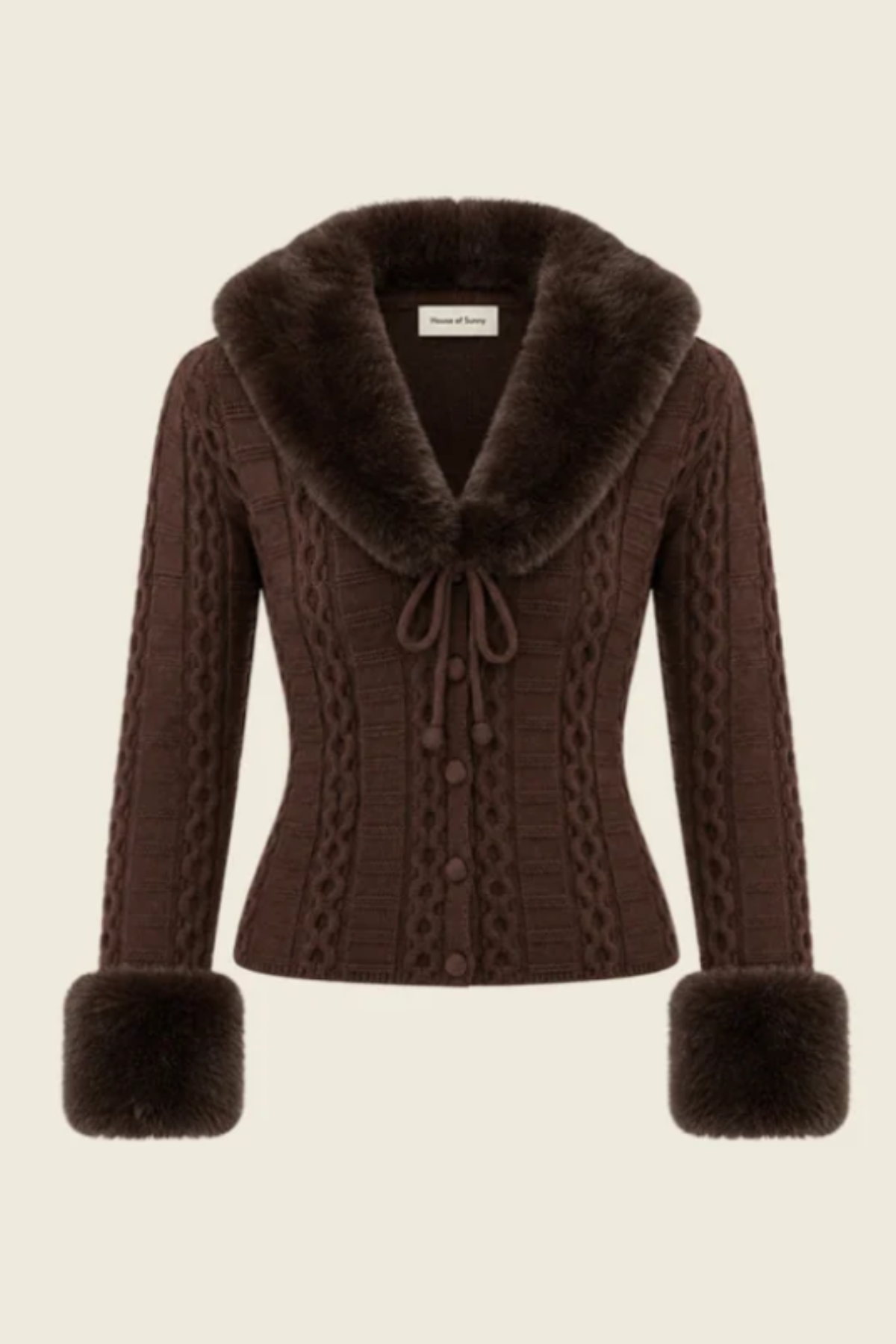
The tide began to turn at the dawn of the new decade. Fast-forward to 2020, when House of Sunny’s sage-green "Peggy" cardigan became an instant social-native favorite. Fashion enthusiasts across digital platforms eagerly adopted the piece, proving once and for all that cosy knitwear could still firmly occupy the realm of high fashion. By the autumn/winter 2025 runways, major legacy houses like Valentino officially reaffirmed the style’s luxury status, showcasing elevated, sophisticated versions paired with grey pinstripe trousers and supersized sunglasses.
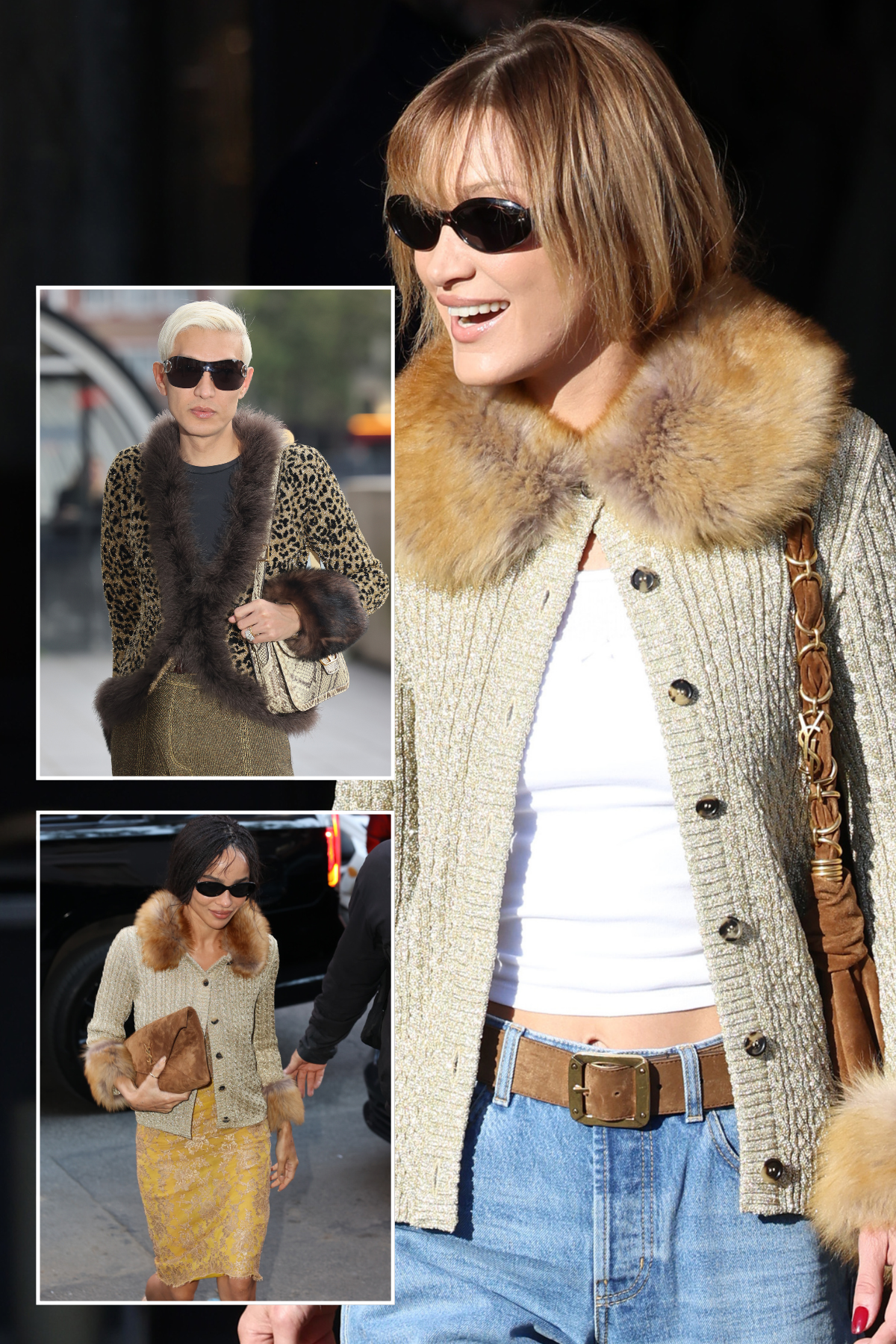
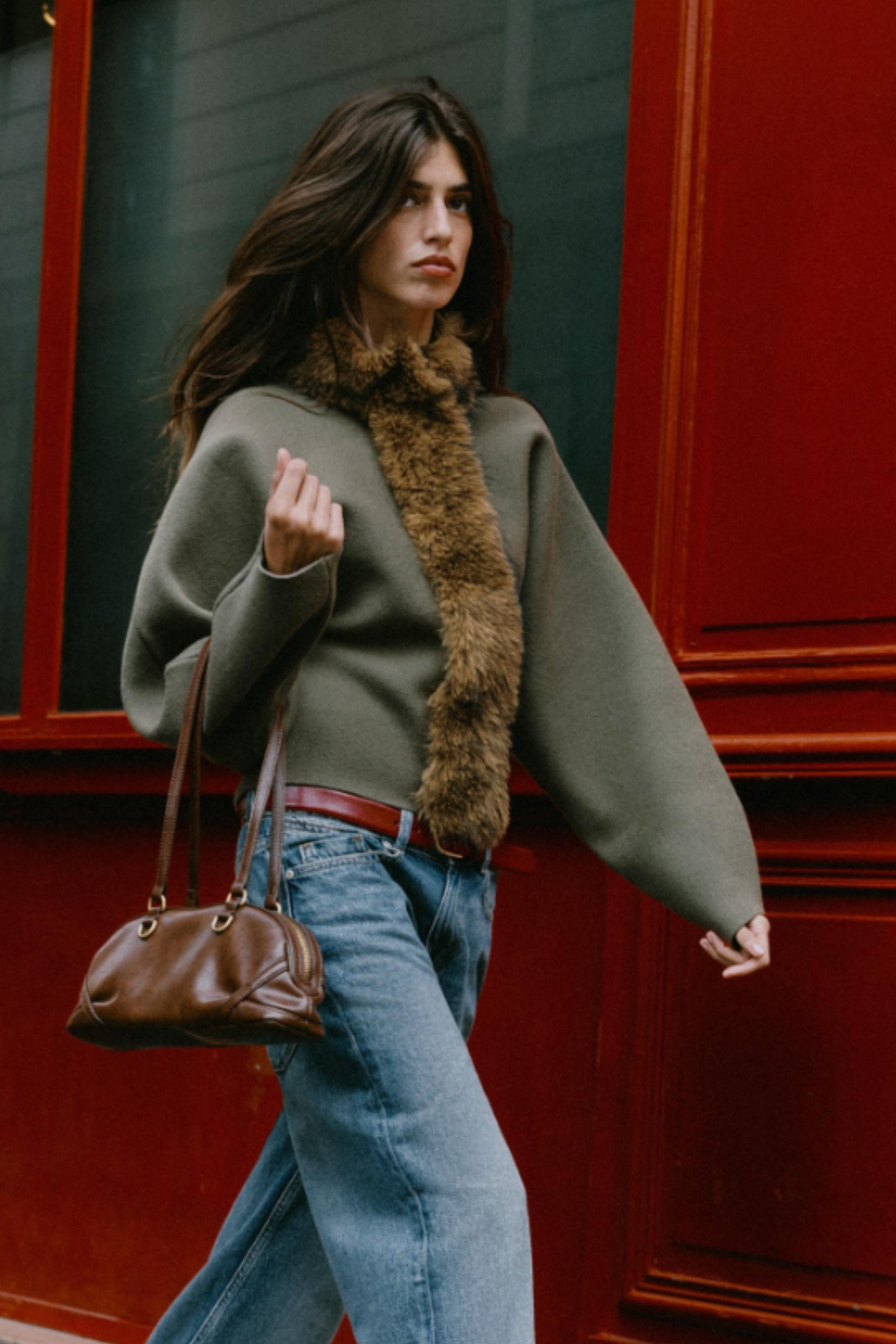
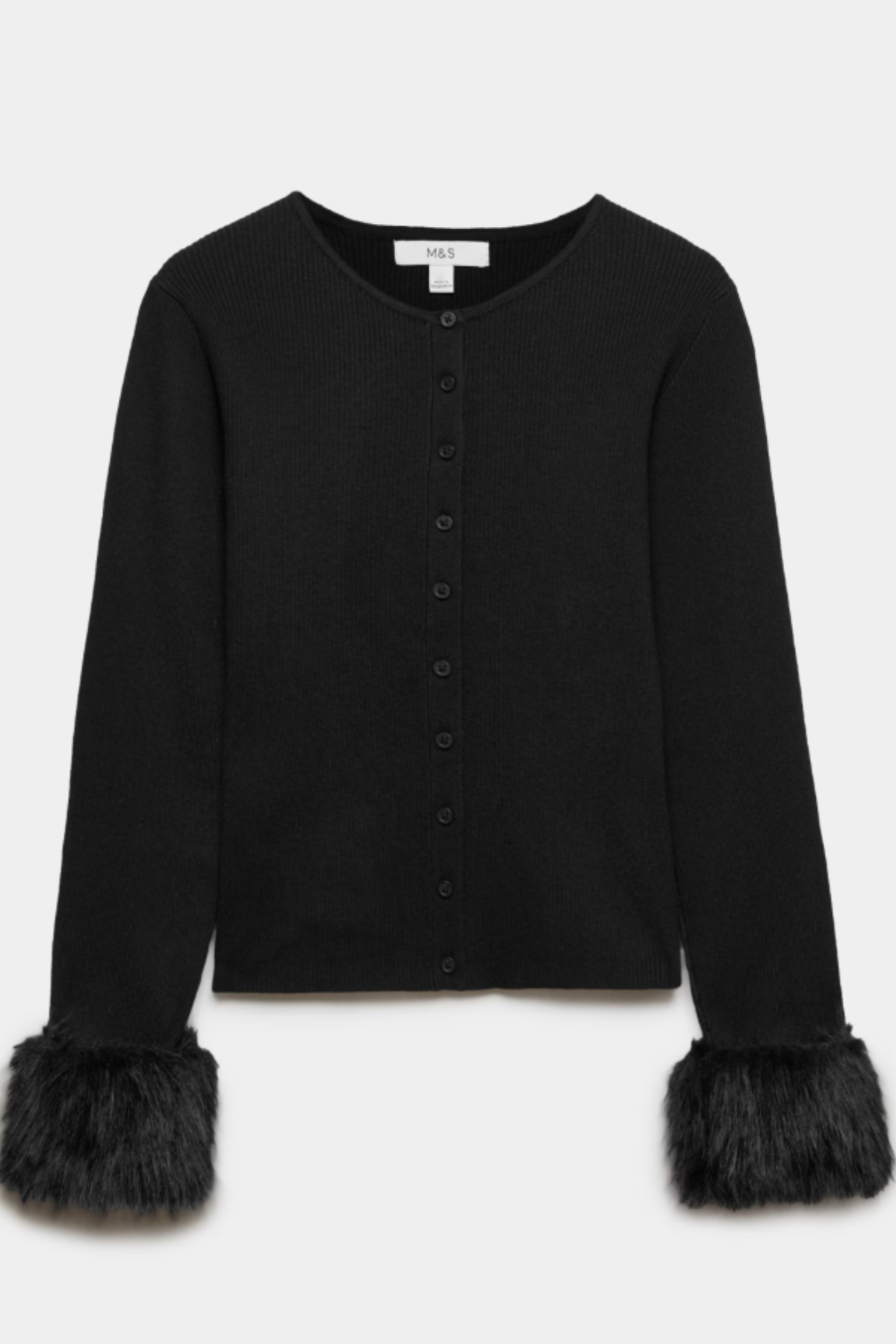
Today, the fashion industry has reached peak faux-fur-trimmed-cardigan saturation. Modern tastemakers and style icons like Zoë Kravitz, Bella Hadid, and Bryanboy have been spotted styling their tactile, collared knits in remarkably diverse ways—pairing them with everything from metallic gold skirts and classic straight-leg jeans to impeccably tailored trousers. With high-street giants like Zara alongside contemporary labels such as Carelli, House of Sunny, River Island, I.AM.GIA, OW Collection, AFRM, Noughts and Kisses, Lioness, Self-Portrait, and Majorelle embracing the trend with dedicated collections, the statement cardigan has officially cemented its status as a wardrobe essential for the modern season.