
JPMorgan Chase, the nation’s largest bank, has made a monumental commitment to the American housing market with a staggering $750 billion capital deployment plan. Announced to extend through 2035 via the firm’s American Dream Initiative, the massive capital injection represents a nearly 40% increase over the bank’s housing investments from the previous decade. Coming at a time when many prospective buyers and industry observers are hoping for falling home prices amid a shifting economic landscape, JPMorgan’s aggressive stance signals strong institutional confidence in long-term housing stability.
The historic financial commitment was a primary topic of discussion during a recent market update featuring real estate experts Henry Washington, James Dainard, and Kathy Fettke. Analyzing the broader implications of JPMorgan’s strategy, the panel explored how America’s top bank is positioning itself across multiple real estate sectors, including multifamily apartment development, expanded mortgage lending for first-time buyers, and direct investments in affordable housing funds.
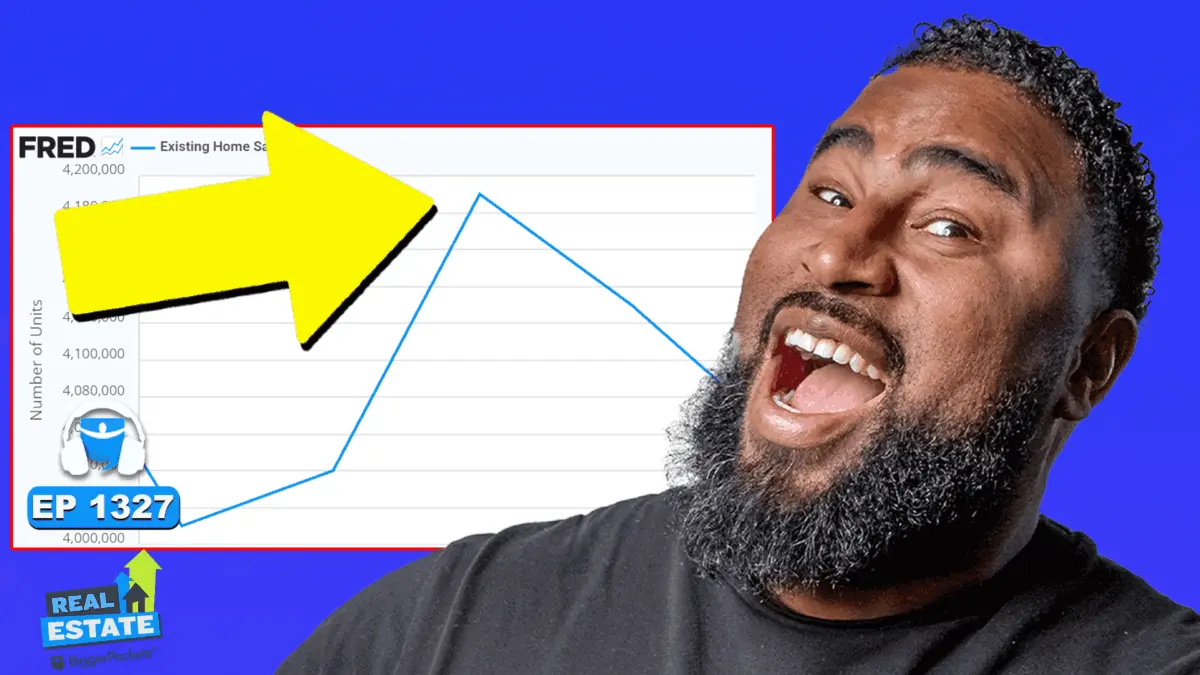
This massive vote of confidence from the banking sector arrives against a backdrop of cooling summer sales and evolving affordability challenges. According to recent data discussed by the panel, existing home sales fell by 1.7% in July to a seasonally adjusted annual rate of 4.06 million. Meanwhile, national median existing home prices climbed 2% year-over-year to $434,000, marking the 37th consecutive month of annual price gains.
Real estate professionals across the country are navigating a distinct divide in market velocity. While starter homes and lower-priced properties face stiff headwinds due to high interest rates and stretched consumer budgets, luxury home sales continue to demonstrate resilience. Buyers benefiting from strong stock market gains and accumulated wealth are rapidly absorbing properties in higher price brackets, often sending luxury listings into contract within thirty days. Conversely, standard fix-and-flip properties are experiencing longer days on market as buyers grapple with affordability constraints.
To adapt to these shifting conditions, active investors are rethinking their traditional strategies. In many local markets, unrenovated yet clean and livable homes—colloquially referred to as "grandma’s houses"—are outperforming heavily renovated flips. Because buyers are eager to enter the market at a lower initial price point and customize properties over time, smart operators are pivoting. Instead of executing costly, top-tier luxury renovations, some investors are opting for light cosmetic updates and fast turnarounds, effectively cutting holding costs and targeting the high-demand entry-level segment.
Beyond individual property flipping, institutional and private investors are closely monitoring the broader economic indicators impacting the housing sector. The latest Consumer Price Index (CPI) inflation report offered a measure of relief, showing that headline inflation rose by just 0.1% for the month, pulling annual inflation down to 3.4%. Core CPI also hit its slowest pace since the post-pandemic surge, pointing toward potential stability in energy and consumer goods costs.
This deceleration in price growth has influenced expectations surrounding the Federal Reserve’s monetary policy. Market indicators, such as the CME FedWatch tool, recently showed a significant probability that the central bank will keep current interest rates steady rather than rushing into further hikes. For active real estate operators, this potential stabilization is critical for restoring consumer confidence, which has been dampened by months of economic uncertainty and fluctuating fuel and grocery prices.
Despite affordability pressures and stretched household budgets, the willingness of major financial institutions to deploy hundreds of billions of dollars into real estate suggests that a catastrophic market crash is not on the horizon. Financial heavyweights like JPMorgan Chase are not expected to back high-risk, low-down-payment mortgages and affordable housing funds if they anticipate asset values dropping precipitously in the near future. Instead, these strategic moves point toward a maturing, flattening market characterized by localized opportunities rather than runaway appreciation or a historic downturn.
For real estate investors, navigating the current environment requires disciplined data analysis rather than emotional reaction. Successful market participants are diving deep into hyper-local zip codes and specific price points to identify where buyer velocity remains strong. By closely studying shifting consumer preferences, reducing holding costs, and maintaining flexible acquisition strategies—ranging from light-turn retail sales to discounted new construction buy-and-holds—operators continue to find viable pathways in a complex and evolving housing economy.