
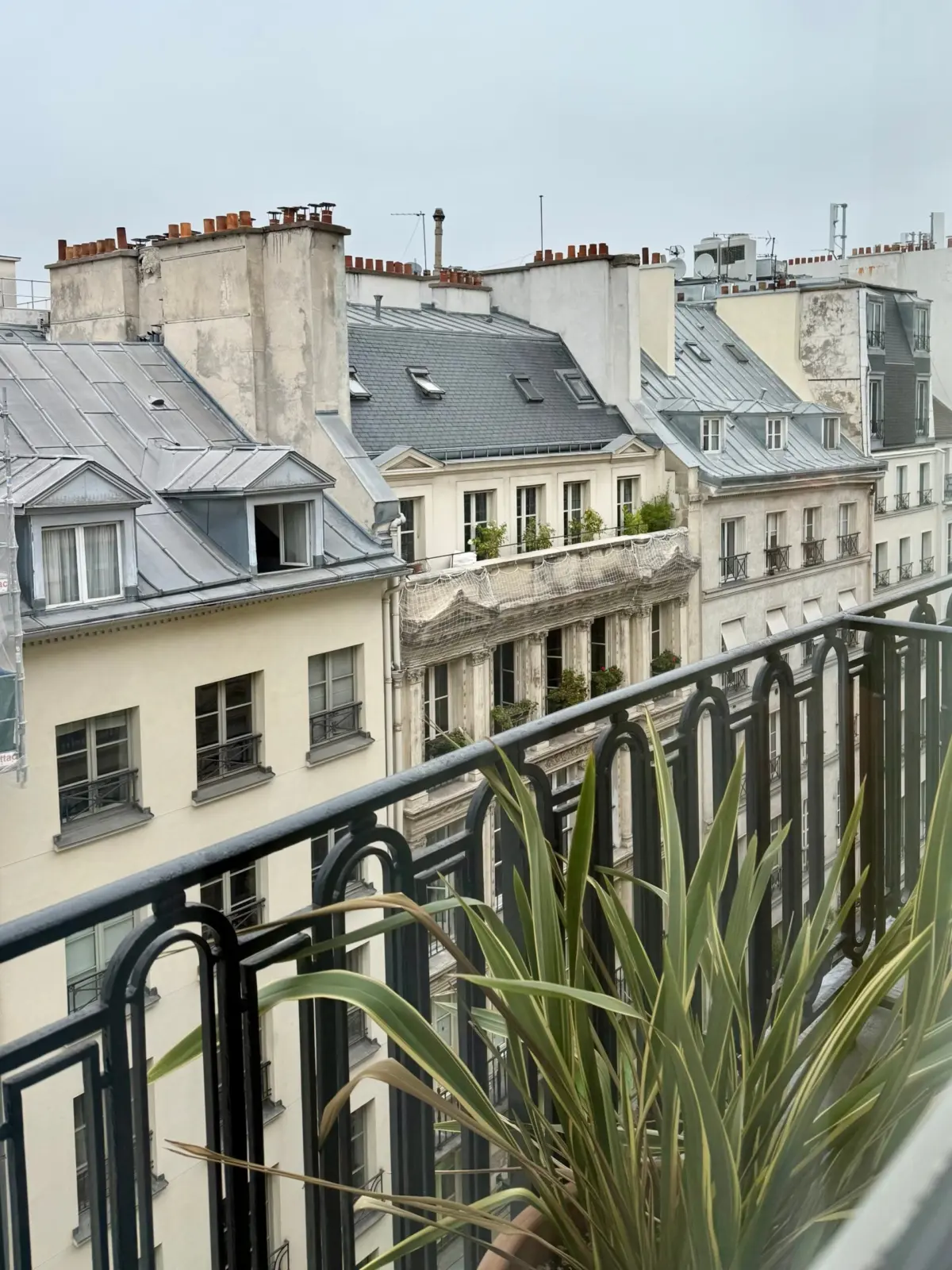
A recent professional assignment in the French capital brought a fresh perspective on the city’s enduring cultural and aesthetic charm. During a stay in the historic sixth arrondissement, observations around the city captured a blend of classic Parisian traditions and subtle contemporary shifts in fashion, food, and daily life.
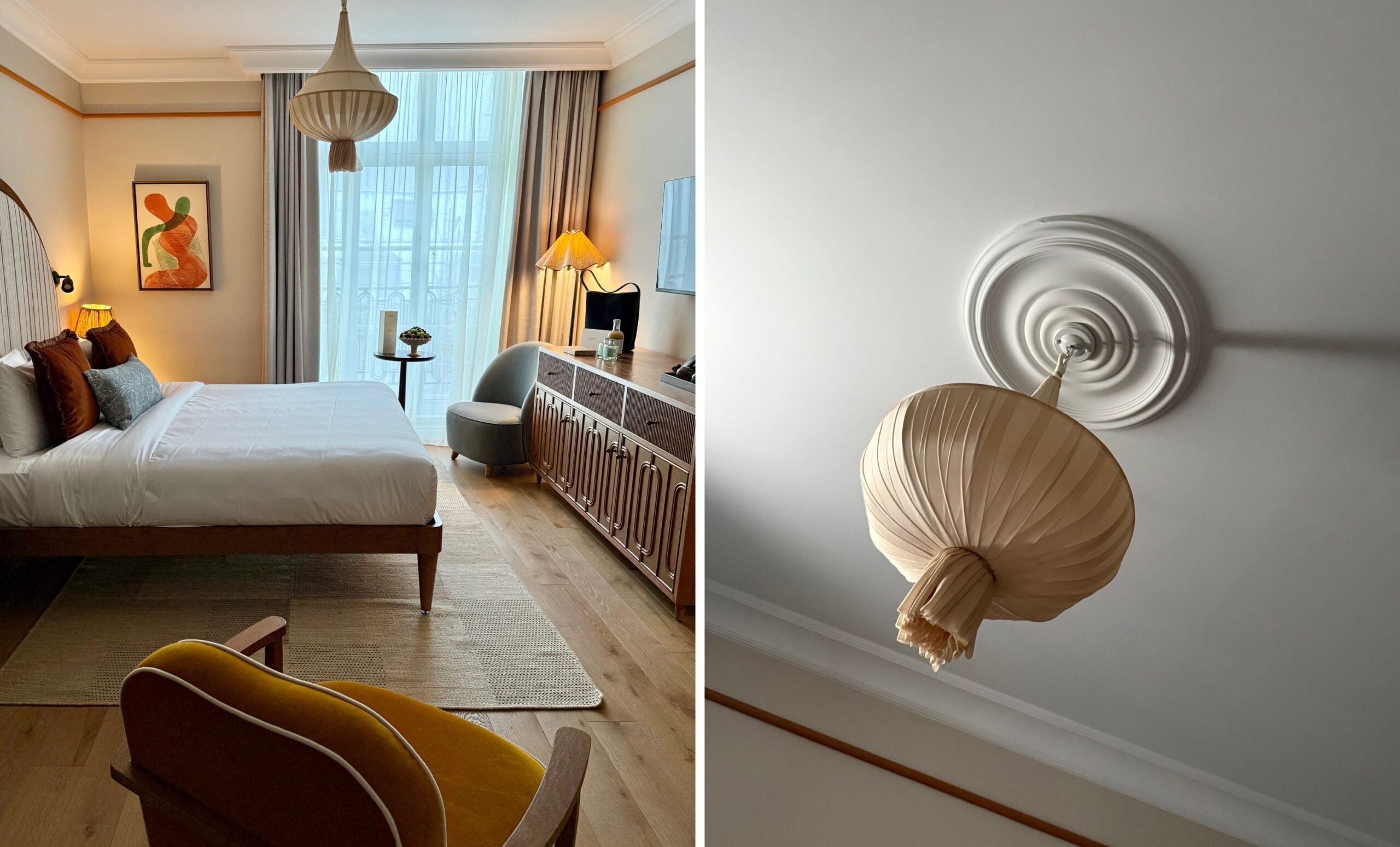
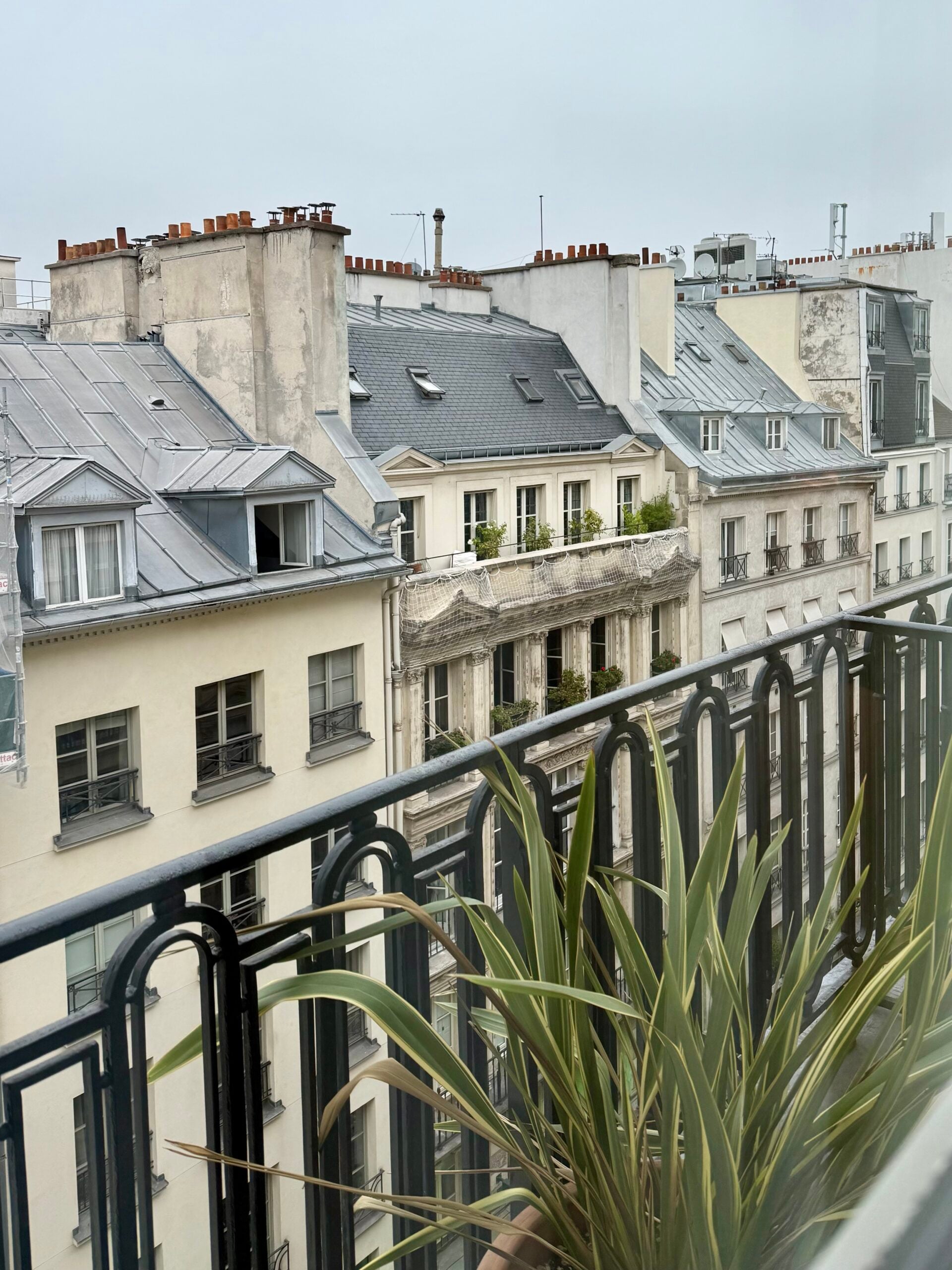
The journey began near the offices of the French fashion label Sézane, where accommodations at Le Grand Hôtel Cayre provided a central base in the heart of the district. The room’s distinct interior details, including a striking ceiling lamp reminiscent of an onion shape viewed through the haze of jet lag, complemented expansive views of classic Parisian rooftops.
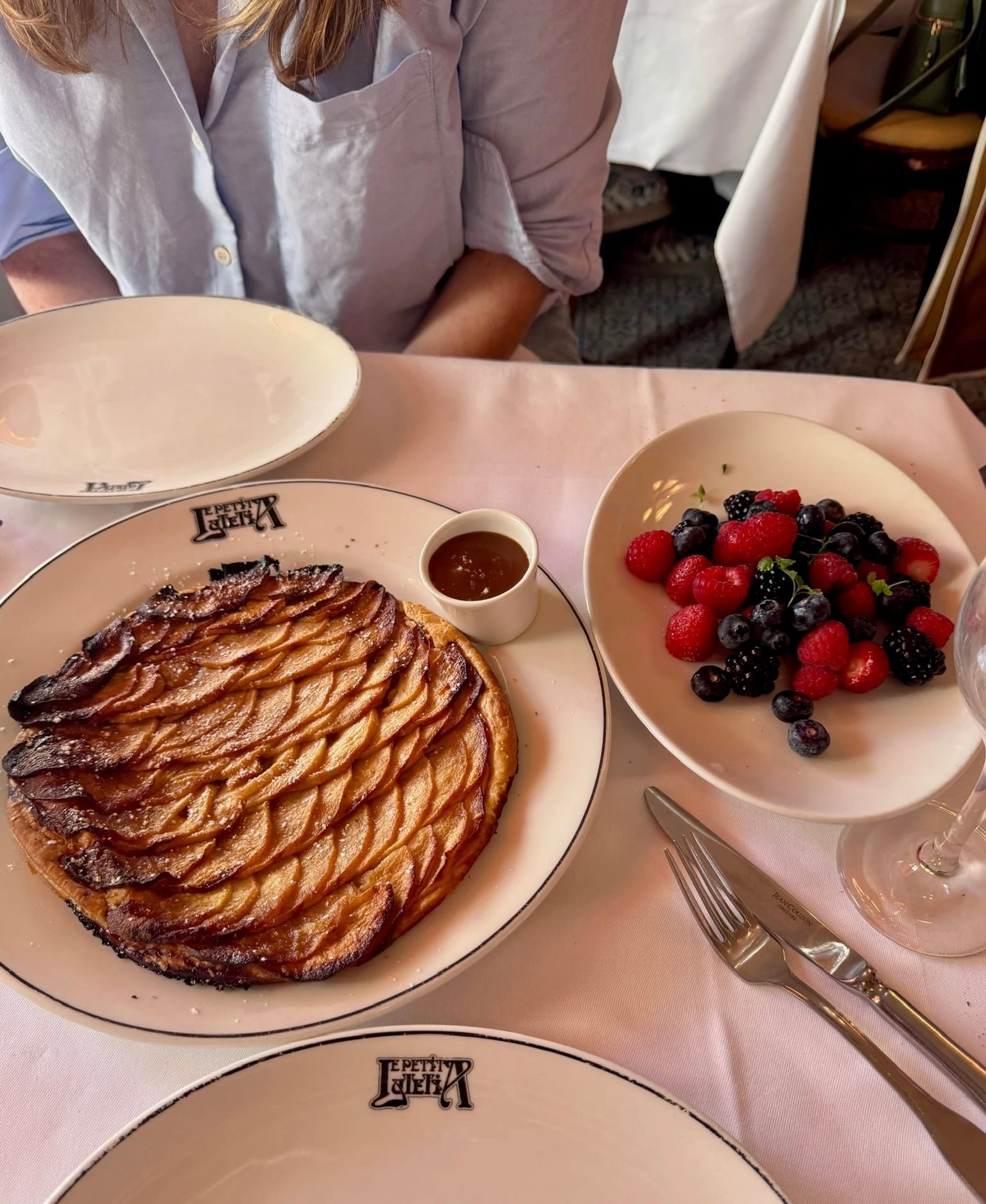
The first day in the city featured a lunch meeting with a member of the Sézane team at Le Petit Lutetia, a neighborhood brasserie known for its traditional atmosphere. The menu offered classic bistro fare, including chicken, green beans, and mashed potatoes. Among the dessert selections were choices ranging from chocolate mousse intended for sharing to childhood-inspired rice pudding. The final decision settled on a very thin apple pie served alongside warm salted caramel sauce and whipped cream, a dish that inspired plans for recreation at home.
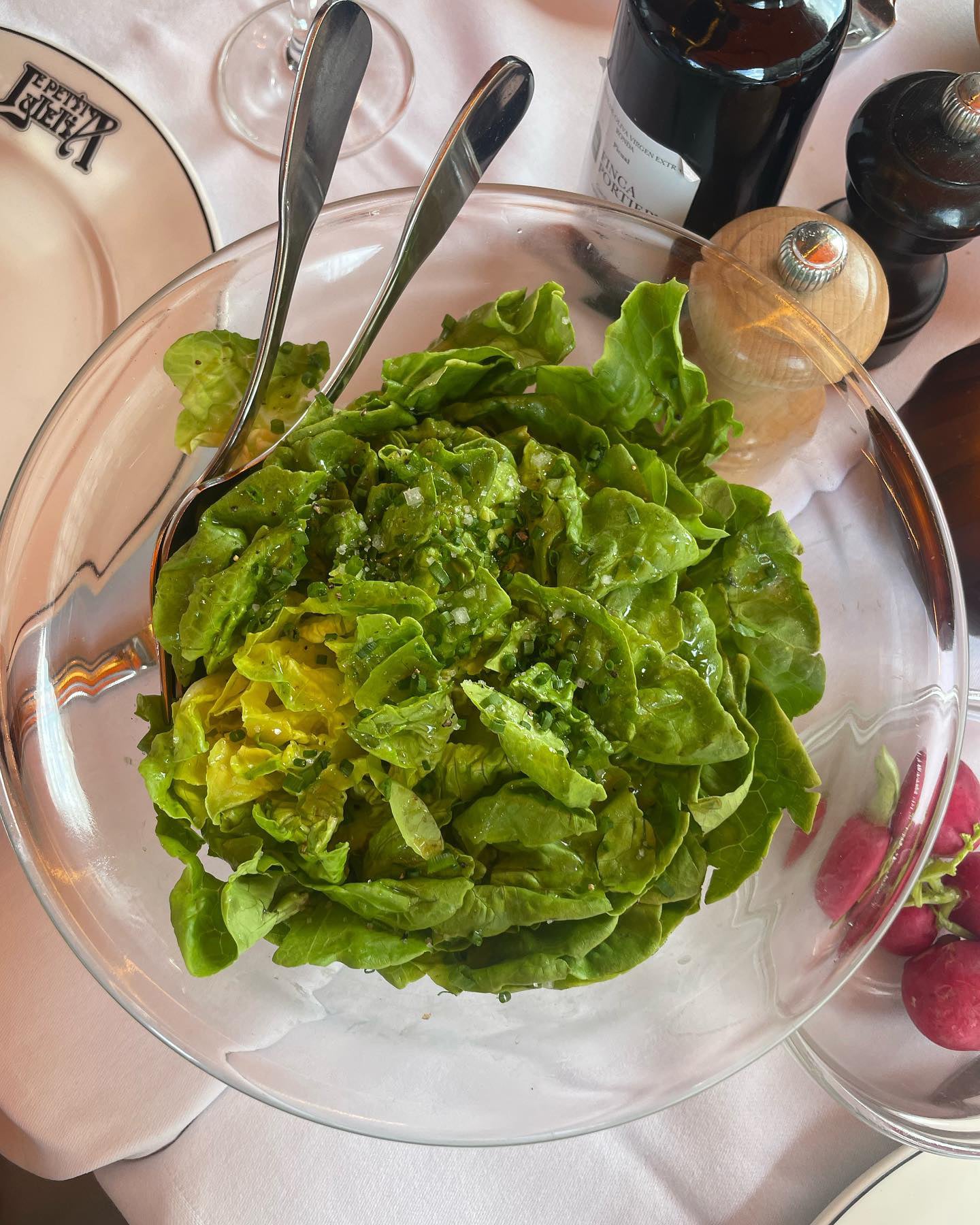
Surrounding tables at the brasserie highlighted another local dining preference: whole lettuce served simply in a bowl, dressed with olive oil, lemon, chives, salt, and pepper. This minimalist approach to a familiar green vegetable proved to be a popular choice among patrons.
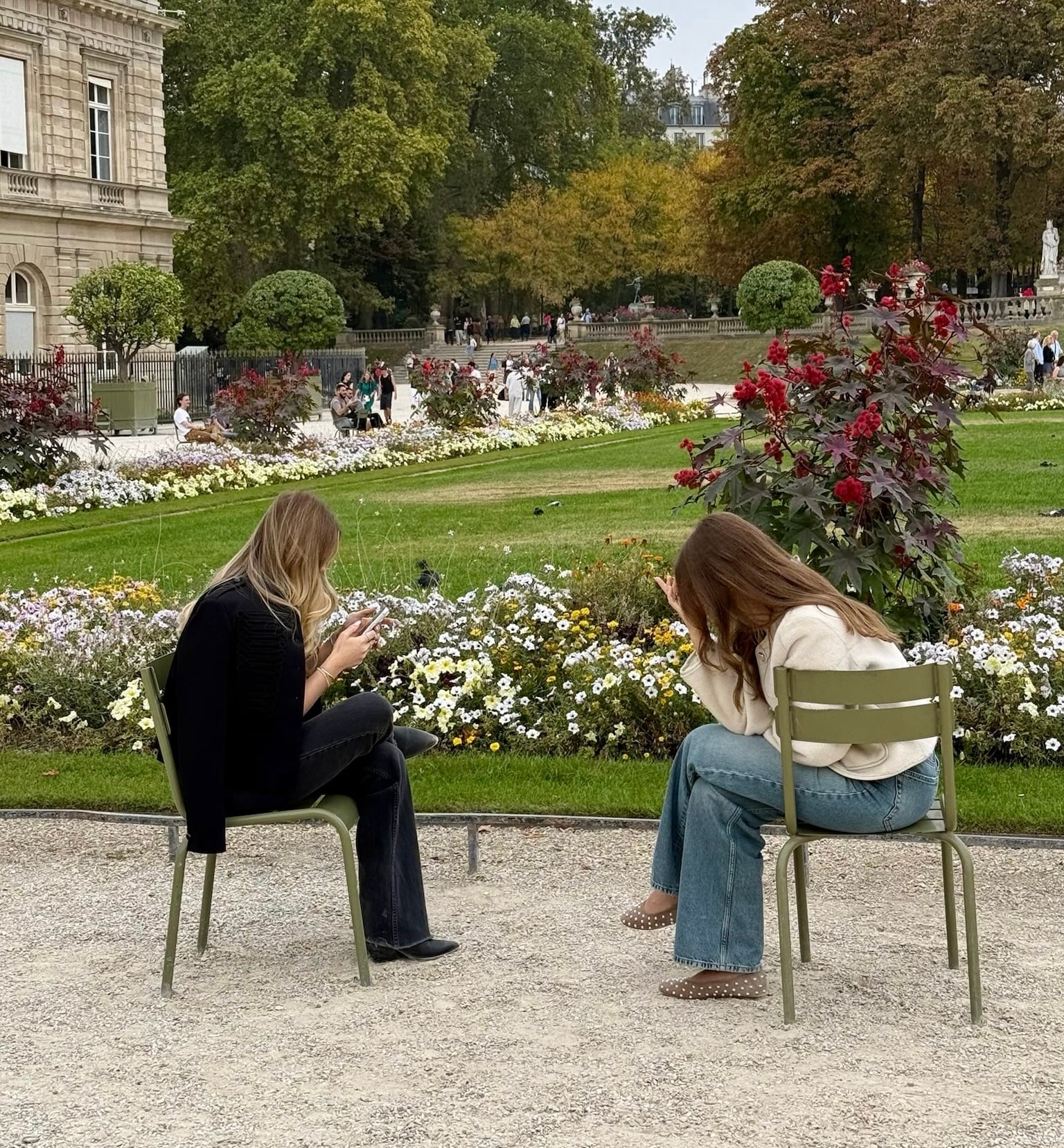
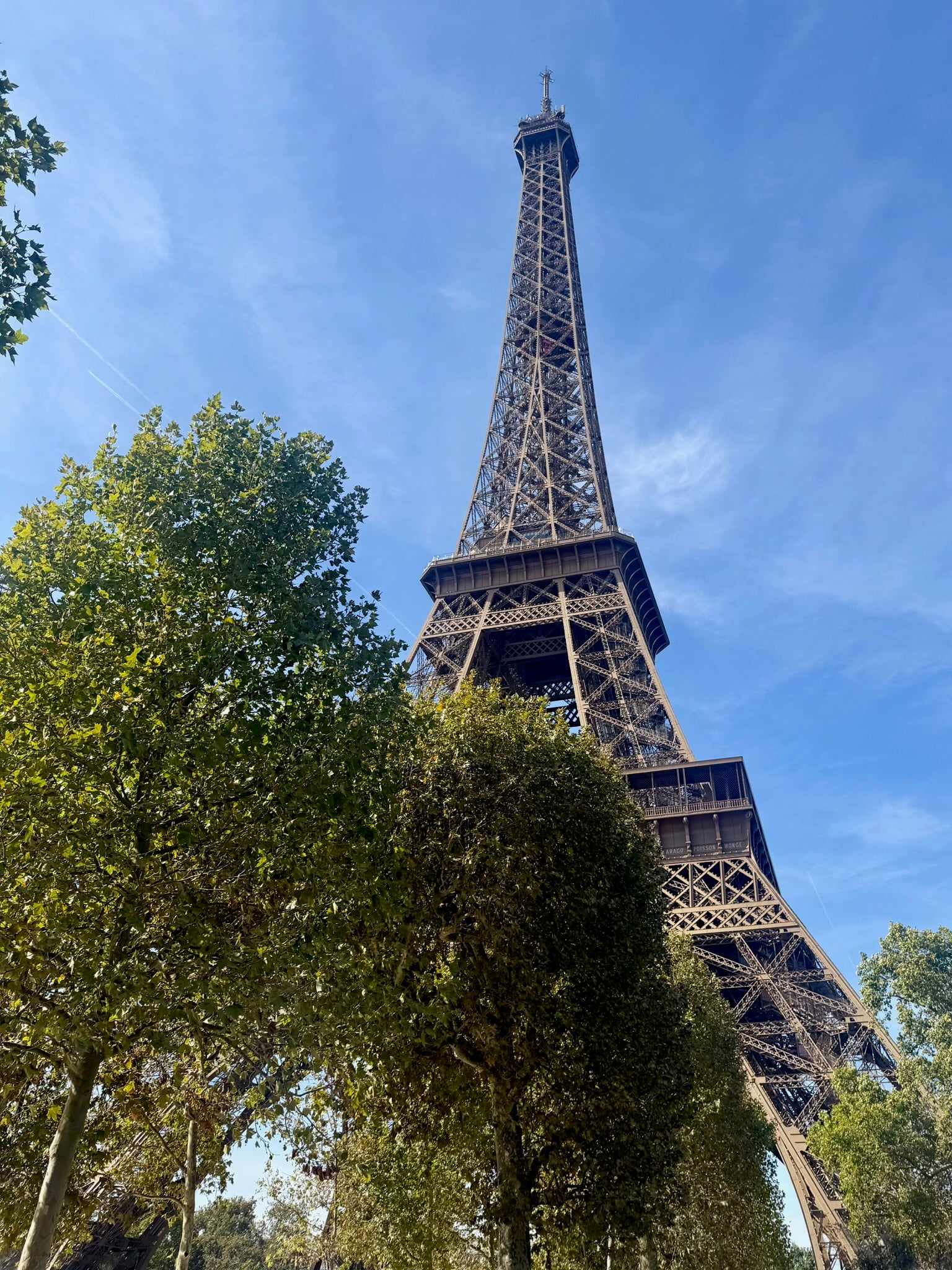
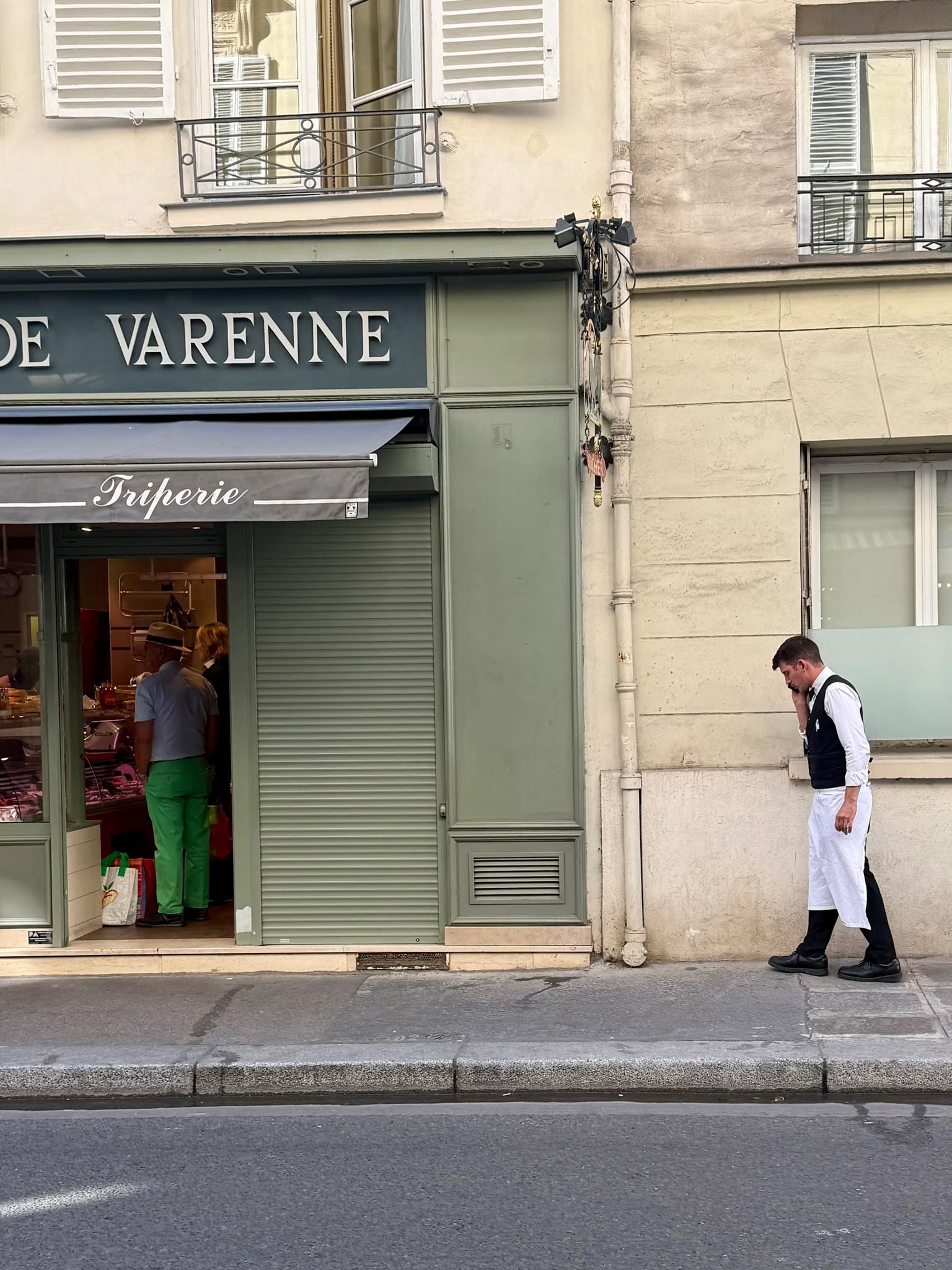
Transportation around the city included cycling to the Eiffel Tower, where an afternoon spent in the surrounding green spaces offered a familiar window into local leisure. The scene featured children chasing bubbles across the lawn alongside couples resting in the grass, reflecting the city’s consistent and recognizable atmosphere. Street observations also noted older men wearing trousers in vibrant shades such as kelly green, echoing similar color trends observed in other urban areas like Brooklyn.
Another afternoon involved a visit to Merci, the well-known three-story concept store located in the Marais district. The multi-level space offers an array of curated items, ranging from home goods and children’s accessories to novelty figurines, such as a collectible toy man carrying a miniature suitcase. Window shopping through the store revealed a variety of distinctive items, including cashmere bandanas, croissant-themed postcards, children’s cutlery, and plush toys.
Bookstore browsing in the city also provided a reminder of regional differences in publishing design, with European editions of contemporary novels presenting distinct visual aesthetics compared to their domestic counterparts.
The final evening in the city concluded a schedule that also touched upon several established local institutions. Among long-standing recommendations for visitors are Mokonuts, known for its distinct lunch offerings; the Bourse de Commerce, which houses a collection within a historical architectural setting; and the Rodin Museum, featuring sculptures displayed throughout its gardens.
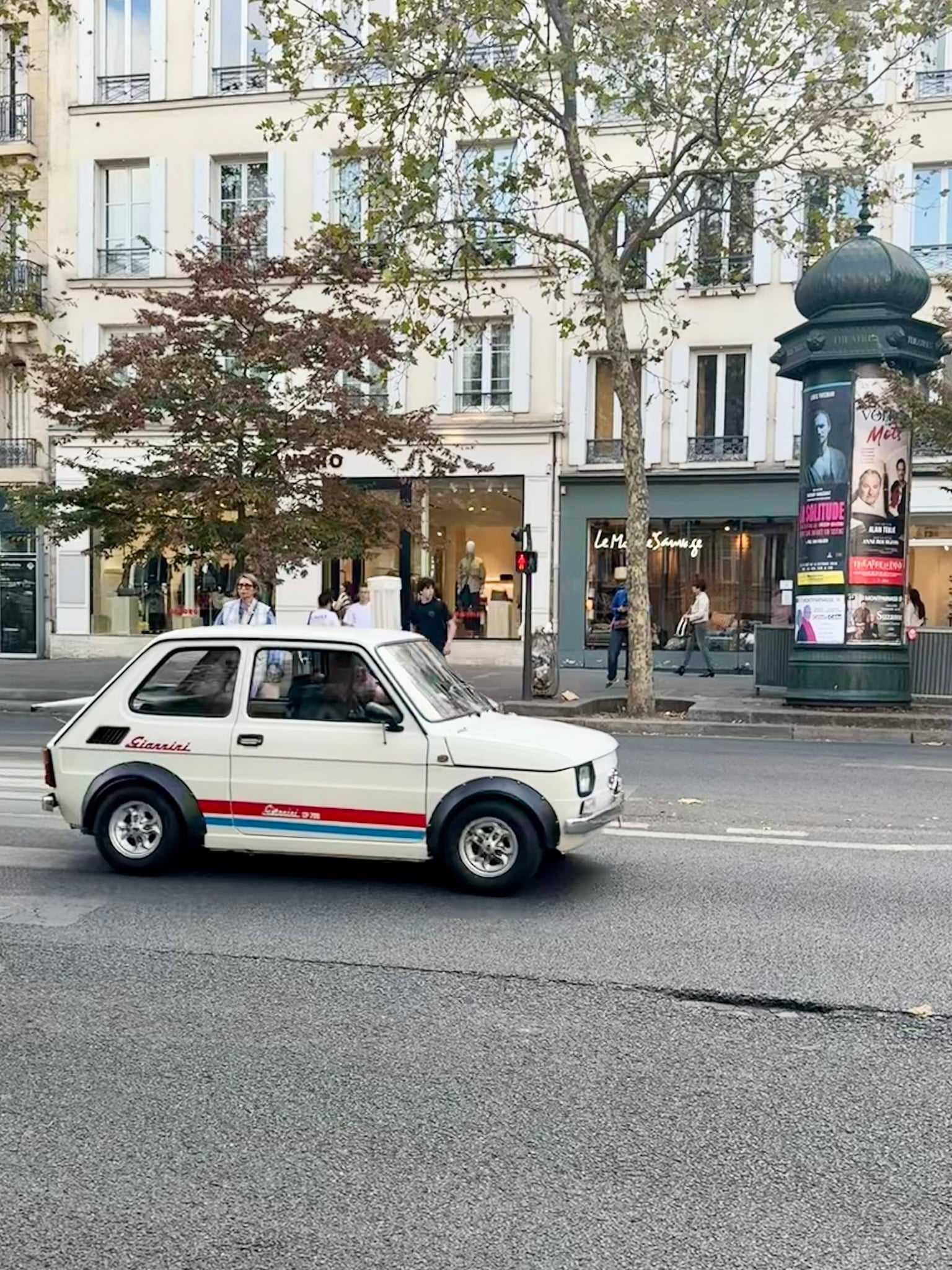
These impressions from the French capital reinforce the enduring appeal of the city’s daily rhythms, culinary staples, and neighborhood dynamics, continuing a long tradition of cultural observation by travelers from abroad.