
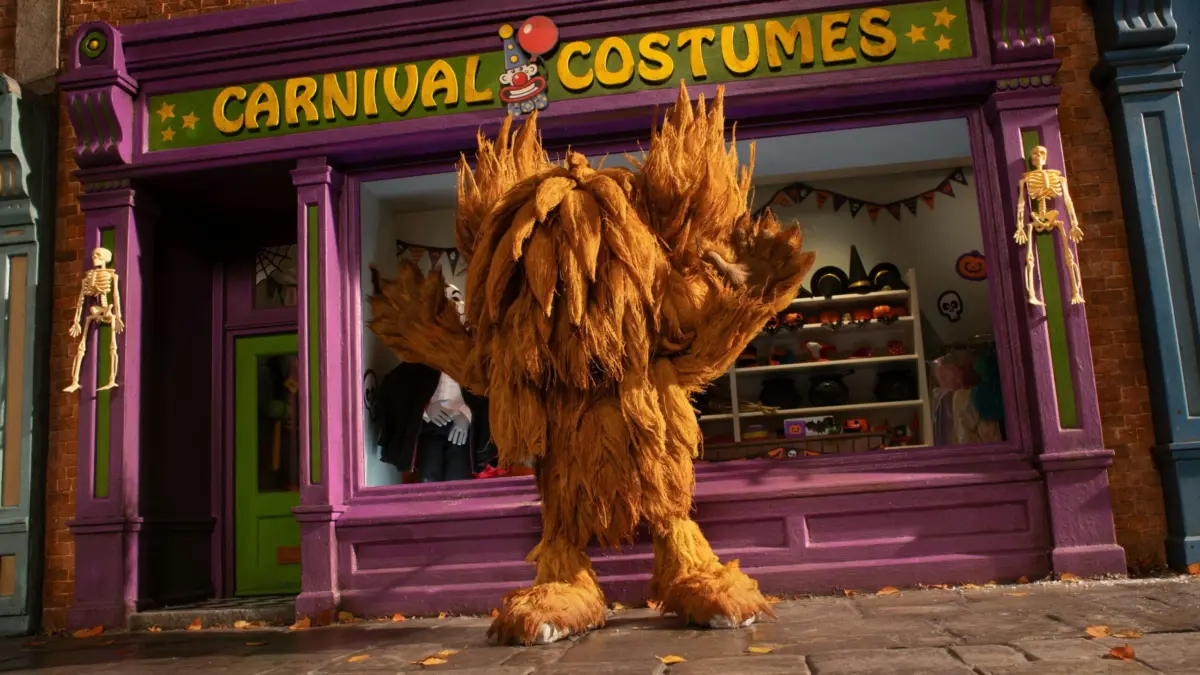
The horror genre has long possessed a distinct magnetic pull for young audiences, often sparking an early fascination with the macabre that starts with sneaking peeks at forbidden films. For many, childhood attempts to watch classic horror features end in parental intervention and lingering apprehension toward everyday objects like dolls and clowns. Yet, this universal childhood desire to test one’s bravery creates a unique space for the cinematic "on-ramp"—a carefully calibrated scary movie that strikes an ideal balance between genuine delight and harmless tension, allowing children to feel courageous without sacrificing a peaceful night’s sleep.
Enter Shaun the Sheep: The Beast of Mossy Bottom, a fresh addition to the cinematic landscape that aims to fill a surprisingly vast void in family entertainment. When sitting down with co-directors Steve Cox and Matthew Walker to discuss the new project, the conversation quickly turned to how remarkably sparse the category of family-friendly Halloween films actually is. Cox noted that the realization came as a surprise even to the creative team during the early stages of production as they searched for reference points. The directors found themselves repeatedly asking how other filmmakers had tackled the concept, only to realize that the territory remained largely uncharted.
A closer look at the seasonal film market reveals a glaring gap. Beyond perennial favorites like Hocus Pocus and The Nightmare Before Christmas, the options drop off sharply, leaving parents with a steep cliff on the other side of which lie mature horror titles entirely unsuitable for young children. Most families respond by cycling through the same small rotation of spooky-adjacent movies year after year until parents and children alike can recite the dialogue from memory. The Beast of Mossy Bottom arrives as a much-needed new entry for that seasonal rotation, offering a genuine theatrical option for families seeking autumn-themed entertainment.
For audiences familiar with British claymation comedy, the world of Wallace and Gromit and its spin-offs needs little introduction. Created by Nick Park and produced by Aardman Animations, this distinctive stop-motion style originated in the late 1980s with the short film A Grand Day Out. Shaun the Sheep and his fellow flock members made their debut in 1995’s A Close Shave, a critically acclaimed short that maintains a rare 100 percent rating on Rotten Tomatoes.
The Beast of Mossy Bottom marks the third feature film in the Shaun the Sheep family, transporting viewers once again to the bucolic village of Mossy Bottom. In this latest installment, the frequently befuddled farmer develops a budding crush on the local veterinarian, though his self-consciousness regarding his balding head leaves him distracted. Amidst this midlife insecurity crisis, the farmer clumsily destroys the pumpkin patch that Shaun and the flock had meticulously cultivated for their Halloween jack-o’-lanterns.
Driven to desperation, Shaun adopts a mad-scientist approach to repair the damage, setting off a chain reaction that spirals wildly out of control. As Shaun’s elaborate tinkering becomes entangled with the farmer’s personal anxieties, the situation on the farm takes a decidedly hairy turn.
A central question for parents approaching any seasonal release is determining the appropriate age threshold for viewers. Fortunately, The Beast of Mossy Bottom successfully positions itself as a horror movie designed genuinely for all age groups, avoiding the extremes that alienate either the youngest viewers or their older companions. Cox emphasizes the broad demographic target, noting that the team designed the film with the entire family in mind, joking that the franchise appeals to viewers anywhere from four to ninety-four years of age.
Walker elaborated on the careful balancing act required to introduce horror tropes to an audience that traditionally skews very young. Aardman’s creative team was deeply conscious of the need to avoid generating genuine distress among pint-sized viewers. While the film incorporates mild tension and the occasional jump scare, these moments are consistently undercut by physical comedy.
For parents watching alongside their children, this structural relief valve is precisely where the magic happens. When tension builds and young viewers instinctively pull their shoulders toward their ears, a sheep will typically execute a remarkably silly maneuver, defusing the suspense in an entertaining manner. The filmmakers verified this delicate balance during test screenings with young audiences, ensuring the spooky elements remained safely within the bounds of wholesome family entertainment.
While the primary audience remains children, the filmmakers ensured the production is packed with rewards for adult viewers as well. The movie opens with a direct nod to pop culture via a distinct dance sequence, while background references weave through the narrative, including subtle winks to classic television, cinematic comedies, and the rich traditions of Universal monsters and Hammer horror. These layered Easter eggs invite multiple viewings for parents eager to catch every visual gag.
The physical comedy operates on multiple levels, capable of amusing a six-year-old with straightforward slapstick while eliciting spontaneous laughter from a famously difficult-to-please teenager. Because the humor relies on a deadpan British sensibility, diverse age groups find themselves laughing at the identical moments, albeit often for slightly different reasons.
Adding to the unique charm of the production is the absence of traditional dialogue, a signature characteristic of the Shaun the Sheep brand. This creative constraint raises the stakes for visual storytelling, prompting questions about whether conveying the genre’s sense of dread and suspense becomes more difficult without spoken words. Cox acknowledged that while silent storytelling presents a persistent challenge in terms of keeping a story clear and engaging, it prevents the audience from becoming distracted. Both Cox and Walker credit the success of the film’s emotional arc and comedic timing to the exceptional skill of Aardman’s animators, who translate complex feelings entirely through movement and expression.
As a welcoming entry point into the autumn viewing season, the film delivers a warm, handmade aesthetic often described as cozycore. The tactile nature of stop-motion animation provides a rich texture that complements the traditional atmosphere of fall. With traditional holiday viewing traditions often hitting a wall due to a lack of fresh material, films that successfully bridge the gap between spooky and accessible are vital for expanding the seasonal rotation.
Shaun the Sheep: The Beast of Mossy Bottom arrives in theaters on September 18.