
Max Hurd, Who What Wear UK editor-in-residence, London-based art director, and creative consultant for leading luxury houses including Manolo Blahnik, Cartier, Farfetch, Asprey, H&M, and Patrón Tequila, is on a mission to cure the fashion world of its addiction to neutrals. Describing his personal aesthetic as "Oscar Wilde meets Marie-Antoinette by way of a Brazilian bordello," Hurd has long championed the psychological and stylistic benefits of embracing vibrant hues. While his career has primarily been built on applying this philosophy to interior design, he firmly believes that the same rules should apply to everyday wardrobes.
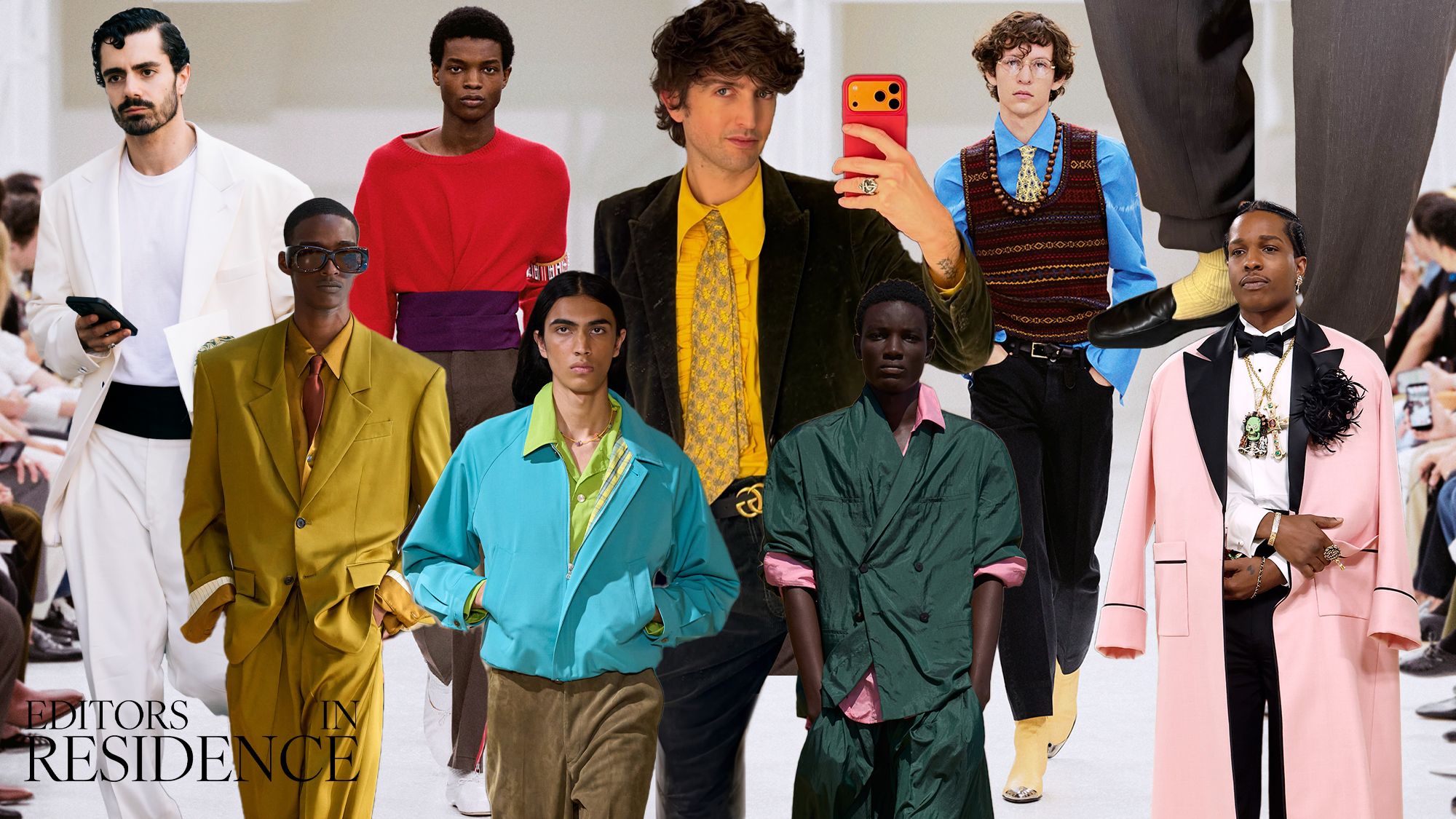
Across city streets and global transit networks, Hurd notes, commuters are frequently met with an overwhelming sea of mundane choices—an ever-expanding army of muted greys, browns, blacks, and navy. It raises a fundamental question for the fashion tastemaker: why choose to dress like everyone else? Why reach for a standard grey hoodie in the morning and project a complete lack of personality out into the world?
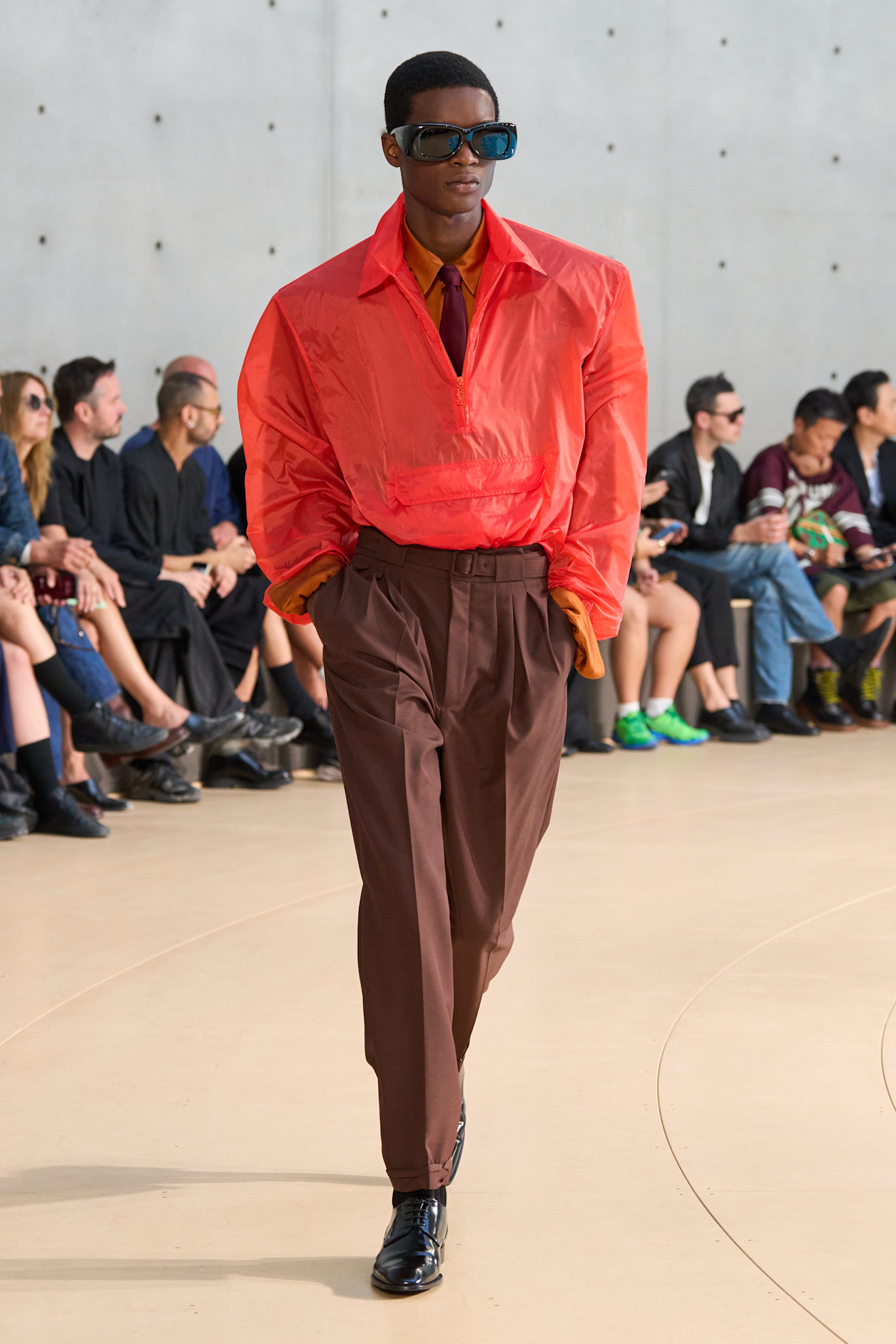
The reluctance to embrace vibrancy is a relatively modern phenomenon. Historical records indicate that the earliest forms of clothing dyeing date back to 34,000 BC, proving that prehistoric ancestors understood the power of colour long before modern tailoring existed. Fast forward to contemporary collections, and the industry is witnessing fun, unexpected snippets of colour breaking through the traditional menswear mold. Celine recently showcased remarkably soft-looking gloves in striking shades of red and lilacs, while Geordie Campbell, a prominent figure in the London fashion scene, sent male models down the runway wearing vivid cobalt blue tights.
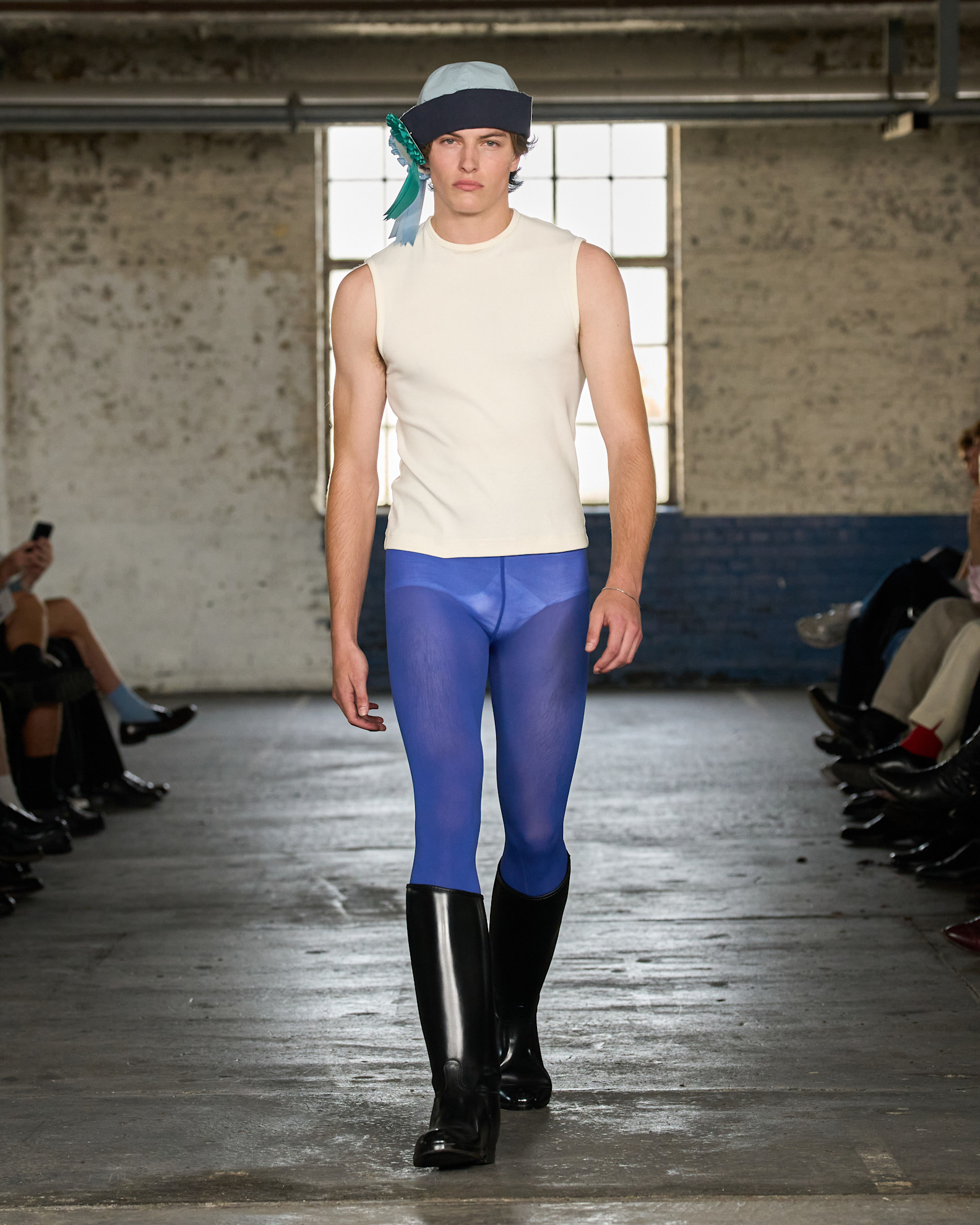
While wearing full hosiery to an office environment might remain a stretch for most, introducing a calculated dash of colour somewhere unexpected on the person is a strategy worth adopting. For those feeling hesitant to inject vitality into their daily routine, a closer look at the runway reveals five accessible ways to transition away from muted palettes.
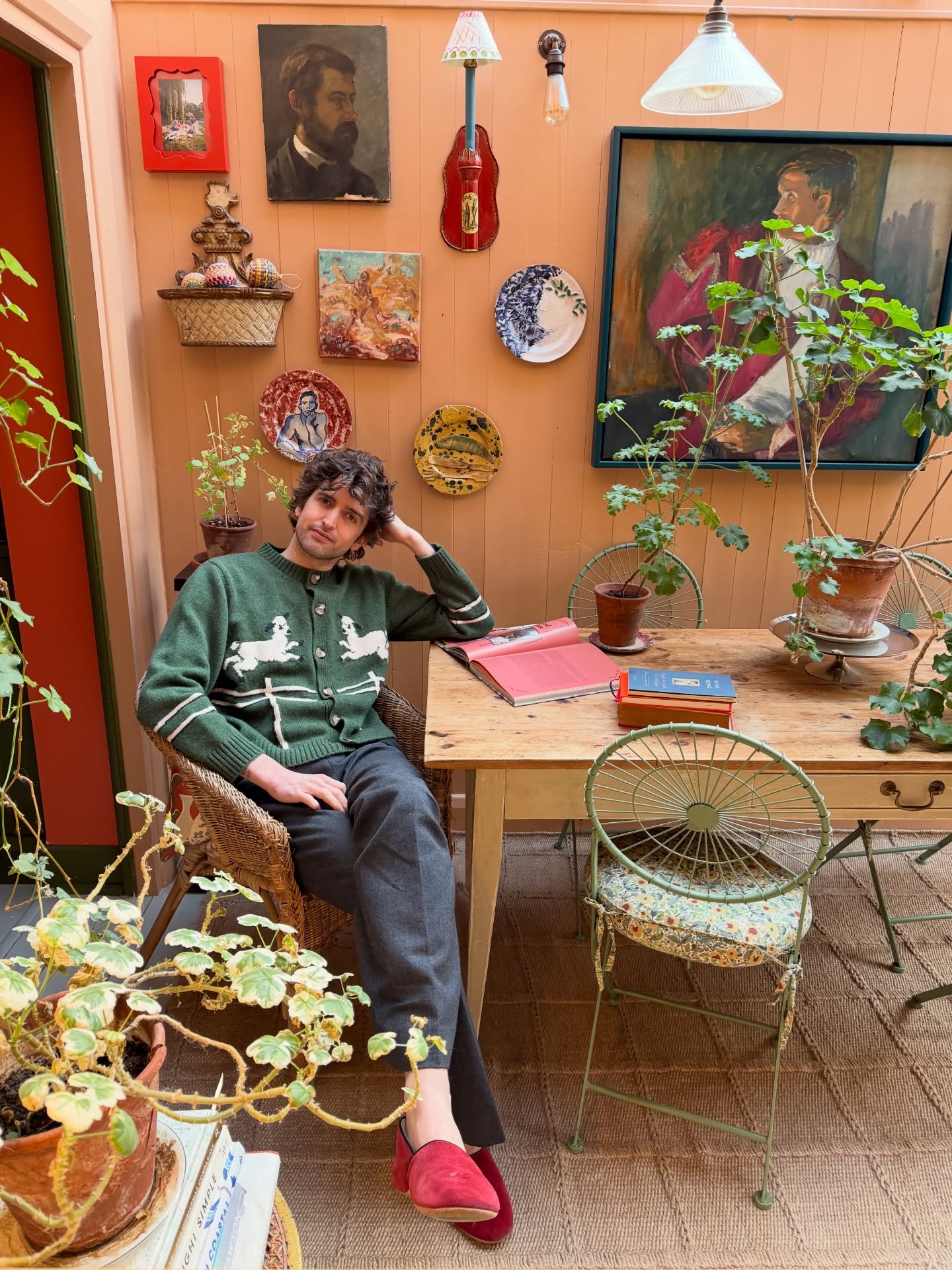
Not Your Grandpa’s Jumper
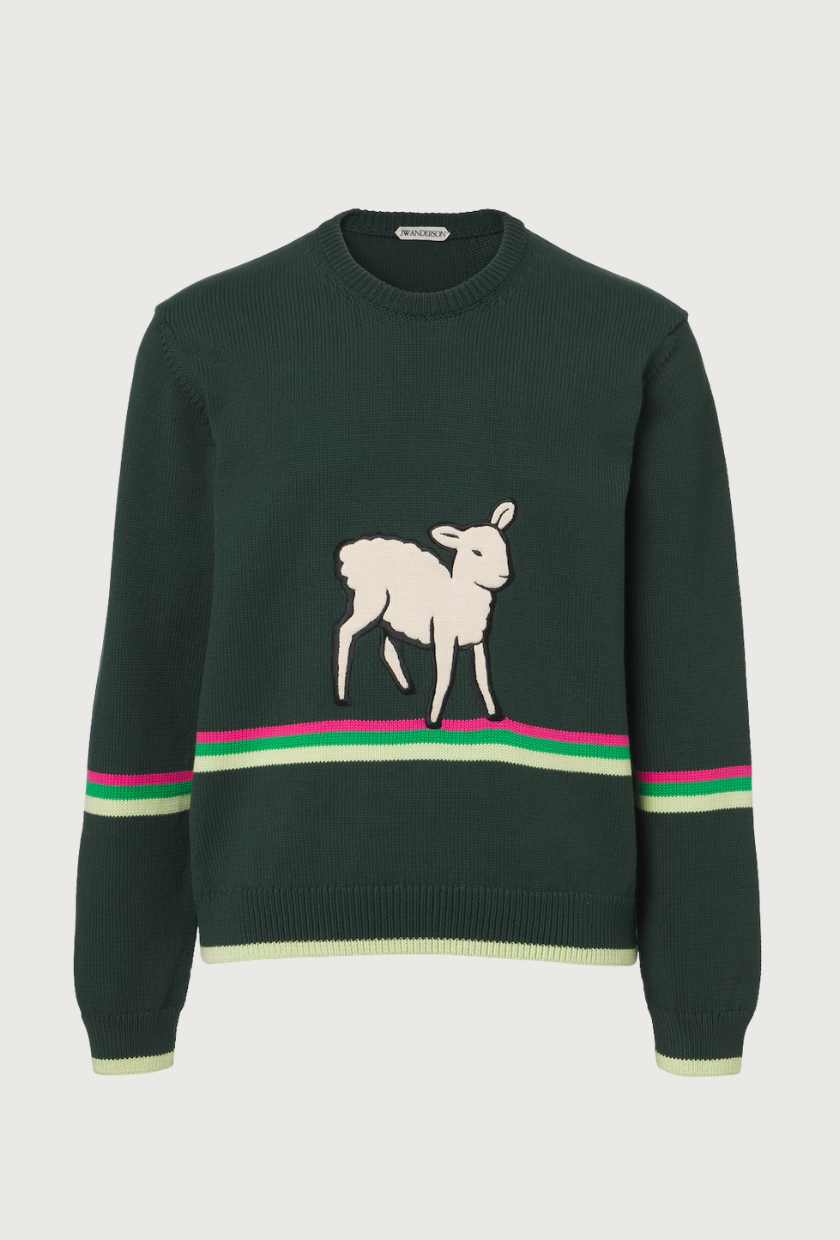
Over the past few seasons, the fashion landscape has experienced a significant shift that can best be described as the "fashionisation" of knitwear. This evolution began with a resurgence of cosy, classic Aran fisherman’s jumpers, followed by celebrated knitwear ranges from designers like Alexa Chung under her eponymous label. Today, the movement is spearheaded by designers such as S.S. Daley and his iconic animal-motif jumpers, proving that woven garments can bring genuine levity to daily dressing.
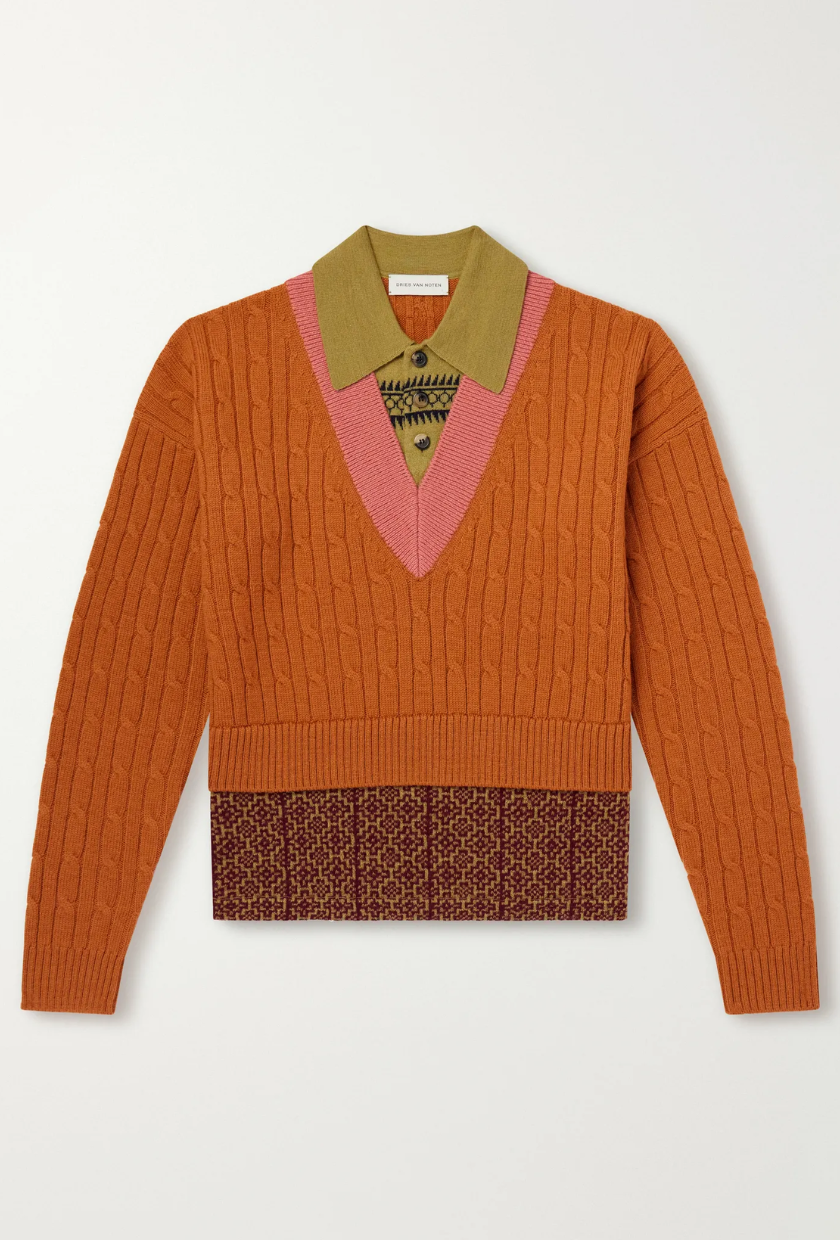
Colourful knitwear remains both elegant and playful in a way that standard sweatshirts rarely achieve. Casual sweatshirts frequently drift into the realm of sportswear, a category that many stylists argue lacks inherent refinement regardless of the price tag. While vibrant cashmere remains a fabulous option, it can occasionally lean too delicate for consumers who prefer a substantial, chunky knit featuring a dynamic splash of colour.
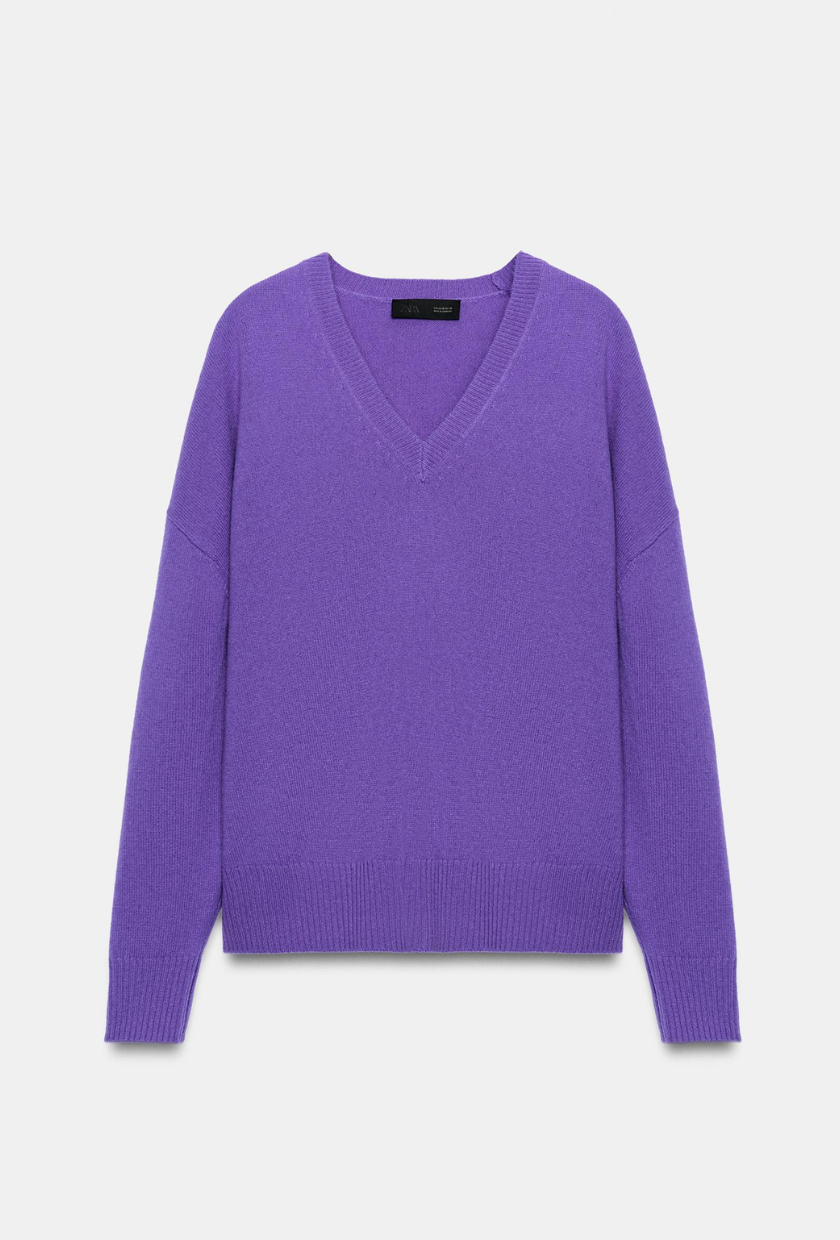
Brighten Up
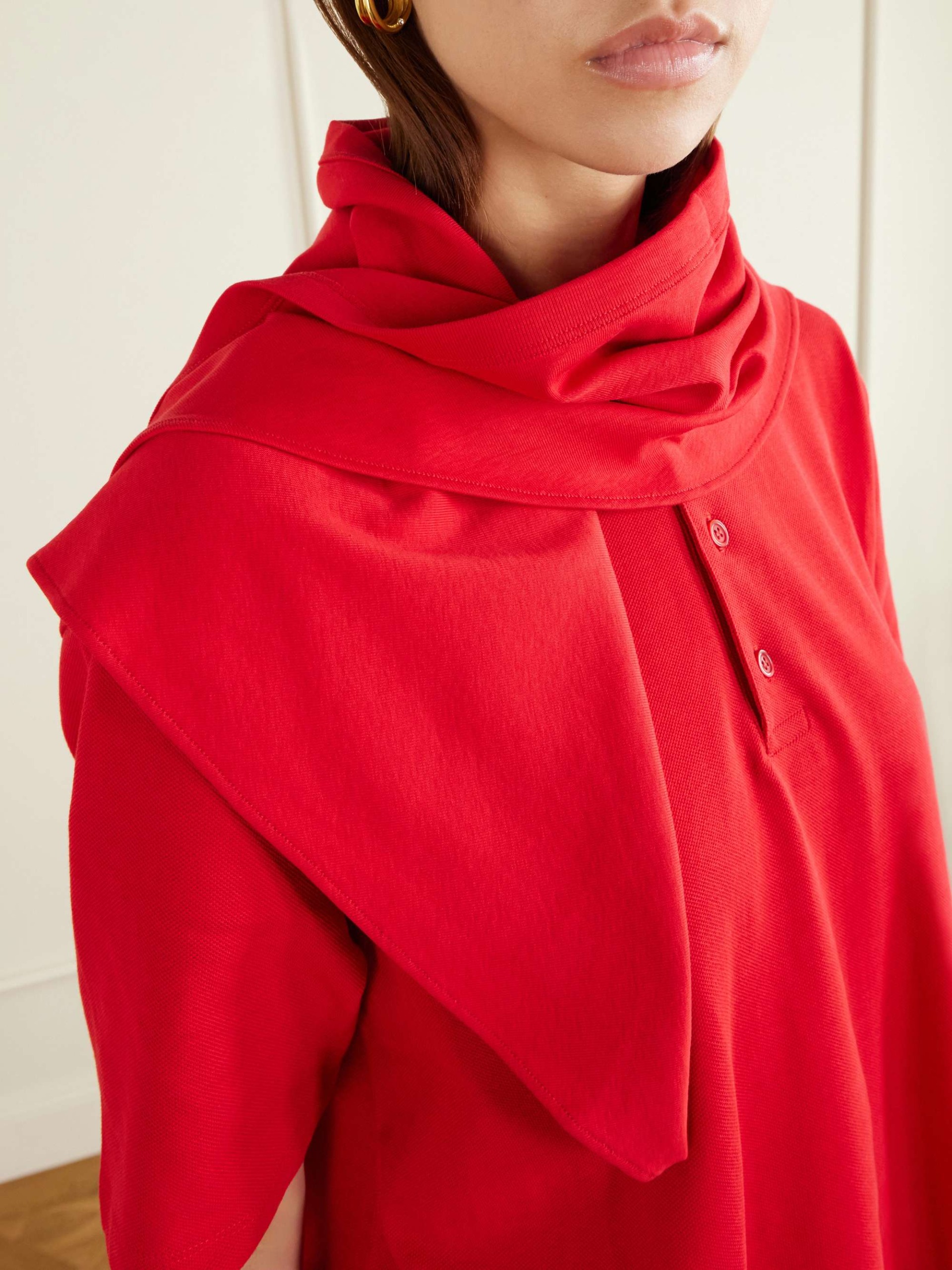
The human neck serves as the structural scaffolding of the face, both anatomically and in terms of accessorising. As autumn and winter months drag on, complexions frequently take a seasonal hit, growing drier, paler, and more washed out. Rather than relying entirely on cosmetics, individuals can utilise a strategic splash of colour around the neckline to bounce life and warmth back into the face.
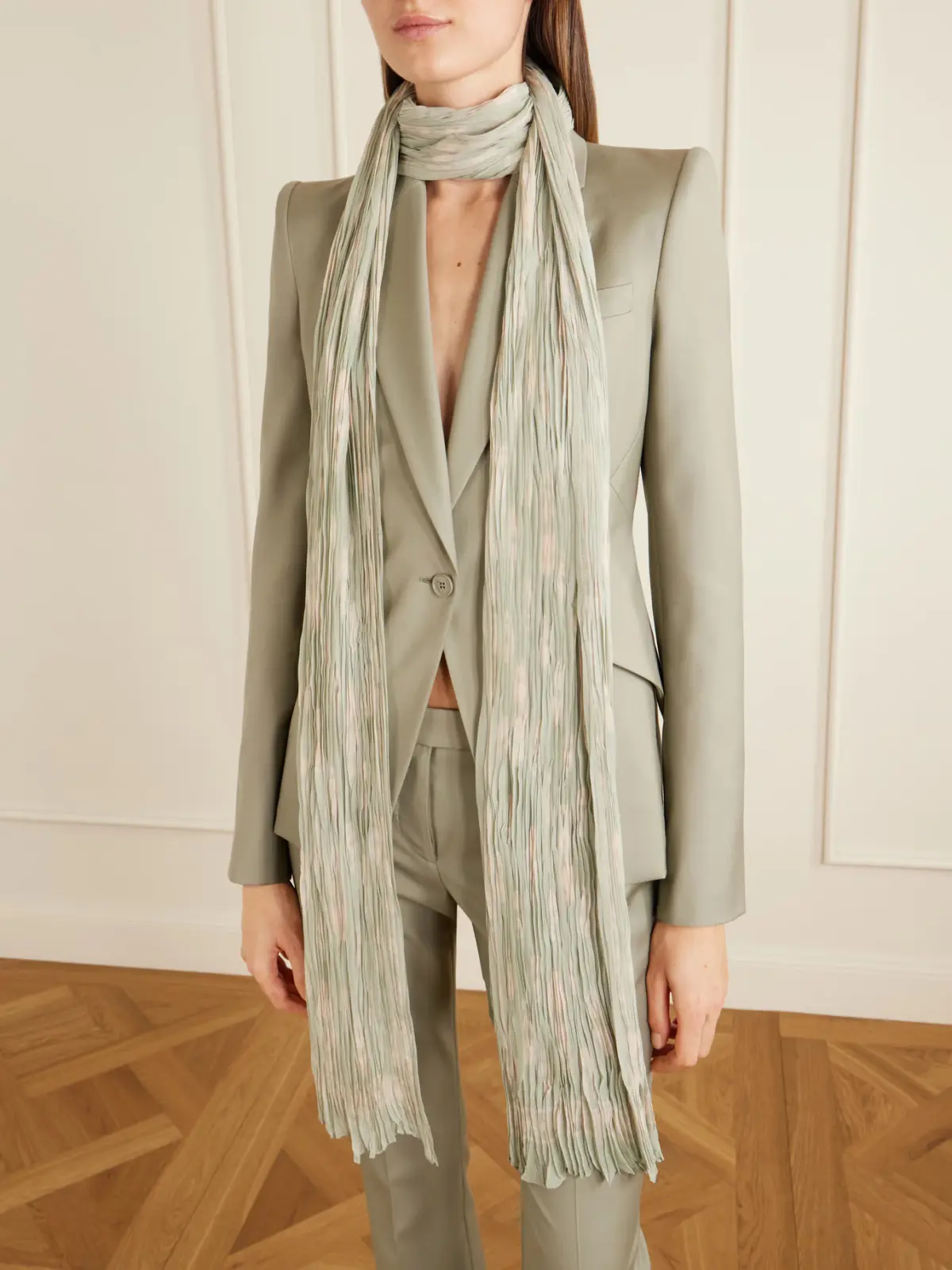
Red remains a perennial favourite for winter accessorising, frequently worn in the form of a neckerchief, a tailored scarf, or even a creative fabric cut-off. This approach not only revitalises the complexion but also ties an entire ensemble together with minimal effort, offering a sharp contrast to standard winter outerwear.
Put a Sock in It
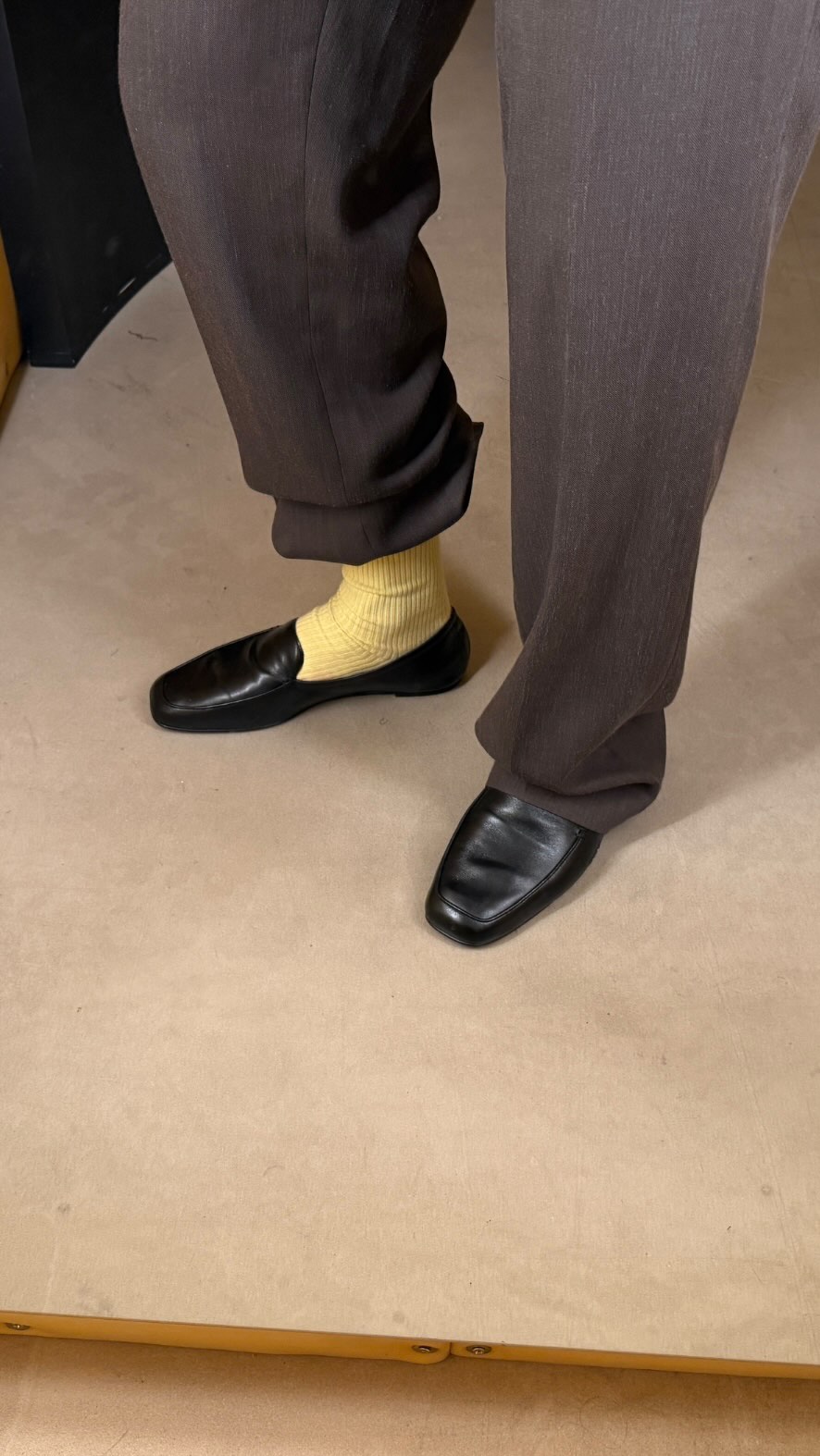
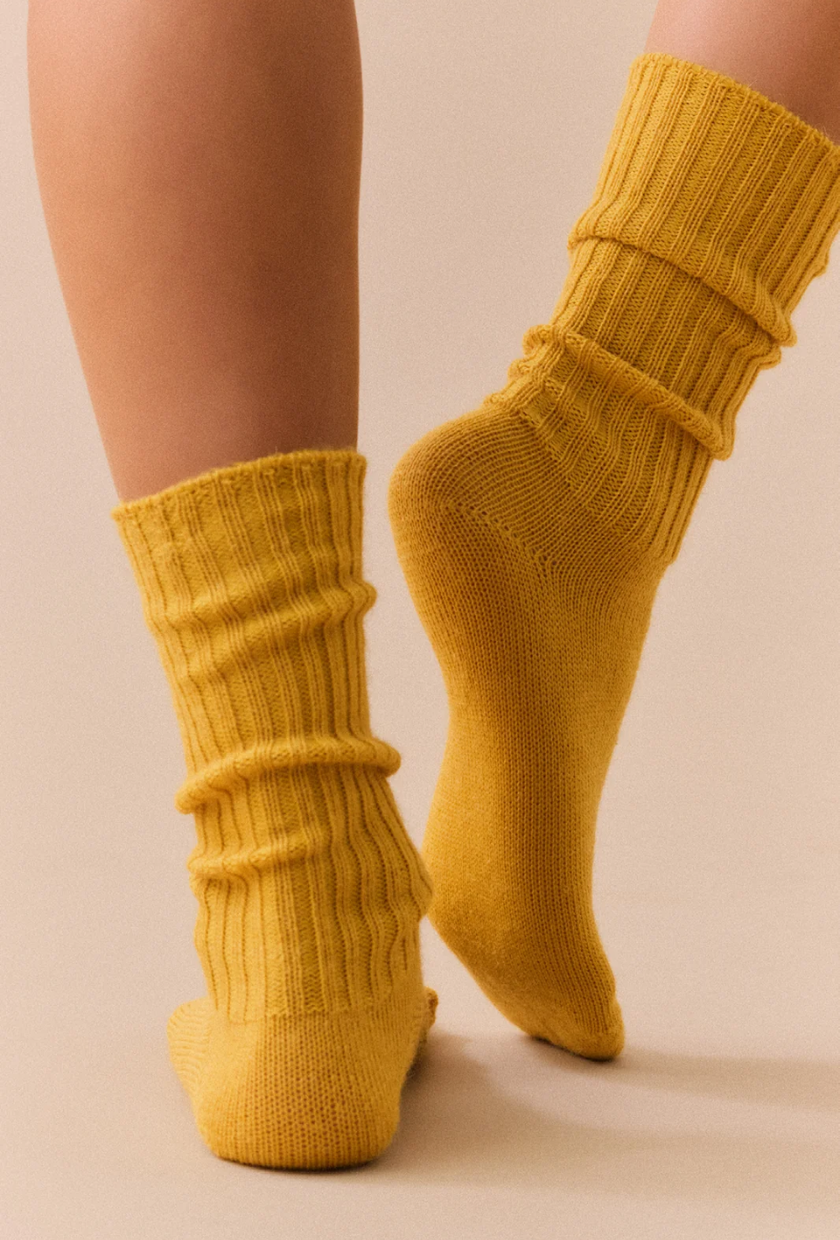
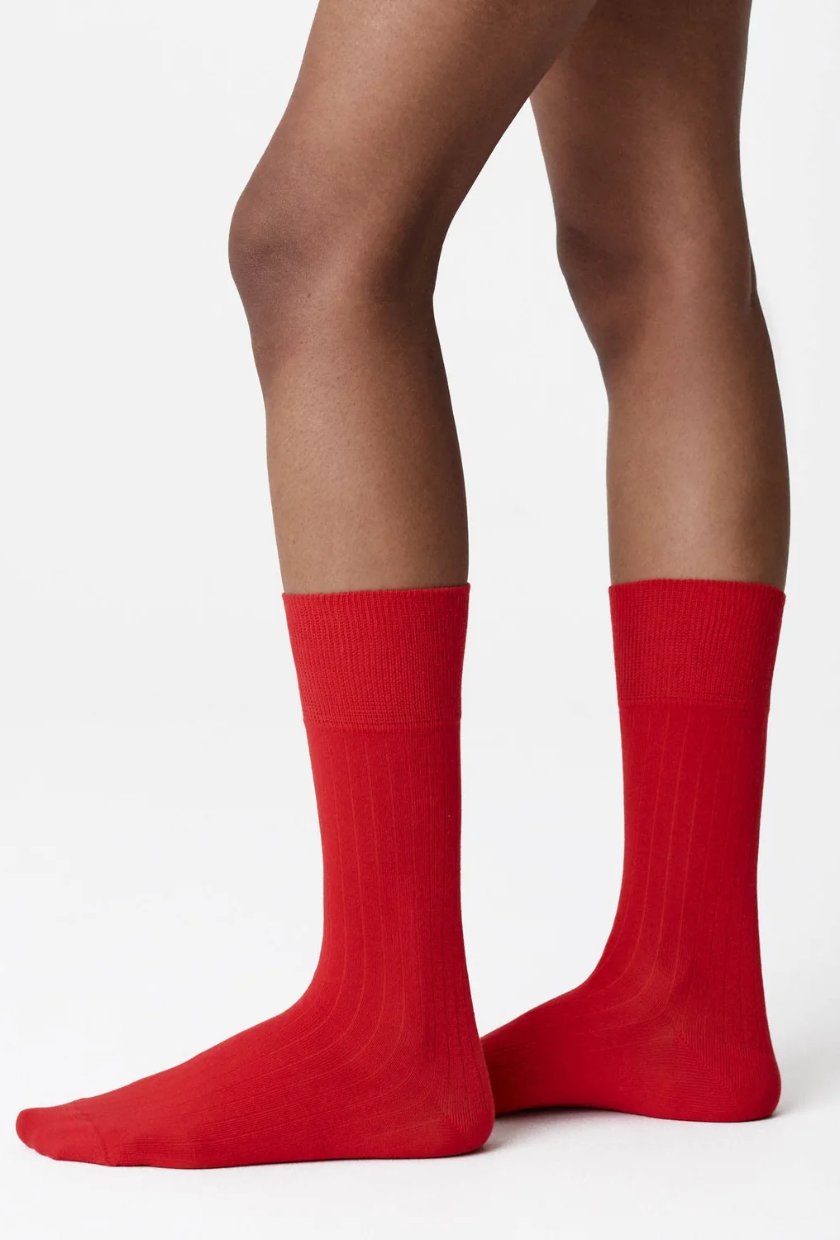
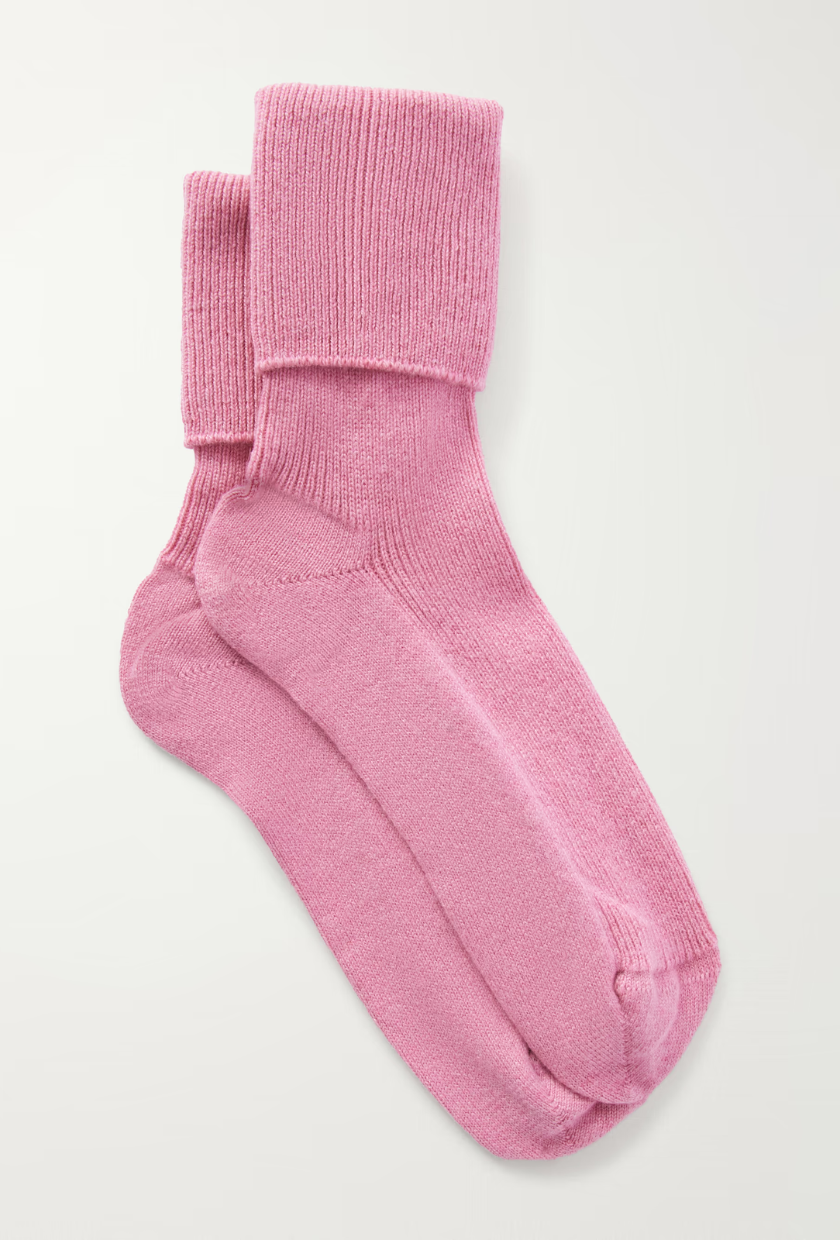
Footwear accessories represent another understated opportunity to introduce personality into an outfit. The moment a young man genuinely appreciates receiving socks as a gift often marks a distinct milestone in his personal style evolution. While novelty prints have their place, a well-executed sock in a dazzling, saturated colour can anchor an entire look.
A vibrant pop of color at the ankle offers an element of delightful surprise. A conservatively dressed individual crossing their legs on public transit to reveal a flash of yellow or crimson functions much like a ray of sunshine breaking through a dark cloud, injecting unexpected character into an otherwise standard suit.
Pick a Pocket or Two
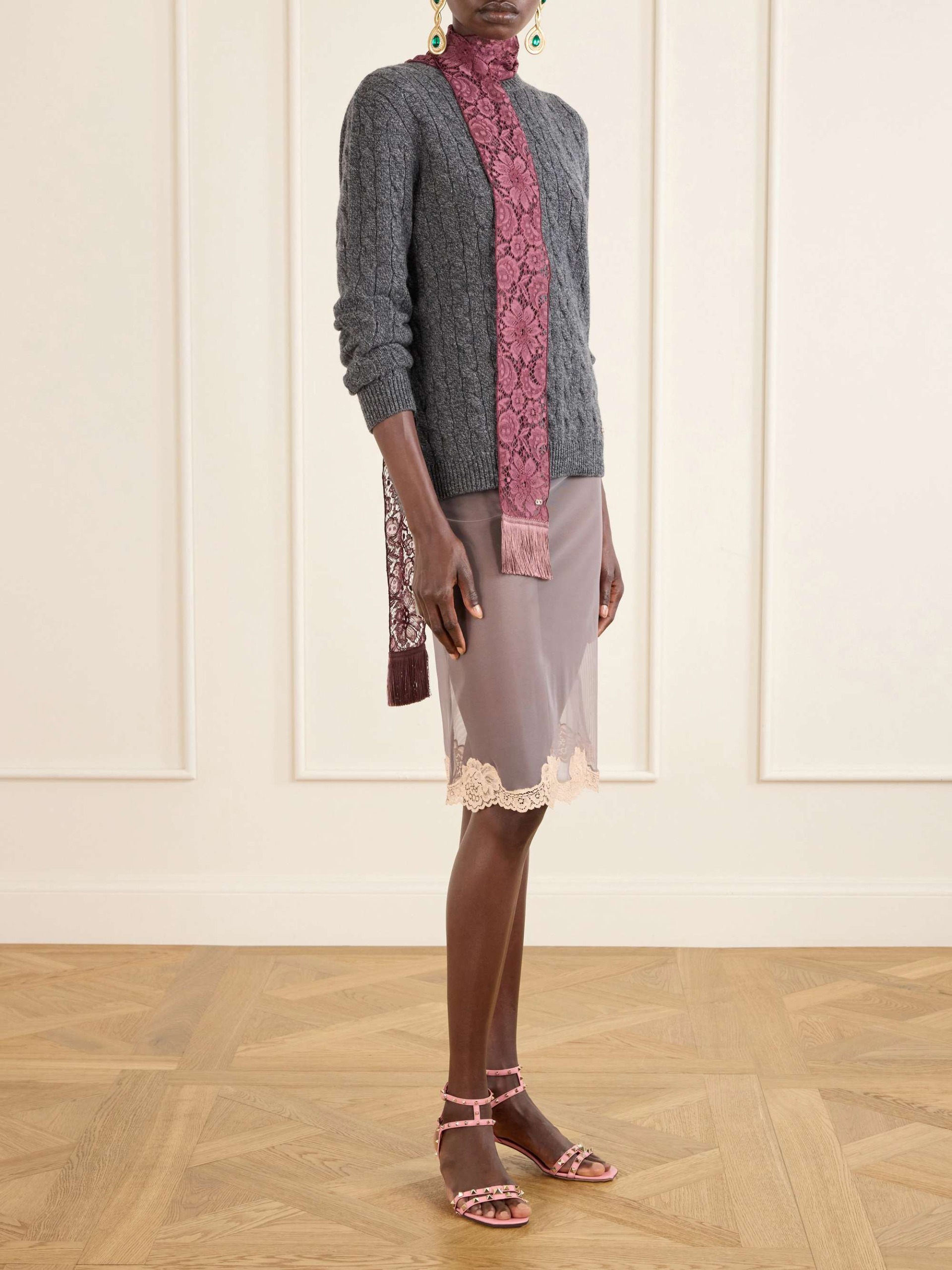
The mention of a pocket scarf or square often evokes classic literary characters or traditional tailoring tropes, but when utilised correctly, the accessory adds an unmistakable touch of effortless sophistication. The secret to mastering the piece lies in avoiding overly rigid styling. A crisply ironed, mathematically folded pocket square can sometimes appear overly formal or dated.
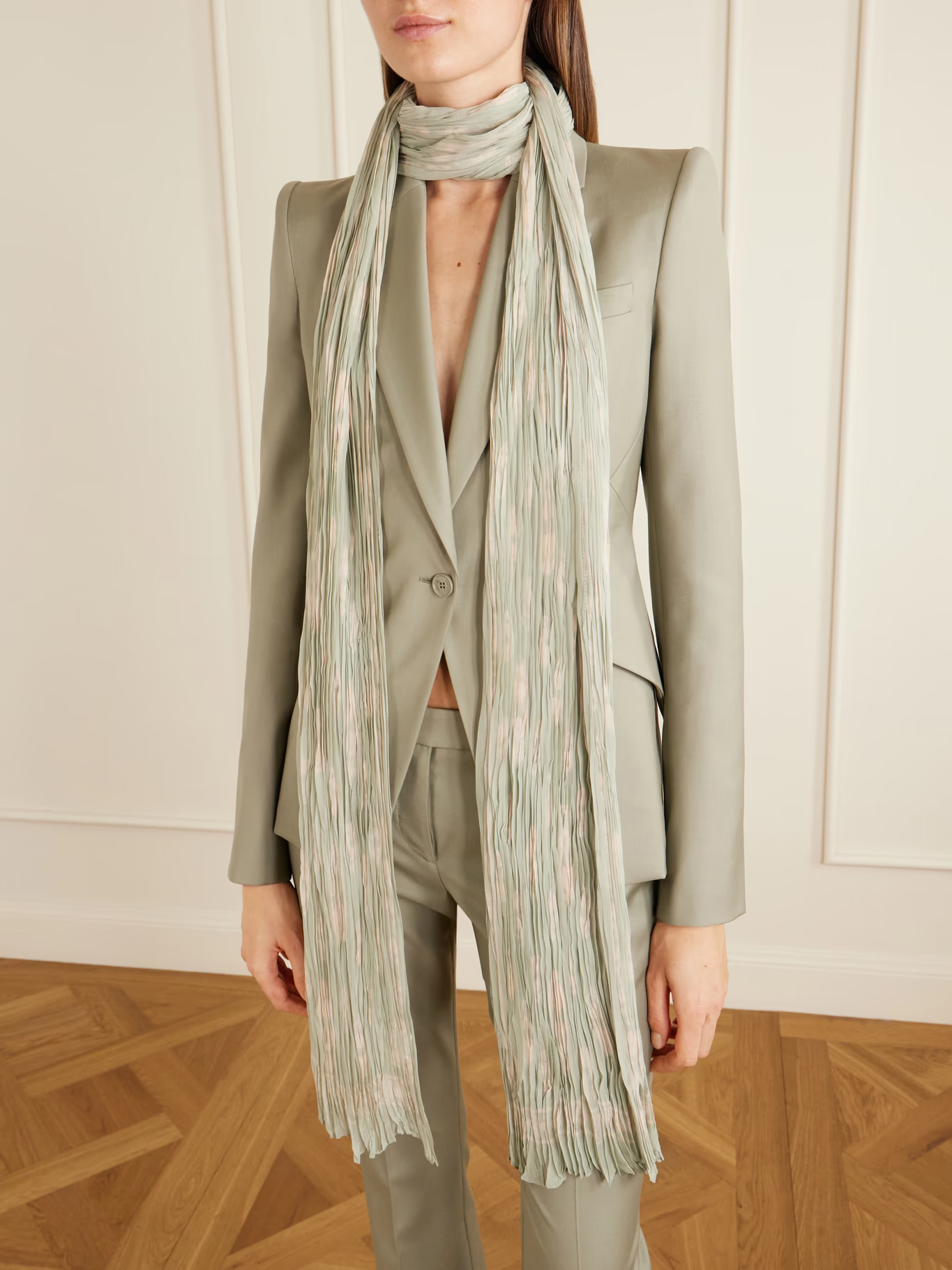
Instead, stylists encourage a more relaxed approach to fabric lengths and placement. Allowing a silk or patterned square to tuck into a breast pocket with casual insouciance—or even leaving the fabric to trail loosely down the front of a blazer—brings a dynamic, romantic energy to formal tailoring.
The Not-So-Humble Cummerbund
Following recent runway presentations such as Michael Rider’s spring/summer menswear collection for Celine, industry insiders are advocating for the return of the cummerbund as a vehicle for colour. Traditionally restricted to strict black-and-white formalwear codes, the cummerbund offers a uniquely flattering silhouette that can elevate evening attire from standard to exceptional.
Rather than sticking exclusively to monochromatic tones, incorporating softer pastel shades such as pistachio or candy-floss pink offers a refreshing alternative. When paired thoughtfully with a white blazer and dark trousers, these unexpected pastel accents demonstrate that formal dressing does not have to sacrifice personality.
As the colder months approach, the underlying message from contemporary menswear collections remains clear: the sky may be grey, but wardrobes do not have to follow suit.