
As Buffalo Sabres general manager Jarmo Kekalainen approaches his official one-year mark in the franchise’s front office, the organization finds itself reflecting on a wildly eventful calendar year. The tenure thus far has been a complex mix of historic milestones, aggressive roster retooling, and lingering "what-if" scenarios that continue to spark debate among hockey analysts and the team’s passionate fan base.
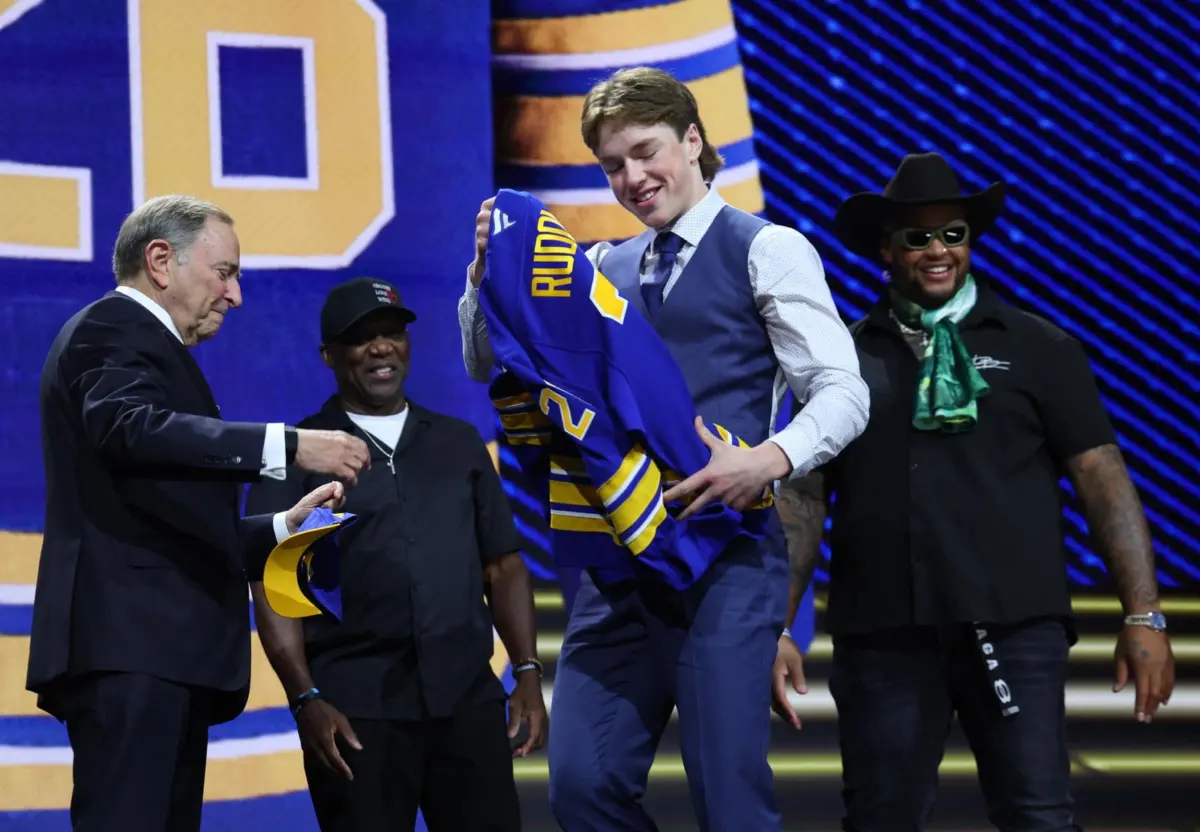
The past twelve months have featured dramatic shifts in the hockey landscape in Western New York. The franchise experienced a historic regular-season run that decisively snapped a painful 14-year playoff drought while simultaneously capturing its first divisional title in 16 years. Yet, that celebratory atmosphere was quickly followed by massive off-season changes that reshaped the identity of the club. The roster turnover was headlined by veteran forward Alex Tuch’s decision to test unrestricted free agency and sign with the Washington Capitals, Bowen Byram being traded to the Chicago Blackhawks, and young defensive prospect Daxon Rudolph being selected with the fourth-overall pick in the draft.
That is an immense amount of personnel movement to unpack in such a short window. It raises a central question for observers and supporters alike: how should Kekalainen’s overall body of work be evaluated as his first-year anniversary approaches?
From a balanced perspective, Kekalainen deserves a ‘B-‘ grade for his first year on the job. He certainly has not knocked every decision out of the park, and there are some clear missteps and missed opportunities that leave room for critique. However, there is equally no question that he has orchestrated several smart, forward-thinking maneuvers that have positioned the organization well for both immediate competitiveness and future sustainability.
What Has Gone Well For Kekalainen
Undoubtedly, the first and most successful strategic maneuver Kekalainen executed was converting Bowen Byram into the fourth-overall selection at the 2026 NHL draft. As Byram entered the final season of his contract, his escalating financial aspirations and long-term monetary demands effectively priced him out of Buffalo’s internal budget constraints. Rather than allowing the situation to linger into the season, risking a compressed trade deadline market, or losing leverage, Kekalainen acted proactively.
The early returns on that transaction look remarkably promising for the Sabres. Daxon Rudolph projects as a potential foundational cornerstone piece for the blue line down the road. While Rudolph spends the current campaign developing his game in the NCAA ranks with the University of Denver—where he has posted two goals and seven points through his first six games as a freshman—Byram has struggled mightily to find his footing since arriving with the Blackhawks.
Similarly, the trade to acquire young defenseman Olen Zellweger from the Anaheim Ducks stands out as a clear win for the front office. Kekalainen managed to secure the dynamic blueliner while parting with only a second-round selection and youngster Anton Wahlberg. Zellweger has transitioned seamlessly into the Sabres’ system, registering six points in his first 12 games and tracking comfortably toward establishing new career highs across every major offensive category. Even more importantly for Buffalo’s financial flexibility, Zellweger is currently playing in the first year of a tremendously team-friendly contract.
At a time when general managers across the National Hockey League are scouring the trade market for dynamic young defensemen who can impact the transition game, Kekalainen deserves substantial credit for proactively bolstering his defensive corps for both the short-term and the long-term future.

What Could Have Gone Better
Despite the notable victories on the trade front, Kekalainen’s tenure has also featured transactions and missed opportunities that left fans and analysts frustrated. Chief among the moves that did not pan out favorably is the departure of Alex Tuch, who walked away for essentially nothing in unrestricted free agency after the organization was unable to reach an agreement on a new deal.
Tuch has continued to flourish since joining the Washington Capitals, putting together an impressive campaign with 10 goals and 12 points through his first 12 games. Considering that the Sabres currently rank 17th league-wide in scoring with an average of 3.08 goals-for per game, the team undeniably misses the veteran presence and offensive punch of the 30-year-old power forward. Losing a player of that caliber without securing a tangible return via trade remains a glaring blemish on the off-season ledger.
However, hockey executives are often judged just as heavily by the moves they ultimately fail to make. The most significant shortcoming in Kekalainen’s first year appears to be a major trade he could not quite get across the finish line: acquiring elite goaltender Connor Hellebuyck from the Winnipeg Jets. The Sabres were heavily linked to the star netminder in persistent trade rumors, but the front office was unable to finalize an agreement with Winnipeg.
Landing a goaltender of Hellebuyck’s stature would have completely altered the landscape for a Buffalo team that has perennially struggled to find stability in the crease. With goaltending remaining one of the franchise’s most glaring problem areas, the inability to complete that blockbuster deal stings even more in hindsight, dragging down Kekalainen’s overall evaluation.
The Verdict
While smaller personnel decisions and minor depth tweaks can certainly be picked apart from various angles, the overarching reality of Kekalainen’s first year is that it cannot be classified as either a smashing success or a total organizational flop.
Like many general managers navigating the complex constraints of the modern salary cap and competitive landscape, Kekalainen can point to clear successes that have improved the team’s asset pool and defensive depth. Yet, he is far from infallible, and he will remain under intense scrutiny and pressure for the remainder of the season as the Sabres battle through the ultra-competitive Atlantic Division.
Earning a ‘B-‘ grade reflects a nuanced reality. Sabres fans hold legitimate grievances regarding how certain situations were handled, particularly concerning roster retention and unfilled needs in the crease. At the same time, a fair and reasonable assessment requires acknowledging that Kekalainen has successfully pulled off calculated transactions that actively aid the franchise both immediately and down the line. Whether he can elevate that grade through shrewd maneuvering during the remainder of the season remains one of the more compelling storylines to watch in Western New York.