
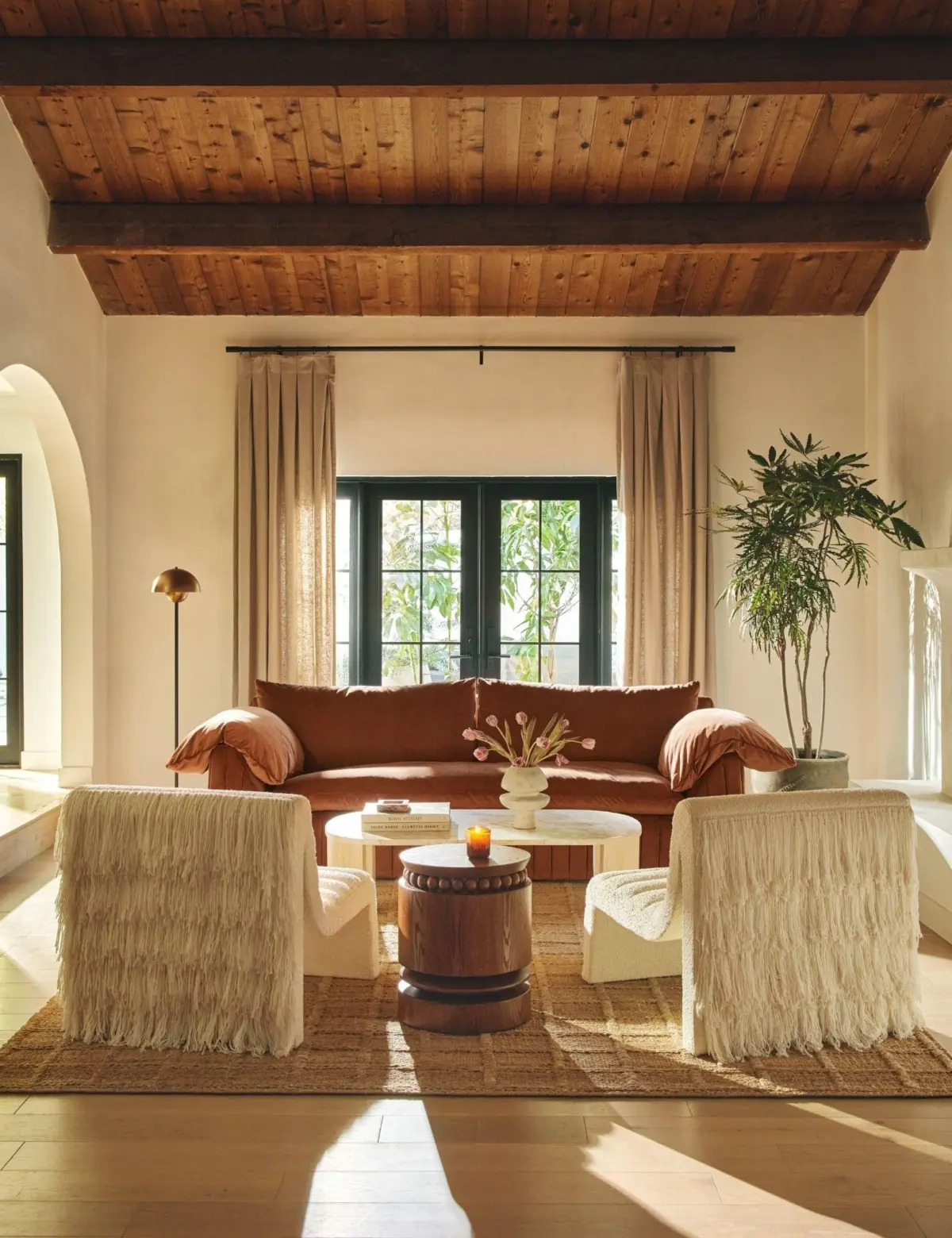
As the leaves turn russet and the morning air takes on a crisp edge, households around the country begin the familiar ritual of retrieving rollneck sweaters and heavy leather boots from the dark recesses of the closet. Naturally, our interior living spaces deserve a seasonal refresh, too. After all, few times of the year are quite as well-suited for nesting. According to leading interior designers, however, breathing new life into a home as the seasons shift need not involve a drastic, bank-breaking overhaul. Sometimes, something as straightforward as upgrading bed linens, introducing an ambient new reading lamp, or swapping out a cushion cover can make all the difference.
Whether homeowners are looking to finally invest in a long-coveted statement piece of furniture or eager to pull together a room that never quite felt finished with the addition of an accent rug, the autumn season presents an ideal window for transformation. To find out precisely which design directions are worth pursuing this year, industry experts spoke at length about the pivotal fall home decor trends shaping the design landscape. From deep, enveloping colors to a renewed appreciation for handcrafted artifacts, these are the movements dominating interior design discussions.
Embracing Rich, Jewel-Toned Colors
Conventional wisdom often suggests that autumn interiors demand a predictable palette of soft browns, warm reds, burnt oranges, and muted yellows. This year, however, top designers are throwing out the rulebook in favor of rich jewel tones and a much higher degree of color intensity.
Sophie Rowell, founder of Côte de Folk, recently tackled this approach in a residential project by completely enveloping the walls and floors in a deep, moody olive green. To heighten the sense of physical tactility within the space, Rowell deliberately bypassed traditional hard flooring and area rugs, opting instead for continuous, wall-to-wall carpeting that absorbs light and creates a cocoon-like atmosphere.
Meanwhile, Adele Lonergan, co-founder of Covet Noir, has been busy injecting small, deliberate doses of chocolate brown and rich berry into her clients’ homes—a notable departure from her typical inclination toward neutral palettes. These darker, saturated shades prove particularly effective when rendered in tactile, light-absorbing fabrics like velvet and mohair, where the depth and subtle variation of color can truly be appreciated. According to Lonergan, jewel tones also shine when incorporated into richly veined natural marble surfaces. For individuals who are naturally color-shy, she notes that a few carefully chosen accents, such as a plush velvet cushion cover, can instantly make even the most starkly neutral interior feel considerably more inviting and ready for the colder months.
A Return to Folk Traditions and Handcrafted Artistry
Perhaps driven as a cultural reaction against the rapid rise of artificial intelligence and mass-produced perfection, spaces that feel genuinely homespun and unmistakably human are experiencing a massive resurgence.
Lauren Geremia, founder of Geremia Design, points out a growing consumer desire for surfaces that bear the physical mark of a maker. Clients are increasingly interested in personal adaptations of products that feel entirely unique to their space. It is precisely this kind of intimate detail, she argues, that can make a modest room feel deeply personal and lived-in.
This artisan spirit finds its truest expression in the revival of modern folk, a design philosophy deeply rooted in traditional craftsmanship and historical storytelling. Tom Cox, principal and chief creative at Hám, emphasizes that this aesthetic brings an authentic narrative to a room, which explains the widespread appreciation for it at the moment. Whether a piece is hand-painted, delightfully unrefined, or simply bears visible brushstrokes, it imparts a warm, lived-in quality that sterile modern manufacturing cannot replicate. Cox points to needlepoint cushions, framed printed artworks, stitched textiles, and furniture that retains the character of its creation as easy entry points for the look.
In many cases, embracing this trend does not require purchasing anything new at all. Instead, it may simply involve repairing and celebrating household items that have worn down through daily life. Interior designer Nicola Harding suggests utilizing vintage fabrics to patch holes in beloved armchairs or worn-out rugs rather than discarding them for modern replacements. Being able to trace different personal histories and scars within the materials of a home, Harding notes, lends a profound layer of meaning that money cannot buy.
Layering Carpets for Depth and Texture
The meticulous layering of textiles is another major focus for designers transitioning their spaces into the cooler months. Emma Sims-Hilditch, founder and creative director of Sims Hilditch, highlights a growing preference for antique floor coverings.
The studio has been utilizing an increasing number of antique Turkish carpets, exploring the visual impact of layering them over larger, quieter base rugs. Sims-Hilditch expresses a particular fondness for softer, beautifully faded examples, noting that Oushak carpets—with their large-scale, open patterns and muted palettes of dusty rose, faded terracotta, soft apricot, tobacco, celadon, and cream—remain a firm favorite.
When hunting for these pieces, interior enthusiasts are encouraged to look for signs of age and genuine imperfection, such as mellowed dyes or slightly irregular woven patterns. Layering these character-rich textiles over simpler, understated base designs effectively prevents a room from feeling as though every single item arrived on the exact same delivery truck.
The Playful Spirit of 1970s Glamour
From sculptural rattan to low-slung modular sectionals, many of the 20th century’s most iconic furniture designs emerged from the 1970s—a decade defined by uninhibited glamour and a distinct sense of fun. Jacu Strauss, a designer at Lore Group, suggests that taking aesthetic cues from this high-gloss, hedonistic era is one of the best ways to inject personality into a home this season.
Embracing the decade’s penchant for high-gloss lacquered finishes, rich animal prints, and bold geometry allows for a touch of calculated excess. Whether a homeowner chooses to execute this trend through a splashy, statement-making area rug or keeps it discreet with a colorful backgammon set resting on a living room coffee table, the seventies revival provides a clear green light to lean into playful, expressive design choices.
Statement Florals with an Edge
Floral motifs are also undergoing a seasonal evolution, shedding the delicate, ditsy impressions typically associated with springtime. Lonergan stresses that a successful autumnal floral print must avoid feeling fussy or overly sweet. Instead, decorators should seek out botanical motifs that carry a distinct edge.
While items fashioned from rugged metals like brass and iron offer a traditional interpretation, the floral theme can also manifest in striking color combinations, swirling abstract glassware, or darker, more dramatic furniture pieces, such as heavily textured black velvet seating. The guiding principle is to steer clear of anything overly cutesy, favoring instead botanical designs with a strong sense of attitude.
Theatrical Adornments and Fringed Details
Art Deco influences continue to exert a powerful pull across both the fashion and interior design spheres, bringing with them a renewed appreciation for decorative trimmings. Fringes, tassels, and elaborate braiding offer a fabulous mechanism for introducing intricate elegance to otherwise minimalist furniture silhouettes.
According to interior designer Pandora Taylor, making theatrical adornments work harmoniously within a residential setting is entirely a matter of striking the right balance. It is about applying a brush fringe here or a key tassel there rather than over-embellishing every surface. Taylor recommends pairing these traditional decorative flourishes with sleek, contemporary furniture, such as a streamlined modern ottoman or a geometric armchair, to create a sophisticated tension between eras.
Transitioning with Heavier Textiles
For those seeking a foolproof, immediate method to transition a home from the bright warmth of summer to the cocooning refuge of autumn, Jake Arnold offers straightforward advice. The designer suggests looking closely at tabletop styling and smaller decorative accents—modifications that make a space feel appropriate to the shifting weather outside. For fall, Arnold favors swapping out lighter, summery fabrics for soft, heavy textiles that feel enveloping and substantial.
The most accessible entry point for this seasonal shift remains the humble throw blanket. Incorporating high-end cashmere, fuzzy mohair, or dense, heavy-weight wool instantly alters the tactile landscape of a room. For designers like Marta de la Rica, wool retains an enduring appeal thanks to its rich texture, natural color variations, and endless versatility, offering subtle pattern play without overwhelming a room’s existing layout as homeowners settle in for the cooler months ahead.