
It has been another whirlwind week across the retail sector, delivering a barrage of corporate transformations, financial milestones, whimsical marketing collaborations, and aggressive regulatory scrutiny. From major leadership shifts following private equity buyouts to continuous financial momentum and a sweeping federal crackdown on how retailers price their goods, the industry continues to evolve at a dizzying pace.
As we look back at the major developments that shaped the landscape over the past several days, it becomes clear that retailers are navigating a complex intersection of aggressive expansion plans, shifting consumer expectations, and heightened legal oversight. From Brooks’ remarkable streak of financial performance to Aritzia’s ambitious multi-year roadmap and a sudden surge in federal inquiries into retail pricing strategies, the retail ecosystem is bracing for a transformative period ahead.
Below, we break down some of the major stories you may have missed during the week, examine the lighter side of retail marketing, and take a closer look at the significant regulatory actions that are keeping industry observers on edge as the crucial holiday shopping season approaches.
What You May Have Missed
The past week brought significant structural changes for prominent consumer brands, highlighted by a major leadership departure following a high-profile acquisition and another stellar financial quarter for a dominant performance footwear player.
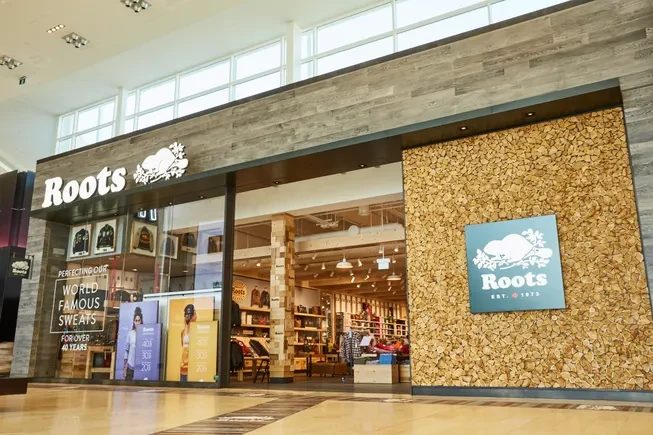
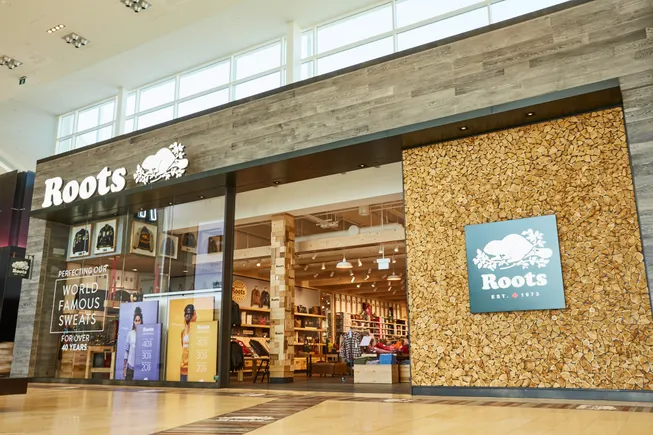
Roots CEO Exits Following Go-Private Transaction
The Canadian lifestyle retailer Roots has officially completed its transition to a privately held company. The milestone comes months after the retailer initially entered into an agreement to be acquired by Marquee Brands back in August. With the transaction finalized, Meghan Roach has stepped down from her dual roles as president and chief executive officer of the company. However, her departure from day-to-day operations will not mark an immediate end to her involvement with the brand, as she is set to continue supporting the organization in an advisory capacity.
Roach’s tenure with Roots spans several critical years of retail disruption. She initially joined the company as its interim chief financial officer in 2019 before permanently stepping into the chief executive role in 2020, successfully guiding the brand through the unprecedented challenges of the global pandemic and subsequent economic shifts. Reflecting on the completion of the acquisition and her departure, Roach expressed immense gratitude and confidence in the team she leaves behind. With the transaction complete, she noted that it felt like the right moment for her to step aside, adding that she has every confidence in the team’s ability to carry the brand forward and that she remains genuinely excited about the future of the company under Marquee Brands’ stewardship.
Brooks Notches 13th Consecutive Quarter of Revenue Growth
While some segments of the retail market face headwinds, the privately held running brand Brooks continues to exhibit unstoppable momentum. The company announced that it has achieved its thirteenth consecutive quarter of revenue growth, propelled by strong consumer demand for its global performance running gear and U.S. premium performance footwear offerings during the third quarter.
The financial strength is further illustrated by Brooks’ performance over the first nine months of the year leading up through September. During this period, the athletic brand saw its overall revenue increase by 12 percent, with growth distributed evenly and robustly across all major geographic regions. Specifically, the company posted a 9 percent increase in both the Americas and the Asia-Pacific region, while experiencing an impressive 24 percent surge in Europe, the Middle East, and Africa. When broken down by product category, footwear sales increased by 11 percent, and apparel performance was even stronger, growing by 18 percent. Furthermore, the company highlighted that it successfully maintained its coveted number-one market position within specialty running retail throughout the third quarter.
Dan Sheridan, the chief executive officer of Brooks Running, emphasized that the brand’s global expansion is fueled by an internal culture of continuous reinvention. As they expand the Brooks brand globally, Sheridan noted in a statement that they are constantly pushing themselves to rethink what is possible across their product lines, the experiential spaces they build for consumers, and the ambitious goals they pursue alongside passionate runners. According to Sheridan, the stellar results through the first three quarters of the year reflect the powerful momentum that stems from that mindset, as well as the incredible dedication and hard work of their teams distributed around the world.
Retail Therapy
While corporate restructuring and financial earnings dominate boardrooms, the retail world always finds room for moments of pure creative whimsy and unexpected brand partnerships. Sometimes a cross-industry collaboration arrives completely out of left field and catches the industry entirely by surprise, much like unexpected musical pairings that defy categorization. Other times, a partnership makes such intuitive sense that it feels entirely natural from the moment it is announced.
The latter describes a clever new limited-edition accessory project from Fancy Feast and designer Susan Alexandra. The collaboration yielded "The Little Gem," a tiny, meticulously crafted micro-bag directly inspired by the iconic Fancy Feast white cat. Designed by Susan Alexandra and recently showcased by television personality and noted cat lover Paige DeSorbo, the project bridges the gap between pet care branding and high-fashion micro-accessories. The pairing feels organic given that Susan Alexandra already maintains a history of designing whimsical, cat-inspired fashion items—including a popular beaded handbag playfully dubbed the "Meow Meow" bag—while DeSorbo is well-known among her followers for being the devoted pet parent to a white cat named Daphne.
Despite the lighthearted nature of the collaboration, these tiny bags are engineered to become serious collector’s items, and they are already exceptionally rare. Fancy Feast manufactured a mere 25 units of the handmade bags, with each individual piece carefully hand-embroidered featuring intricate, high-end beadwork. For dedicated brand fans and fashion collectors eager to get their hands on the unique accessory, a special sweepstakes launched to provide a select few with the opportunity to claim one of the coveted micro-bags.
What We’re Still Thinking About
Looking toward the long-term horizon, major retailers are laying out aggressive multi-year blueprints designed to radically scale their market share, expand their physical footprints, and diversify their product categories. One particular financial projection caught the attention of market analysts this week: 17 percent.
That figure represents the upper end of the compound annual growth rate projected by Aritzia for its next five years in business. The Canadian fashion retailer anticipates scaling its business to achieve at least $6.8 billion in net revenue by the year 2032, a performance that would effectively more than double its most recent annual revenue figures.
To achieve this ambitious target, Aritzia has mapped out a multi-pronged expansion strategy. Over the course of the five-year period, the company plans to steadily open between 12 and 14 new brick-and-mortar stores annually, while simultaneously repositioning between five and seven existing stores each year to optimize prime retail real estate. Beyond physical store expansion, the brand is heavily leaning into strategic product diversification. Aritzia is currently preparing to completely revamp its signature denim line next year, while actively eyeing future expansion into lucrative new categories such as handbags and beauty products to capture a broader share of consumer discretionary spending.
What We’re Watching
While brands plan their growth and craft collectible accessories, the regulatory environment is shifting dramatically, with federal authorities signaling a sharp increase in oversight regarding how retailers interact with consumers at the point of sale and how they determine prices.
The Federal Trade Commission made its priorities abundantly clear by turning its analytical focus directly toward retail pricing strategies and consumer transparency. At the beginning of the week, the agency took aim at the value-retail sector by joining forces with 20 individual states in filing a lawsuit against Dollar General. The legal action accuses the rural retail juggernaut of engaging in deceptive pricing practices that frustrate shoppers at checkout. The FTC’s formal complaint outlines numerous consumer grievances regarding instances where prices registered at the cash register were higher than the prices advertised on store shelves, details that were further substantiated by an undercover investigation conducted by the federal agency. In response to the legal challenge, Dollar General released a statement emphasizing that the company strives for complete pricing accuracy across its vast store network, though it acknowledged that occasional price discrepancies can unfortunately occur during daily operations.
The federal scrutiny did not stop with traditional discount retail. Shortly after the Dollar General lawsuit was announced, the FTC revealed that it had issued formal orders to nine major corporations, including retail behemoths Walmart and Target. The agency instructed these companies to supply comprehensive operational details and data to help federal regulators assess whether pricing for products, rideshare services, food delivery, and other consumer goods varies from one individual to the next. This inquiry is specifically designed to investigate whether modern retailers are utilizing advanced personal data analytics, artificial intelligence, and algorithmic tracking to deploy personalized or dynamic pricing models that change depending on the specific consumer.
This heightened, aggressive focus on pricing transparency and consumer protection by the FTC arrives at a particularly sensitive moment for the retail industry. Both major retailers and everyday shoppers are already on edge, carefully navigating economic uncertainties and shifting spending habits as they prepare for the upcoming, high-stakes holiday shopping season.