
In the ever-evolving landscape of international travel technology, staying connected across borders has traditionally meant navigating a fragmented market of physical SIM card swaps, local kiosk lines, or expensive domestic carrier roaming packages. Travel tech providers have long offered destination-specific electronic SIM cards, or eSIMs, which are digital SIMs built directly into a smartphone’s hardware. While these single-trip options have simplified overseas connectivity for millions of tourists, long-term travelers and digital nomads have continued to face logistical friction when crossing multiple international borders within short timeframes.
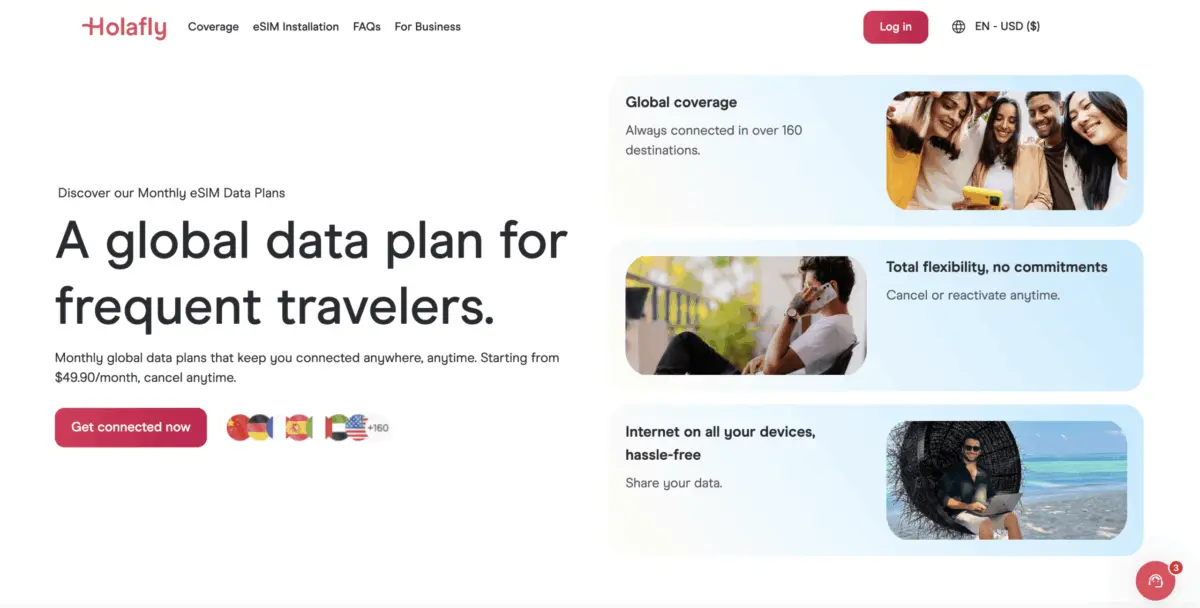
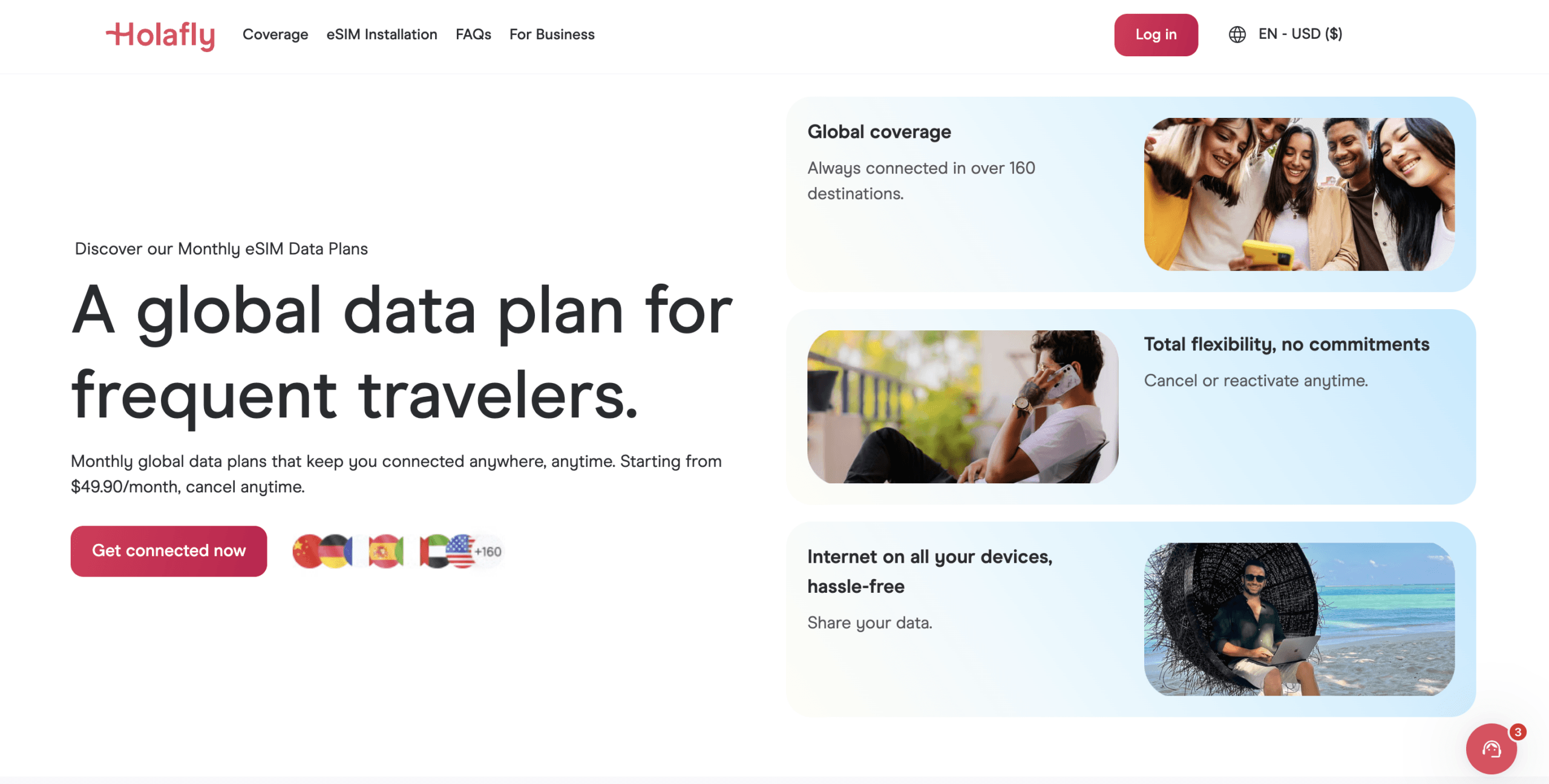
Addressing this gap in the market, international eSIM provider Holafly has launched Holafly Plans, a unified global eSIM service designed to function as an ongoing monthly or annual subscription across more than 160 destinations. Travel writer and digital nomad advocate Matthew Kepnes, known widely as Nomadic Matt, recently detailed the new offering, noting that the subscription model fundamentally changes how frequent flyers manage their mobile data infrastructure abroad. Having utilized standard eSIM products for years, Kepnes highlighted the launch as a significant development for individuals who spend the majority of the year away from their home countries.
Unlike traditional eSIMs that require users to purchase a localized package for a specific country and duration—such as a two-week pass for a trip to Portugal—Holafly Plans operates as a continuous service. Users install a single software profile onto their device once, and the system automatically reconnects to local networks upon arrival in a new country. This eliminates the need to scan new QR codes, manually switch profiles, or hunt for regional data packages every time an itinerary changes. The service functions similarly to a traditional mobile carrier, but at a significantly lower price point and without the complex regional restrictions typically imposed by domestic providers.

The subscription model is offered in monthly, quarterly, and yearly billing cycles, with quarterly plans yielding approximately a 10% savings and annual commitments providing a 15% discount. Consumers can choose between two distinct tiers: the Light Plan and the Unlimited Plan.
The Light Plan provides 25 gigabytes of high-speed data per month, maintains hotspot tethering capabilities, and covers the same network of over 160 countries. This tier is marketed toward travelers who primarily rely on mobile mapping, messaging applications, and casual browsing. Meanwhile, the Unlimited Plan removes data caps entirely and includes an unlimited hotspot feature, enabling digital nomads to tether laptops for heavy workloads, video conferencing, and content uploads without monitoring data usage. Furthermore, the Unlimited tier includes a local phone number originating from the United States, the United Kingdom, or Canada, enabling users to receive SMS text messages while abroad.
Both subscription tiers include Holafly’s "Always On" feature, which provides one gigabyte of backup data automatically every month across more than 150 destinations. Crucially, this backup data feature remains active even if the user eventually cancels their primary subscription entirely.
Cost comparisons highlight the competitive positioning of the new global plans. While major domestic carriers in the United States often charge upward of one hundred to three hundred dollars per month for international roaming passes or tiered overseas data add-ons that eventually throttle speeds, the Holafly Unlimited Plan is priced at approximately fifty-five dollars per month when purchased on an annual basis. This pricing structure undercuts legacy carrier roaming fees while delivering unthrottled data allowances and multi-device tethering support.
Despite the expanded flexibility of the subscription model, industry analysts note that classic destination-specific eSIMs still hold a distinct advantage for casual vacationers. For individuals taking a single, isolated trip abroad each year, purchasing a one-off regional eSIM remains the more economical choice. Holafly Plans, by contrast, are specifically targeted at frequent flyers, multi-country commuters, and remote workers who require continuous, uninterrupted connectivity as an ongoing professional utility.
The rollout comes amid broader shifts in global telecommunications, where consumer adoption of hardware-integrated eSIM technology continues to displace traditional plastic SIM cards. With modern smartphones capable of storing multiple digital profiles simultaneously—allowing users to maintain a home carrier number alongside several international configurations—services like Holafly Plans represent a further maturation of software-based global connectivity. Holafly supports the new subscription tier with a six-month refund policy and twenty-four-hour customer service operations to assist users during international transitions.