
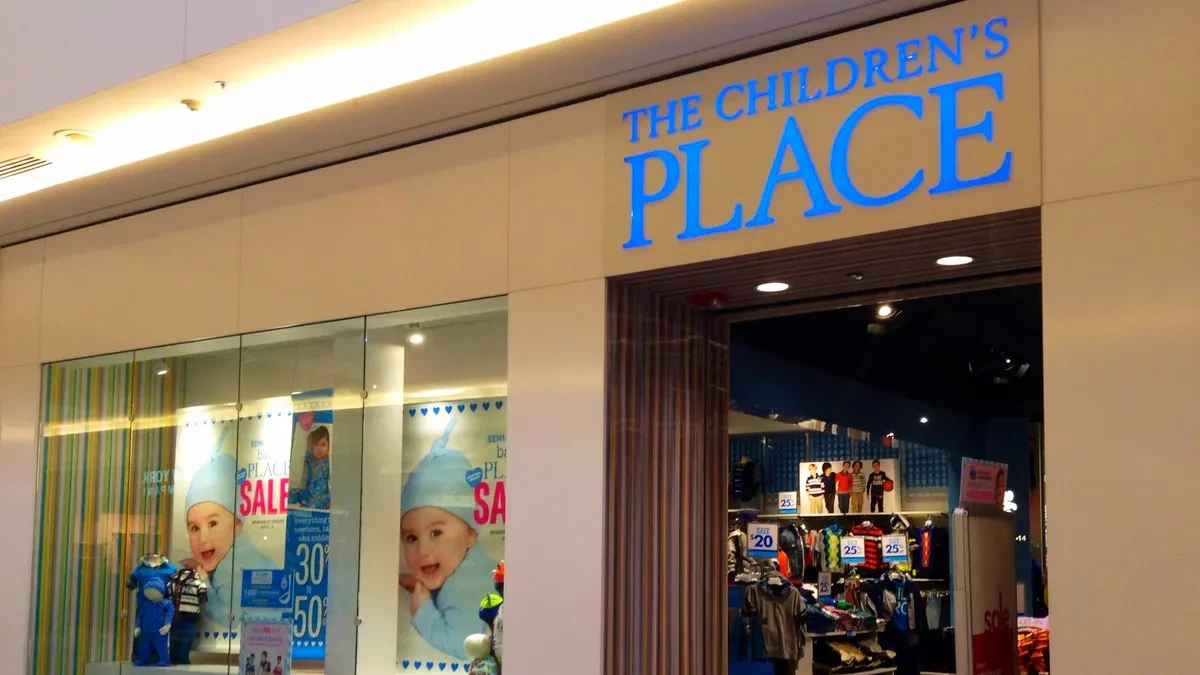
The executive suite at The Children’s Place is facing a profound leadership vacuum. Following the departure of multiple key executives and directors, including the chief executive officer, the struggling mall-based children’s apparel retailer has turned to its chief financial officer to steer the ship. The company’s CFO has officially assumed the role of principal executive officer, stepping into the top job as the business grapples with a persistent financial downturn and a rapidly shifting retail landscape.
This latest management shakeup underscores the deep challenges confronting the legacy children’s wear brand. Two years after Saudi investment firm Mithaq Capital swept in to rescue the retailer from what appeared to be an imminent financial collapse by acquiring a majority ownership stake, The Children’s Place has struggled to find its footing or mount a sustainable turnaround. Despite aggressive intervention, restructuring efforts, and changes at the top, the retailer remains mired in financial distress, battling declining mall traffic, slumping sales, and a fiercely competitive market environment.
A Deeper Look at the Financial Decline
The depth of the retailer’s ongoing struggles was laid bare in its most recent quarterly financial report, released in mid-September. The figures painted a grim picture for stakeholders, revealing that net sales plummeted by nearly 20% compared to the same period the previous year, settling at $241.8 million. Company leadership attributed the sharp top-line contraction largely to depressed foot traffic across its retail footprint, as fewer families walked through mall doors to purchase children’s clothing.
Compounding the revenue decline, the company’s bottom line deteriorated at an alarming rate. Net losses for the quarter widened nearly six-fold, ballooning to $31 million. At the time of that earnings release, management maintained that a turnaround strategy was actively underway. Leadership emphasized that the immediate, clear mandate was to aggressively shore up the company’s finances, protect and maximize available liquidity, implement strict cost-cutting measures, and critically evaluate the overall operating model to stanch the flow of capital losses.
However, external market observers and financial analysts have expressed deep skepticism regarding the speed and efficacy of these recovery efforts. Wall Street institutions, including a team of analysts at UBS led by Jay Sole, have maintained a cautious stance on the retailer’s near-term prospects. In a research note issued to clients on September 15, the UBS analysts pointed out minor, isolated spots of operational progress—notably some improvements in inventory management and cash-flow trends. Yet, they simultaneously issued stark warnings that liquidity would continue to pose a severe and ongoing risk to the business, especially as customer demand dropped off at a rate steeper than internal projections had anticipated.
According to the UBS assessment, it remains highly unlikely that The Children’s Place will be able to successfully expand its market share or rebuild its profit margins anytime soon. While Sole acknowledged that the newly installed management team had indeed made considerable progress in improving profitability by ruthlessly reducing the company’s cost structure, he cautioned that broader macroeconomic and structural headwinds would continue to weigh heavily on the business. "Weak customer traffic and a competitive children’s apparel environment are likely to keep the top line under pressure," Sole noted in the research report, highlighting the uphill battle facing whoever occupies the retailer’s executive offices.

Broader Headwinds in the Children’s Apparel Market
The departure of this latest wave of executives highlights the compounding pressures facing traditional brick-and-mortar players in the children’s wear segment. Industry analysts point out that the retail market for children’s apparel has evolved into an exceptionally punishing environment. Several overlapping demographic, economic, and competitive forces are squeezing traditional specialty retailers from multiple directions, making growth elusive even for well-established brands.
Among the primary structural challenges cited by market experts are declining birth rates across the United States. With fewer babies being born year over year, the total addressable market for infant and toddler apparel is naturally contracting, shrinking the foundational consumer base for brands that specialize in early childhood clothing. This demographic squeeze is further exacerbated by the relentless expansion of online-first competitors. Digital native brands, direct-to-consumer startups, and e-commerce giants continue to capture significant market share by offering aggressive pricing, seamless digital shopping experiences, and vast assortments that bypass the traditional mall-based shopping trip entirely.
Furthermore, macroeconomic pressures are fundamentally altering consumer behavior. Slower real income growth among middle- and lower-income households has severely limited discretionary consumption. When families face tighter household budgets and rising costs for everyday essentials like housing, groceries, and healthcare, spending on non-essential categories—such as brand-name children’s clothing that kids quickly outgrow—is often the first thing to be scaled back or redirected toward discount and mass-merchandise alternatives.

Reflecting these compounding pressures, UBS analysts have adjusted their long-term growth expectations for the entire sector. The firm now projects that the children’s wear market in North America will crawl forward at a modest annual growth rate of just 1%. This forecast represents a notable deceleration from historical trends, falling well short of the 2.3% average growth rate the sector experienced over the preceding decade.
For a company like The Children’s Place—which is already navigating internal restructuring, executive turnover, and stretched financial liquidity—operating within a stagnant, highly competitive market leaves very little margin for error. As the newly appointed principal executive officer steps into the leadership role from the CFO position, the immediate focus will inevitably remain on defending cash reserves and surviving a deeply challenging retail climate, even as the search for a permanent strategic path forward continues.