
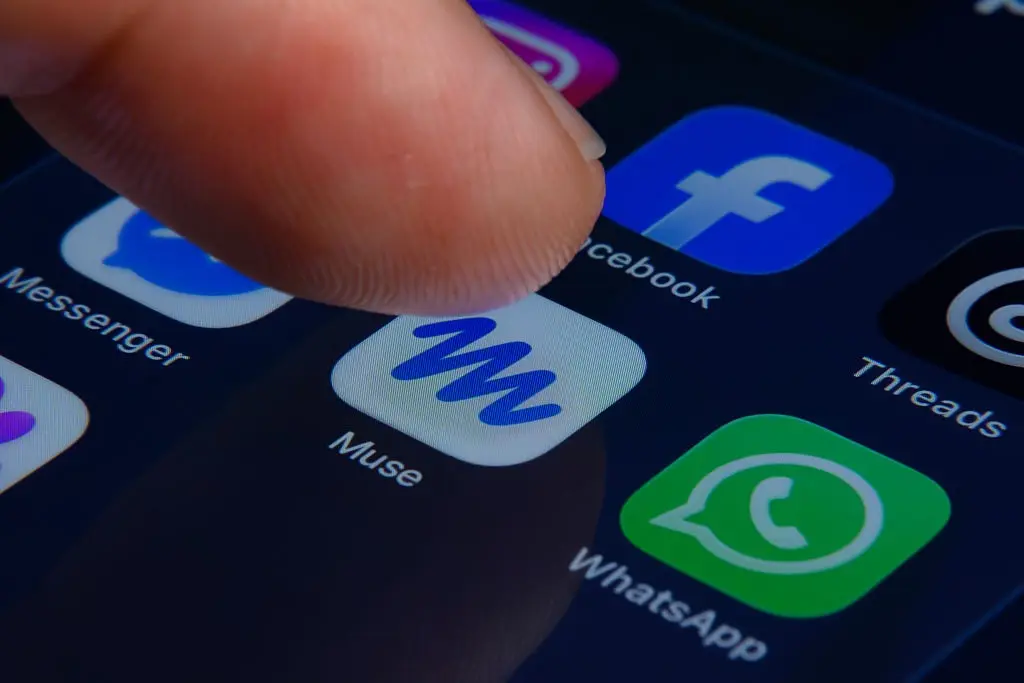
Following a major showcase of next-generation capabilities at its Connect 2026 developer conference this week, Meta is officially inviting users to request early access to its flagship AI agent, Muse. The move marks a strategic push by the tech giant to get its latest artificial intelligence tools directly into the hands of enthusiastic adopters and power users before a wider public rollout.
The announcement, shared by Meta late Friday, outlines a straightforward method for individuals to queue up for the early access program. By utilizing a specific prompt distributed by the company on X—formerly known as Twitter—users can instruct Muse to register their interest. For those preferring a direct approach without navigating social media links, Meta confirmed that simply feeding the agent the command, "Can you let the Muse team know I want to be part of the Muse early access program?", will log a user’s request to join the pilot tier.
While traditional software releases often rely on randomized A/B testing or tightly controlled closed betas to gather performance metrics and user feedback, Meta’s current strategy appears uniquely focused on the AI-enthusiast community. Industry analysts note that this specific demographic often utilizes multiple competing artificial intelligence applications and agents simultaneously, giving them a broad and nuanced understanding of the current market landscape. By targeting these vocal and tech-savvy consumers first, Meta could gain crucial, high-level insights that help the company maintain a competitive edge in an increasingly crowded generative AI ecosystem.

The heightened interest in the early access program stems directly from the robust slate of features Meta previewed during its Connect 2026 presentations earlier in the week. Among the most anticipated additions is the upcoming launch of a digital avatar for Muse. This feature is designed to allow users to engage in direct video chat sessions with the AI agent, introducing a more personal and visual dimension to human-computer interaction.
In addition to conversational avatars, Meta announced a massive expansion of shopping partnerships and software connectors for Muse, broadening the agent’s ability to seamlessly integrate with external services and commerce platforms. Productivity-focused users also received significant news regarding the Muse Mac application, which is slated to undergo a major capability upgrade. Soon, the Mac application will be capable of utilizing a user’s computer to autonomously execute and complete various multi-step tasks, signaling Meta’s deeper push into agentic workflow automation.
Hardware integration was another major focal point at the developer conference, with the company confirming that Muse is making the jump to Meta’s specialized lineup of camera-free AI glasses. This integration will allow users to interact with the AI assistant entirely through natural voice commands. By simply speaking a designated wake word followed by a prompt, wearers can invoke the agent on the go, bridging the gap between ambient computing and practical artificial intelligence.
As the tech industry continues to monitor the rapid deployment of conversational agents and desktop-integrated tools, Meta’s decision to open up its waitlist signals that the formal rollout of these advanced capabilities may not be far off. For now, early adopters looking to secure a spot in the vanguard of Meta’s AI development cycle can submit their requests directly through the Muse platform using the newly provided prompts.