
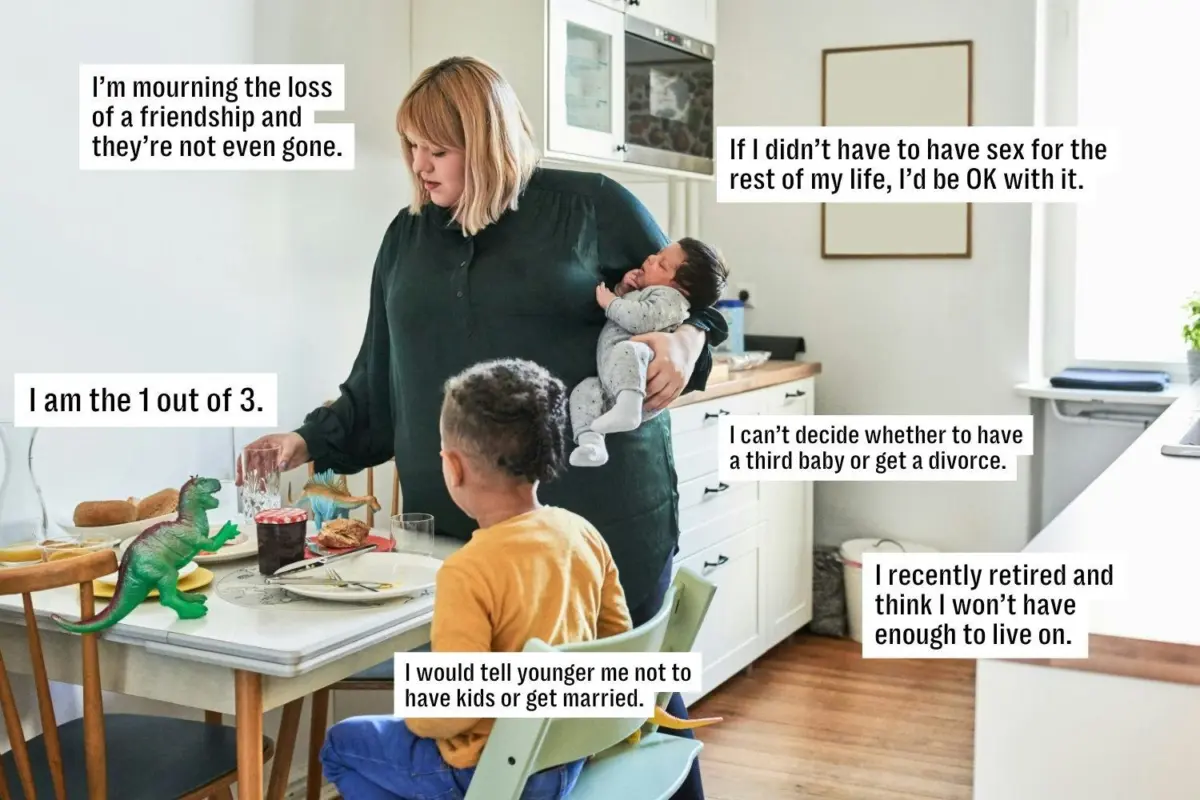
Every week, a flood of anonymous submissions arrives from mothers seeking a safe harbor to vent their frustrations, share their small victories, and process the heavy emotional burdens of daily life. These submissions often resemble a random grab bag of contemporary domestic experiences, touching on everything from relationship friction and the unique struggles of modern parenting to managing difficult in-laws and celebrating minor personal milestones. Yet, while the full spectrum of human emotion is always represented in these weekly roundups, the latest batch of confessions reveals an unmistakable and deeply unsettling undertone: pervasive, heavy fear.
A significant portion of the recent submissions centered directly on systemic issues and recent high-profile news events, most notably the discussions surrounding the Cornell 7. For many mothers, the headlines served as painful catalysts, triggering memories of their own traumatic pasts and opening old wounds. Beyond personal triggers, a recurring theme among the respondents was a profound sense of dismay regarding the apparent complicity of other boys involved in group text controversies and similar incidents. Mothers expressed valid, deeply rooted concerns about what these behaviors reveal regarding the current state of raising young boys in society, and by extension, what it means for the safety, well-being, and future of their daughters.
This profound anxiety has naturally bled into widespread anger. For many, anger functions as an entirely appropriate and necessary psychological response to being repeatedly told that systemic failures, misogyny, and societal dangers are simply immutable facts of life—just how the world works. The sentiment was captured starkly by one anonymous contributor who confessed to feeling like she was "about to start on some vigilante shit if men don’t start showing tf up for women." Another mother shared a similar sentiment, noting that the Cornell case left her terrified to send her daughters out into a world that she perceives as fundamentally hostile toward women.
Yet, despite the gravity of the sociopolitical anxieties weighing heavily on contributors, these submissions underscore the reality that women contain multitudes. Even as mothers struggle under the emotional weight of distressing headlines and societal fears, they are concurrently grappling with the mundane, exasperating, and occasionally humorous friction of daily domestic life. Amidst existential dread, submissions featured classic marital annoyances, such as dealing with a husband’s exaggerated "man-cold" while the rest of the household battles illness and basic responsibilities still demand attention. Others celebrated hard-fought health milestones, or simply expressed the universal, exasperated wish that someone—anyone other than them—would make a definitive decision about what is for dinner just for one night.
As has always been the case with these weekly digital roundups, contributors are quick to emphasize that experiencing this wide array of emotions does not make a woman "too much" or overly dramatic. Instead, it serves as clear evidence that mothers are paying close attention to the world around them, navigating complex inner lives while bearing immense practical and emotional responsibilities. The platform continues to function as an essential outlet where women can pour out their unfiltered thoughts anonymously, knowing they have found a space that acknowledges their multifaceted realities.
The broad spectrum of submissions highlights marriages stretched to their absolute breaking points, long-buried traumas resurfacing after decades, and the quiet despair of feeling trapped in unfulfilling or difficult life circumstances. Several women confessed to deep marital dissatisfaction, with statements ranging from simple friction to profound alienation. One mother confessed that she wanted a divorce, but felt it was impossible because she had sacrificed everything to raise her children during the early years. Another admitted she could no longer envision staying with her husband for the remainder of her life, held back primarily by a painful internal question: "Who else would want me?" Others found themselves questioning the foundational choices of their lives entirely, with one frank submission noting an explicit wish that she could tell her younger self never to have children or get married.
Career anxiety and professional burnout also emerged as prominent stressors in this week’s haul. Mothers detailed the intense pressure of attempting to balance demanding employment with the unequal distribution of domestic labor, leading to sharp feelings of guilt over not performing well enough at work combined with mounting resentment toward systemic disadvantages faced by working mothers. For some, corporate instability added to the friction, with contributors noting looming job cuts from top administration that left them feeling physically sick with dread. Conversely, others found themselves managing the stressful transition away from toxic corporate environments, navigating the simultaneous relief of escaping poor leadership and the nerve-wracking reality of starting over.
Health concerns—both physical and psychological—formed another major pillar of the anonymous disclosures. Beyond the ongoing management of chronic anxiety, ADHD, and obsessive-compulsive tendencies, some women confronted sudden medical scares, such as experiencing unexpected seizures and the terrifying realization of potentially developing epilepsy later in life. Others faced difficult decisions surrounding medical treatments, expressing a desire to utilize modern weight-loss medications like GLP-1 agonists while simultaneously harboring anxieties about dependency and the prospect of needing lifelong treatment.
Parenting challenges further compounded the emotional weight carried by contributors. While some celebrated small developmental wins or the relief of navigating milestones, others confronted the isolating reality of parenting neurodivergent children in a landscape where professional guidance often feels entirely lacking. Mothers of newborns confessed to finding the early developmental stages unbearably monotonous and physically draining, while others dealt with behavioral challenges from older children or the complex grief of watching a child’s relationship with extended family members deteriorate. Difficult dynamics with in-laws, particularly surrounding visits from family members that tested domestic harmony, also added to the seasonal stress as households prepared mentally for the upcoming holidays.
Ultimately, the collective voices gathered in this week’s confessions paint a vivid picture of contemporary motherhood defined by resilience in the face of profound exhaustion. Whether confronting the macro-level fears of raising children in a volatile society or dealing with the micro-level frustrations of a partner’s domestic shortcomings, these anonymous submissions provide an unfiltered look into the psychological landscape of women striving to survive, protect their families, and maintain their sense of self in an increasingly complex world.