
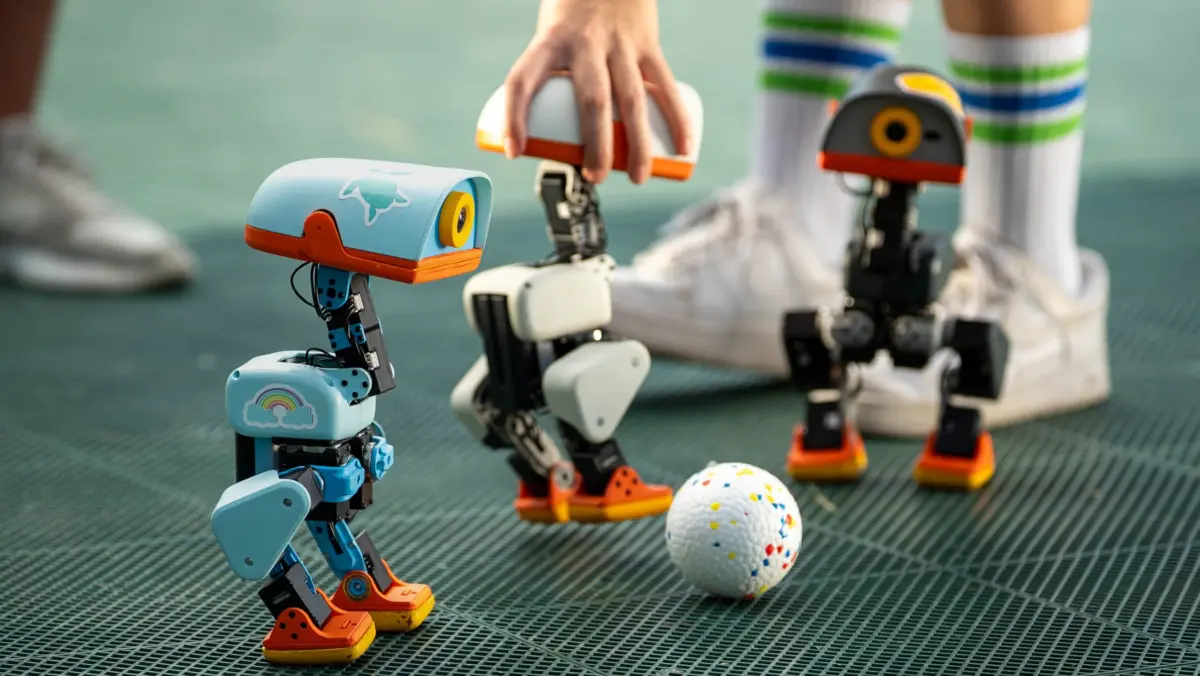
Earlier this week, a memorable moment captured the attention of the technology world during the keynote address at Nvidia’s GTC conference in Berlin. A video featuring Nvidia CEO Jensen Huang interacting with a playful flock of waddling robot ducks quickly went viral across social media platforms, capturing the imagination of tech enthusiasts and casual observers alike. These compact, expressive machines—known as Microducks—stomped their small mechanical feet, emitted charming, high-pitched R2-D2-style sound effects, executed voice-commanded "naps" by collapsing dramatically to the floor, and even performed coordinated somersaults on command.
The undeniable charm of the demonstration translated into immediate commercial interest. According to a statement shared on social media by Hugging Face’s Clem Delangue, preorders for the Microducks surged past the 20,000-unit mark within a single day following the keynote presentation.
With shipments scheduled to arrive in time for the Christmas holiday, industry watchers and consumer analysts are beginning to view the Microducks as potential contenders for the title of the season’s hottest holiday toy. Delangue expressed optimism that the devices could emerge as the best-selling consumer robot of the year. Furthermore, market analysts note that the appeal of the Microducks extends well beyond younger demographics. Promotional materials and demonstration footage highlight adults actively engaging with and enjoying the autonomous devices, suggesting a broad multi-generational market appeal similar to classic novelty electronics.
The Microducks are open-source hardware devices originally developed by Pollen Robotics. The French robotics firm was acquired by Hugging Face in 2025, which in turn became part of the Nvidia corporate family following the GPU giant’s high-profile acquisition of Hugging Face in September. This hardware release represents the second consumer-facing robotic product from Hugging Face, following the launch of the similarly compact and popular Reachy Mini open-source robot earlier in the year.
The development and behavioral repertoire of the Microducks relied heavily on Nvidia’s comprehensive artificial intelligence and simulation technology stack. During the developmental phase, the robots were trained extensively within virtual simulation environments to master foundational motor skills and tricks, including walking, standing, sitting, and performing specialized physical maneuvers. Pollen Robotics has emphasized that the open-source nature of the devices allows owners and developers to train their individual robots with novel custom tricks and behaviors, which can subsequently be shared within a collaborative global user community.
The lighthearted debut of the Microducks provided a welcome contrast for an artificial intelligence industry navigating a challenging news cycle. Earlier in the week, broader industry discussions were dominated by cybersecurity concerns, with various technological vulnerabilities and incidents drawing intense public scrutiny and prompting renewed debates regarding the potential risks associated with rapid AI deployment. Against the backdrop of these serious industry headwinds, the viral demonstration of the playful robot ducks offered a much-needed reminder of the lighter, more entertaining applications of modern robotics and automation engineering, driving significant consumer enthusiasm and immediate commercial demand.