
Paris Fashion Week has officially closed the chapter on the minimalist dress code that has dominated the industry for years, ushering in a season defined by unbridled joy, high-impact design, and a collective return to the sheer pleasure of getting dressed. From Julian Klausner’s quirky and ornate prints at Dries Van Noten to Michael Rider’s irreverent styling at Celine and Matthieu Blazy’s exuberant embellishments at Chanel, the atmosphere on the French runways was nothing short of palpable. After seasons marked by disciplined, pared-back looks and reserved color palettes, the fashion capital’s most influential designers have collectively decided that fashion should be fun again.
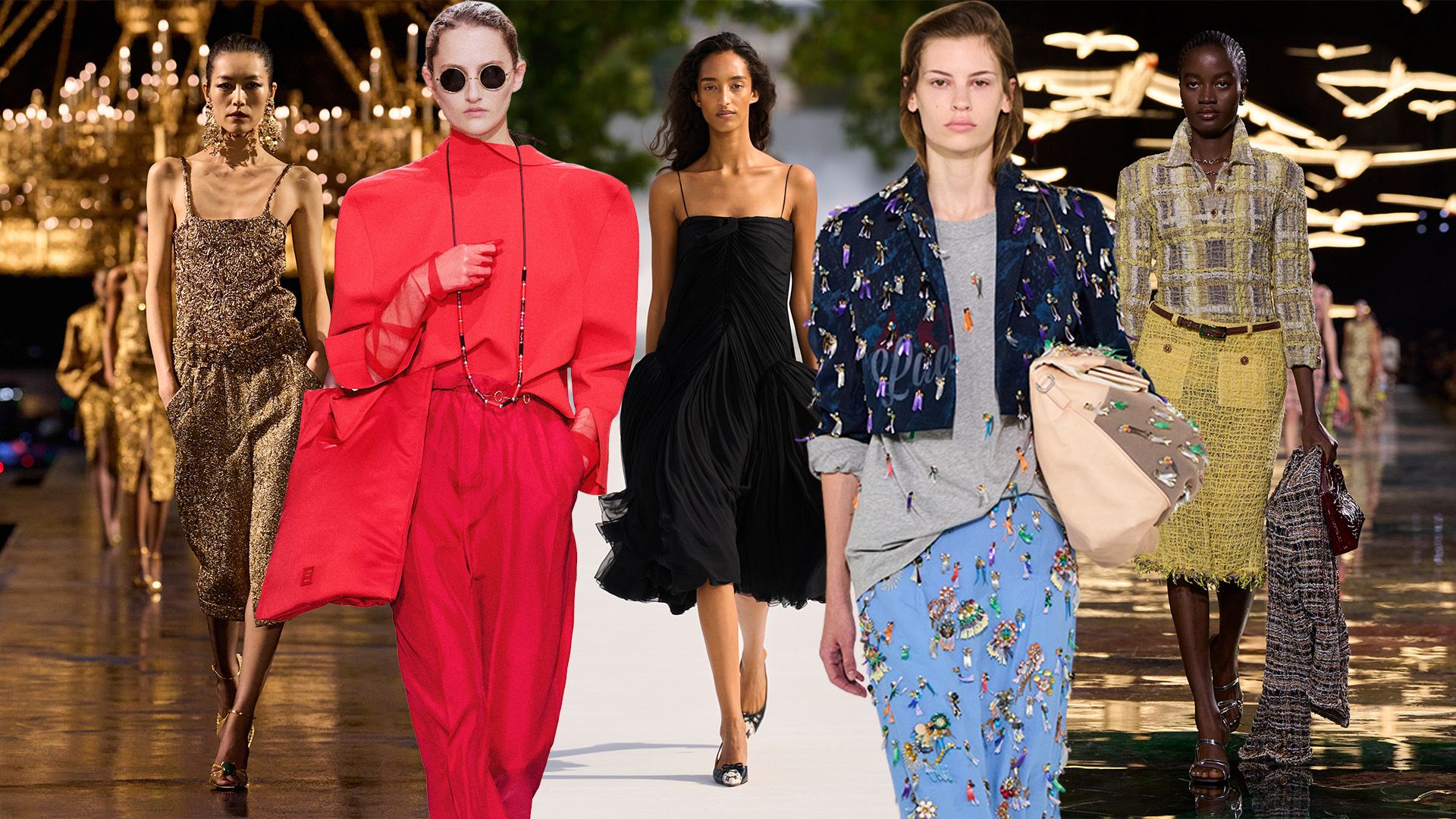
This pivot does not signal a descent into literal costume pieces or unwearable theatricality. Instead, the spring runways delivered a master class in high-impact design and styling that feels directional, fresh, and remarkably wearable. Intricate embroidery, whimsical and romantic dresses, and saturated primary colors introduced a collective spirit of frivolity that swept through the French capital. Taken together, the collections suggest that the next chapter of fashion will not be defined by one singular, uniform aesthetic. Rather, it is about embracing clothes with genuine personality and styling them in a way that sparks joy. From statement prints and maximalist designs to fresh takes on tailoring, the spring/summer 2027 collections have established a dynamic new blueprint for the wardrobe.
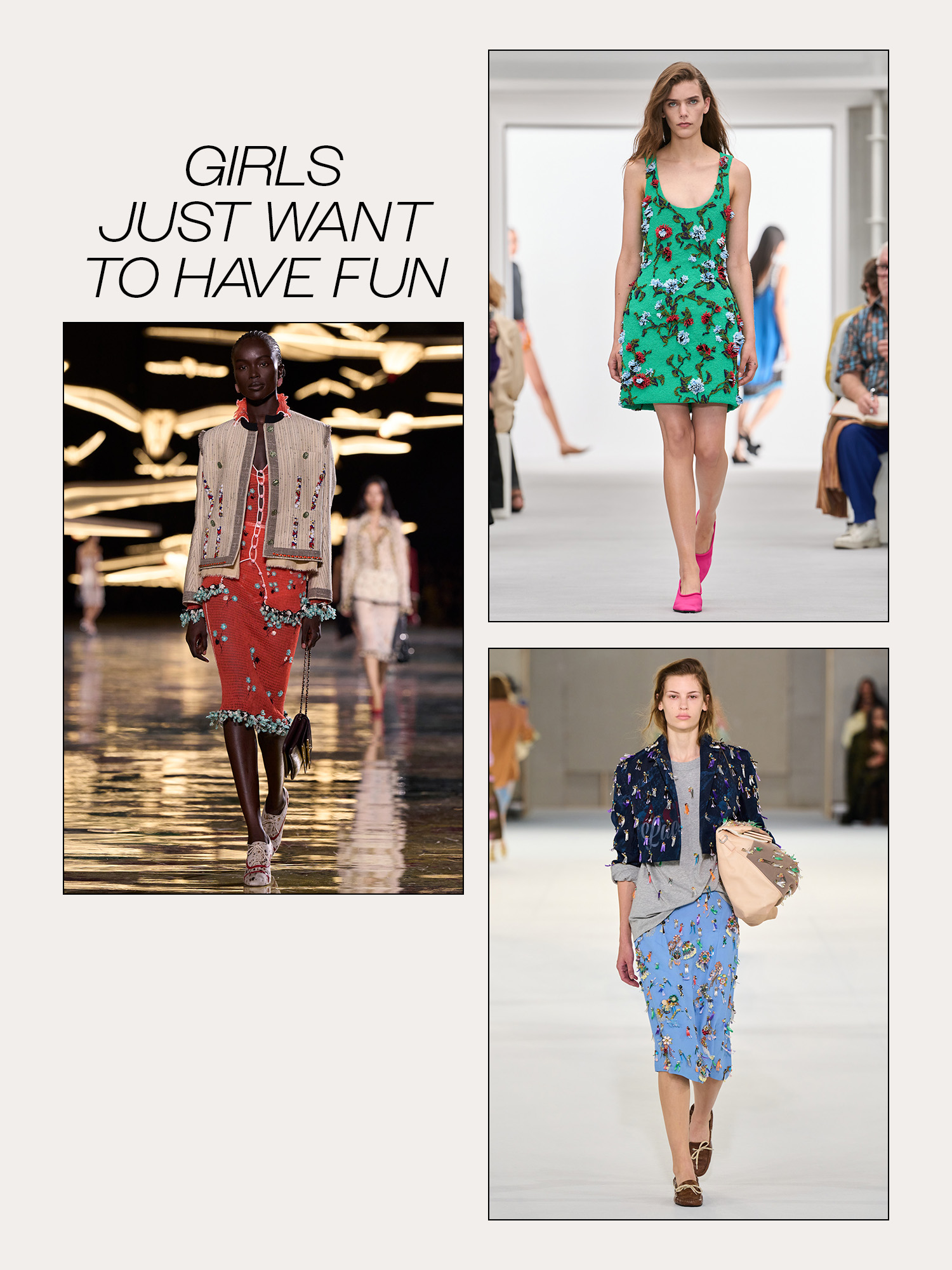
Girls Just Want to Have Fun
If there was one overarching sentiment that Paris made abundantly clear, it is that contemporary fashion could stand to embrace a little more levity. Major houses including Chanel, Loewe, and Dries Van Noten leaned heavily into whimsical details designed to restore the joy of getting dressed. This meant unexpected embellishments, quirky color combinations, and tactile, playful textures that commanded attention. It represents a calculated form of maximalism built on garments that were explicitly not designed to blend into the background.
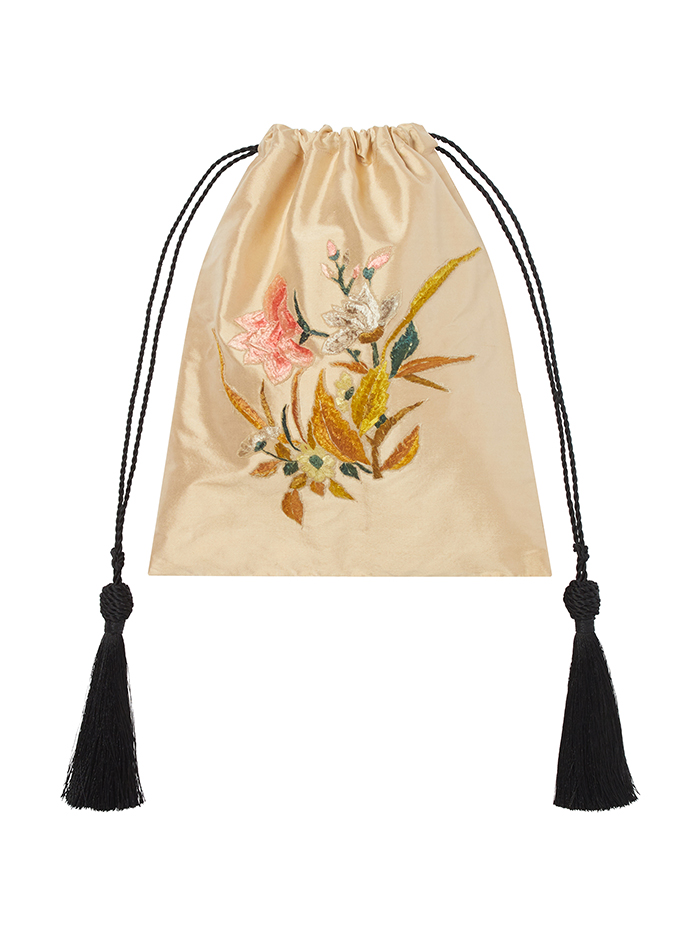
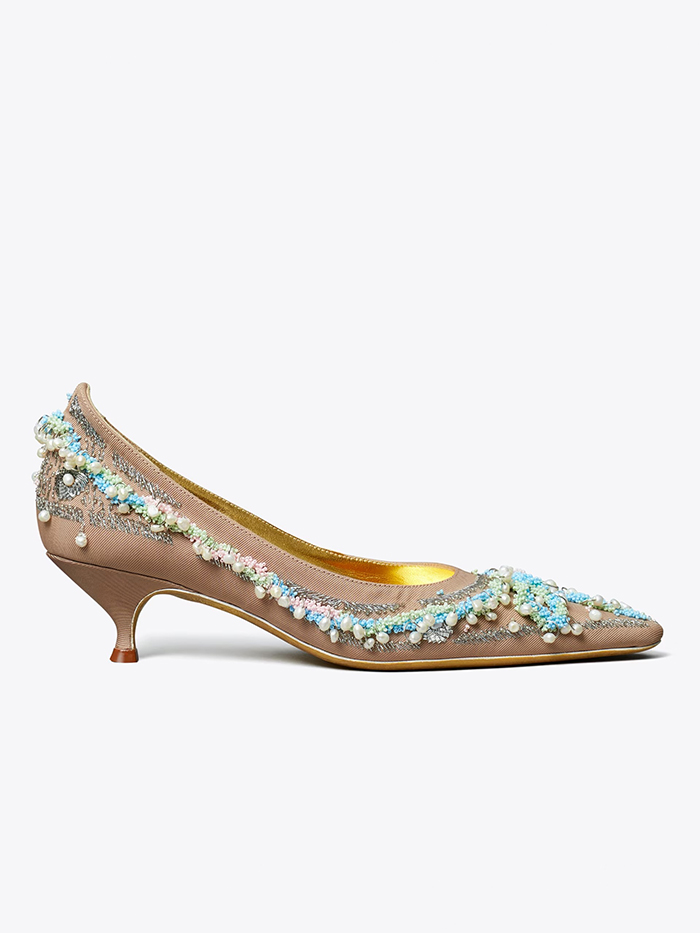
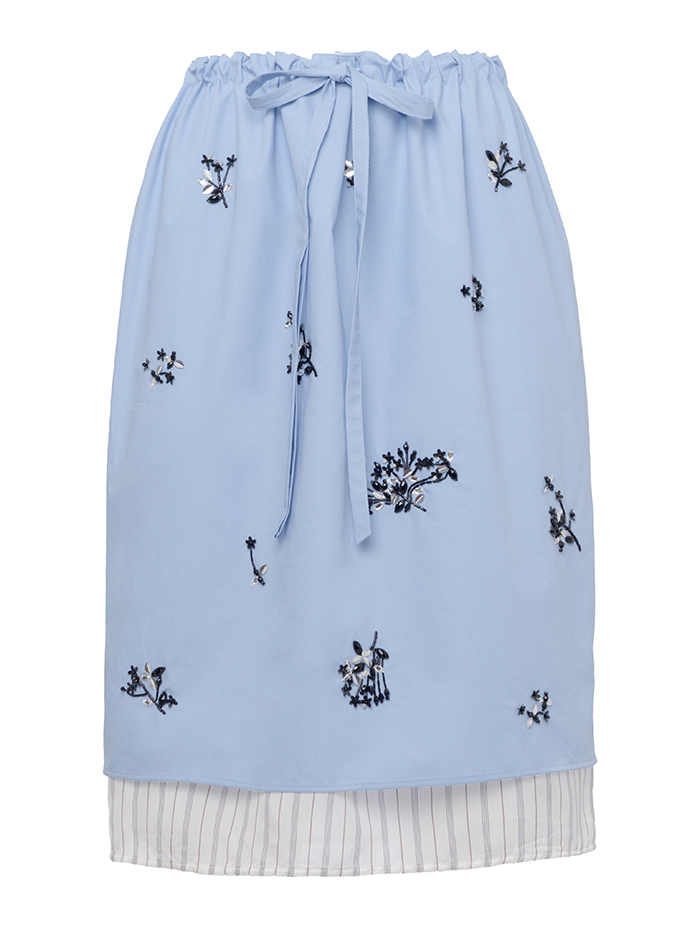
After consecutive seasons defined by quiet luxury, muted tones, and deeply pared-back dressing, a healthy dose of frivolity felt downright refreshing to critics and buyers alike. The runways showcased accessories and garments that celebrated craftsmanship through a playful lens, from embroidered silk cord bags by Conner Ives and beaded pumps by Tory Burch to intricately embellished knee-length skirts by DES_PHEMMES. These pieces demonstrate that maximalism can be sophisticated, proving that making a statement does not require sacrificing refinement.
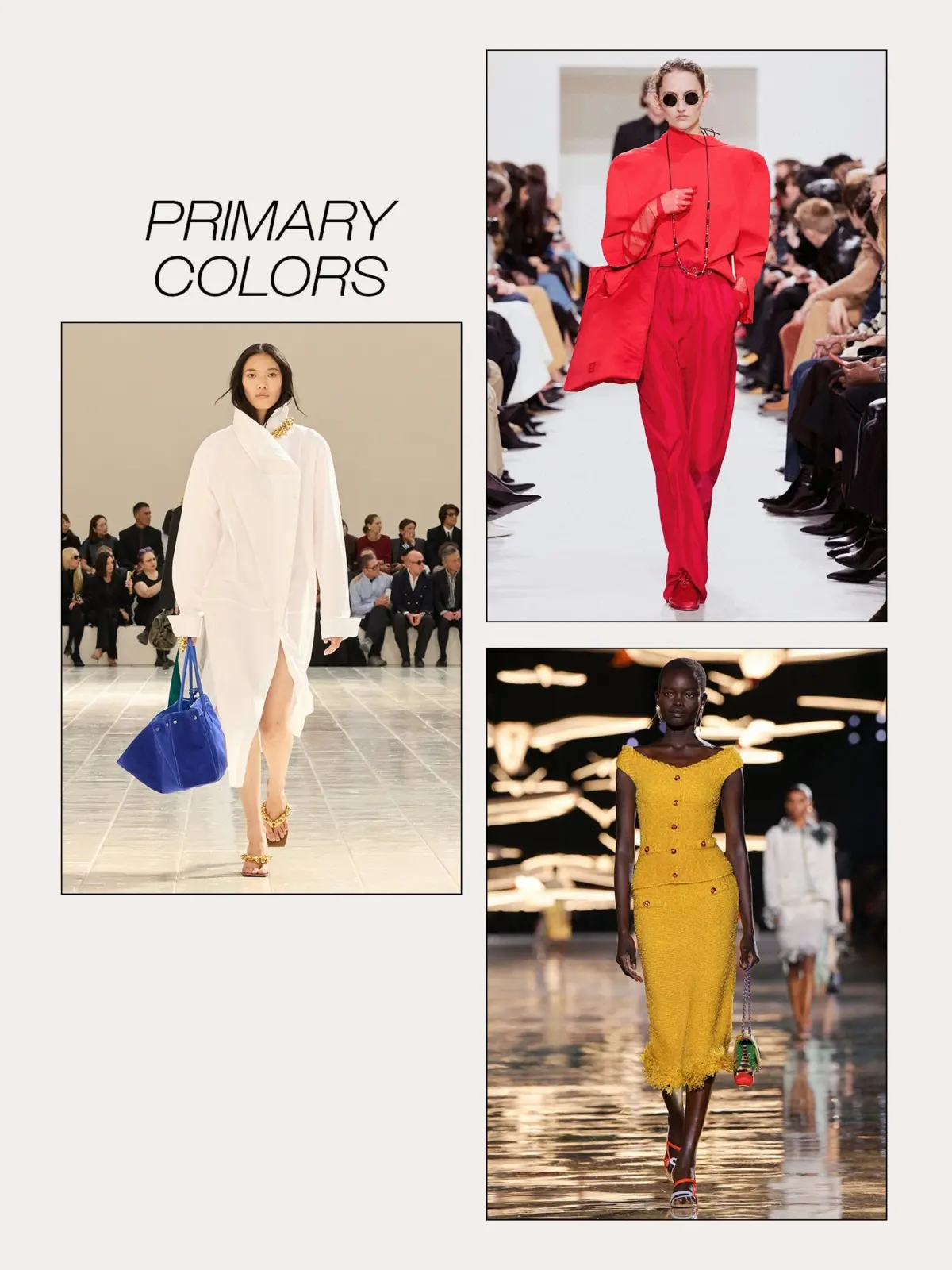
Primary Colors
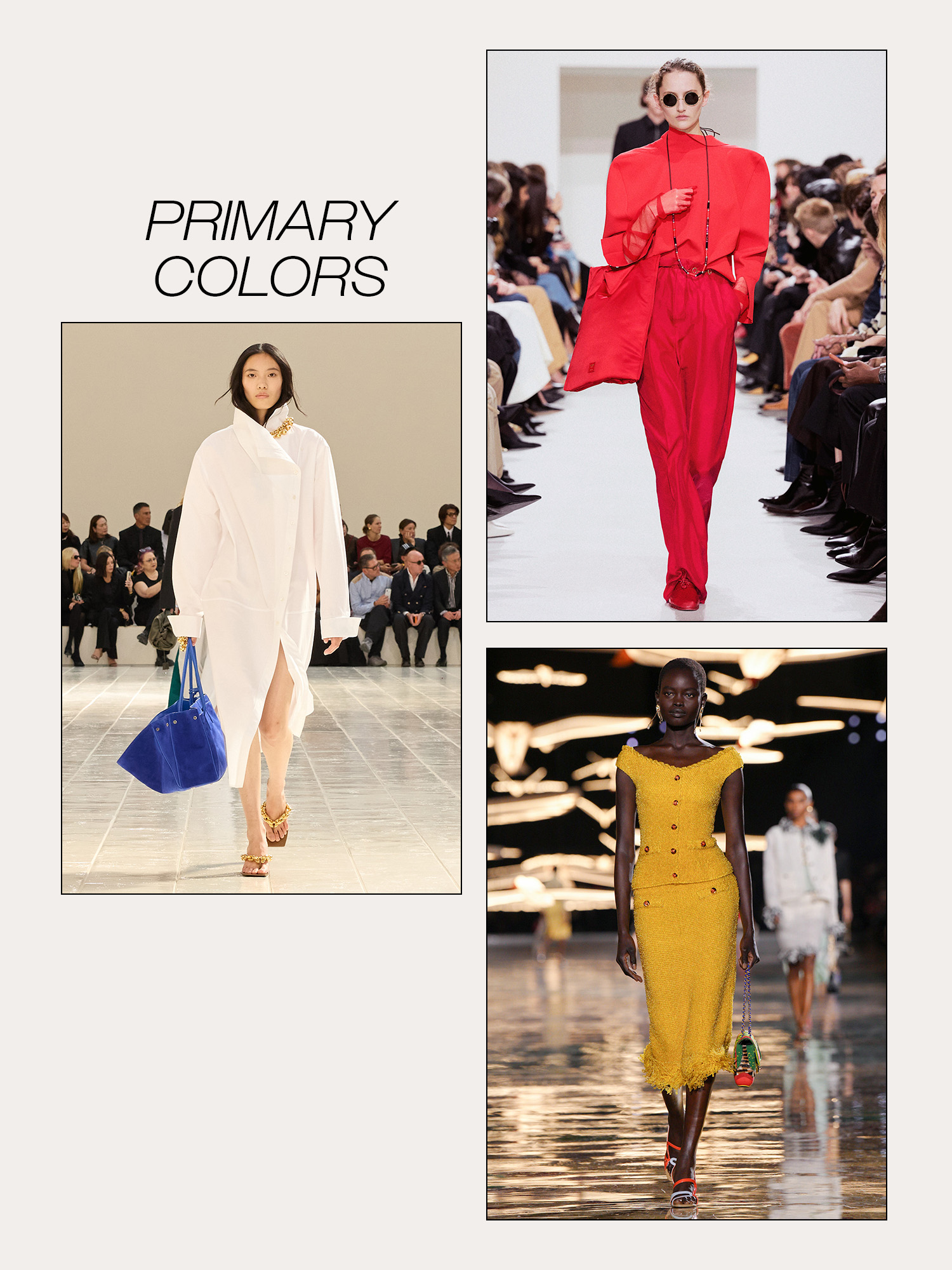
The color palette of the season proved impossible to miss, with canary yellow, true red, and cobalt blue taking center stage across the collections at Chanel, Balenciaga, and Celine. These saturated shades appeared on everything from streamlined separates to statement-making accessories, instantly injecting vibrant energy into the shows. There is a distinct, refreshing simplicity to this approach: bypassing complicated color theory and carefully blended neutrals in favor of a genuinely great, highly saturated hue.
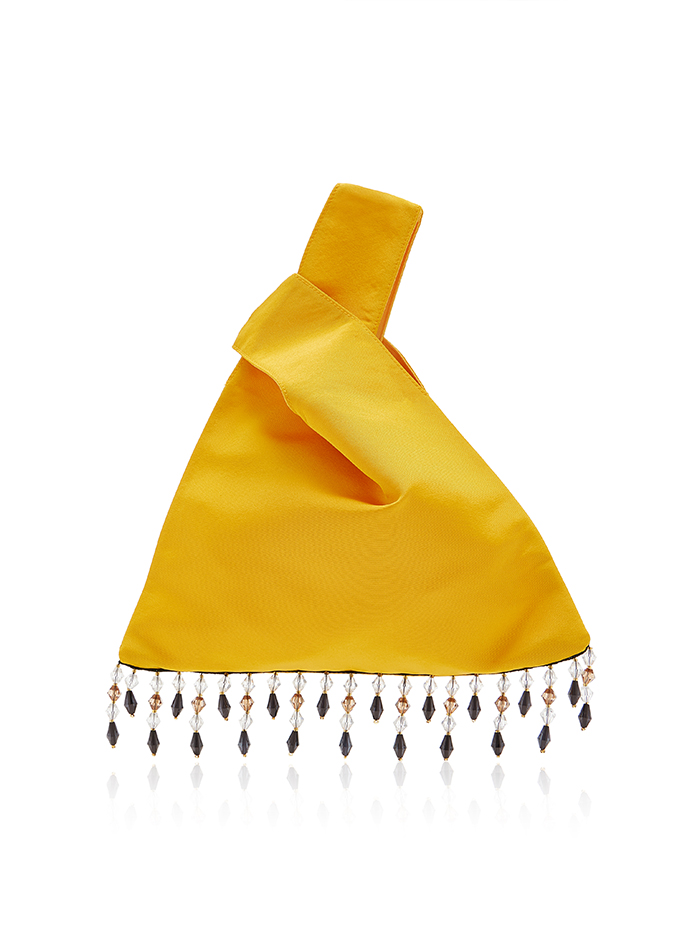
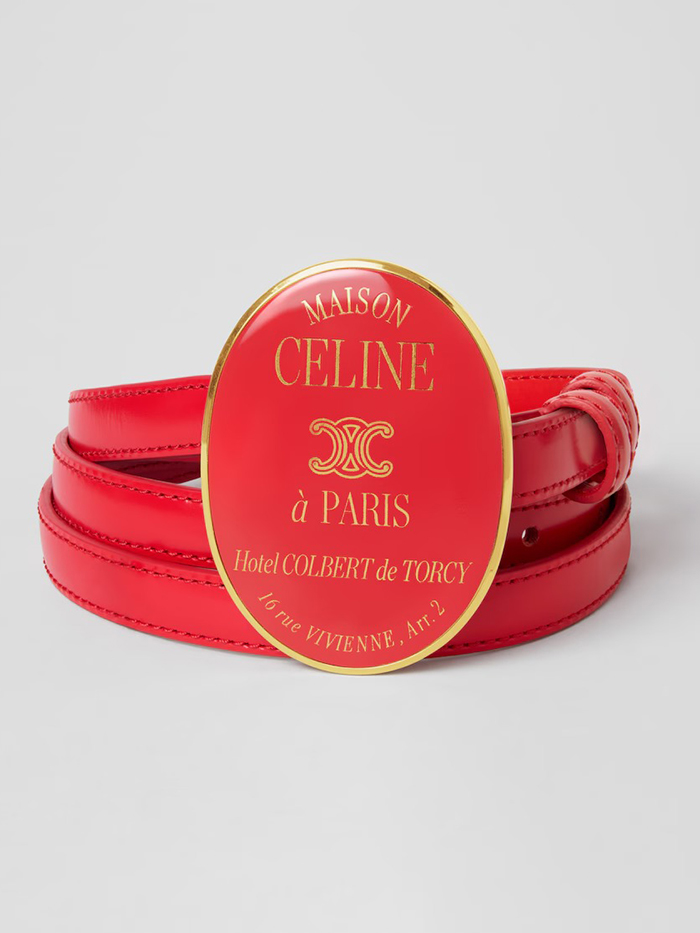
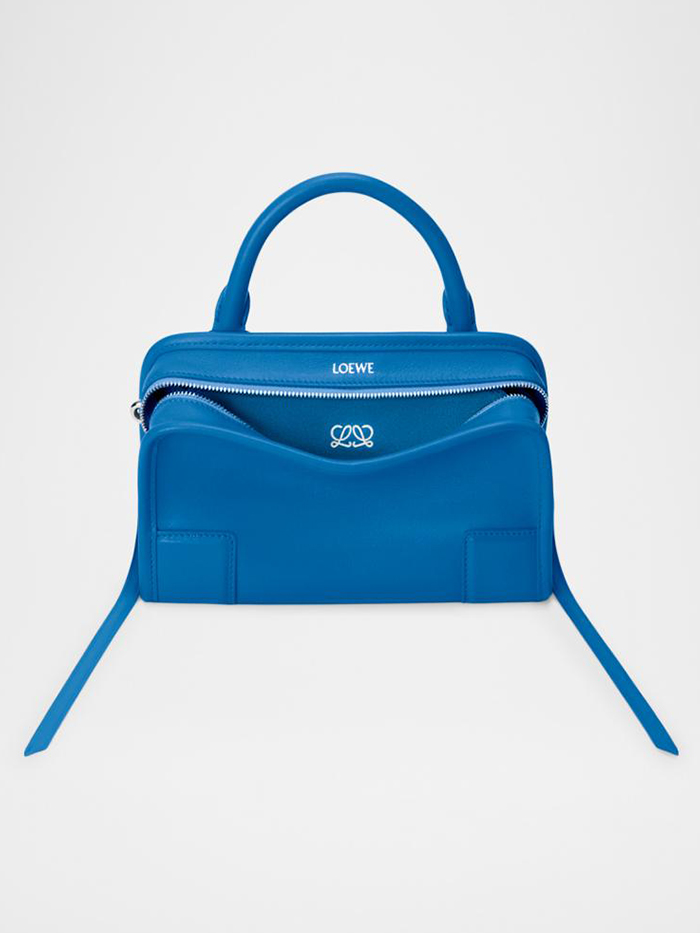
The resulting garments are optimistic without slipping into saccharine territory, and bold without demanding an elaborate, over-engineered outfit. Accessories like Mèlisse’s silk faille knot bags, sculpted belts from Celine, and miniature leather top-handle bags from Loewe further amplified this chromatic energy, offering wearers an accessible entry point into the bold color trend through footwear, belts, and handbags.
The Evening Jacket
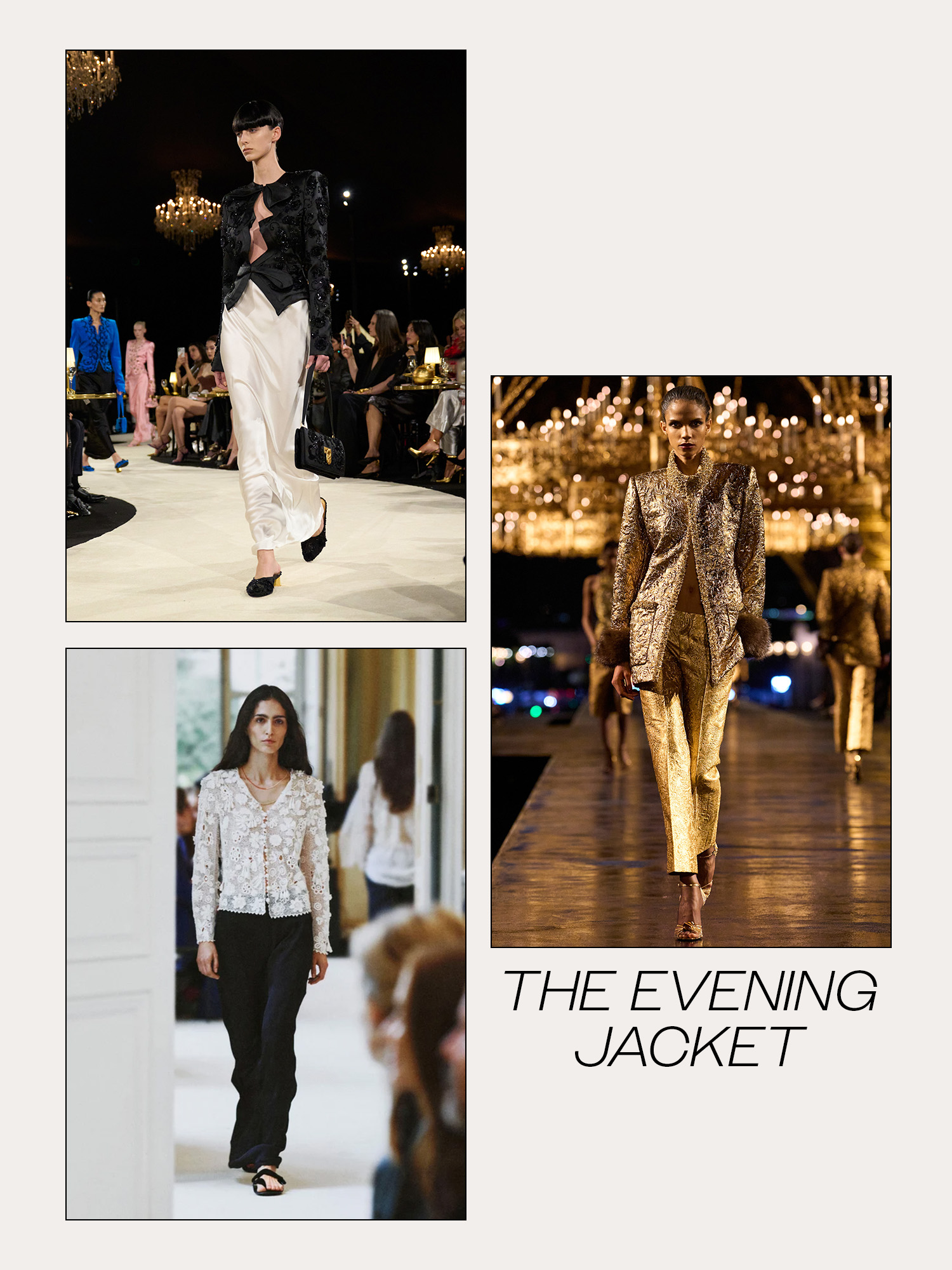
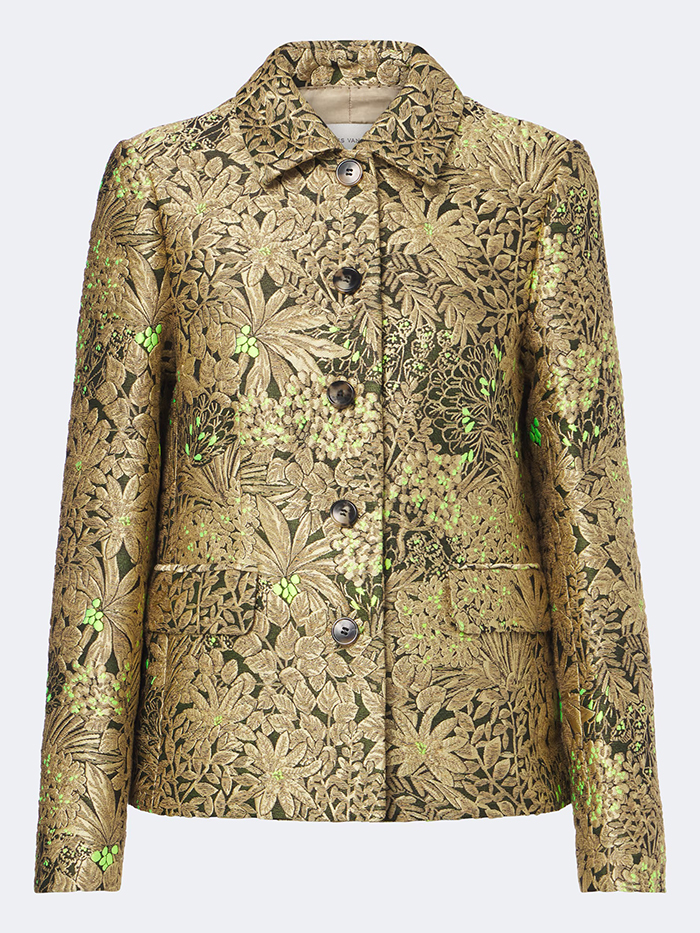
Designers in Paris are also making a compelling case for retiring the standard, everyday blazer in favor of something considerably more special. The evening jacket emerged as a major silhouette of the season, capturing attention in gold brocade at Saint Laurent, intricate embroidery at The Row, and ornate, sculptural details at Schiaparelli.
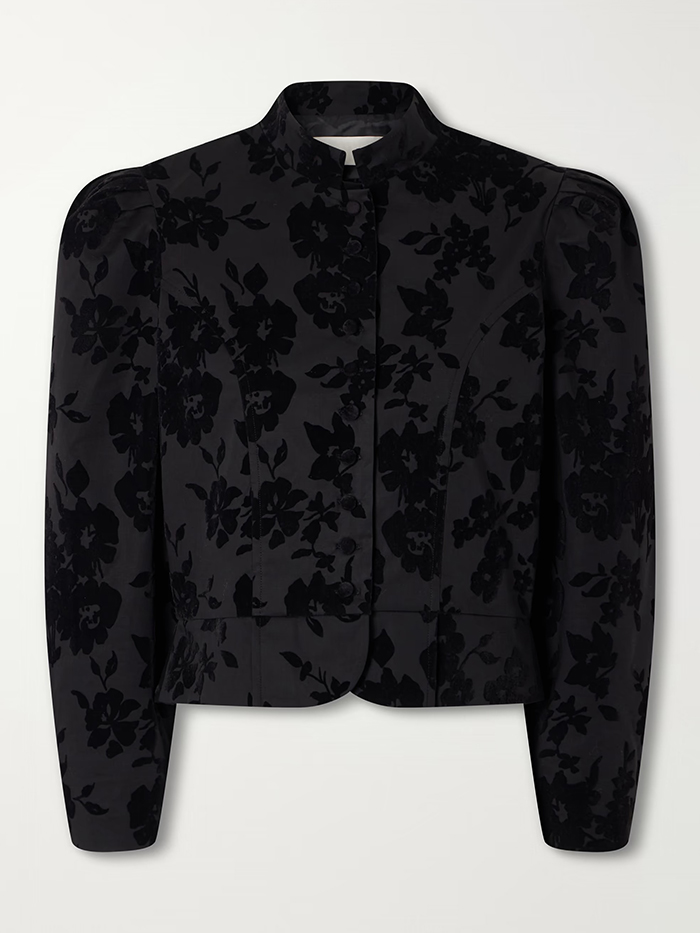
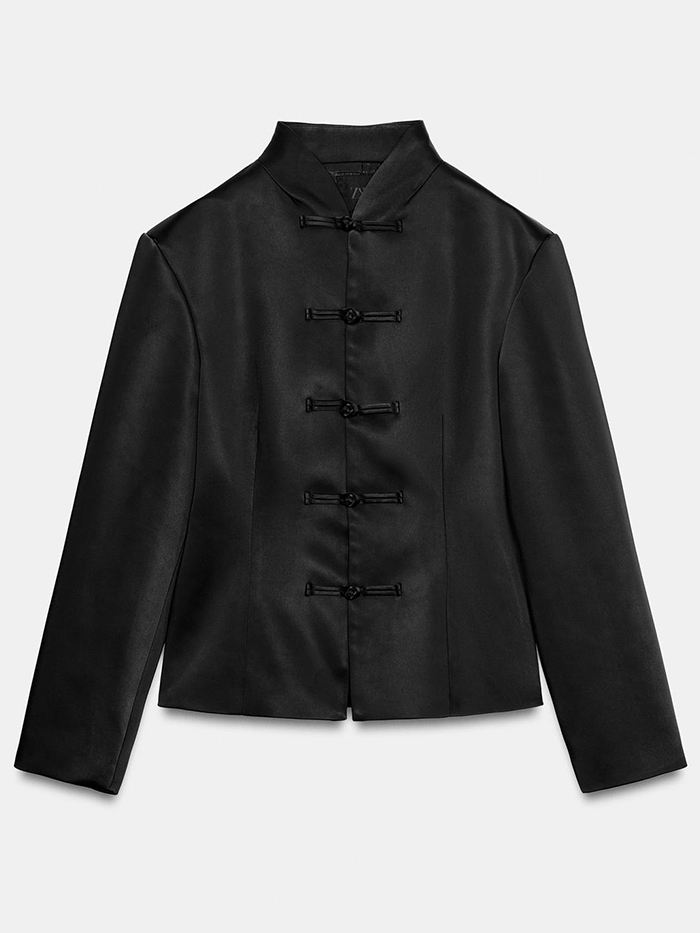
This iteration of tailoring is polished, mature, and infused with a distinct sense of cool-girl nonchalance. By elevating outerwear with luxurious fabrics like floral jacquards from Dries Van Noten, devoré finishes from Destree, and satin constructions with traditional frog fastenings from Zara, designers demonstrated that evening wear can effortlessly transition into daytime dressing when styled with the right attitude. It is a sophisticated pivot that bridges the gap between formal grandeur and everyday ease.
Finishing Touches
Accessories practically made the outfit on the Paris runways, with scarves and bold belts serving as the ultimate finishing details that turned up the volume on numerous looks. While printed scarves and tasseled belts have steadily maintained their status as a mainstay among the fashion set, the spring/summer 2027 collections introduced significantly fresher ways to wear them.
Houses like Miu Miu, Hermès, and Valentino presented inventive styling choices that played with how these accessories are worn, wrapped, and tied in unexpected ways. From Hermès’ double-face silk scarves to wide wrap belts by The Row and fringed silk-twill double scarves by Otzio, the runways proved that thoughtful accessorizing remains the most effective tool for transforming a straightforward silhouette into a striking fashion statement.
Airy Romanticism
At Chloé, Dior, and Chanel, dresses and skirts arrived in light, billowing silhouettes that seemed to effortlessly float around the body through sheer layers and soft volume. Jonathan Anderson’s collection for Dior pushed this concept to new heights, utilizing airy fabrics, petal-like textures, and intentionally imperfect shapes to evoke a mood that was profoundly poetic rather than overly polished.
This trend avoids a regressive return to overly prim or restrictive dressing, favoring instead a profound movement toward lightness and ease. Fluid maxi dresses from designers like De La Vali and layered overlay midi skirts from brands such as The Garment captured this breezy spirit, offering a fluid counterpoint to the season’s more structured tailoring and primary-colored separates.
New-World Prep
At Loewe, Celine, and Stella McCartney, familiar collegiate codes were loosened, twisted, and re-imagined into something far more compelling. While traditional markers of prep—such as polished separates and classic tailoring—were present, they were restyled with unexpected proportions and an innate sense of ease that rendered the entire aesthetic thoroughly modern and aligned with a new-world perspective.
Polo sweaters from labels like Almada, semi-sheer knit polo tops from Zara, and cashmere-silk blend polos from Loewe updated heritage sportswear for the contemporary wardrobe. By pairing preppy staples with relaxed silhouettes and unexpected layering, these collections redefined collegiate dressing for a generation that values comfort just as much as heritage polish.