
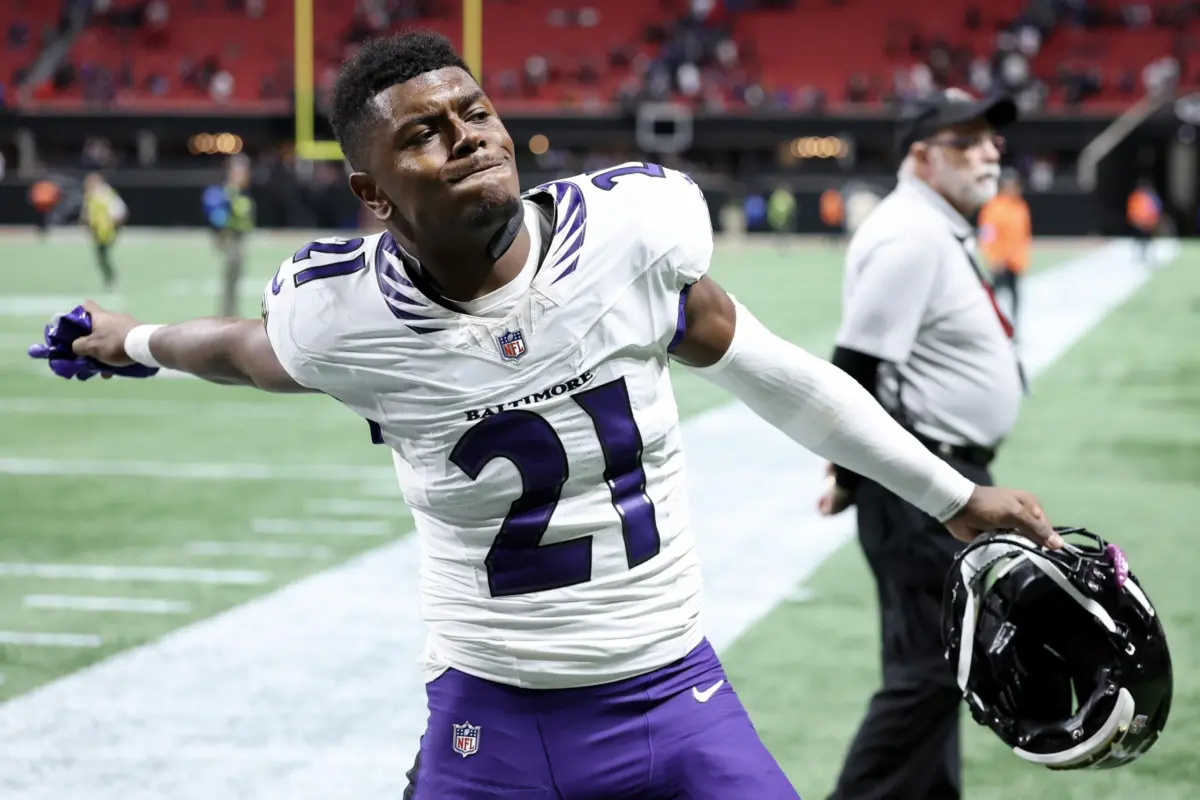
It is always a fascinating moment when a professional football team decides to break the conventional, long-established rules of the National Football League to execute a completely novel exploit. That is precisely what the Baltimore Ravens accomplished on Sunday night, pulling off a stunning tactical masterclass in overtime to rob the Atlanta Falcons of any meaningful opportunity to play in the extra period and seal a hard-fought 30-23 victory on the road.
The strategic pivot began even before the first snap of overtime when Kyle Hamilton correctly called the coin toss for Baltimore. In a move that immediately reverberated through the stadium and caught analysts and fans entirely off guard, Hamilton made the unheard-of decision to receive the ball. For years, conventional NFL logic has dictated that since the advent of the modern two-possession overtime rules, a team always, without exception, elects to kick first.
The traditional reasoning behind kicking off to start overtime is rooted in strategic risk management. Conventional wisdom holds that it is significantly better to put immediate pressure on the opposing offense to perform early in the extra period, while simultaneously giving your own coaching staff and players a clear understanding of the exact requirements needed to secure a victory. Furthermore, going on offense first carries the inherent, game-altering risk that if your drive stalls and you are forced to punt, the opposition can march down the field and win the game outright with a manageable field goal. This dynamic also traditionally heaps intense psychological pressure on an offense, forcing them to press aggressively for a touchdown when they might otherwise be content to settle for a field goal, thereby adding an extra layer of anxiety and potential for disaster.
However, Ravens head coach Jesse Minter chose a radically different path for Sunday night’s showdown. He was not interested in playing the percentages or adhering to decades of traditional football philosophy. Instead, his plan was to take the ball first, control the tempo completely, and systematically prevent the Falcons from ever having a legitimate, competitive shot at winning the game.
To execute this audacious strategy, the Ravens relied on a heavy, punishing dose of star running back Derrick Henry combined with short, efficient passing from quarterback Tyler Huntley. Together, they orchestrated a methodical, soul-crushing 14-play, seven-minute-and-three-second touchdown drive. This lengthy possession not only moved the football all the way down the field for the game-winning score, but it also critically forced the Atlanta defense to burn both of their remaining timeouts, leaving fewer than three minutes remaining on the game clock by the time the drive concluded.
Henry was the engine of this historic possession, carrying the ball six punishing times as the Ravens ground down the Atlanta defensive front. Meanwhile, through the air, the longest pass completion of the entire drive went for a modest 10 yards, highlighting Baltimore’s commitment to ball control and clock management over explosive, high-risk plays. In fact, so much time was systematically drained off the game clock that when the Ravens eventually faced a second-and-goal situation near the endzone, the strategic reality of the moment was so overwhelming that it was almost as if the Falcons were forced to intentionally let them score, simply to ensure that their own offense would eventually get a chance to possess the football before the game expired.
This hyper-calculated approach revealed a deep level of intentionality behind the Ravens’ play-calling. Even when potential big plays might have been available downfield, Baltimore consistently opted for safe, short gains. The overarching goal was to relentlessly choke the clock, knowing that doing so would fundamentally alter the dynamics of the Atlanta offense and make them one-dimensional.
By bleeding the clock dry, the Ravens understood they could neutralize Atlanta’s most consistent and dangerous offensive weapon, star running back Bijan Robinson, by simply removing rushing opportunities from the game script. This defensive calculation was further compounded by significant health concerns on the Atlanta sideline. Earlier in the contest, quarterback Michael Penix Jr. had been banged up following a devastating sack. This left the Falcons in a precarious position where either Penix would have to attempt to play through significant pain, or veteran quarterback Tua Tagovailoa would need to step in and try to throw his team back into the game under immense pressure.
Ultimately, it was Tagovailoa whose number was called in the high-stakes overtime environment. Forced into a difficult passing situation with the game on the line, Tagovailoa attempted to force a pass on Atlanta’s second play of the extra period. The throw was read perfectly by Kyle Hamilton, who intercepted the ball to decisively seal the victory for Baltimore and cap off one of the most unconventional overtime sequences in recent NFL history.
All of this remarkable execution was ultimately made possible because the Ravens possessed the boldness to completely defy conventional logic regarding overtime strategy and maintain unwavering belief in their ability to grind out a win through sheer execution and time management. As the league processes the fallout from Sunday night’s dramatic conclusion, it will undoubtedly be fascinating to see whether more teams across the NFL study this specific game film and attempt to follow suit in future overtime scenarios.