
Retail merchandising and inventory management have long required navigating a complex landscape of shifting tariffs, escalating operational costs, and unpredictable consumer demands. Now, businesses face an even more volatile variable: the strongest El Niño weather disruption on record.
El Niño represents the warm phase of the El Niño-Southern Oscillation, a prominent climate pattern characterized by rising sea surface temperatures in the equatorial Pacific Ocean. These shifting ocean temperatures set off a cascade of weather anomalies across the globe. While its manifestations vary widely by region, the impact of this year’s cycle is projected to be particularly intense across North America throughout the fall and winter months.
Driven by these powerful meteorological forces, this year’s event has already been dubbed a "Super El Niño" in various industry and scientific circles. According to Matthew Porcelli, a meteorologist and senior solutions engineer at The Weather Company, the phenomenon is destined to upend conventional seasonal merchandising plans unless retailers take proactive steps to prepare.
Speaking by video conference, Porcelli emphasized that the pattern does not imply a uniformly warmer or wetter nation across the board. Instead, El Niño exerts vastly different effects depending on geographic location. "This is going to be a year that we’ve never experienced before, and anytime you’re in business, the goal is to reduce the amount of uncertainty to reduce the risk in your sales plans, and so we’re absolutely seeing that more than ever this year," Porcelli explained.
Running Hot
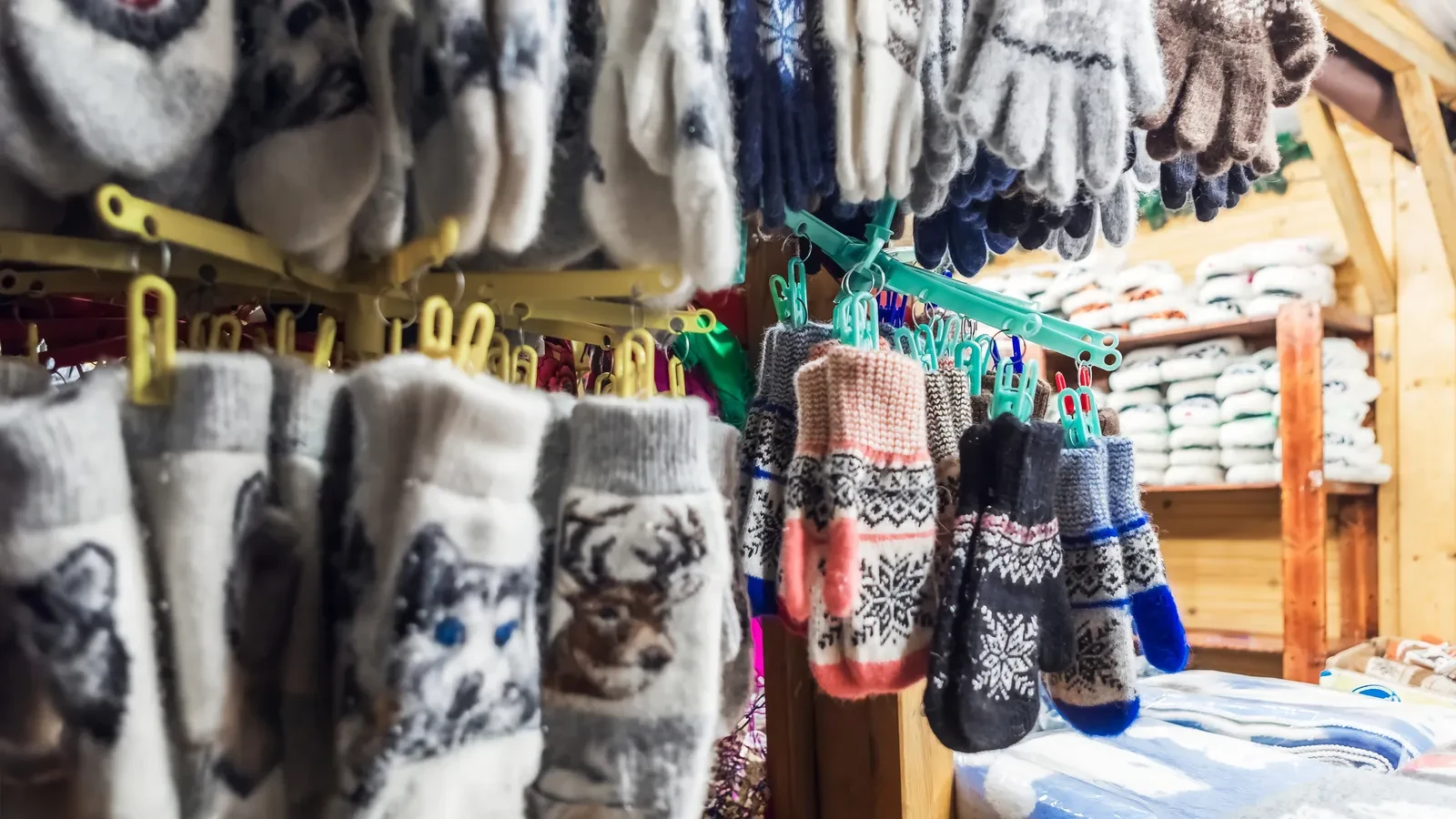
In recent months, financial analysts have issued warnings that the extreme weather pattern could severely damage brands that rely heavily on sales of low-temperature apparel and specialized winter sports gear.
The potential vulnerabilities span several prominent companies and sectors. For instance, addressing Kontoor’s recently acquired Helly Hansen ski brand during an earnings discussion in August, Laurent Vasilescu, a senior equity research analyst at BNP Paribas, pressed for more details regarding the company’s projected sales performance for the season. Vasilescu noted that such insights are particularly critical when factoring in the likelihood of an exceptionally warm winter driven by the Super El Niño.
Similarly, in an August 24 research note, a team of analysts at Wells Fargo led by Ike Boruchow highlighted several notable retail names—including Burlington, Deckers, Canada Goose, and VF Corp. brands like The North Face and Timberland—as being especially vulnerable to the disruptions of a Super El Niño.
Boruchow and his team pointed out specific operational risks for these companies. Burlington has traditionally relied heavily on the sale of winter coats and was previously impacted hard by an El Niño a decade ago. Deckers faces the prospect of having to resort to steep discounting for its signature Ugg footwear if December temperatures remain unseasonably high. Canada Goose, whose primary specialty lies in high-end warm weather outerwear, appeared to lack leadership planning for a milder winter season. Meanwhile, analysts warned that VF Corp.’s core outdoor brands carry significant exposure to warm weather risks, patterns that were clearly observable in both the 2015 and 2023 El Niño periods, impacting both overall sales figures and profit margins.
"Historically, warm weather anomalies in critical winter months have had a clear impact on consumer spending related to softgoods," Boruchow stated in the research note. "Consumers don’t buy coats when it is warm outside."
Running Cold
The ripple effects of El Niño extend far beyond consumer demand, actively roiling supply chains as well. Successfully navigating the season requires a comprehensive understanding of how these meteorological patterns simultaneously impact inventory flow, procurement, and consumer purchasing habits to safeguard both top-line sales and bottom-line margins.
With winter inventory typically locked in well in advance of the season, retail operations face an uphill battle. According to Wells Fargo, when weather patterns deviate sharply from historical norms, sales misses, inventory buildups, and subsequent markdowns to clear space for spring merchandise become virtually inevitable simply because accurate weather forecasting remains exceptionally difficult far ahead of time.
At the same time, Porcelli argues that while El Niño’s effects diverge from standard seasonal patterns, they are nonetheless broadly predictable for those equipped with the right meteorological insights.
"Look at every quarterly report from the publicly facing retailers out there, and you will see them very often using ‘weather’ as an excuse for their sales," Porcelli observed.
Despite the challenges, brands can still position themselves effectively by recognizing shifts in the seasonal calendar. For example, hiking and camping season is projected to extend significantly longer than usual this year. Furthermore, while the end-of-year holidays are tracking to be unseasonably warm, forecasting models indicate that a sharp cold snap is likely to arrive early next year.
For retail decision-makers, the central question this year centers on corporate agility. Porcelli warns that because this winter could rank among the top ten warmest on record starting in December, many companies risk reacting prematurely. Retailers frequently panic, shifting inventory too early into clearance and discount cycles when faced with unseasonable warmth.
Instead, Porcelli suggests that a more profitable strategy involves holding onto inventory rather than immediately slashing prices. Retailers can ultimately retain a competitive edge by storing products and patiently waiting until genuine demand materializes with the anticipated arrival of colder weather early next year.
The Consumer
While retailers grapple with logistical and sales hurdles, the meteorological shift may offer some short-term relief for consumers in specific regions of the country.
Household finances have faced mounting pressure from rising utility costs in recent years, according to recent research published by S&P Global. Across the United States, utility rates have climbed by nearly 40% over the past six years, driven by a combination of expanding data center infrastructures, climate change, and other macroeconomic factors. However, a September research note from Bank of America Institute analysts Liz Everett Krisberg and David Michael Tinsley suggests that warmer temperatures during the autumn and winter months could translate into lower home heating bills—at least for residents in certain geographic areas.
At the same time, the broader picture remains complex. Krisberg and Tinsley pointed out that heavier rainfall and severe storms, particularly concentrated in the southern regions of the country, could leave many households facing substantial property repair costs. Furthermore, long-term structural pressures stemming from ongoing climate trends and escalating electricity demand are expected to continue pushing utility bills higher over time.
When severe weather triggers power outages, consumer demand shifts instantly toward emergency essentials like backup generators. Porcelli emphasized that local stores must remain stocked with the exact items shoppers seek during these critical moments, allowing them to capture not only the primary sale but also the inevitable basket of add-on purchases.
Beyond immediate utility and emergency considerations, consumer psychology may also undergo a noticeable shift. Rather than settling in for traditional indoor winter routines, milder weather encourages people to venture outdoors and engage in public activities. Survey data from The Weather Company indicates that over a quarter of respondents report favorable weather directly increases their propensity to spend, meaning the warm temperatures fostered by El Niño will likely be interpreted as pleasant weather by a large segment of the population.
"Ninety percent of all decisions are made in the subconscious, and weather is one of the largest drivers of our behavior around the subconscious," Porcelli noted.