
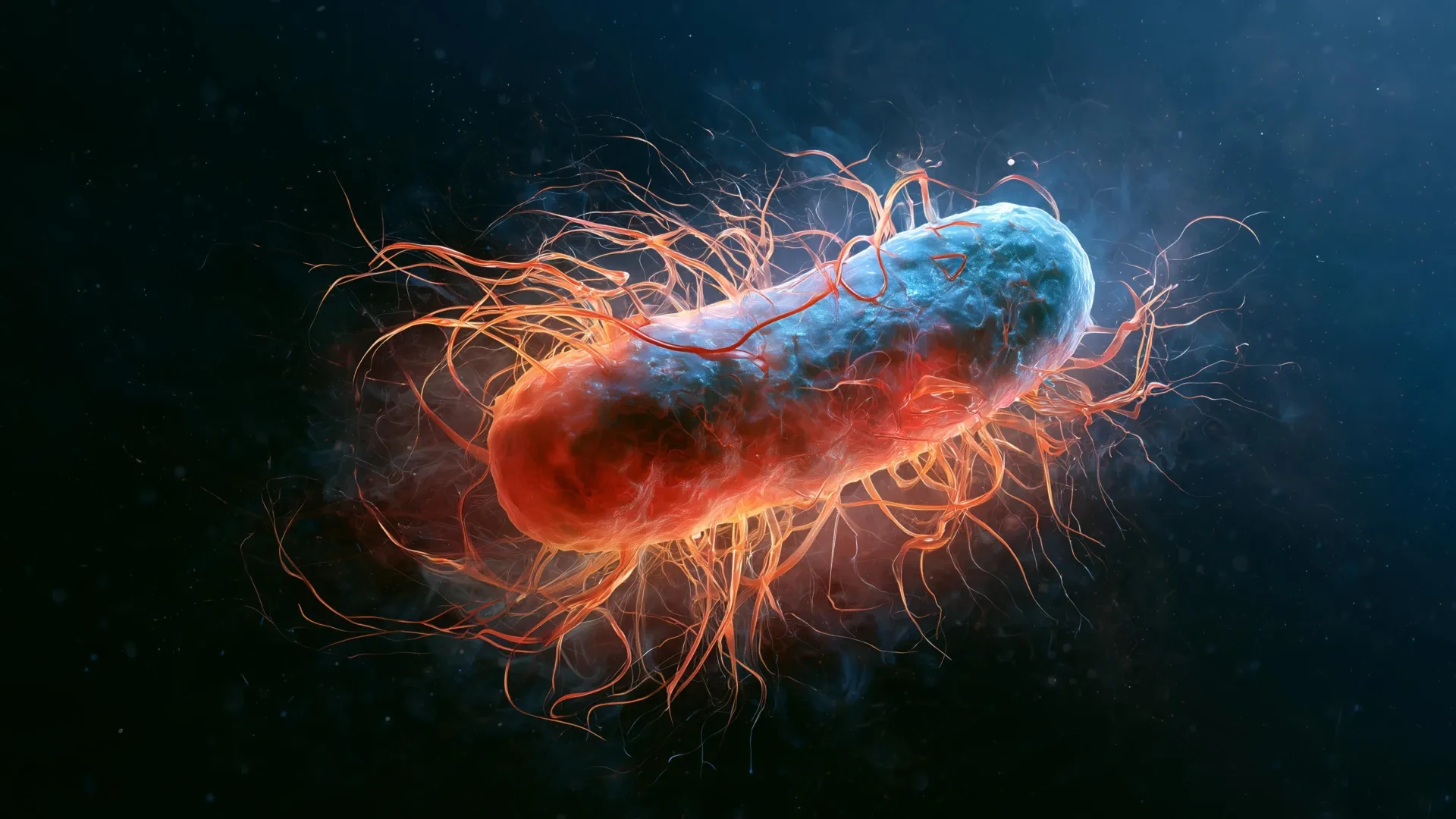
According to the findings, which have been officially published in the academic journal Free Radical Biology and Medicine, the primary driver behind this lifespan extension is the bacteria’s ability to suppress a specific and damaging form of cell death known as ferroptosis. This mechanism not only sheds light on novel anti-aging pathways but also opens up intriguing possibilities for the future application of magnetotactic bacteria in geriatric medicine and related biomedical fields.
Magnetic Bacteria and Healthy Aging
As living organisms age, they experience a progressive, gradual reduction in normal physiological functions, accompanied by a sharply elevated risk for developing a wide array of chronic diseases. For decades, the global scientific community has explored various pharmaceutical drugs and complex genetic manipulations as potential anti-aging strategies. While some of these interventions have shown promise in laboratory settings, significant questions regarding their overall safety, systemic toxicity, and practical clinical translation into human medicine remain unresolved.
Magnetotactic bacteria, or MTB, represent a profoundly different and innovative approach to tackling the biological challenges of aging. These remarkable microorganisms possess unique, specialized intracellular structures called magnetosomes, which allow them to navigate along geomagnetic fields. Beyond their fascinating natural behaviors, these bacteria have demonstrated exceptional biocompatibility in previous scientific evaluations. Consequently, they have already captured the attention of researchers for various prospective biomedical applications, including targeted drug delivery systems and advanced cancer treatment methodologies. However, despite their versatility and promise in other areas of nanomedicine and biotechnology, their potential influence on the fundamental aging process itself had received remarkably little study prior to this investigation.
To address this notable gap in scientific knowledge, Professor Xu and his research team decided to test the MTB strain AMB-1 using Caenorhabditis elegans, a tiny nematode worm that serves as a cornerstone model organism in contemporary aging research. Because C. elegans shares many fundamental biological pathways with more complex animals, including humans, and boasts a remarkably short lifespan, it provides an ideal platform for screening compounds and interventions designed to promote longevity and healthspan.
Lifespan Increased by More Than 43%
The results of the experimental treatments were pronounced. Worms that were administered the AMB-1 strain lived substantially longer than their untreated counterparts, marking a dramatic shift in their physiological longevity. Specifically, the average lifespan of the treated nematodes increased by an impressive 43.39 percent.
Beyond merely extending the total duration of life, the bacterial treatment also conferred significant healthspan benefits. As the worms aged, the AMB-1 intervention helped preserve vital physiological capacities, notably safeguarding neurological function and maintaining the structural integrity of the intestinal tract in older nematodes. This distinction between lifespan and healthspan is crucial in aging research, as the ultimate goal of geriatric interventions is to extend the period of life spent in good health, free from severe functional decline.
To understand the mechanics of this phenomenon, the research team sought to determine whether the production of magnetosomes—the defining characteristic of magnetotactic bacteria—played a critical role in the observed longevity effects. Through a series of comparative evaluations, the scientists discovered that the bacteria’s intrinsic ability to produce magnetosomes was indeed a major driving force behind the lifespan extension.
When testing different variations of the bacterial strain, the researchers observed clear performance differences. The wild-type AMB-1 strain, which possesses full magnetosome-producing capabilities, generated a significantly stronger longevity effect in the worms. In contrast, a reversibly non-magnetotactic strain known as RNM-AMB-1 showed reduced efficacy, while a completely non-magnetotactic strain designated as NM-AMB-1 failed to extend the lifespan of the nematodes altogether. This clear gradation of results highlighted the biological importance of the magnetosomes themselves in mediating the anti-aging benefits observed during the study.
Blocking an Aging-Linked Form of Cell Death
To dig deeper into the precise biological mechanisms at play, the research team conducted further biochemical and genetic experiments. These subsequent analyses offered critical clues regarding how AMB-1 exerts its protective and life-extending effects within the living organism.
The data revealed that administration of the bacteria led to a notable reduction in iron accumulation within the worms. Concurrently, it lowered lipid peroxidation—a destructive chemical process where free radicals steal electrons from the lipids in cell membranes, causing significant cell damage. By mitigating these two interrelated issues, the bacteria successfully suppressed aging-related ferroptosis in the nematode model.
Ferroptosis is a distinct form of regulated cell death that is fundamentally characterized by the iron-dependent accumulation of lethal lipid peroxides. In recent years, ferroptosis has been increasingly recognized as a key contributor to various pathological conditions and the broader cellular deterioration associated with biological aging.
To confirm the involvement of this cellular pathway, the researchers performed detailed genetic analyses. These investigations demonstrated that several specific ferroptosis-related pathways and genes were directly involved in the AMB-1-mediated regulation of lifespan. Among the key genetic markers identified by the team were ftn-1, bli-3, and ads-1, which played instrumental roles in the protective response orchestrated by the bacteria.
According to the research team, these collective findings establish a brand-new microbial strategy for anti-aging intervention. By demonstrating that specialized bacteria can target and suppress ferroptosis to promote longevity, the study provides a vital foundation of empirical evidence. This groundwork could eventually support the broader and more adventurous use of magnetotactic bacteria in the field of geriatric medicine, pointing toward a future where microbial tools might help address the complex challenges of human aging.