
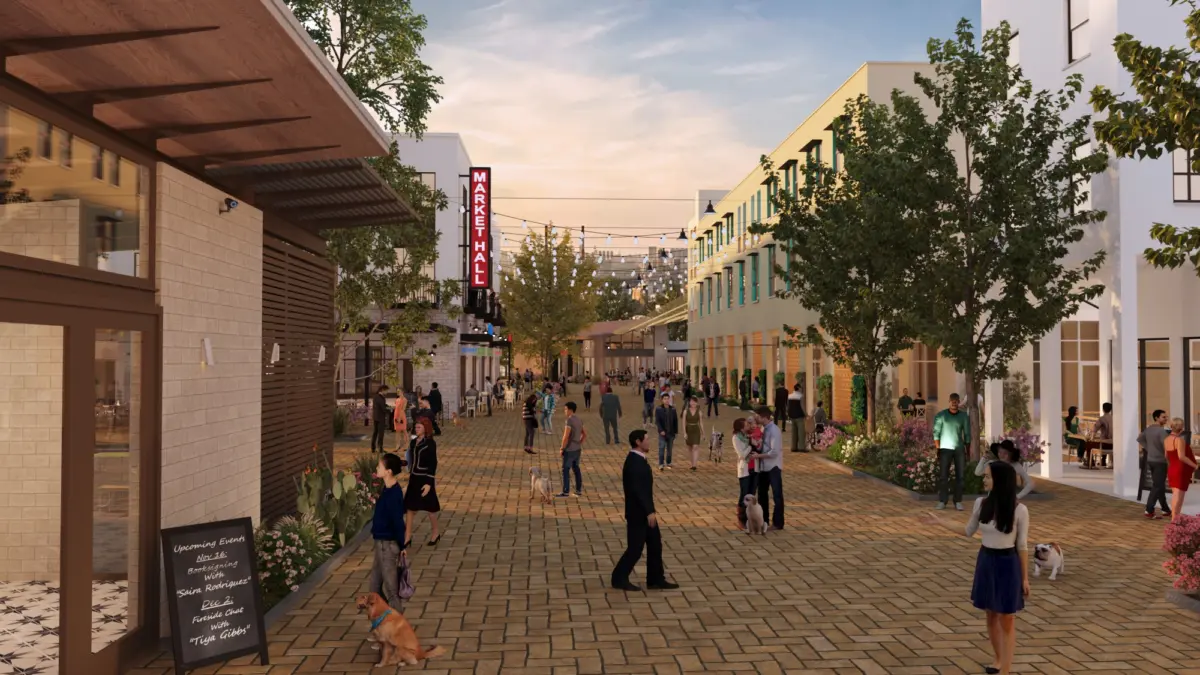
Over the years, lifestyle and personal finance commentators have explored numerous facets of better living, spanning budgeting strategies, health, fitness, and the psychology of happiness. Yet, a single, highly synergistic domain exists where all these elements intersect with profound efficacy: the foundational design of our cities and communities.
Advocates for sustainable living argue that if society could enact one overarching transformation, it should be the immediate shift toward building human-centric cities and neighborhoods rather than prioritizing automobiles. This design philosophy involves redesigning existing urban centers and structuring new developments around person-friendly living. The potential benefits extend far beyond minor reductions in pollution, traffic congestion, or vehicle collisions. Instead, the focus is on creating richer, healthier, and more dynamic environments for residents.
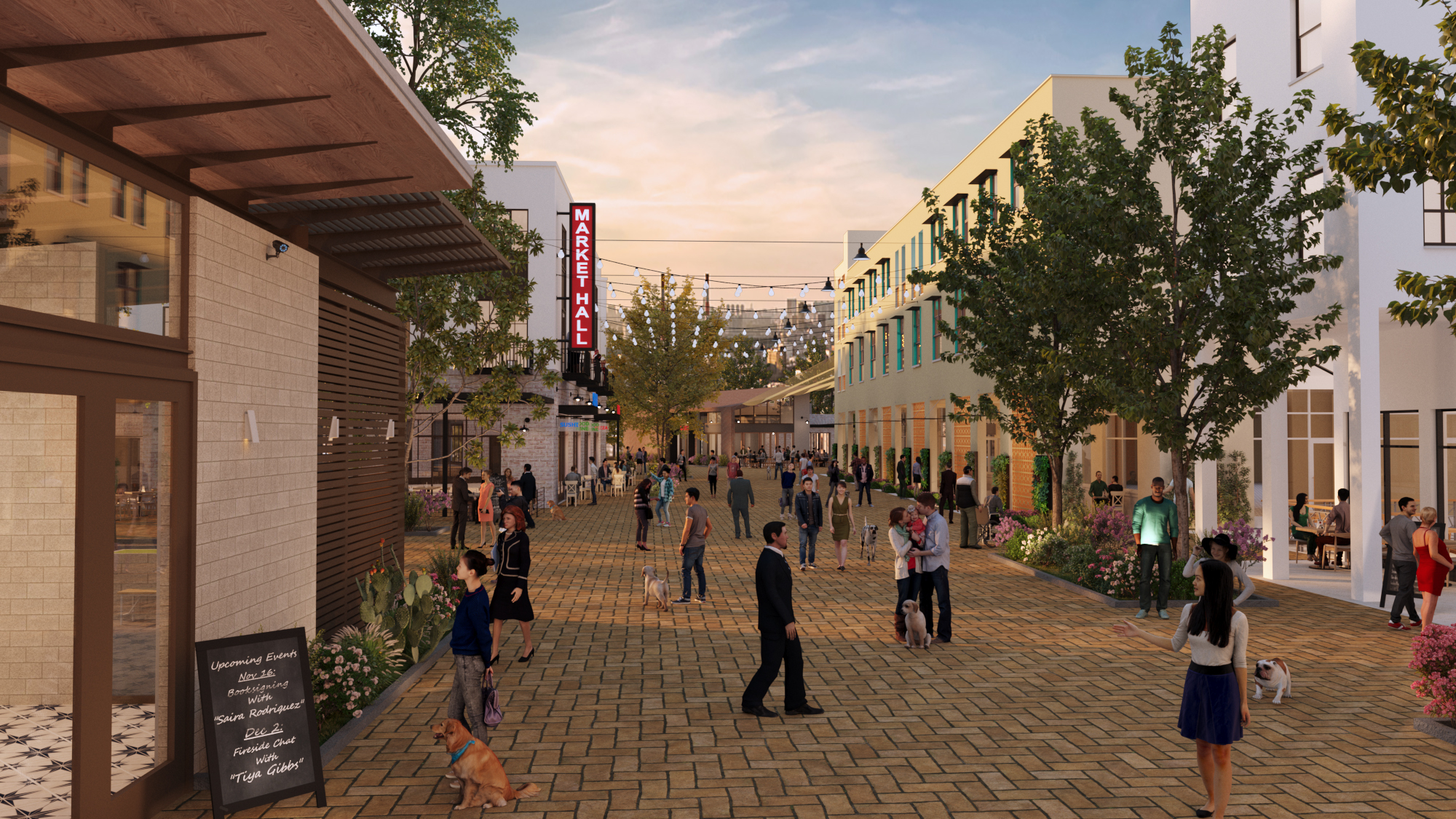
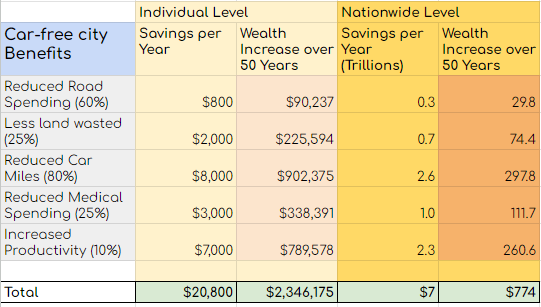
Conservative estimates suggest that shifting away from car dependency could yield a life quality and financial boost exceeding $20,000 per person annually, compounding into millions of dollars over an adult lifetime. On a national scale, supporters project that such a change could increase the wealth of the United States by approximately seven trillion dollars per year, compounding significantly over the coming decades.
Proponents of this urban shift argue that human-centric design yields multifaceted dividends. Residences can become more affordable, spacious, and visually appealing, while residents experience improved physical and mental well-being with reduced healthcare expenditures. Furthermore, public and private financial accounts would benefit from decreased transportation expenses and lowered infrastructure maintenance costs, potentially fueling an economic prosperity boom.
Challenging the Status Quo of Urban Planning
Traditionally, city planning has been viewed as a bureaucratic background function managed by local councils focused on maintaining the status quo and preventing disruptions. These committees are often influenced by established institutions and conventional neighborhood feedback loops that resist large-scale alterations.
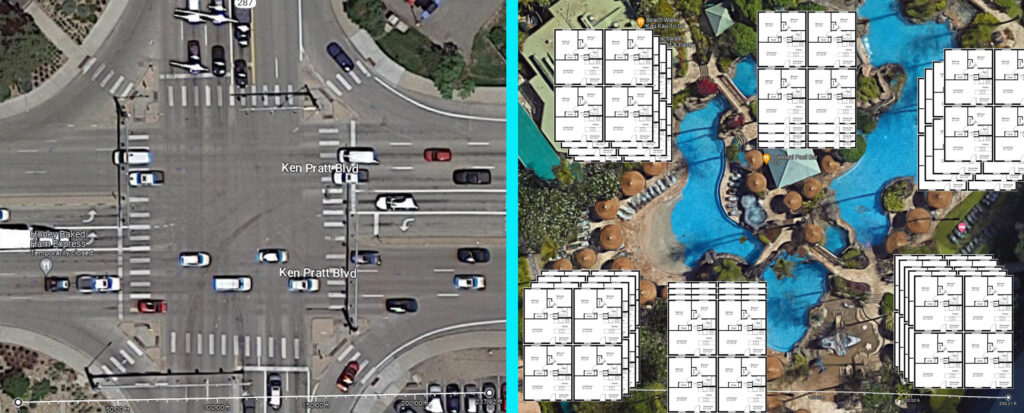
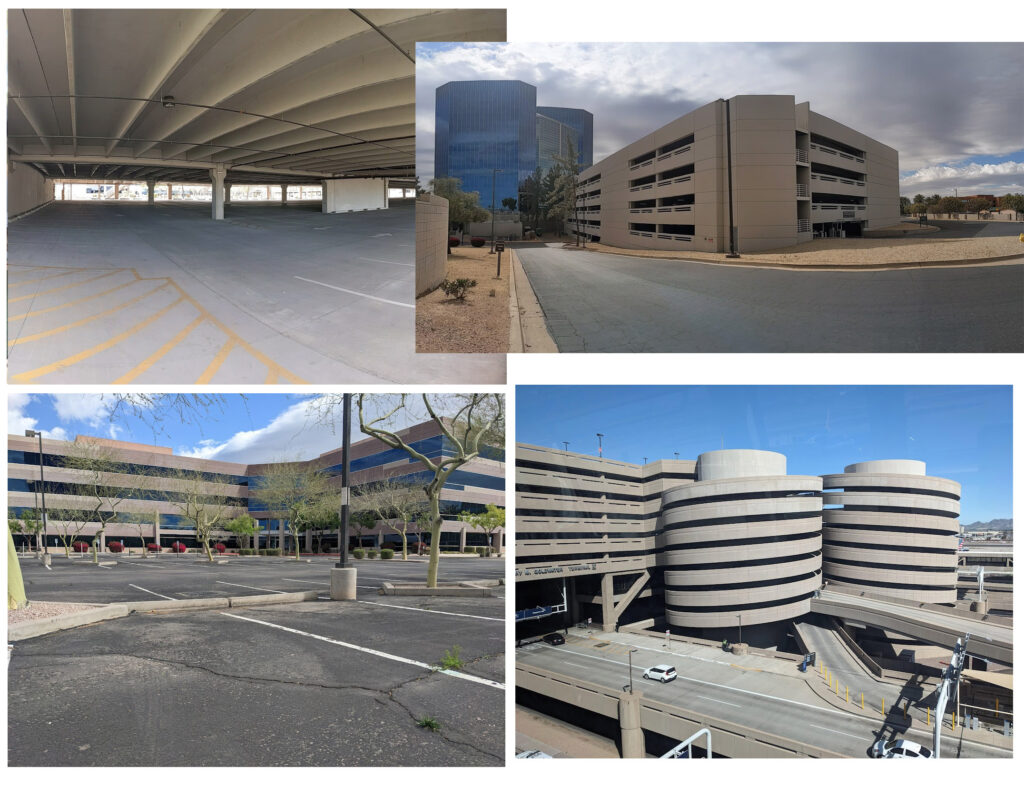
However, urban critics contend that these perspectives overlook the vast amount of physical space currently dedicated to motor vehicles. Spatial analyses demonstrate that traditional urban layouts allocate a disproportionate amount of land to parking spaces, wide multi-lane intersections, and expansive roadways. For instance, standard urban intersections frequently consume acres of land that could otherwise support dense, multi-use residential housing, community green spaces, and local commerce.
The widespread integration of automobile infrastructure has historically forced cities to spread residential, commercial, and recreational zones far apart. This spatial dispersion makes walking and cycling impractical for many residents, reinforcing the perceived necessity of car ownership.
Addressing Pushback and Mobility Alternatives
When radical changes to urban design are proposed, common objections frequently center on the perceived inconvenience to drivers accustomed to high levels of vehicle usage. Critics of car-centric planning argue that these concerns misunderstand the core objective: reducing the massive spatial footprint allocated to cars naturally diminishes the necessity for constant long-distance driving.
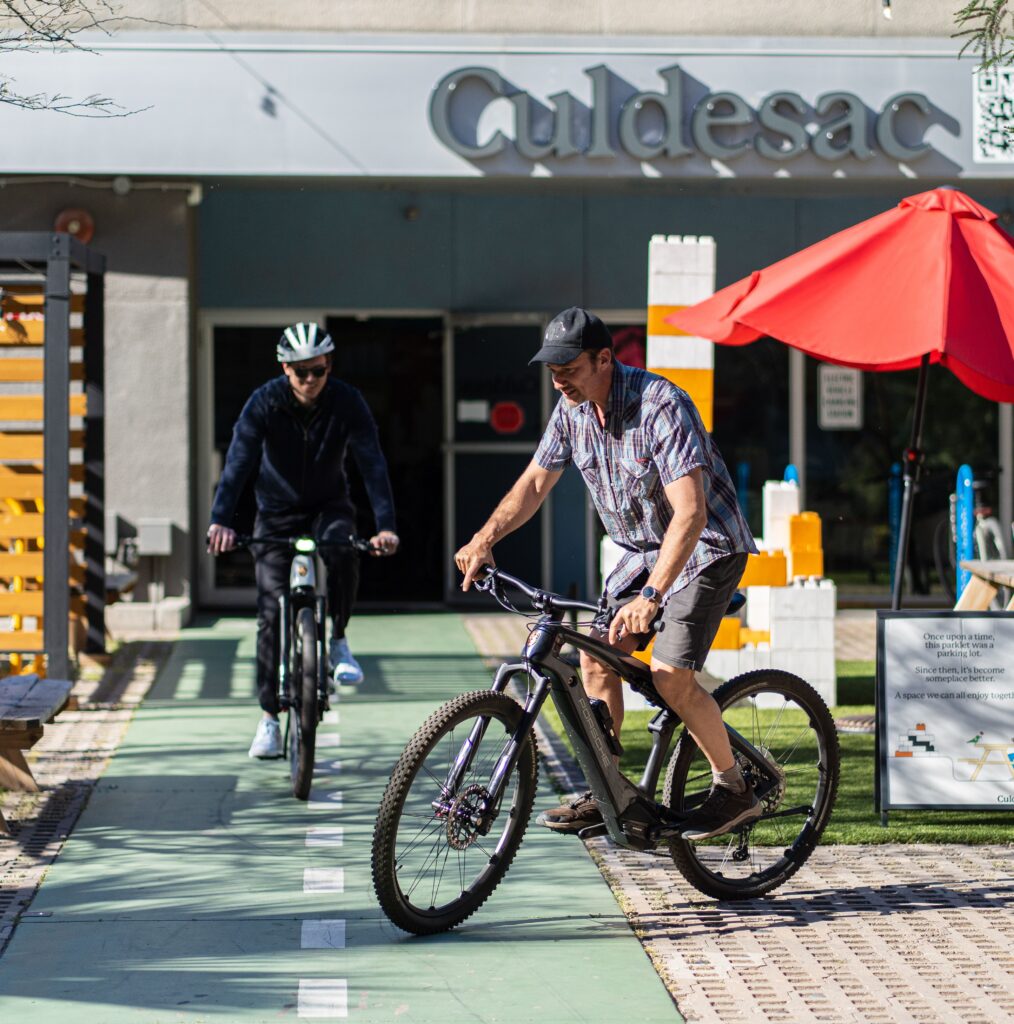
By integrating daily amenities—such as grocery stores, offices, and recreational facilities—directly into residential neighborhoods, daily travel distances decrease substantially. While essential roadways would remain for deliveries, emergency services, and mobility-impaired residents, internal neighborhood spaces can be dedicated entirely to pedestrians and micro-mobility options.
Public transit and active transportation play vital roles in this vision. While traditional public transportation systems often involve waiting and scheduling friction, active transit methods such as bicycles and electric bicycles offer high efficiency for short-to-medium urban trips. When urban land is reclaimed from car infrastructure, non-motorized and micro-mobility transit becomes significantly faster, more cost-effective, and more engaging than sitting in traffic congestion. Light rail systems, high-frequency bus networks, and shared electric vehicle fleets can then handle regional travel beyond walking and cycling ranges.
Real-World Implementation: Culdesac Tempe
While municipal policy changes often face significant bureaucratic delays and public resistance at the local level, private developers have begun making tangible progress. A notable example is Culdesac Tempe, a 17-acre, car-free neighborhood designed to accommodate approximately 1,000 residents in Arizona.
The project represents a pioneering effort in American real estate development, featuring residential apartments alongside integrated retail spaces, restaurants, and community plazas. Rather than allocating vast tracts of land to surface parking lots, the development utilizes space for pedestrian walkways, landscaped courtyards, and community amenities.
Located within the Phoenix metropolitan area, the neighborhood is situated near university facilities and direct light rail transit connections, allowing residents to navigate the broader region without relying on personal automobiles. Residents have access to shared electric vehicle fleets, on-site electric bicycle sharing programs, and transit passes bundled with residency.
The success and visibility of pilot projects like Culdesac Tempe have sparked broader discussions among urban planners, real estate developers, and municipal leaders regarding the viability of large-scale, car-free developments across other growing metropolitan regions. Advocates emphasize that supporting similar initiatives through progressive zoning reforms and community advocacy represents a critical step toward realizing the economic and social benefits of human-centric urban design.