

For more than a decade, the global financial system operated under a predictable, near-zero interest rate paradigm. That era has officially come to an end. Following a prolonged period of unprecedented monetary policy stability, central banks have aggressively pushed interest rates to twenty-year highs. This dramatic shift has triggered widespread conversations across the financial sector, leaving consumers, investors, and homebuyers asking a fundamental question: Beyond the daily updates on market volatility, what do these soaring rates actually mean for personal financial strategy?
To understand how the economic landscape arrived at this juncture, it helps to look at the mechanisms driving monetary policy. Interest rates function essentially as a giant gas pedal for the broader economy. For the better part of two decades, the Federal Reserve kept that pedal firmly depressed, injecting a steady stream of low-cost capital into the financial system. This prolonged environment of cheap money made mortgages exceptionally affordable, fueling a massive wave of demand for both existing homes and new residential construction.

At the same time, businesses and venture capitalists capitalized on inexpensive borrowing costs to launch new enterprises, construct facilities, and scale operations. This widespread corporate expansion created millions of jobs, which in turn generated consumer demand for vehicles, real estate, technology, and other staples of modern economic life. For nearly twenty years, this monetary strategy supported robust economic growth, innovation, and general prosperity.
Eventually, however, the extended period of low-cost capital pushed the economy past its optimal equilibrium, resulting in an excess of circulating money chasing a limited supply of goods and services—most notably housing. This imbalance sparked a sharp acceleration in inflation, prompting the Federal Reserve to alter course and ease up on the monetary gas pedal.
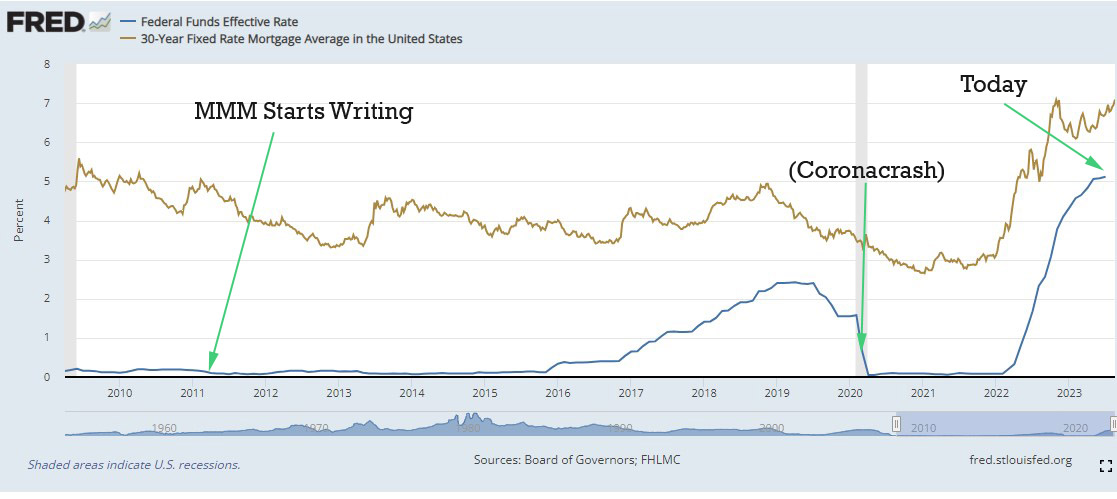
When central banks rapidly increase interest rates, the cascading effects touch nearly every corner of the economy. Borrowing costs rise swiftly, cooling activity across multiple sectors. Mortgages become significantly more expensive, causing many prospective buyers to delay their purchasing plans. Similarly, corporations face higher expenses when securing capital for expansion, leading to scaled-back construction plans and reduced hiring initiatives. High-profile corporate restructuring and workforce reductions across major technology firms underscore this broader cooling trend. Furthermore, the rapid policy shift exposed vulnerabilities within the banking sector, culminating in mid-sized bank failures that heightened anxiety regarding systemic financial stability.
Public discourse surrounding these developments often leans heavily into polarized political narratives, with various factions characterizing the current economic environment as distressed or misguided. Yet, these pessimistic assessments frequently conflict with broader macroeconomic indicators. Despite tighter monetary policy, national unemployment rates have hovered near historic lows, and the underlying performance of the broader economy remains resilient.

From a historical perspective, the current economic adjustment resembles a necessary cooling period following a prolonged expansion. Economies periodically require intervals of consolidation to absorb prior growth, making the recent policy tightening a standard feature of long-term economic cycles rather than an unprecedented crisis.
Evaluating Investment Strategies in a High-Rate Environment
Given the shifts in monetary policy, investors frequently question whether they should reallocate assets away from the stock market to avoid potential downturns. Historically, market corrections and periods of stagnant growth are normal occurrences along an upward trajectory. Because attempting to time market fluctuations is notoriously difficult, maintaining a consistent, long-term investment approach remains a cornerstone of sound financial planning.

The broader U.S. stock market experienced a contraction from its previous peaks, trading roughly flat over a multi-year span and offering investors an effective discount on broad-market index funds. From a long-term perspective, lower asset prices enhance the purchasing power of regular contributions, aligning with historical patterns of market recovery and expansion.
Concurrently, the emergence of high-yield savings accounts and money market funds offering attractive returns near five percent has introduced a new dynamic for cash management. In an environment where safe, liquid accounts provide meaningful yields, investors must weigh the guaranteed short-term return of cash equivalents against the historical long-term growth potential of equities. While guaranteed yields offer stability, lower equity valuations present an alternative avenue for capital accumulation, prompting a balanced approach among experienced investors who maintain diverse allocations across both asset classes.

The Impact on Real Estate and the Housing Market
Perhaps the most visible and immediate impact of higher interest rates is observed in the housing market. The transition from historical mortgage rates near three percent to levels exceeding seven percent has fundamentally altered the economics of buying and selling residential real estate.
For the average buyer utilizing standard financing, the monthly cost of homeownership has risen dramatically. This affordability squeeze has created a dual-effect market: prospective buyers face significantly higher borrowing expenses, while existing homeowners with locked-in low mortgage rates have a strong incentive to remain in place, restricting housing inventory and dampening overall market transaction volume.
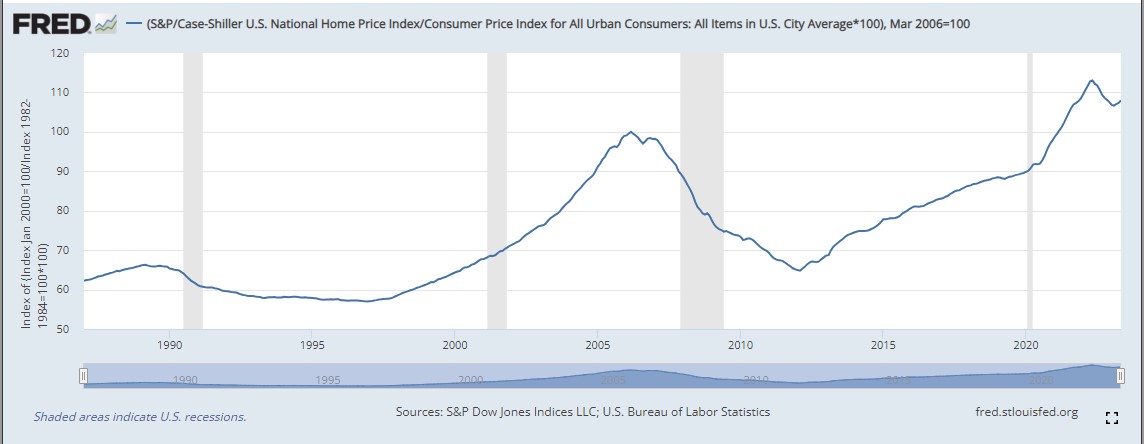
According to economic theory, the application of higher interest rates is specifically designed to cool overheated demand, reduce speculative real estate investing, and alleviate upward pressure on home prices. As financing costs constrain buyer purchasing power, price growth is expected to moderate, with potential price corrections occurring in specific regional markets where valuations became disconnected from local incomes.
Long-term housing affordability, however, is ultimately dictated by fundamental supply and demand dynamics, which are influenced by several structural factors:
Construction costs remain a critical determinant of housing supply. Over the long term, technological advancements, efficient manufacturing processes, and global trade typically reduce the cost of building materials and components, such as plumbing supplies and fixtures. These efficiency gains help offset rising labor expenses and streamline the construction timeline for new housing units.
Regulatory barriers and local zoning restrictions have increasingly contributed to supply constraints in many municipalities. Complex approval processes, onerous building codes, and community opposition to new development often limit the issuance of building permits, restricting inventory growth and exerting upward pressure on property values. Conversely, municipalities that encourage flexible zoning and transit-oriented residential development tend to foster more balanced, accessible housing markets.
While inflation-adjusted home prices have historically trended near record highs, shifting market conditions and elevated borrowing costs suggest that prices may experience sustained periods of modest correction or prolonged flatness. This stabilization allows wage growth to gradually catch up with historical price surges, improving overall affordability over time.
Outlook for Future Interest Rates and Economic Indicators
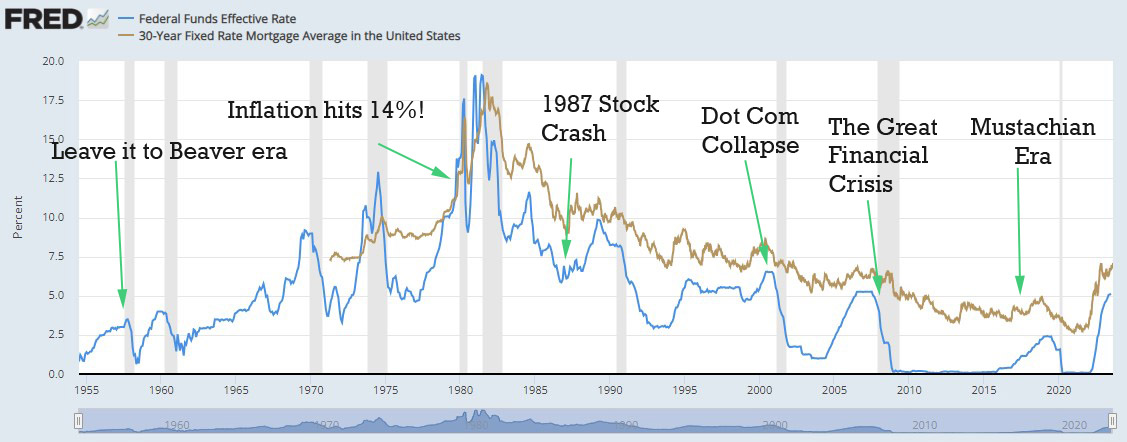
The current elevated interest rate environment is often perceived as historically abnormal, yet a broader examination of long-term economic data reveals that current rates align closely with historical averages. The prolonged period of near-zero rates observed over the previous decade represents an anomaly rather than a permanent baseline. Consequently, central banks may maintain current rate levels for an extended duration until structural inflation is fully contained.
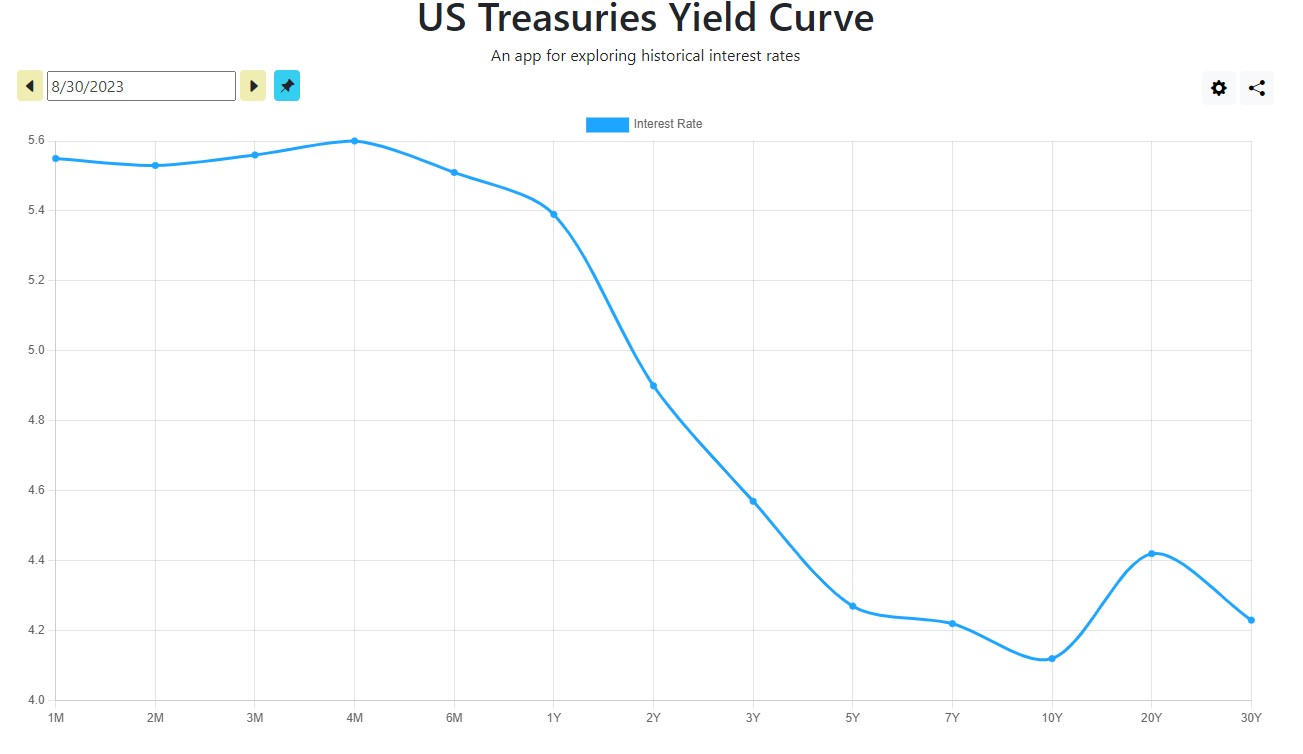
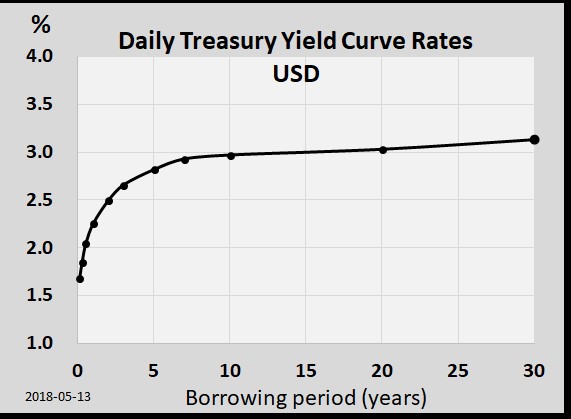
Future reductions in interest rates will likely depend on clear signals of economic moderation, including sustained lower inflation readings and rising employment metrics that indicate a cooling economy. Financial markets frequently attempt to anticipate these shifts through the behavior of the U.S. Treasury yield curve. An inverted yield curve—where short-term yields exceed long-term yields—historically reflects investor expectations of future rate cuts driven by an impending economic slowdown or recession. While forecasting exact macroeconomic timelines remains challenging, financial markets continue to monitor these structural indicators to gauge the trajectory of monetary policy over the medium term.
Ultimately, navigating a shifting financial landscape relies less on attempting to predict macroeconomic movements and more on maintaining disciplined personal financial habits. Prioritizing low-overhead living, maintaining manageable debt levels, and building robust cash savings provide a strong foundation of financial resilience. When individuals focus on prudent earnings, savings, and long-term planning, external economic volatility and fluctuations in interest rates become manageable variables rather than sources of stress.