
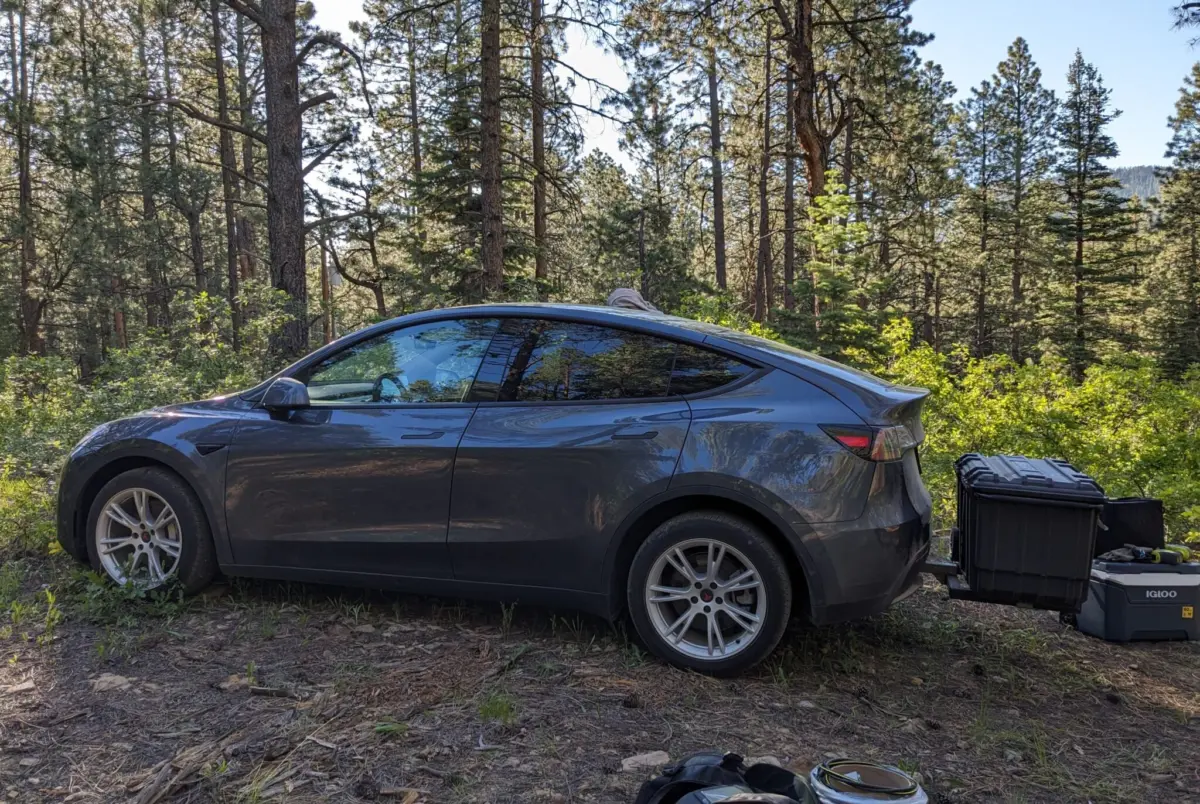
After nearly two decades of championing extreme frugality and waging a public war against modern car culture, Peter Adeney—better known to millions of readers as the financial blogger Mr. Money Mustache—has finally surrendered to the siren song of a brand-new luxury electric vehicle.
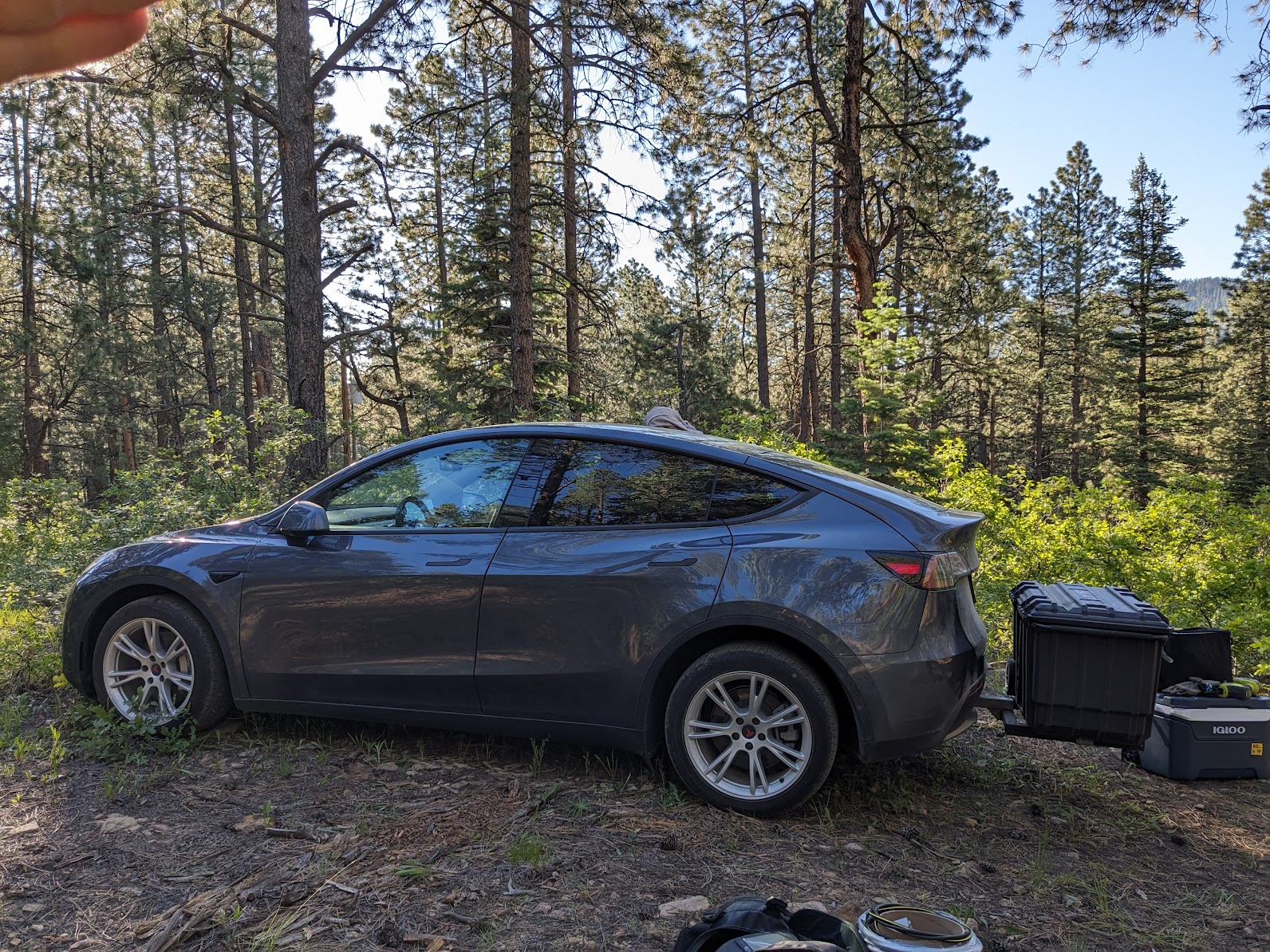
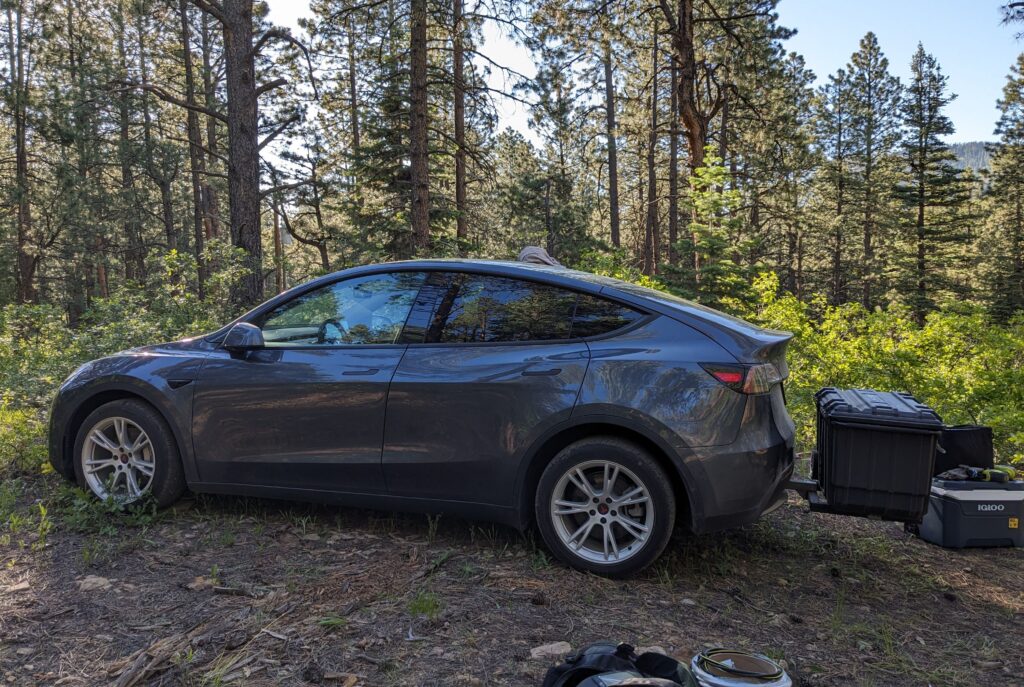
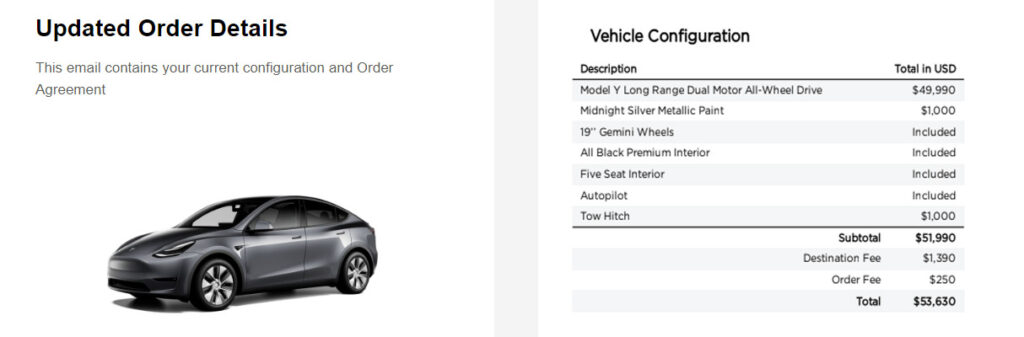
Adeney, who built his early retirement philosophy around radical efficiency, minimalism, and a deep-seated disdain for automotive excess, is currently navigating the acquisition of a 2023 Tesla Model Y. The high-performance crossover features all-wheel drive, lightning-fast acceleration, seating for seven, and enough computing hardware to rival a small data center. Following taxes and applicable tax credits, the net cost of the vehicle lands at approximately $52,000.
The price tag represents a stark departure from Adeney’s previous vehicular companion: a classic Honda minivan purchased off Craigslist for $4,500 twelve years prior. That venerable vehicle, affectionately known as "Vanna," dutifully transported him across mountains and deserts while assisting in neighborhood home renovations before suffering a final transmission failure on a Colorado mountain pass.
For someone famously recognized for hating car culture and arguing that most people utilize vehicles ten times more often than necessary while driving models they cannot afford, the purchase has naturally invited a heavy dose of self-mockery. Adeney acknowledges that fellow members of the frugal community might view the move as entirely out of character. Yet, he maintains that the foundational philosophy of financial discipline that secured his early retirement 18 years ago remains firmly intact, even if his approach to enjoying those accumulated savings is undergoing a fundamental evolution.
The Evolution of Frugality and the Trap of Scarcity
For four years, Adeney procrastinated on purchasing an expensive electric vehicle, resisting the encouragement of friends and internet followers who urged him to loosen his purse strings. The delay was rooted in a lifelong habit of optimization and hyper-efficiency, traits that served him exceptionally well during his accumulation years. However, he eventually confronted a timeless piece of wisdom: what gets you to a certain stage in life will not necessarily get you to where you are going next.
A recent trip to a standard grocery store crystallized this internal conflict. Faced with a loaf of specialized bread priced at $6.99—nearly double what he typically paid at wholesale clubs—Adeney experienced an immediate mental tug-of-war. He cycled through frustration, considered boycotting the item, and debated alternatives before arriving at the obvious realization that agonizing over a couple of dollars made little sense for someone with a secure financial foundation.
Discussing the incident with a wealthy friend who had similarly endured a lifetime of disciplined saving, Adeney realized they shared the exact same psychological barrier. Despite possessing net worths well into comfortable territory, both men found themselves engaging in mental gymnastics over minor splurges, whether it was hesitating to take an airport rideshare or wincing at restaurant wine prices. This shared realization sparked a serious examination of how lifelong savers manage their money in retirement.
Rethinking Wealth Accumulation and Spending
The core dilemma facing many long-term retirees centers on the disparity between their actual wealth and their rigid spending habits. Through standard financial planning metrics, an individual with a multi-million-dollar portfolio and a paid-off home can safely withdraw tens of thousands of dollars annually without depleting their principal. Yet, many disciplined savers continue to restrict their annual expenditures to modest figures well below their safe withdrawal rates, allowing their investment accounts to swell indefinitely while keeping their personal enjoyment budgets starved.
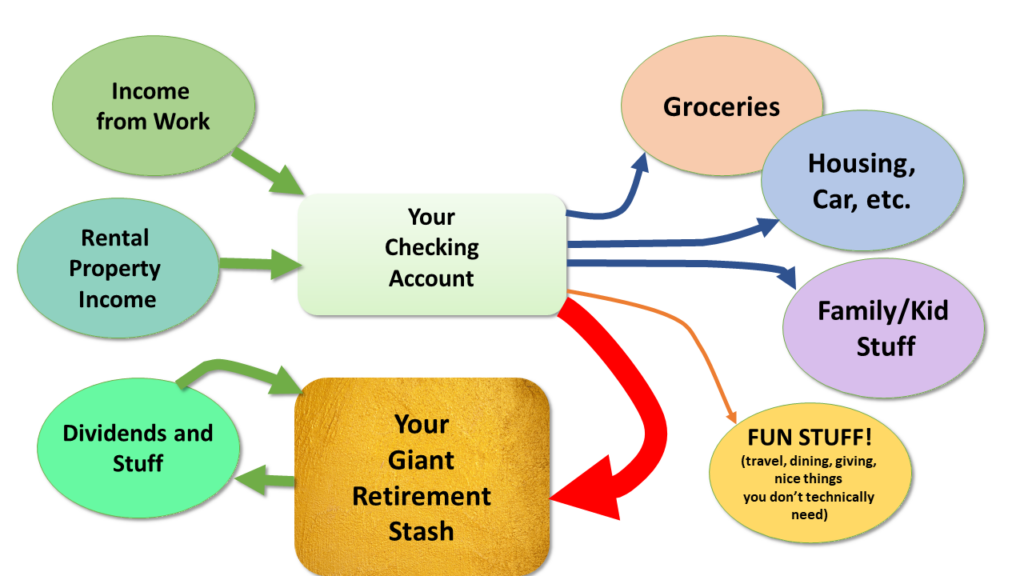
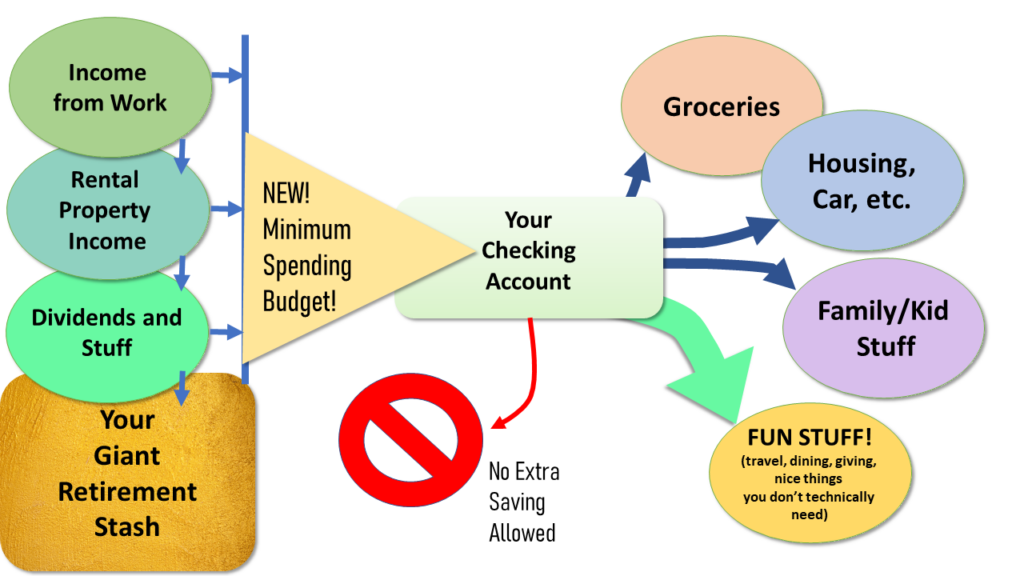
To combat this entrenched scarcity mindset, Adeney and his peers identified several conceptual shifts designed to encourage a healthier relationship with money. The first principle involves establishing a realistic minimum spending budget that reflects actual portfolio strength rather than historical frugality. By recognizing the safety margins provided by the four percent rule alongside side incomes and potential inheritances, retirees can identify a baseline of funds intended explicitly for quality-of-life improvements.
The second strategy involves shifting the psychological framing of discretionary funds. Just as corporate employees spend company funds on business trips without the anxiety of seeing personal bank balances drop, individuals can allocate a dedicated "splurge account" that simulates spending someone else’s money. This mental separation helps dismantle the guilt associated with enjoying the fruits of decades of labor.
Finally, the concept of a splurge accountability buddy offers a social remedy to hyper-thriftiness. Surrounding oneself with peers who actively challenge excessive frugality helps normalize spending on comfort, travel, and modern conveniences. Fellow financial blogger Carl, known as Mr. 1500 Days, recently underwent a similar transition by replacing his aging vehicle with a new Chevrolet Bolt electric car, illustrating a broader trend among early retirees stepping into modern technology.
Directing Funds Toward Meaningful Improvements
Adeney’s transition to a Tesla Model Y is not merely an indulgence in luxury, but a targeted solution to a specific source of daily friction. A recent life change—becoming co-owner of a fixer-upper vacation rental compound in Salida, Colorado—rekindled his passion for long-distance travel, mountain biking, and group gatherings. His previous vehicles, while functional, presented reliability concerns that caused him to hesitate before embarking on extended road trips.

In evaluating effective spending, Adeney emphasizes the importance of targeting genuine pain points rather than simply upgrading things that already function well or throwing money at every minor inconvenience. While hiring out every household chore can deprive an individual of the satisfaction of overcoming physical challenges, eliminating recurring sources of anxiety—such as an unreliable vehicle that threatens travel plans—yields a tangible net increase in life satisfaction.
The financial impact of the new vehicle is projected to add roughly $10,000 per year in operating and depreciation costs compared to his old van. Given that his previous spending deficit comfortably accommodated that figure multiple times over, the purchase serves as a calculated step toward balancing a lifetime of intense accumulation with present-day enjoyment.

As for the departure of his long-serving Honda van, the vehicle was ultimately recycled through an online car salvage service called Peddle, which hauled the vehicle away in exchange for cash. True to the spirit of the experiment, Adeney directed those specific funds toward celebratory dinners out.
With the new electric crossover now integrated into his daily routine, Adeney is launching a dedicated tracking page titled "The Model Y Experiment" to document his long-term ownership findings, maintenance experiences, and vehicle modifications. Ultimately, the transition marks a deliberate effort to embrace a balanced philosophy: remaining a responsible steward of life savings and a generous contributor to charitable causes, while finally granting oneself permission to enjoy the journey.