
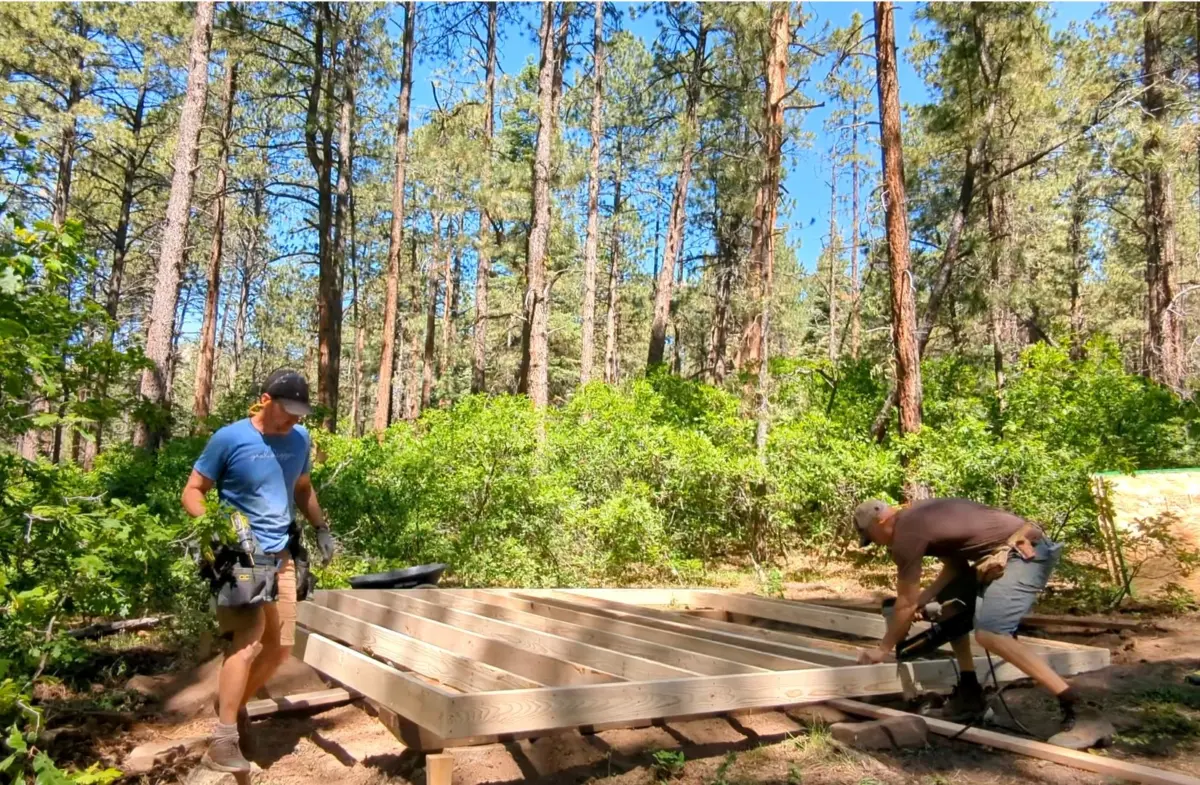
It often starts with a casual click on a podcast link, leading down a rabbit hole that challenges long-held beliefs about modern living. Recently, a deep dive into an episode of the Peter Attia podcast featuring author Michael Easter brought to the forefront a concept that has resonated for over a decade within the "Mustachian" financial independence community: the unintended dangers of relentless physical and psychological comfort.
While nightly news broadcasts and cultural commentary are constantly saturated with reports concerning nationwide personal debt, mounting healthcare crises, and the general strain of modern existence, a different reality often goes unnoticed. For many people living in affluent societies, the primary underlying challenge is not a lack of resources, but rather an overwhelming overindulgence in convenience and ease. The fundamental problem lies in failing to recognize this hyper-comfortable lifestyle and the silent damage it inflicts on physical and mental well-being.
This realization prompted a deeper exploration of Easter’s book, The Comfort Crisis, a work that examines the tension between modern luxury and ancient human biology. Easter, a former writer for Men’s Health magazine, brings a unique perspective to this struggle. Having overcome a severe personal and generational battle with alcohol addiction, he possesses a profound understanding of the human tendency to seek hollow comforts. That personal history grounds his broader cultural critique of how humanity has engineered hardship out of daily life, often to our own detriment.
The Science of Scanning for Problems
At its core, The Comfort Crisis employs a compelling narrative structure, interweaving the account of an exceptionally grueling caribou hunting expedition in the remote wilderness of Alaska with relevant insights from science, psychology, and cultural commentary. This dual narrative helps translate extreme endurance into digestible lessons for everyday life.
Consider the phenomenon of suburban neighborhood disputes, where residents become deeply fixated on minor infractions like tall lawn weeds or skateboarders. Science offers a clear explanation for this behavior, pointing to a fundamental human tendency: the innate drive to constantly scan the environment for threats, regardless of how safe and secure that environment actually is.
Research cited in the book demonstrates that when human beings are placed in environments that gradually become safer, they do not simply relax and enjoy the security. Instead, because their brains are wired to look for danger, they begin searching for a wider range of potential problems. As daily struggles diminish, human beings do not become more satisfied; rather, they lower their threshold for what constitutes a problem.
This psychological quirk explains why modern populations often invent trivial complaints and why political landscapes become saturated with manufactured wedge issues designed to provoke petty arguments. In contrast, resilience is forged through exposure to genuine challenge. Interviews conducted in active conflict zones, such as Ukraine, often reveal that residents living under severe duress report feeling secure in surprisingly similar proportions to citizens in peaceful Western cities.
A parallel dynamic appears in generational wealth accumulation. First-generation immigrants, having adapted to harsher and less comfortable environments abroad, often display higher levels of financial discipline and resilience. Their descendants, raised in the relative ease and prosperity of the United States, frequently succumb to complacency, illustrating how adaptation to comfort shapes both economic behavior and personal drive.
Reconnecting with Nature and Physical Exertion
Beyond the trap of manufactured worry, modern life has largely divorced human biology from the natural world and physical exertion. The book highlights the profound physiological and psychological benefits of spending time in natural environments, contrasting them with the grinding monotony of fluorescent-lit cubicles and car-dependent commutes.
Human biology responds powerfully to natural elements. Scientific observations show that even placing a single houseplant in a hospital room can measurably accelerate patient recovery. Scaling that up to an entire forest environment introduces a restorative stimulus that no indoor pharmaceutical substitute can fully replicate.
Similarly, human beings display a deeply ingrained aversion to physical exertion. Data cited regarding everyday decision-making reveals that roughly two percent of people choose to take the stairs when an escalator is readily available as an alternative. This avoidance of movement carries a massive cost, given that regular physical activity—particularly heavy load-bearing and periodic bouts of intense exertion—dramatically reduces the probability and severity of numerous chronic diseases.
Despite clear scientific evidence supporting outdoor exposure, physical movement, minimal processed food consumption, and reduced sedentary time, modern society continues to prioritize passive entertainment and medical intervention over foundational lifestyle adjustments. The core argument is not to discard modern medicine, but to recognize that embracing fundamental discomforts is often the most effective path toward restoring long-term health.

Real-World Application in the Mountains of Colorado
The principles outlined in The Comfort Crisis found a practical testing ground during a solo expedition into the mountains of Southwestern Colorado. Packing a life’s worth of supplies, tools, and bedding into a vehicle to tackle construction projects—including a mini-resort property in Salida and a small cabin build in Durango—provided an immediate encounter with unexpected friction.
The journey began with severe weather, an accidental traffic infraction resulting in a fine and license points, and a flying pebble that instantly cracked the vehicle’s brand-new windshield. These minor inconveniences initially sparked stress and frustration, underscoring how accustomed modern life has become to seamless perfection. Even small deviations from routine felt disruptive to a comfort-addicted mindset.
Moving deeper into the high-desert forest outside Durango during peak summer brought further physical demands. Working under the scorching sun amid heavy tree pollen, managing limited water supplies without indoor plumbing, and sleeping alone in a converted vehicle required continuous adaptation. Yet, rather than inducing depression, this ongoing physical labor fostered a growing sense of resilience and capability.

A recreational side trip to the remote Lemon Reservoir further tested these ideas. Embarking on a paddleboard excursion into a stiff headwind with zero modern conveniences or communication devices initially felt intimidating. However, pushing past the initial discomfort revealed a profound sense of freedom. Navigating to a secluded shoreline covered in moss and wildflowers, and later floating passively on the open water under the vast sky, demonstrated the mental clarity that comes from stripping away material distractions and embracing physical challenge.
The trip concluded with a stark reminder regarding basic human drives. After days of strenuous labor and a sparse food supply, the return to a normal background hunger made a massive burrito at a local restaurant taste like the most extraordinary meal imaginable. It served as a visceral reminder that constant satiation and the total absence of hunger are neither natural nor optimal for human fulfillment.
Balancing Purposeful Hardship and Financial Independence
Discussions within the broader financial independence community frequently center around spending habits, balancing the discipline of saving with the necessity of enjoying life’s resources. While maintaining financial prudence remains essential, the lessons of The Comfort Crisis offer a vital perspective on the dangers of excessive ease.

Financial success should facilitate meaningful adventures, personal growth, and generosity rather than merely purchasing layers of unneeded convenience. The challenge lies in recognizing when spending serves to soften life to an unhealthy degree. By consciously choosing to invest in better tools for growth and adventure rather than softer chairs for passive comfort, individuals can preserve the natural resilience and vitality required for a truly fulfilling life.