
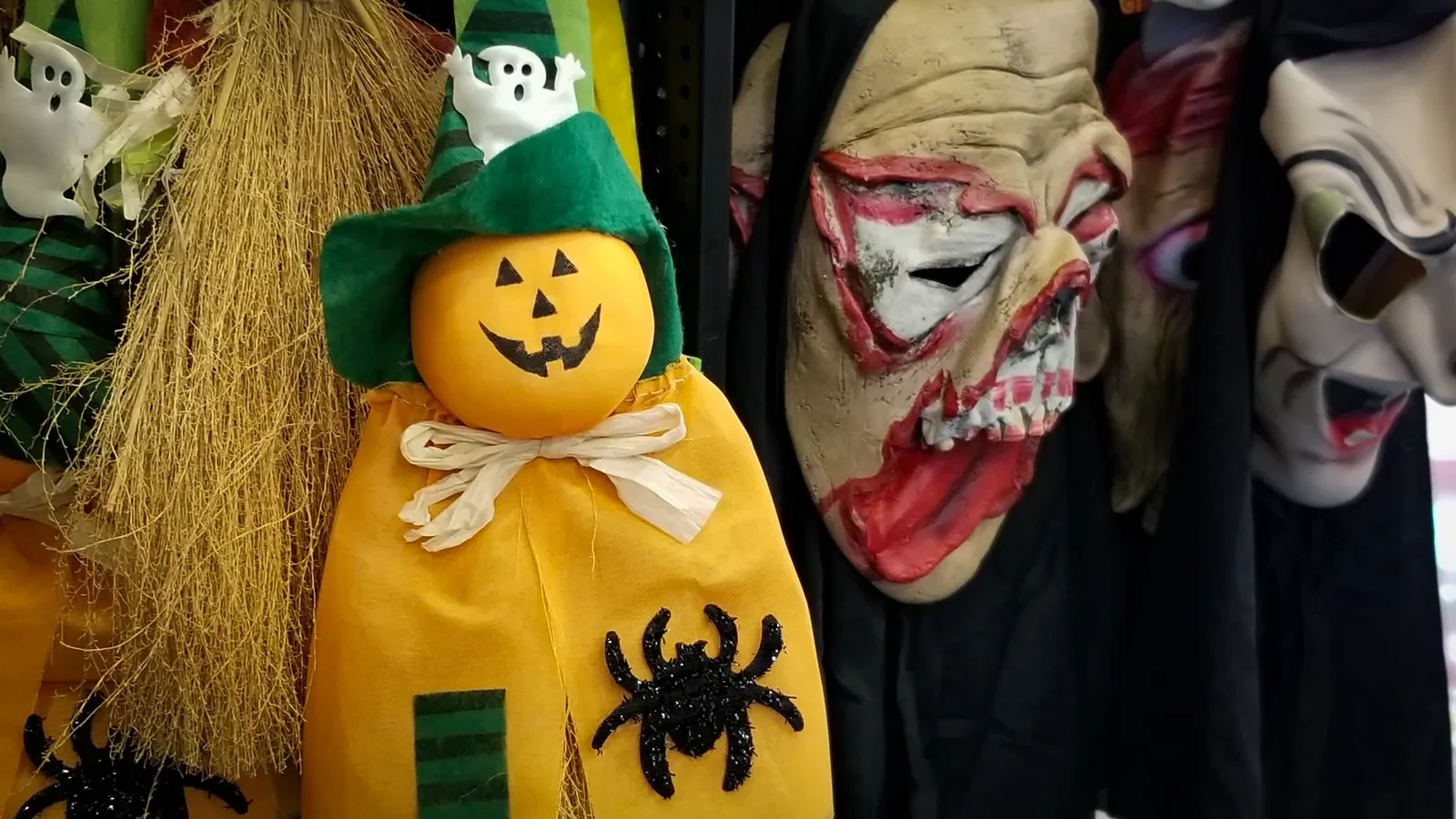
Nearly two-thirds of American shoppers are planning to skip certain purchases this festive season, cutting back on staple items like costumes and candy as financial pressures mount, according to a new LendingTree survey. The findings highlight a broader shift in consumer behavior as persistent inflation and economic uncertainty alter how families approach seasonal celebrations.
While the autumn holiday has traditionally been a resilient driver of seasonal retail activity, the current economic climate is forcing many households to reevaluate their discretionary spending. About a third of Halloween shoppers are cutting back specifically on decorations for the season, opting to reuse items from previous years or forgo them entirely to preserve tighter household budgets.
Though many consumers are visibly spooked about affording their holiday purchases, the survey reveals that financial strain is not distributed evenly across different demographic groups. Younger generations, in particular, appear to be feeling the pinch more acutely than their older counterparts, leading to stark differences in how various age brackets are funding their Halloween festivities.

Roughly four in ten, or 43%, of Generation Z consumers said they are likely to take on Halloween debt this year to cover the cost of costumes, candy, and parties. They are closely followed by millennials, 35% of whom reported a similar likelihood of borrowing to pay for seasonal expenses. By contrast, only 14% of Generation Xers and a mere 2% of baby boomers said they would take on debt for the holiday, underscoring a generational divide in risk tolerance and financial vulnerability.
The willingness to rely on credit for seasonal goods often leads to buyer’s remorse once the festivities conclude. Among those consumers who have previously taken on debt to fund their Halloween fun, 51% admitted that they ultimately regretted overspending. When asked why they exceeded their budgets, these respondents frequently cited the social pressure to keep up appearances and higher-than-anticipated retail prices as the top two reasons for their financial missteps.
Indeed, prices across the retail sector have continued to rise steadily in the months leading up to Halloween, impacting a wide variety of goods, including children’s toys and seasonal novelties. According to data from the U.S. Bureau of Labor Statistics’ Consumer Price Index, toy prices rose 4.2% between August and September alone. When compared to the same period a year ago, toy prices jumped an even more substantial 6.6%, per the index’s unadjusted figures, adding to the cumulative financial burden on families with children.
To combat these rising costs and stretch their holiday budgets as far as possible, many shoppers have taken proactive measures. Consumers have increasingly taken advantage of early promotional discounts and started their holiday shopping well ahead of schedule. This shift toward cautious planning reflects a widespread sense of economic insecurity among the American public.

Nearly half, or 45%, of respondents to an Ibotta survey indicated that their overall personal finances feel insecure, while more than 70% stated that their primary financial focus this year is on saving money rather than spending. This cautious mindset has fundamentally altered traditional shopping patterns, pushing consumers to seek out the best possible value for every dollar spent on seasonal goods.
Despite these widespread anxieties, consumer sentiment remains somewhat nuanced. While seven in 10 shoppers in a recent Deloitte survey reported that they can easily afford their planned Halloween purchases, roughly four in 10, or 42%, anticipate that the broader economy will deteriorate in the year ahead. This underlying apprehension about the future macro-environment has influenced where consumers choose to spend their money, steering them away from traditional specialty holiday boutiques and toward more budget-friendly retail channels.
The Deloitte survey of 1,500 U.S. shoppers found that more than half of consumers are buying their Halloween items at grocery stores, while 40% are shopping at discount stores to secure better deals for the holiday. These findings align closely with a separate survey conducted by the National Retail Federation, which found that nearly four in 10 consumers, or 39%, cited discount stores as their top destination for purchasing Halloween products.
As retailers navigate this shifting landscape, the focus on value, discounts, and practical spending underscores a cautious consumer base heading deeper into the autumn and winter shopping season. With economic uncertainties weighing on the minds of millions of households, the upcoming months will likely test the resilience of consumer spending across all major retail categories.