
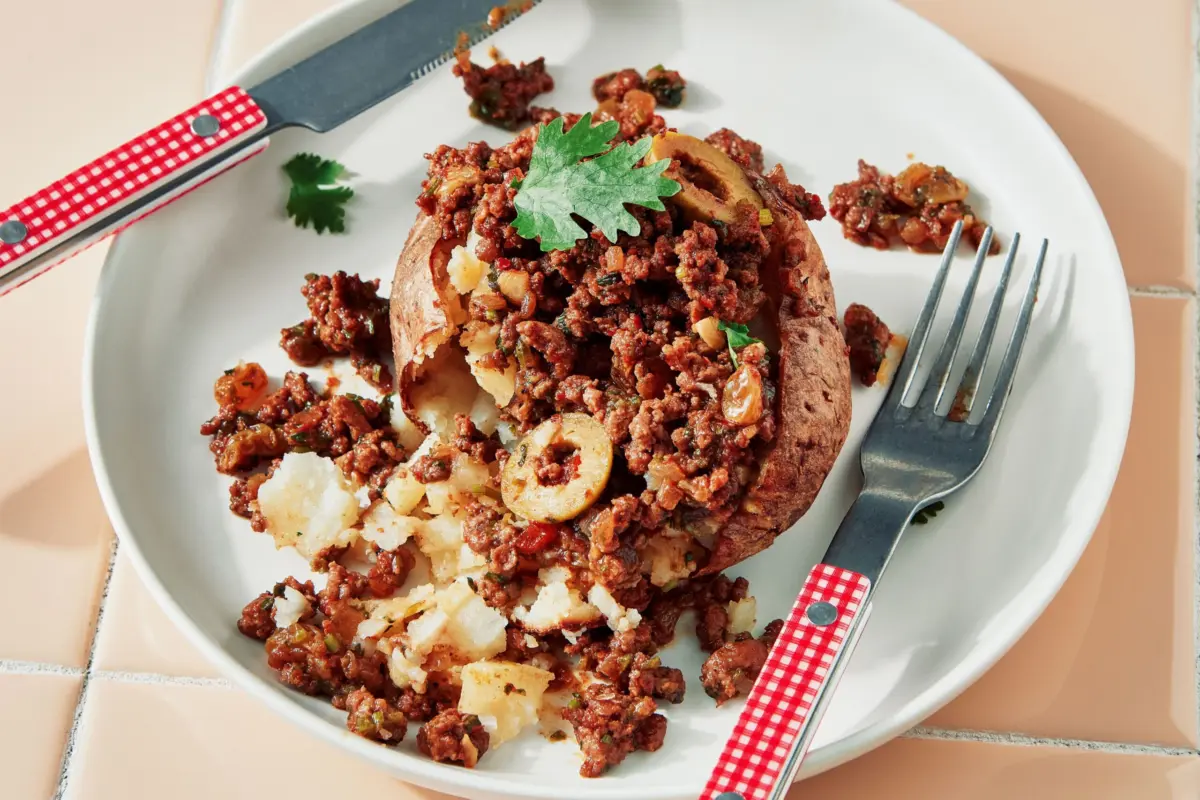
Achieving a truly crisp skin requires an entirely different approach, one that involves baking the tubers directly on the oven grate at a relatively high temperature. To elevate the exterior even further—giving it a savory, potato-chip-like quality—cooks are encouraged to thoroughly scrub russet potatoes, rub them generously with vegetable oil, and coat them with a heavy hand of salt before they ever touch the heat. Counterintuitively, baking unwrapped potatoes directly on the racks does nothing to compromise the fluffy, cloud-like interior that defines a great baked potato. According to culinary specialists, achieving that ideal, light interior comes down to science: the internal temperature of the potato must reach at least 212 degrees Fahrenheit. While taking the temperature of a baking potato with a meat thermometer may initially feel unconventional or overly meticulous, culinary professionals point to it as a foolproof method for guaranteeing a superior culinary experience every time.
The debate surrounding the preparation of a baked potato extends beyond the oven and into the method used to open the cooked tuber. Opinions diverge sharply on the best way to rupture the steaming skin without ruining the delicate texture within. Some organizations, including the Idaho Potato Commission, insist that the manner in which a baked potato is opened profoundly affects its final mouthfeel. Rather than reaching for a knife, proponents of this school of thought advocate for using a fork to gently puncture a neat plus sign into the surface of the potato, allowing the steam to escape gently while preserving the integrity of the flesh.
Other notable figures take a much more aggressive physical approach to the task. Beloved food writer Nigel Slater famously prefers to treat the opening of a potato with the intensity of a martial arts demonstration. Writing in a piece for The Guardian, Slater advises home cooks to bring their hand down fast and sharp, mimicking a karate chop, but with only enough force to crack open the potato skin. Whether a cook chooses to attempt this dramatic feat or stick to more traditional methods remains entirely in their own hands. However, recent test kitchen findings suggest a more practical middle ground: a single fork-pricked line drawn cleanly down the length of the spud proves to be the most efficient and effective way to open the potato while maintaining its structural integrity.
Once opened and properly fluffed, the baked potato ceases to be merely a side dish and transforms into a substantial, versatile meal capable of holding an endless array of hearty fillings. Culinary traditions around the world have long recognized the potato as an ideal vessel, filling them with everything from classic tuna salad to rich, cheesy baked beans. In recent recipe developments from test kitchen editors, the traditional potato is reimagined with a picadillo-inspired ground beef mixture. Packed with protein, iron, and creatine—though culinary alternatives like ground turkey or chicken work just as easily for those seeking a different flavor profile—the beef is elevated with the unexpected sweetness of golden raisins and the briny bite of stuffed olives.
To bring this complex flavor profile together, a spicy tomato sauce is introduced, designed to slowly soak into the steaming potato flesh, seasoning the spud further with every passing minute it rests. When crafting such a sauce, experts advise paying close attention to the ingredients, specifically recommending the use of a chili powder that features a balanced blend of spices such as chiles, cumin, oregano, and garlic, rather than relying exclusively on dried ground chiles. This thoughtful approach ensures that the depth of flavor matches the rigorous technique applied to baking the potato itself.
These culinary insights form part of a broader conversation championed by food publications and test kitchen editors who emphasize that healthy, wholesome cooking does not need to be overly complicated. In fact, culinary philosophy frequently dictates that the simpler a dish is, the better it ultimately tastes. Through dedicated recipe development series, culinary professionals continue to share feel-good recipes designed for any day of the week, helping home cooks rethink everyday ingredients. Among these staples is the white potato, an ingredient that has historically suffered from misconceptions regarding its nutritional value. Contrary to popular belief, white potatoes are far from being empty calories; rather, they offer substantial nutritional benefits that make them a valuable and healthy addition to a balanced diet.